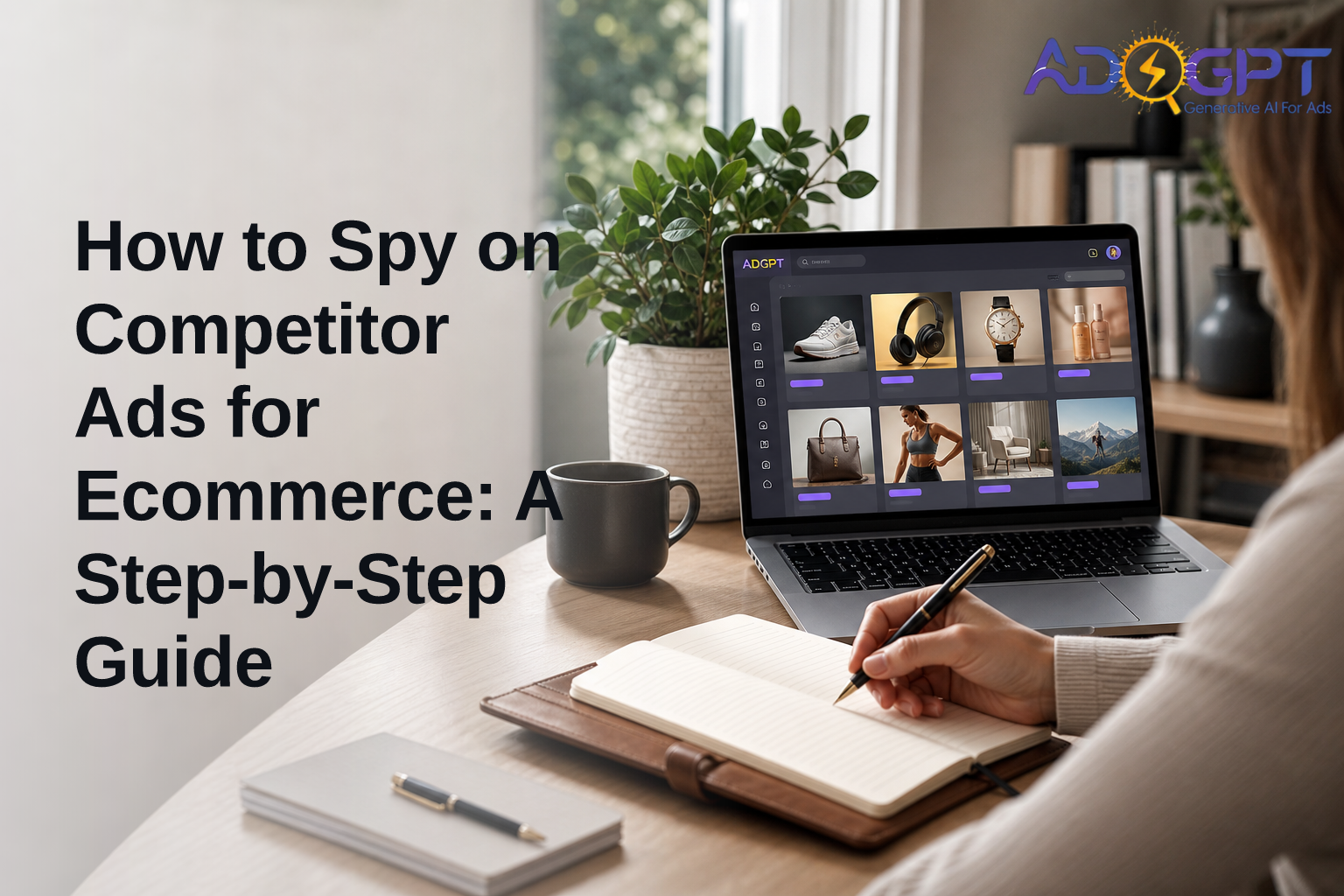
Creative drives your CAC more than targeting in 2026. To spy well, audit rival ads in native libraries and paid databases, map their hooks and CTAs, track which ads run longest, then adapt those angles into fresh, on-brand assets fast. A competitor ad spy tool helps you do this without guesswork.
You and I both feel it: CPMs rise, fatigue sets in, and a “spray and pray” test burns cash. However, you can learn from what’s already working in your niche, shorten your testing loop, and ship ads that stand a real chance on Day 1. In this guide, I’ll show you a clean process any Shopify or DTC team can run this week, plus the tools that make it repeatable in 2026.
Why Competitor Ad Intelligence Matters for Ecommerce Sellers
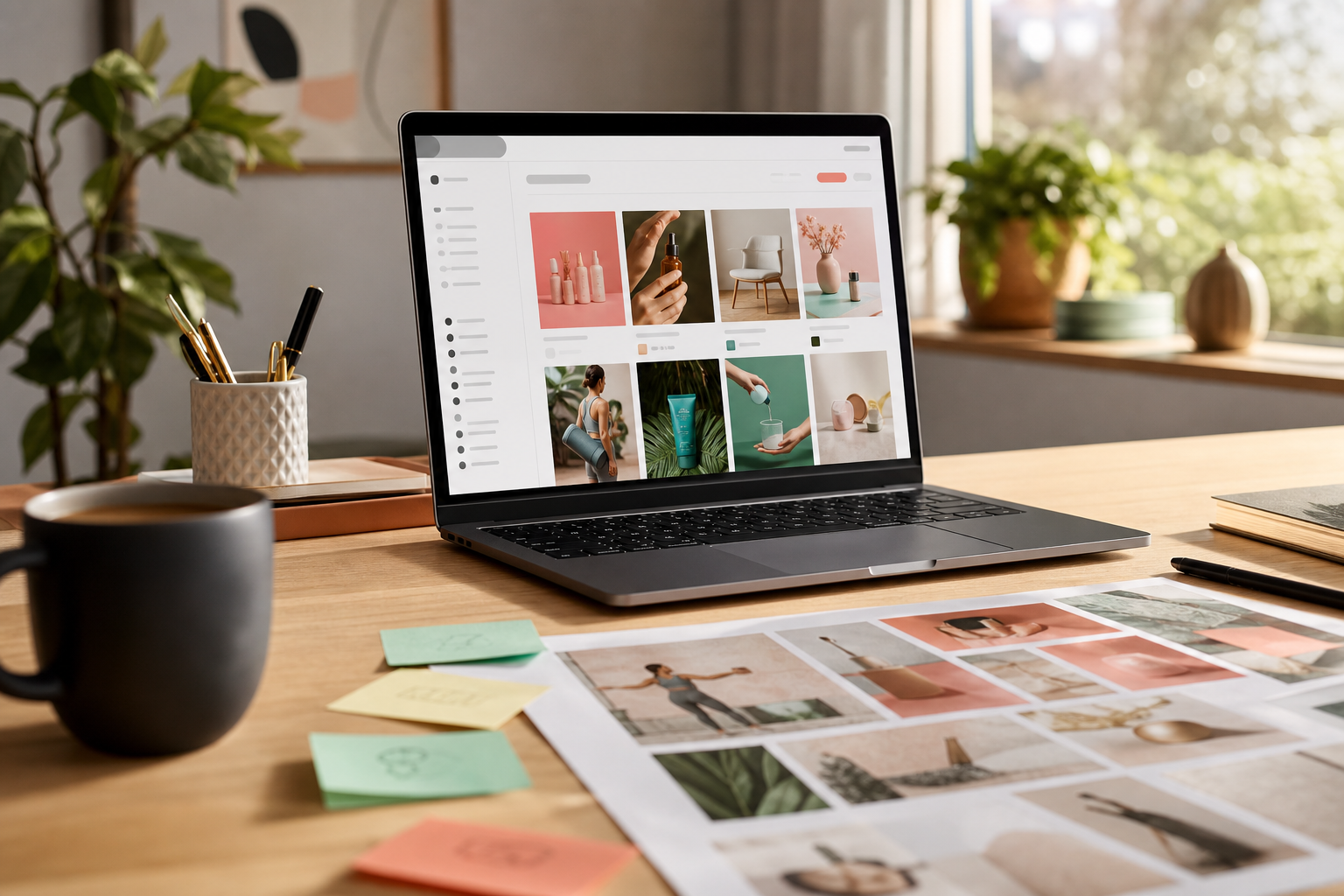
Guessing at creative is the most expensive line item you don’t see on your P&L. Every “rough” test steals budget and time you could spend on clear bets. Moreover, fatigue hits fast on Meta and TikTok, so weak hooks die in hours, not weeks. As a result, the team scrambles to produce more variants, which adds costs and pressure without a better plan.
Competitor research fixes the plan part. Specifically, you spot the core angles your market already clicks on: problem/solution, social proof, “unboxing,” before/after, and price/value stacks. Then you map them to formats: 9:16 UGC, 1:1 carousel, 16:9 product demo, and story frames with native captions. With a competitor ad spy tool, your brief moves from “make five random ads” to “build two UGC demos with a first-3-second pain hook, one authority-led proof, and one value stack carousel.
In addition, ad longevity gives you a useful proxy signal. If a Meta ad ID has been live for 30+ days with small copy tweaks and new crops, the creative core likely works. While you can’t see spend or ROAS, age plus iteration hints at winners. Therefore, you test inspired but original takes first, saving budget.
For an even deeper angle framework, this breakdown on competitor ad insights shows how to turn raw ad examples into clear creative briefs. It complements the process below and keeps your research tight.
What good research produces
- A labeled swipe file organized by angle, format, and hook style
- A shortlist of “must test” hooks based on recurring patterns
- A first draft of three unique concepts derived from market-proof ideas
“Research cuts bad tests. Bad tests cut budgets.” — Every performance marketer who’s survived Q4
Also, keep compliance and claims in mind. For example, if you reference health or finance benefits, align your copy with platform rules and basic ad standards. If you A/B test claims, read this primer on A/B testing to structure clean, fair comparisons.
Finally, work the focus term into your routine notes so you remember the tools that matter. A good competitor ad spy tool is not the plan itself; it’s the map.
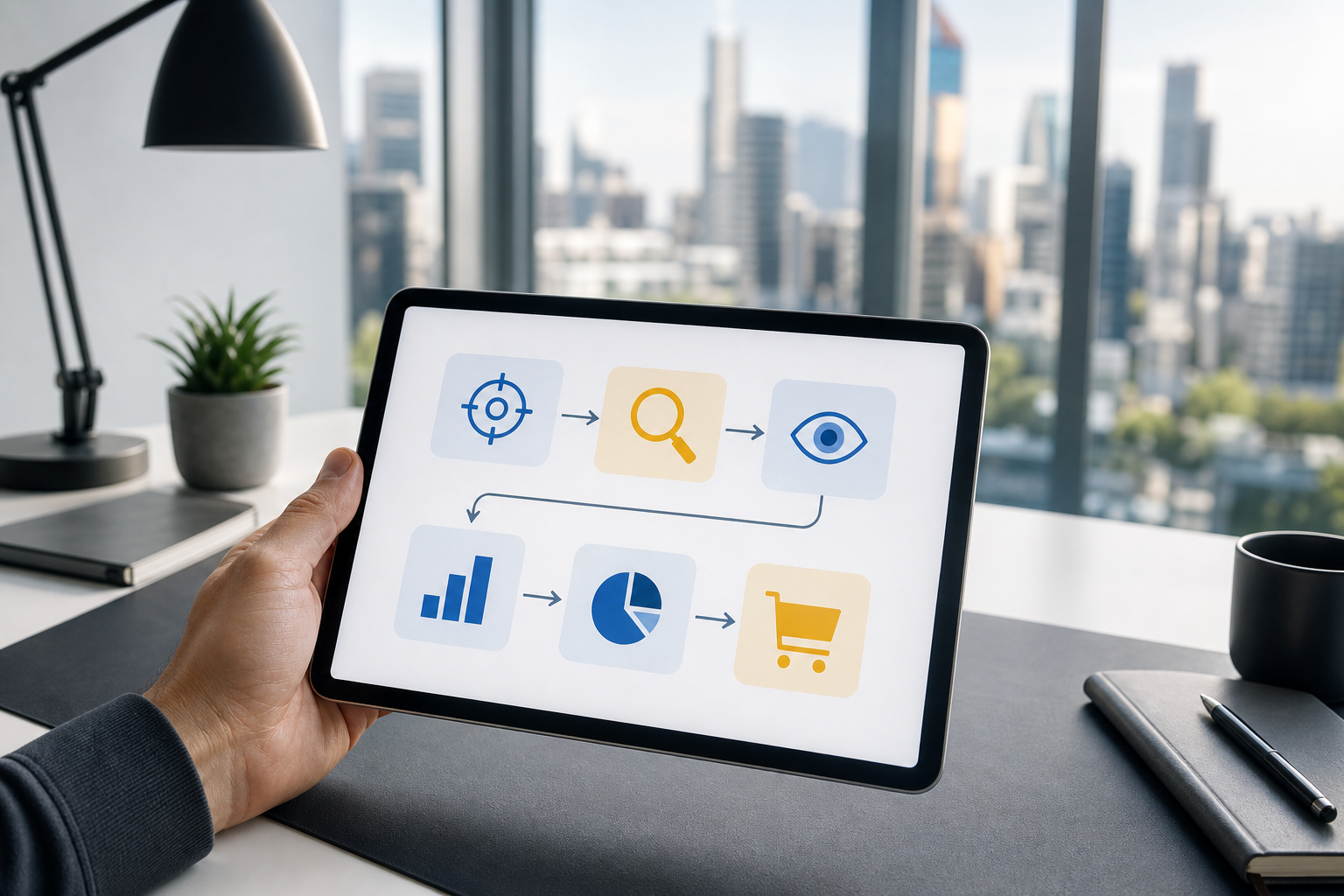
How to Spy on Competitor Ads in 6 Steps
You want a process you can run in two hours per week. The steps below work for small DTC shops and 8-figure Shopify brands alike.
-
Identify your top 5–10 competitors
Start with direct rivals (same product type and price band) and close substitutes. For example, if you sell minimalist sneakers, include Allbirds, Cariuma, and an Amazon private-label that ranks for “wool runners.” In addition, add one aspirational brand with top creative, even if they’re bigger. You’ll learn structure and pace from them. -
Use free native libraries (Meta Ad Library, TikTok Creative Center)
Search each brand name. Filter by country and date. On Meta, click into each ad to see variations, start dates, and placements. On TikTok, review the “Top Ads” and “Trending” sections in your niche for pattern spotting. Then, screenshot or save links for any creative with a clear angle or strong hook. -
Analyze ad format, hook, and CTA patterns
For every saved ad, tag three fields:
- Format: UGC selfie, product demo, carousel, story sequence
- Hook: pain-led (“Stop razor burn”), proof-led (“10K+ reviews”), offer-led (“Buy 2, get 1”)
- CTA: “Shop Now,” “Try Risk-Free,” “Customize Yours,” “Bundle & Save”
For example, a skincare DTC brand might lean on UGC derm-react videos with a 3-second “redness gone” reveal, while a kitchen brand might run top-down B-roll with on-screen price stacks.
-
Track ad longevity as a proxy for performance
On Meta, note the “ad started running on” date and any weekly refresh cadence you see. If a video concept reappears with new edits over 6–8 weeks, the angle likely performs. However, treat longevity as a clue, not proof. Use it to rank tests, not to declare winners. -
Build a swipe file organized by angle
Create folders for Pain, Proof, Offer, Authority, and Demo. Add subfolders for formats (UGC, B-roll, Carousel). For each ad, paste the link, a one-sentence summary, and a tag set like “Proof / UGC / 9:16 / ‘Derm says this’.” Therefore, your future brief writes itself. -
Adapt insights into original creatives
Write three net-new concepts that “rhyme” with what works but are yours. For example, if you sell beard oil and see UGC “first week results” hooks, script your own day-1/day-7 reveal with your own voice, claims you can back, and brand style. Then A/B test structure, not someone else’s script. Keep your product demo, set, and captions original.
Pro tips for ecommerce teams
- Pull product shots from your store and stage them to match the angles you’ll test.
- Record native captions on TikTok/IG Reels so they look organic.
- Keep your first three seconds honest. Show the product, the problem, or the reveal.
If you want more on turning research into scripts, this guide on competitor ad creative walks through hooks, beats, and shot lists. It pairs well with your swipe file.
Finally, write the keyphrase into your doc so the search remains top of mind across the team. Your competitor ad spy tool should speed this workflow, not replace your judgment.
Also Read!
Best Competitor Ad Spy Tool for Small Businesses in 2026
How to Launch Ads on Multiple Platforms as a Small Business Owner
5 Mistakes Ecommerce Sellers Make With Ad Spy Tools
First, copying ads verbatim. If you clone words, shots, and structure, you risk platform rejections and brand damage. Moreover, copycats age fast. Adapt the angle, not the script.
Second, only watching direct competitors. Overlap matters, but adjacent brands reveal structure you can borrow. For example, if you sell pet supplements, watch chewable vitamin brands for hooks about taste, texture, and routine.
Third, ignoring ad longevity signals. A flashy edit that ran for 48 hours tells you little. Instead, log start dates and note how the brand iterates winners. Therefore, you’ll rank ideas by likely payoff.
Fourth, not tracking creative trends over time. One scrape is a snapshot. However, weekly checks show shifts from “offer-led” to “proof-led” as seasons change. As a result, you plan your own pivot on time.
Fifth, treating spy data as a replacement for testing. Your product, price, and landing page differ. Even a great angle needs your own A/B tests to confirm fit. If you need a refresher on clean experiments, read an intro on A/B testing and apply it to hooks and CTAs.
Run the process, not the tool. The best ads come from tight research plus fast tests, not from a single scroll through a library.
To keep your team aligned, add a weekly 20-minute huddle where you rate three new angles and agree on what ships. Your competitor ad spy tool feeds the meeting; your roadmap comes out of it.
Best Competitor Ad Spy Tools for Ecommerce in 2026
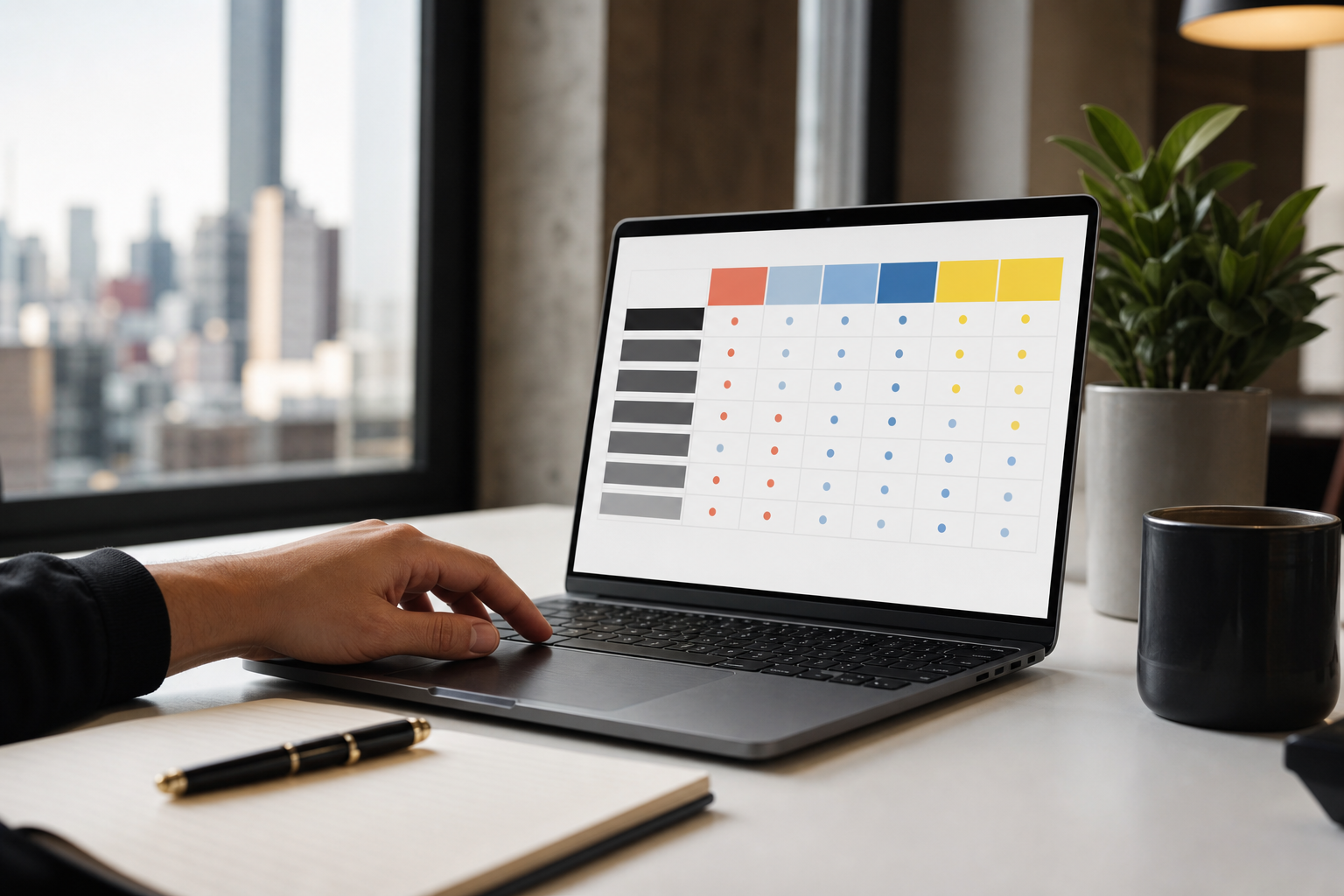
You have three tool stacks to pick from. Choose based on budget, platform coverage, and how fast you want to go from insight to new creative.
Free native libraries
- Meta Ad Library: Great for breadth across Facebook and Instagram. In addition, you can view start dates and variant trees to spot iterations. Zero cost, but no spend or performance data.
- TikTok Creative Center: Useful for trend discovery and top-ad samples by industry. However, the filters aren’t brand-complete, so use it to spot patterns, not to track full catalogs.
Paid spy platforms
- BigSpy, Minea, AdSpy: Good for cross-network search, filters by geo, device, and date, and bulk saving. For teams with $100–$300 monthly budget, these tools speed research and swipe file building. However, they don’t help you produce new assets.
AI-powered platforms
If you want research and instant creative generation in one place, tools like AdsGPT pair market data with production. AdsGPT includes a 500M+ Competitor Ad Database, 9 Ad Platforms Supported, and a Competitor Intel feature that turns what you’re seeing into draft concepts. In addition, there’s a Free plan with 35 ad credits to try image and short video ads, and paid plans remove watermarks.
As social proof, the platform cites 10K+ Happy marketers. For security, AdsGPT holds SOC 2 Type II certification. If you’re an agency or a growing DTC team, combining research and making on one screen can cut briefing time by half.
Picking by use case
- Budget under $100/month: Start with Meta + TikTok libraries and a manual swipe file.
- Need speed across networks: Add a paid spy index to bulk search and tag.
- Want ideas and drafts now: Go AI-assisted so research flows straight into scripts, storyboards, and first cuts.
For a more agency-focused breakdown, this article on the best tools for agencies in 2026 shows how teams scale research across client sets.
Your tool is a force multiplier. However, your process still runs the show. Keep the loop: research, brief, make, test, learn.
Key Takeaways and What to Do This Week
Before you wrap, here’s a tight recap and a 7-day plan you can run with your team. Keep the keyphrase on your checklist so your competitor ad spy tool stays part of the loop, not a one-off task.
Key Takeaways
- Creative drives CAC in 2026; research cuts waste by pointing at proven angles and formats.
- Track hooks, formats, CTAs, and ad age; longevity hints at winners worth testing first.
- Build a labeled swipe file so briefs write themselves and new teammates ramp fast.
- Tools matter, but process wins. Research, then create original ads inspired by what works.
- Test structure (hook/angle), not clones. Use clean A/B tests for fast, fair reads.
What to Do This Week
- Day 1–2: List 5–10 rivals (plus one aspirational brand). Search Meta Ad Library and TikTok Creative Center. Save 20–40 ads with clear angles.
- Day 3–4: Tag each saved ad by format, hook, and CTA. Record start dates. Note which angles recur in your niche.
- Day 5–7: Build your swipe file by angle. Draft 3 original concepts that “rhyme” with two proven patterns. Write briefs and shoot rough cuts.
If you work with clients, this playbook pairs well with the agency-focused walkthrough on winning more clients with research. It shows how to turn your findings into a simple pitch and a first test plan.
Ship your first three concepts next week. Then keep the loop tight: re-run research every Monday, ship mid-week, read results on Friday, and iterate.

MOST POPULAR