Your best ad ideas aren’t yours, they’re funded by your rivals’ budgets. A practical competitor ad spy tool lets you see what they run, how long they run it, and where the clicks land, so you stop guessing. Here’s the fast path: scan public ad libraries, note what repeats, and build tests from proven hooks. That’s how you cut waste, fast.
If your budget is tight, you can still do smart research. In 2026, every major ad platform publishes public ad libraries. You can use them to spot working formats and offers before you spend a dollar. Then, you can use a paid tracker to fill the gaps, like cross-platform reach and creative patterns over time.
By the end of this guide, you’ll have a simple plan to copy what works (ethically), spot gaps your market ignores, and turn it into tests you can run this week. You’ll also see free options and when a modest paid plan is worth it.
Why Knowing What Your Competitors Run Matters More Than Your Own Ad Ideas
You don’t have the budget to test 50 guesses. Your competitors already paid to test those for you. When you study their ads first, you reduce waste, pick proven angles, and move faster than teams who brainstorm in a vacuum.
For example, a local e‑commerce boutique can learn a lot from repeat creatives in its niche. If five stores keep running short UGC videos that start with a “before/after” hook for 90+ days, that signal beats any hunch. For service businesses like a plumbing company, you might notice rivals lead with “same‑day service” and “no weekend surcharge.
If those lines show up across platforms and stick for months, they’re not random. They convert.
Moreover, spying on ads shows you what’s missing. If competitors push “price” but ignore “speed” or “guarantee,” that’s your angle. If they only run video, perhaps static carousels with price tiers can win on reach and cost per click. You’re not copying; you’re learning what the market responds to and then adapting.
In addition, you spot landing page choices that impact profit. Do they send traffic to product pages, bundles, or quiz flows? If three of five rivals drive to quizzes, that isn’t a fad.
It’s a funnel they proved with spend. Therefore, your goal is to map messages, formats, CTAs, and landing pages, then lift the patterns and make them yours.
Local Examples You Can Model
A candle shop sees rivals use 6-second videos with scent “notes” on screen, and they add that format to their next two tests. Meanwhile, a dental clinic notices “no-interest plans” in every top ad, then adds financing details to headlines and landing pages. Separately, a meal-prep business finds no one mentions “delivery windows,” so they take that gap and make it their lead hook.
How to Research Competitor Ads Step by Step (Even With Zero Budget)
Here’s a 7-step plan you can run this week. You’ll use free libraries first, then, if you can, a lightweight competitor ad spy tool to fill oversights.
Your Tracking Spreadsheet
Create a simple sheet with columns: Brand, Platform, Date Seen, Format, Hook, CTA, Offer, Landing URL, Notes, Run Start, Run End.
- Identify five direct competitors. Pick businesses your customers also consider. For a local service, pick those in your zip code and the next two. For e‑commerce, pick brands with similar price points and products. Add two “aspirational” competitors you admire.
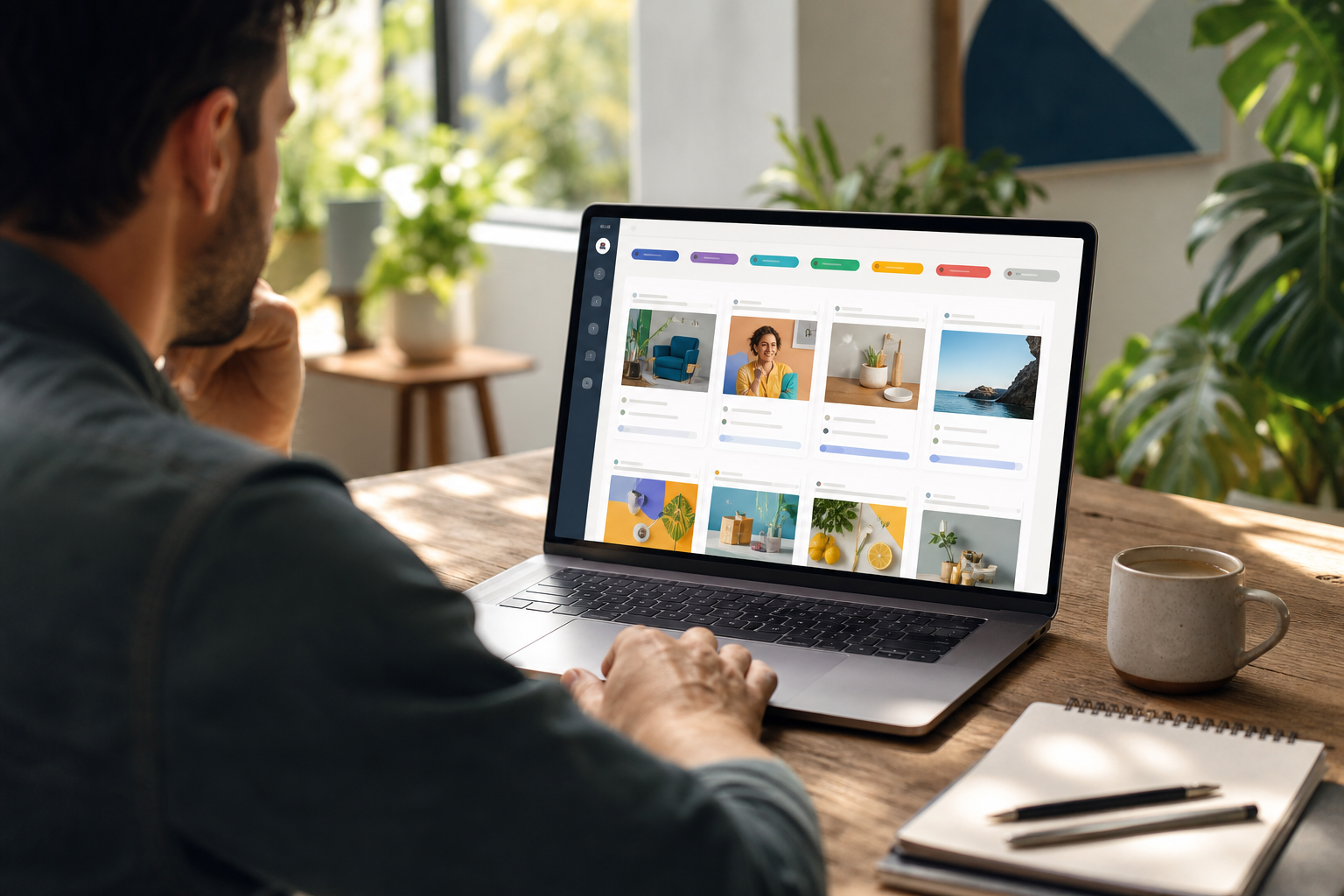
- Use free ad libraries. Search the Meta Ad Library, Google Ads Transparency Center, and TikTok Commercial Content Library by brand name. Filter for your country. Screenshot top ads and paste URLs into your sheet. Note the first seen date if the library shows it.
- Document formats, hooks, and CTAs. Write the first line of the ad (“hook”) in your sheet. Note the format: image, carousel, short UGC, product B‑roll, or long-form video. Record the CTA button text: Shop Now, Get Quote, Book Now, Learn More. This alone will reveal patterns.
- Track landing pages. Click through. Log the landing URL, headline, and the first on‑page CTA. Is it a product detail page, a bundle, a quiz, or a lead form? Note any price, guarantee, or shipping details above the fold.
- Note frequency and duration. Check how many variations a brand runs at once and how long the same creative stays live. Longevity is a quality signal; ads that run for 60–90 days likely hit target metrics. Rotate dates weekly to update “Run End.
- Spot patterns. Highlight repeated hooks across brands. For example, if “30‑day free returns” appears in 3 of 5, mark it. If carousels dominate for bundles but videos win for new arrivals, log that by offer type. Patterns beat hunches.
- Build a swipe file and plan tests. Save creatives into folders by theme (social proof, price, speed, bundle, guarantee).
Then write three tests using those themes. For structure on testing, see this plain-English intro to A/B testing. Finally, if you can, use a competitor ad spy tool for cross‑platform search to confirm your picks.
For a deeper breakdown of what to log and how to turn hooks into tests, this guide on competitor ad insights shows examples and templates you can copy.

Also Read!
How to Spy on Competitor Ads for Ecommerce: A Step-by-Step Guide
5 Mistakes Small Businesses Make When Spying on Competitor Ads
It’s easy to overdo “inspiration” and end up with a clone. You don’t want that. You want to adapt what works to your brand and offer. Here are five traps to avoid and how to fix them. Use a light touch from your competitor ad spy tool; don’t let it replace judgment.
- Copying ads verbatim — Fix: Keep the structure, not the script. If the hook is “Same‑day install,” use “Installed this week” or “48‑hour install window” based on your real promise. For adapting visuals fast, the walkthrough on competitor ad creative gives safe, on-brand options.
- Only tracking one platform — Fix: Your buyer scrolls across channels. Check Meta for creative variety, Google for intent, and TikTok for short hooks. Even two platforms beat a silo.
- Ignoring longevity — Fix: Star ads that run 60+ days. Weight those more than short bursts. A fresh ad might be a test. A long-run ad paid its rent.
- Chasing big brands, not true rivals — Fix: Follow brands your buyer cross‑shops. A national chain with a 6‑figure daily budget can win on reach that you can’t match. Match their angle, not their spend.
- Never acting on the intel — Fix: Turn notes into three real tests. Set a date, a spend cap, and one clear goal per test. Then run it. Your notes don’t convert. Your tests do.
“Once we stopped guessing and started tracking, our first three tests paid for the month’s ad bill.” — A mentor’s rule I’ve seen hold up across dozens of small budgets
Best Competitor Ad Spy Tools Worth Your Budget in 2026
Start free. Then, add a paid tool if you need cross‑platform views, faster search, and long‑term creative timelines. Free options include the Meta Ad Library, Google Ads Transparency Center, and TikTok’s Commercial Content Library. They’re great for sampling, but each shows only its own platform.
Paid tools add reach, filters, and time‑saving workflows. Tools like AdsGPT combine ideation and research: a 500M+ competitor ad database across 9 ad platforms, plus a “Competitor Intel” feature to profile brands.
There’s a free plan with 35 ad credits (no credit card), and a Starter plan at $49 per month if you need more. That’s friendly for small budgets, and 10K+ happy marketers already use it. If you care about security and data handling, it’s also SOC 2 Type II certified.
You might also consider BigSpy, AdSpy, or PowerAdSpy for broad creative search. Each focuses on discovery more than creation. Pricing and data depth vary by plan and add‑ons.
If you don’t need creation tools, a lean search‑only plan could fit. On the other hand, if you want to turn findings into ads fast, pairing research and creation in one place can save hours each week.
What matters on a tight budget
On a tight budget, focus on coverage: decide whether you need 2–3 platforms or all 9, and pay only for what you’ll use weekly. Consider credits versus unlimited access; if you just audit monthly, a credit‑based free plan may be enough.
Prioritize filters like date ranges, hooks in copy, CTA buttons, and landing URLs, because those save real time. Finally, reduce risk and build trust with a free plan that requires no credit card and has clear data handling (e.g., SOC 2 Type II).
| Option | Coverage | Price To Start | Best Use |
|---|---|---|---|
| Free platform libraries | Single-platform views | Free | Quick sampling and brand checks |
| AdsGPT | 9 platforms, 500M+ ads; Competitor Intel | Free plan (35 credits); Starter at $49/mo | Cross‑platform research and fast ad creation |
| Other paid spy tools | Multi‑platform creative search | Varies by vendor | Broad discovery without creation features |

Get instant ad intel, free credits →
What to Do This Week: Your First Competitor Ad Audit
You can run a tight 5‑day sprint and come out with three ready‑to‑test ads. Block 45–60 minutes a day. Keep it simple.
If you want agency‑grade depth later, this piece for pros, Best Competitor Ad Spy Tool for Agencies in 2026, shows what a scaled process looks like.
- Day 1: Write five direct rivals and two stretch brands. Add their brand names, websites, and social handles to your sheet. Define one clear goal for your next ads: clicks, leads, or sales. If you serve clients, also bookmark the guide on How to Use Competitor Ad Spy Tools to Win More Agency Clients; you can repurpose the same steps for client audits.
- Day 2: Search the Meta Ad Library, Google Ads Transparency Center, and TikTok’s Commercial Content Library for each brand. Save 3–5 ads per competitor. Log format, hook, CTA, and landing pages. Note first‑seen dates if shown.
- Day 3: Use a competitor ad spy tool to search across platforms and time. Filter by your country, format, and CTA. Sort by run duration to find proven creatives. Save 10–15 strong examples into your swipe file.
- Day 4: Highlight common hooks and offers. Mark gaps your rivals ignore. Pick three test angles that fit your real ops: speed, risk‑free trial, bundle/discount, social proof, or local expertise. Draft copy lines that keep the angle but fit your tone.
- Day 5: Turn each angle into a creative brief: format, 5–10 word hook, body line, CTA, and landing URL. If you use an AI ad maker, generate a few options and pick the best. Launch your first test set with a clear budget and timeline. In 2026, speed to test beats perfect ideas every time.

Key Takeaways
Spy to save: repeat winners tell you what the market pays for; your job is to adapt, not clone. Use free libraries first, then add cross‑platform search when you need scale and speed. Weight ads by run length and landing page flow, not likes or comments.
Turn notes into three tests within five days; momentum beats guesswork. Paid tools in 2026 that mix research and creation can save hours and reduce wasted spend.

MOST POPULAR