Most ad teams spend the first two weeks of a campaign testing hunches. That’s the expensive part, not the media budget, but the creative budget burned guessing at angles that any competitor in your niche already proved out months ago.
Here’s the counterintuitive thing I’ve observed after working in AI-assisted ad creation for years: the teams shipping winning creatives fastest aren’t the most original. They’re the most systematic about what’s already working, and they remix it intelligently rather than reinventing from scratch.
This piece is about that method. Specifically: how to use AdsGPT‘s competitor research and one-click remix workflow to cut your hypothesis-generation phase from weeks to hours. And why most teams still aren’t doing this, even as nearly 90% of advertisers plan to build video ads with generative AI.
In a hurry? Listen to the blog instead!
Why “Original” Ad Creative Is Overrated

There’s a persistent belief in creative teams that originality is the goal. It isn’t. Differentiation is the goal. Those are related but not the same thing.
An original ad that hits an angle nobody has validated is also an ad you’re spending real money to test blind. A remixed ad that takes a proven emotional hook, say, a competitor’s UGC testimonial framing, and repositions it around your product’s specific differentiator? That starts with a prior that the core angle converts. You’re testing your brand and your offer, not the creative format’s viability.
This is why the competitor ad analysis workflow is one of the most underused levers in paid social. The data is right there. Ad libraries, creative intelligence tools, and platforms that aggregate competitor creatives all contain signal that most teams leave unread.
The problem has always been execution speed. Extracting insight from competitor ads manually, pulling the creative, identifying what’s working, briefing a designer, writing copy, producing variants used to take days. That lag killed the usefulness of the research before the tests even launched.
If you are constantly refreshing creatives, our guide on Ad Creative Fatigue Is a Production Problem explains why the issue starts with production, not performance.
What the Competitor-Remix Workflow Actually Looks Like

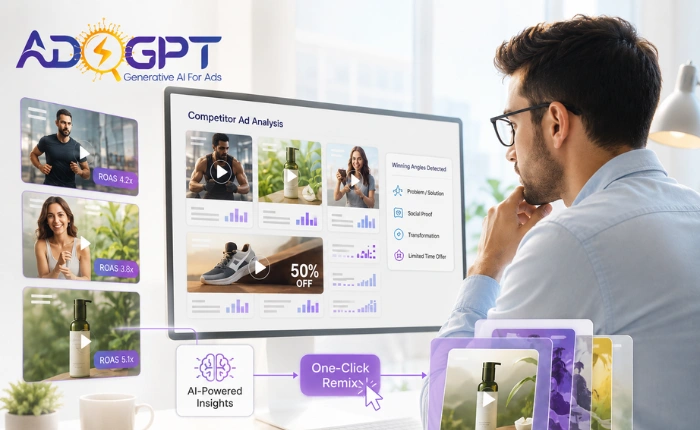
AdsGPT’s approach collapses that lag into a single session. The platform gives you access to a 500M+ ad database for competitor research. You find a competitor ad that’s showing clear signals of performance, high frequency, extended run time, consistent placement, and hit Recreate.
That single click generates five fresh variations adapted for your brand. Not a copy. A structural remix: same proven format and emotional architecture, different product, different visual identity, different copy angle. From there, you’re choosing between five directional options rather than briefing a creative from zero.
The real value isn’t the speed (though cutting days to minutes matters). It’s that each variation gives you a different way into the same proven format. One might lead with your USP as a hook. Another might flip the structure to lead with the pain point. A third might use a different visual treatment of the same product benefit. You’re running creative experiments with the format risk already de-risked.
Four Things to Extract Before You Remix

Random remixing produces random results. Before hitting Recreate on anything, pull four specific data types from every competitor ad you’re studying. This framework from our competitor insights research applies directly here:
- Creative and messaging themes: What emotional territory is the ad occupying? Fear of missing out, aspiration, social proof, problem/solution? Name the theme, not just the surface content.
- Target audience signals: Who is the ad visually addressing? What demographics and interests does the creative language imply? This tells you who the competitor thinks converts.
- Ad frequency and timing: How long has this creative been running? High-frequency, long-running ads are your strongest signal that the format is working. Short-run ads tell you almost nothing.
- Performance benchmarks: What engagement patterns are visible? Comments, social proof, share behavior? These are proxies for resonance before you have your own conversion data.
With those four points mapped, your remix brief is already half-written. You know the format, the audience, the emotional angle, and roughly what “working” looks like. The AI generation step fills the execution gap.
Format Matching Is Where Most Teams Leave Performance on the Table
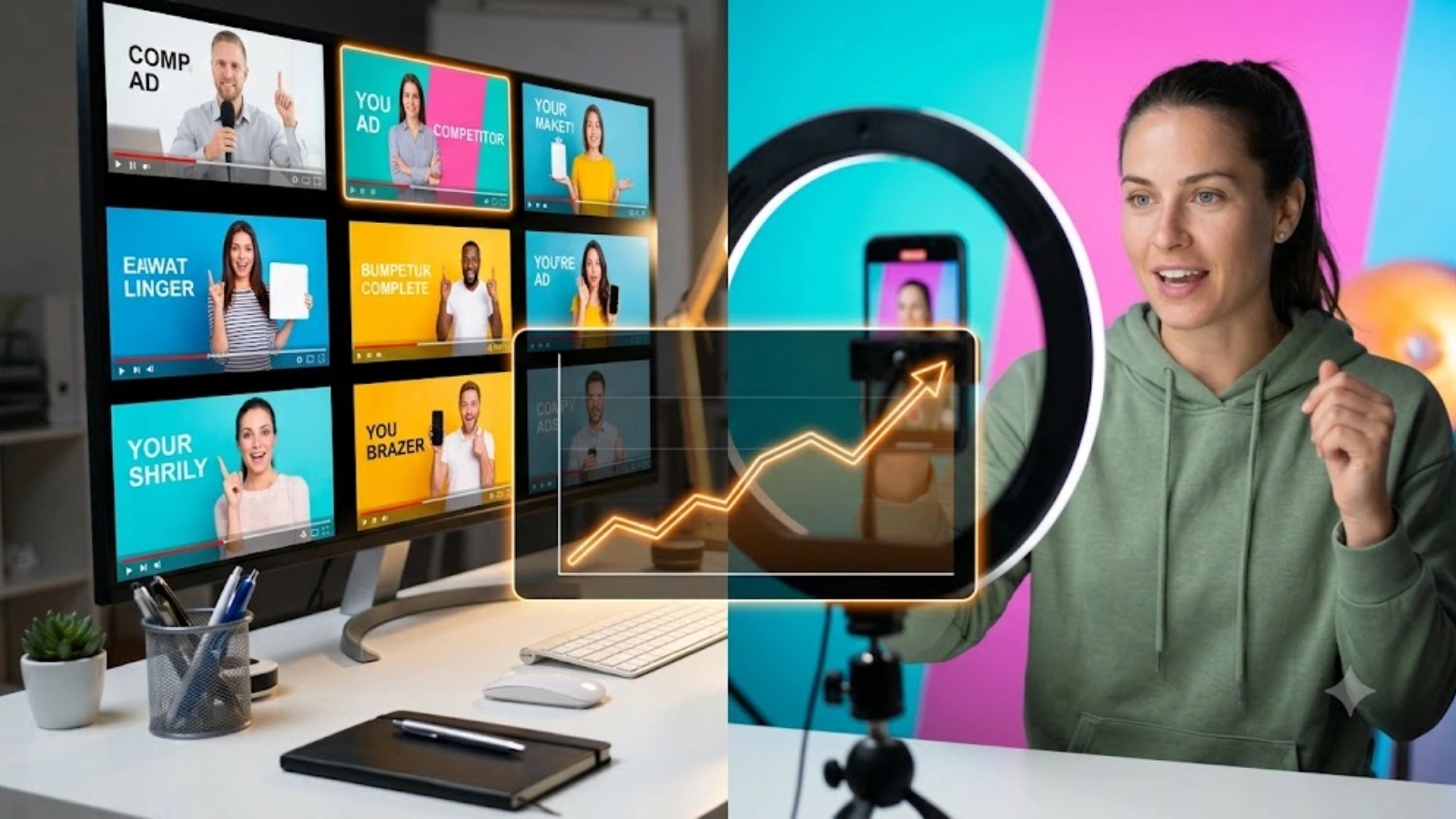
One thing the remix workflow forces you to confront: format isn’t arbitrary. A competitor running long-form UGC-style video for a considered-purchase product and a competitor running punchy static image ads for an impulse product are telling you something specific about their customer’s decision process.
Remixing a UGC format as a static image, or vice versa, doesn’t just change the aesthetics. It changes the trust mechanism. Our guide on creative formats and performance roles identifies what each format actually does: image ads drive clarity and fast iteration, video ads carry context and storytelling weight, and UGC-style creative builds credibility and trust in a way that polished production rarely replicates.
NNGroup’s research on AI holiday ads flagged this in late 2025: AI-generated ads underperformed on emotional resonance and authenticity. The tool wasn’t the problem. The format choice wasn’t matched to the trust signal the audience actually needed.
AdsGPT gives you the formats to match correctly. AI Ad Creatives for static iteration. UGC Video Ads for credibility-first categories. AI Avatar Ads when you need a spokesperson with lip-sync and burned-in captions. Product B-roll Video for 4K cinematic treatment of the product itself. When you’re remixing a competitor’s creative, match the format to what the competitor was actually doing, not just what looks fastest to produce.
If your AI-generated ads keep missing the mark, read AI Ad Generator Underdelivers? Fix Your Brief before changing tools.
The Scale Step Most People Skip
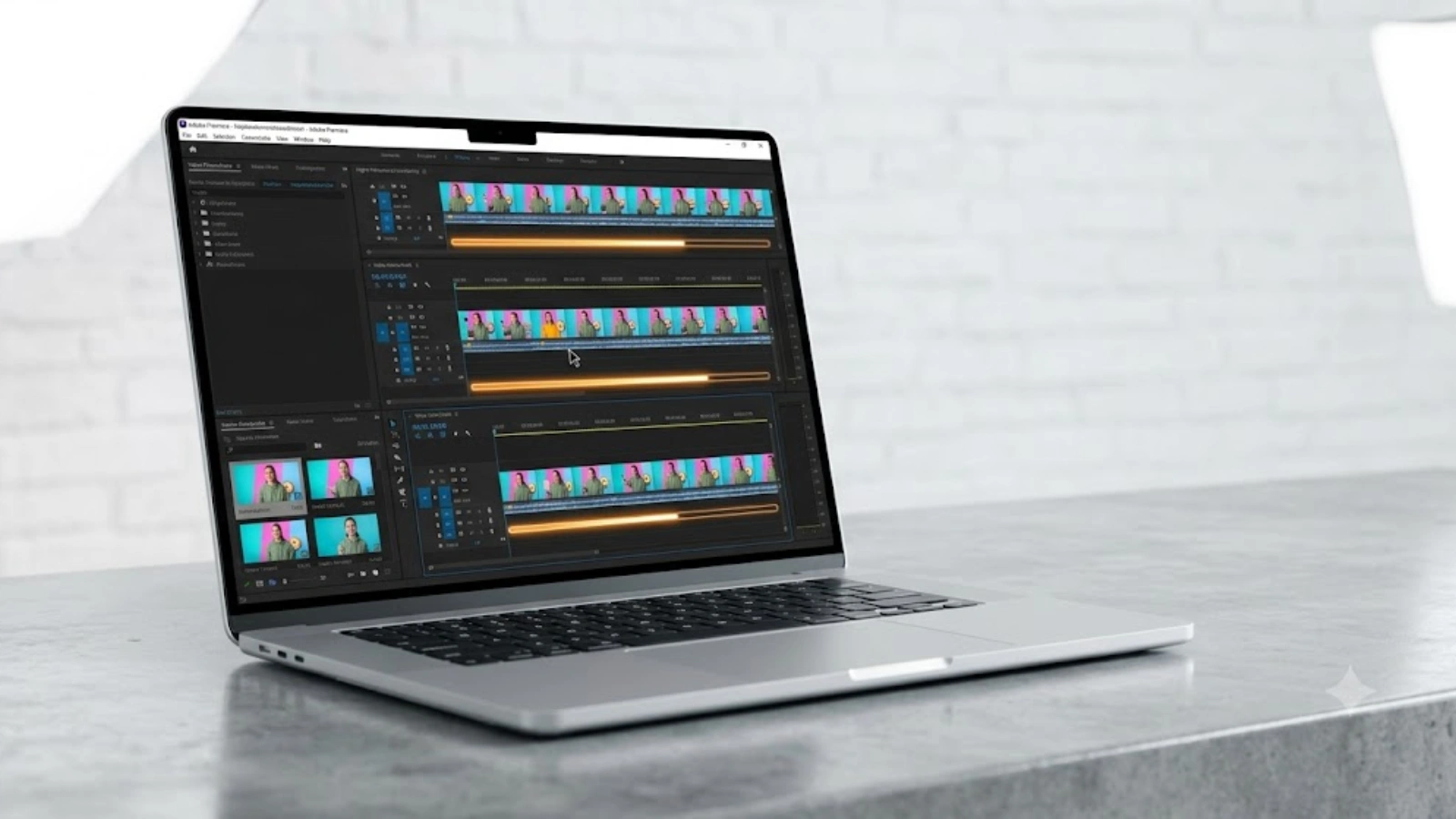
Here’s where the workflow breaks down for most teams: they generate the remix, pick a winner, and stop. One ad goes into rotation. Three weeks later, creative fatigue sets in, engagement drops, frequency rises, distribution narrows, and the team starts changing audiences and budgets, which misdiagnoses the problem entirely. The issue isn’t the targeting. The message is exhausted.
The correct move is to build creative volume at the point of initial generation, not as a reactive fix later. When a remixed creative shows early performance signal, that’s your cue to run Ad Factory, AdsGPT’s bulk variation engine. It produces on-brand variants across all formats and platform specs before fatigue has a chance to set in. You’re feeding the algorithm a rotation, not a single creative.
Only 19% of UA marketers were actively using AI creatives in H2 2025, which means the creative volume advantage is still wide open for teams willing to build the process. The constraint isn’t the tool. It’s the habit of treating each creative as a one-off rather than a seed for a rotation.
What This Actually Takes to Run
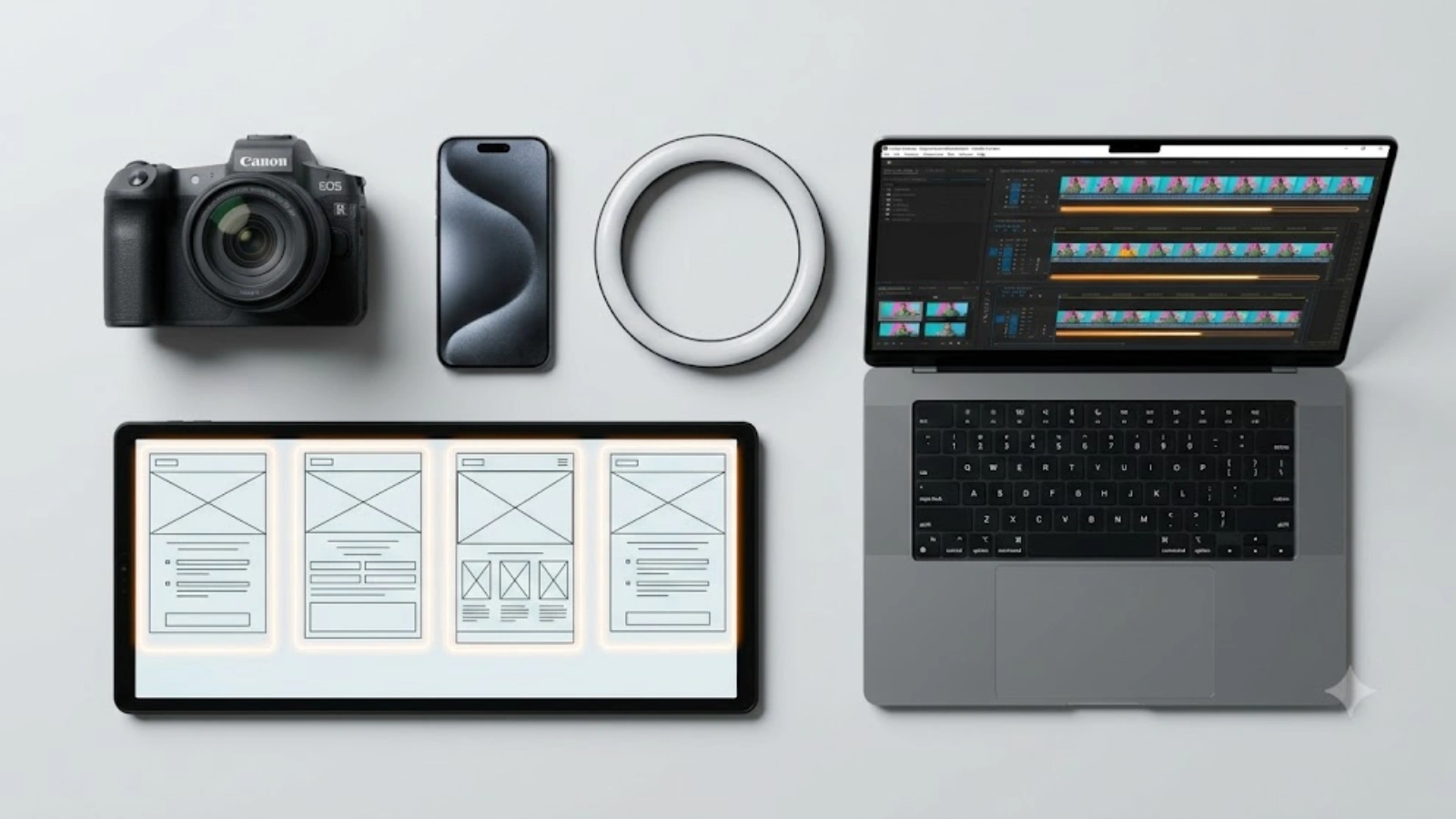
To be direct about effort: the competitor-remix workflow doesn’t run itself. You still need someone who can recognize a high-signal competitor ad when they see one. The four-data-point extraction above requires judgment; a long-running ad in a seasonal category might look like a winner but be an artifact of promotional timing. AI can generate the variations. It can’t tell you which competitor hypothesis is worth testing.
What AI eliminates is the production bottleneck that used to sit between the insight and the live test. The 80% reduction in production cost versus traditional agency workflows that AdsGPT users report reflects this specifically, not that creative judgment got cheaper, but that executing on good judgment stopped requiring a five-person production queue.
Teams running this well are shipping remixes the same day they identify a competitor signal. That speed is the structural advantage. Not better taste. Not bigger budgets. Faster iteration cycles on validated formats.
Run the Method This Week
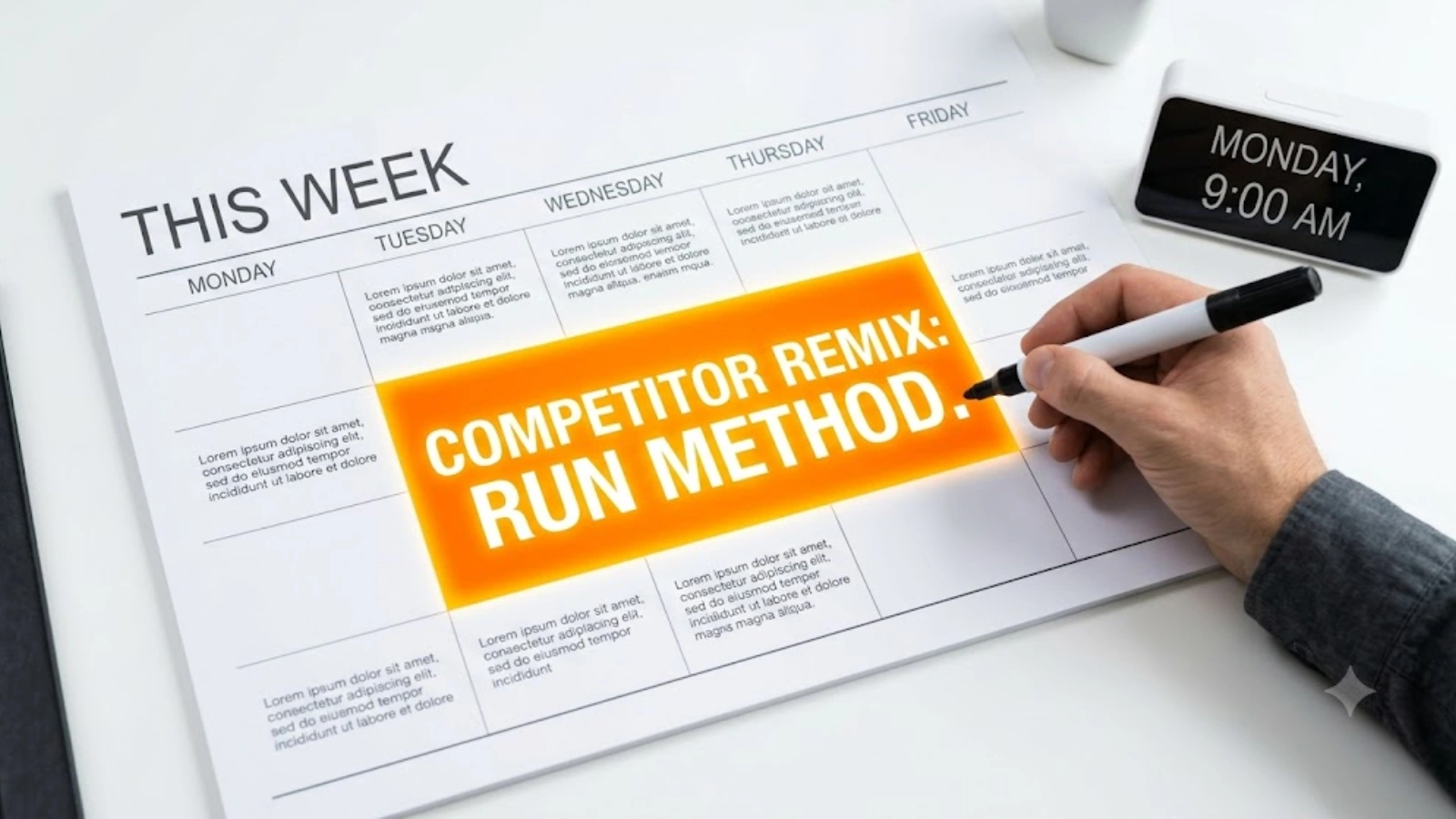
The entry point is lower than most people assume. Pick your top two or three direct competitors. Find the ads in their rotation that have been running longest; that’s your starting signal. Note the format, the emotional theme, the audience implied by the creative language. Then build your remix brief around what you extracted, not around what you wish were true about your product.
Generate your five variations. Match the format deliberately. Build a rotation from the first winner before you need one. Audit for fatigue before the algorithm tells you about it.
The teams hitting 4.8× higher ROAS within six weeks aren’t running more creative tests than their competitors. They’re running better-informed ones, faster, with format choices that match what the audience actually needs to convert.
Start your free AdsGPT trial and run your first competitor-remix session today; the 500M+ ad database is where most teams find their first genuinely validated hypothesis.

MOST POPULAR