
Advertisement examples can make or break your marketing campaign. Whether you’re launching a new product or trying to boost brand awareness, understanding what separates a good ad from a legendary one is crucial. In this comprehensive guide, we’ll walk you through seven powerful advertisement examples, ranked from good to legendary, and break down exactly why they work. By the end of this article, you’ll have a clear roadmap for creating compelling ads that resonate with your audience and drive measurable results.
Listen To The Podcast Now!
What Makes Great Advertisement Examples Stand Out?
Before diving into our ranked list, let’s establish what separates mediocre ads from exceptional ones. The Most Powerful Advertisement Examples share several core characteristics that make them memorable and effective.
1. Clear messaging that communicates value instantly
2. Emotional connection with the target audience
3. Memorable visuals or copy that sticks in people’s minds
4. Strong call-to-action that drives conversions
5. Platform optimization tailored to where the ad appears
Great advertisement examples also leverage psychological triggers. Some use ethos advertisement examples to build credibility and trust through authority figures or expert endorsements. Others rely on pathos advertisement examples, tapping into emotions like joy, fear, or nostalgia to create deeper connections with viewers.
Now, let’s explore seven advertisement examples that demonstrate these principles in action.
#7: Mailchimp’s “Did You Mean Mailchimp?” Campaign (Good):
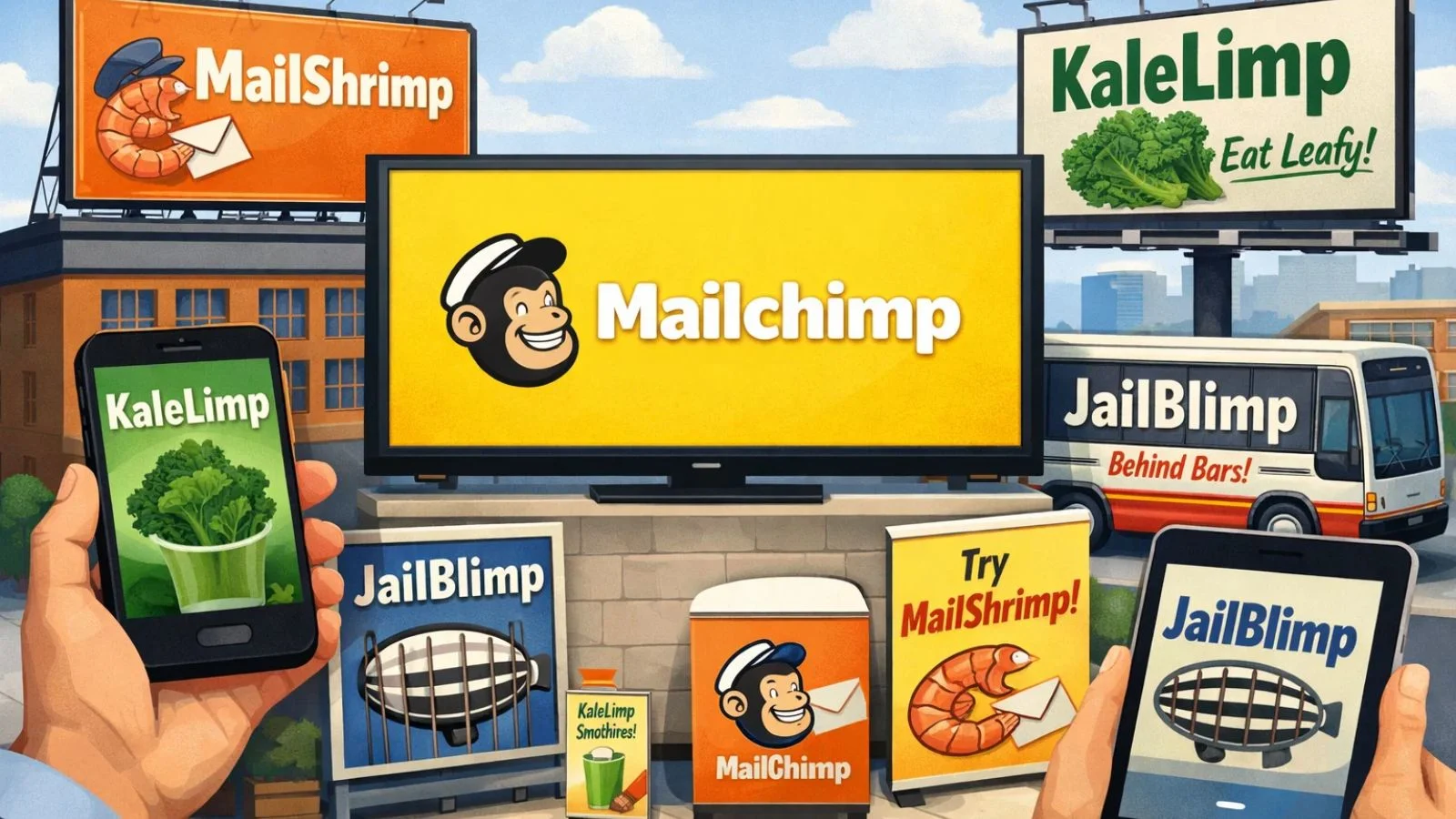
Platform: Multi-channel (TV, Digital, Print)
Mailchimp’s 2017 campaign intentionally misspelled its brand name across various media channels with variations like “MailShrimp,” “KaleLimp,” and “JailBlimp.” While quirky and memorable, this campaign ranks as “good” rather than great.
Why it works:
- Unique approach to brand awareness
- Humorous tone that stood out from typical B2B marketing
- Created social media buzz and conversation
What holds it back:
- Some audience confusion about the actual brand name
- Limited direct conversion messaging
- Not immediately clear what the product does
Key Takeaway: Creative risks can pay off, but clarity shouldn’t be sacrificed entirely for cleverness. This is a solid example of how to write an advertisement for a product examples that prioritizes memorability.
#6: Spotify’s “2018 Goals” Campaign (Good to Great):
Platform: Outdoor advertising (billboards)
Spotify used listener data to create witty, hyper-specific billboard messages like “Dear person who played ‘Sorry’ 42 times on Valentine’s Day, what did you do?”
Why it works:
- Personalized messaging using real user data
- Humor that resonates with modern audiences
- Strong brand personality that feels relatable
- Demonstrates product value (music for every mood/moment)
What makes it stand out:
- Data-driven creativity
- Platform-specific execution (outdoor advertising)
- Timely and culturally relevant
Key Takeaway: Using customer data creatively can produce advertisement examples that feel personal without being invasive.
#5: Always’ “#LikeAGirl” Campaign (Great):
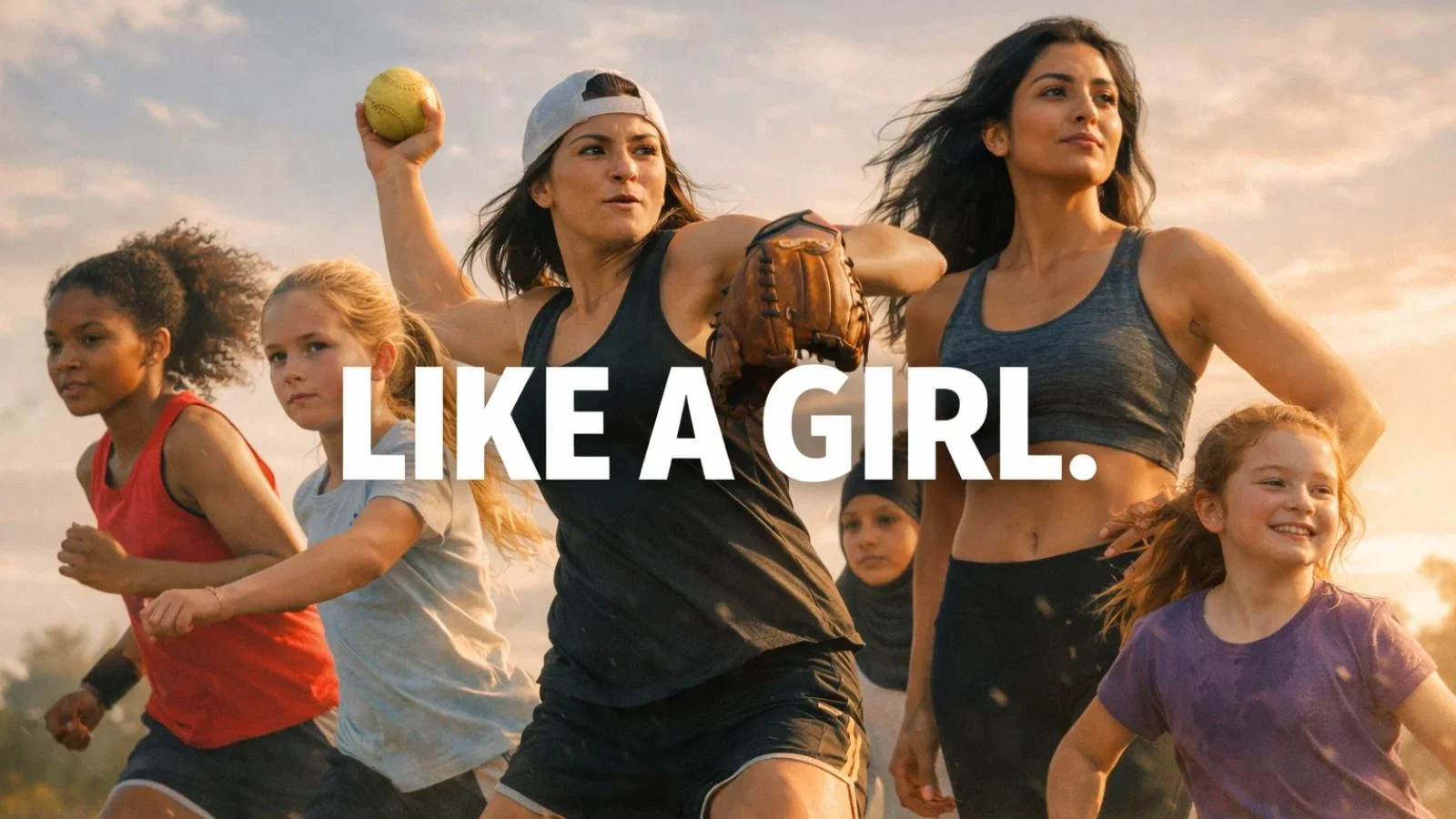
Platform: Video (TV and YouTube)
This 2014 campaign redefined what it means to do something “like a girl,” turning a phrase used as an insult into a message of empowerment.
Why it works:
- Strong emotional appeal (pathos advertisement examples at their finest)
- Addresses social issues authentically
- Creates meaningful conversation beyond the product
- Aligns brand values with audience values
Metrics that matter:
- Over 90 million global views
- 76% of 16-24 year-olds said it changed their perception of the phrase
- Significant increase in brand preference and purchase intent
Key Takeaway: When brands take authentic stands on social issues, they create advertisement examples that transcend traditional marketing and become cultural moments.
#4: Old Spice’s “The Man Your Man Could Smell Like” (Great):
Platform: TV and YouTube
Launched in 2010, this campaign featured Isaiah Mustafa delivering rapid-fire monologues directly to female viewers, transforming Old Spice from a dated brand into a cultural phenomenon.
Why it works:
- Unexpected target audience approach (speaking to women about men’s products)
- Absurdist humor that’s infinitely rewatchable
- Perfect delivery and production value
- Sparked countless parodies and social media engagement
Results:
- Sales increased 125% in the first year
- YouTube views exceeded 50 million in the first month
- Brand repositioned for a younger demographic
Key Takeaway: Understanding your true decision-maker (even if they’re not the end user) is crucial when creating advertisement examples that drive sales.
#3: Dove’s “Real Beauty Sketches” (Excellent):

Platform: Video (YouTube and social media)
This 2013 campaign featured a forensic artist drawing women based on their self-descriptions versus how strangers described them, revealing the gap between self-perception and reality.
Why it works:
- Deeply emotional storytelling (powerful pathos advertisement examples)
- Universal message that resonates across demographics
- Subtle product integration
- Sparked global conversation about beauty standards
Impact:
- Most viewed online video ad of all time (until 2013)
- Over 163 million views in first month
- Shared across 110 countries in 25 languages
- Significant brand affinity and loyalty increase
Key Takeaway: The most powerful advertisement examples often focus on the customer’s emotional journey rather than product features.
#2: Apple’s “1984” Super Bowl Commercial (Legendary):
Platform: TV (Super Bowl)
Directed by Ridley Scott, this 60-second spot aired during the 1984 Super Bowl and introduced the Macintosh computer as a revolutionary device that would challenge the status quo.
Why it’s legendary:
- Cinematic production quality unprecedented for commercials
- Powerful metaphor (IBM as “Big Brother”)
- Aired only once during the Super Bowl (creating scarcity and urgency)
- Positioned Apple as the rebel brand fighting for individual freedom
Lasting impact:
- Changed Super Bowl advertising forever
- Established Apple’s brand identity as innovative and countercultural.
- Considered the greatest commercial ever made by many advertising experts
- Still referenced and studied 40 years later
Key Takeaway: Bold, visionary advertisement examples that tell a bigger story about values and identity create lasting cultural impact that extends far beyond sales.
#1: Nike’s “Just Do It” Campaign (Legendary):
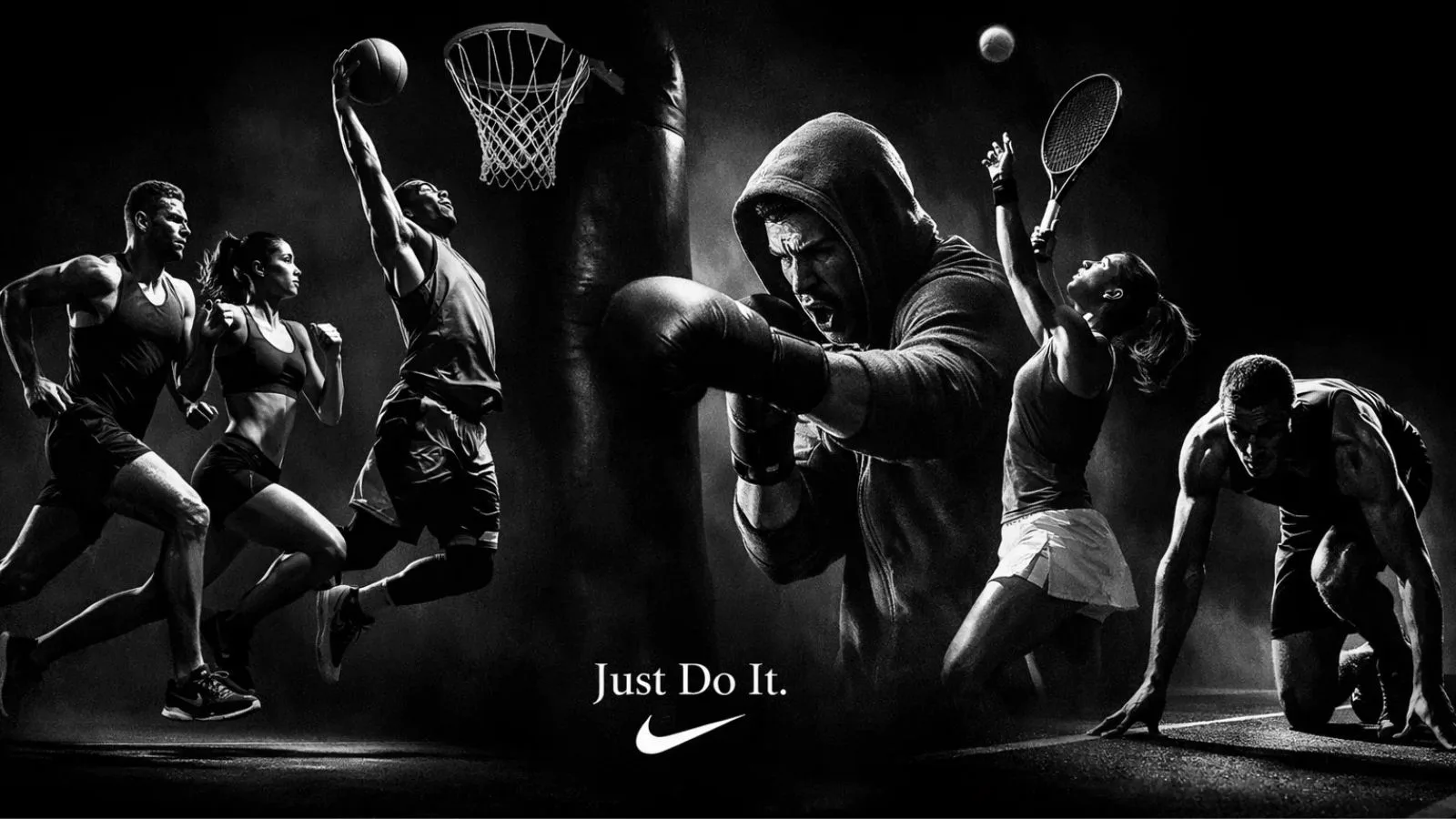
Platform: Multi-channel (Print, TV, Digital, Outdoor)
Launched in 1988, this isn’t just an ad; it’s a movement. The “Just Do It” slogan, with its accompanying “Swoosh,” has become one of the most recognizable brand elements worldwide.
Why it’s #1:
- Three-word philosophy that transcends advertising
- Works across every sport, demographic, and platform
- Evolves with culture while maintaining the core message
- Empowers individuals to overcome obstacles
- Combines ethos (athlete endorsements), pathos (emotional storytelling), and logos (results-driven messaging)
Enduring success:
- Nike’s market share jumped from 18% to 43% within ten years
- Brand value increased exponentially
- Created sub-campaigns that became popular ads in their own right (Colin Kaepernick, Michael Jordan, Serena Williams)
- Remains relevant 35+ years later
What makes it legendary: The “Just Do It” campaign represents the perfect intersection of simplicity, universality, and authentic brand alignment. It’s not just about shoes, it’s about personal achievement. This campaign demonstrates how to write an advertisement for a product by focusing on what the product enables rather than what it is.
Key Takeaway: The most legendary advertisement examples create a philosophy that customers want to be part of, turning a brand into a lifestyle and a movement.
Also Read:
How AdsGPT Can Help You Create Winning Advertisement Examples:
Creating advertisement examples that perform like the campaigns above requires creativity, strategy, and constant testing. That’s where AdsGPT comes in, an AI-powered platform designed to revolutionize how you create and optimize ad content.
Why AdsGPT is a game-changer:
- AI-Powered Ad Copy & Creative Generation: Create compelling, platform-specific ad copy and stunning visuals in seconds for Google, Meta, LinkedIn, Twitter, Pinterest, and more
- Competitor-Inspired Creation: Analyze popular ads in your industry and generate similar high-performing variations tailored to your brand
- Multi-Platform Optimization: Automatically format and optimize your advertisement examples for different channels with platform-specific customization
- Extensive Ad Database: Access insights from 500M+ ads to understand what’s working across industries
- Smart Brand Memory: Store your brand voice, logo, and messaging to maintain consistency across all generated content
- Cost-Effective Solution: Eliminate expensive copywriters and designers while producing professional-quality ads
Whether you’re creating ethos advertisement examples to build credibility or pathos advertisement examples to connect emotionally, AdsGPT provides the tools and insights to craft campaigns that resonate with your audience and drive results.
Conclusion:
The seven advertisement examples we’ve explored demonstrate that great advertising isn’t about selling products; it’s about creating connections, telling stories, and building movements. From Mailchimp’s playful brand awareness to Nike’s enduring philosophy, each campaign teaches valuable lessons about resonating with audiences and creating lasting impact.
FAQ’s:
Q1: What makes an advertisement legendary versus good?
Ans: Legendary advertisement examples create lasting cultural impact, remain relevant for years, and fundamentally change perceptions about a brand or category beyond just driving sales.
Q2: Can small businesses create effective advertisement examples?
Ans: Yes! Creativity and authentic audience connection matter more than budget. Tools like AdsGPT help small businesses create professional-quality ads affordably.
Q3: How do ethos and pathos advertisement examples differ?
Ans: Ethos advertisement examples build credibility through authority and expertise, while pathos advertisement examples connect through emotions like joy, fear, or inspiration.
Q4: What’s the best platform for advertisement examples?
Ans: It depends on your audience. Use social media for younger demographics, Google for search intent, LinkedIn for B2B, and multi-channel approaches for maximum reach.
Q5: How can I measure if my advertisement examples are working?
Ans: Track metrics like click-through rates, conversion rates, engagement, brand awareness surveys, and ROI. A/B testing different advertisement examples helps identify what resonates best.

MOST POPULAR