
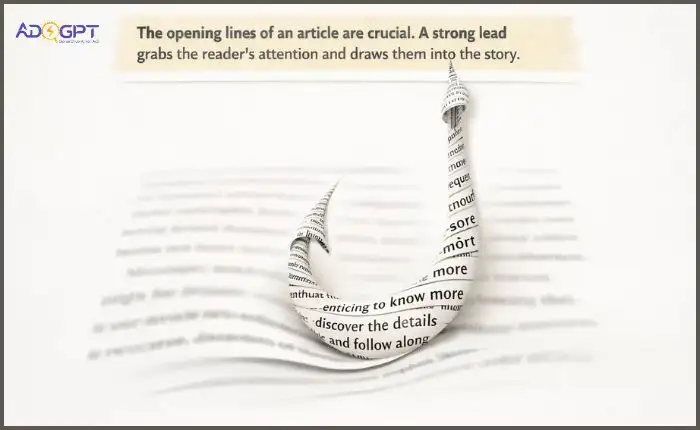
Every great piece of writing begins with a strong lead. A lead serves as the first impression, the hook that captures a reader’s attention and encourages them to keep reading. Whether it’s a news article, blog post, or marketing copy, the effectiveness of a lead can determine the success of the content.
In simple terms, lead writing is about crafting an opening that is both compelling and relevant. A well-written lead draws the reader in, sets the tone for the rest of the piece, and provides a clear idea of what to expect. For businesses, marketers, and content creators, mastering this skill is crucial for engagement, conversions, and building trust with the audience.
In this guide, we’ll explore what is a lead in writing, the different types of leads, practical examples, step-by-step techniques, and common mistakes to avoid. By the end, you’ll have actionable insights to write leads that grab attention every time.
What Is a Lead in Writing?
A lead, sometimes spelled “lede” in journalism, is the opening sentence or paragraph of a piece of writing. Its main purpose is to grab the reader’s attention, introduce the topic, and encourage them to continue reading. Understanding what is a lead in writing is the first step to mastering content that engages effectively.
Leads vary depending on the type of content:
- Journalism: A lead often summarizes the most important facts of a story upfront.
- Marketing or Copywriting: The lead focuses on connecting with the audience, highlighting a problem, or sparking curiosity.
- Blog Posts and Articles: Leads may use storytelling, questions, or interesting statistics to draw readers in.
A strong lead doesn’t just introduce a topic it establishes relevance, sets the tone, and positions the content in a way that resonates with the audience. Effective lead writing ensures that readers stay engaged long enough to absorb the rest of your message.
Types of Leads
Understanding the different types of leads is essential for effective lead writing. Choosing the right style depends on your audience, content type, and the message you want to convey. Here are the most common types:
1. Summary or Straight Leads
- Presents the main point or key facts immediately.
- Often used in news articles or informative blog posts.
- Example: “Sales of electric vehicles increased by 40% in 2025, signaling a shift in consumer preferences.”
2. Anecdotal or Narrative Leads
- Begins with a short story or personal experience.
- Engages readers by creating an emotional connection.
- Example: “When Sarah first tried the new AI tool, she couldn’t believe how much time it saved her daily tasks.”
3. Question Leads
- Starts with a question to spark curiosity.
- Encourages readers to think and continue reading for the answer.
- Example: “Ever wondered why some marketing campaigns succeed while others fail?”
4. Statistic or Fact-Based Leads
- Uses numbers, research, or surprising facts to grab attention.
- Works well for analytical or data-driven content.
- Example: “Over 70% of marketers struggle to create content that truly engages their audience.”
Choosing the right type of lead is crucial. The tone, purpose, and audience all influence which approach will work best. In the next sections, we’ll explore key principles, examples, and step-by-step techniques to master lead writing effectively.
Key Principles of Effective Lead Writing
Writing a compelling lead requires more than just a catchy opening. To master lead writing, it’s essential to follow a few core principles that ensure your introduction resonates with readers and keeps them engaged.
1. Capture Attention Immediately
Your lead should grab the reader from the first sentence. Use intriguing questions, surprising facts, or relatable scenarios that make the audience want to read more.
2. Establish Relevance
A lead should clearly indicate why the content matters. Highlight the benefits or value readers will gain by continuing. This ensures your audience sees the content as useful and worth their time.
3. Set Tone and Style
The lead sets the mood for the rest of your piece. Whether formal, conversational, humorous, or persuasive, the opening should reflect the overall tone and align with your brand voice.
4. Be Clear and Concise
Avoid long-winded or vague openings. A strong lead communicates the main idea quickly, keeping the reader engaged without confusion.
5. Encourage Curiosity
Great leads make readers want to learn more. Pique curiosity with a problem, an interesting angle, or a surprising statement that prompts further reading.
By applying these principles consistently, your lead writing becomes more effective, helping you craft openings that engage, inform, and persuade your audience.
Lead Writing Examples
Seeing examples in action is one of the best ways to understand lead writing. Below are sample leads for different approaches, along with why they work:
1. Summary Lead Example
“Over 60% of businesses now use AI tools to automate daily operations, transforming productivity across industries.”
Why it works: It immediately presents key information and gives the reader a clear understanding of the topic.
2. Anecdotal/Narrative Lead Example
“When Maya first implemented an AI-powered marketing platform, she noticed her team saved hours every week and conversions improved dramatically.”
Why it works: The story creates a personal connection and illustrates the benefit in a relatable way.
3. Question Lead Example
“Have you ever wondered why some headlines instantly grab attention while others go unnoticed?”
Why it works: Engages readers by prompting curiosity and encouraging them to continue reading for answers.
4. Statistic/Fact-Based Lead Example
“Research shows that articles with strong leads are 30% more likely to be read fully than those with weak openings.”
Why it works: Provides credibility and a compelling reason to read further.
Step-by-Step Guide: How to Write a Lead
Creating an engaging lead doesn’t have to be complicated. By following a structured approach, you can consistently craft openings that capture attention and keep readers hooked. Here’s how to master lead writing step by step:
1. Understand Your Audience
Before writing, identify who you’re addressing. What are their interests, pain points, or curiosities? Tailoring your lead to your audience increases engagement and relevance.
2. Choose the Type of Lead
Decide whether a summary, narrative, question, or statistic-based lead fits your content. The type should align with your goal and the tone of your piece.
3. Start With a Hook
The first sentence should grab attention immediately. Use curiosity, urgency, a bold statement, or an interesting fact to pull readers in.
4. Provide Context
Once you have the hook, give enough context so the reader understands the topic. This sets expectations and makes the content easier to follow.
5. Keep It Concise
Strong leads are clear and brief. Avoid overloading the opening with too many details; save depth for the body of the content.
By following these steps, you can consistently write a lead that captures attention, establishes relevance, and sets the stage for the rest of your content.
Also read,
AI Ad Copy Generator: How to Create High-Converting Ads Faster
Common Mistakes in Lead Writing
Even experienced writers can make errors that weaken a lead. Avoiding these common pitfalls will make your lead writing more effective:
1. Being Too Vague or Generic
Leads that are unclear or lack a hook fail to capture attention. Avoid openers like “This article will discuss…” which don’t engage the reader.
2. Overloading With Information
Including too many details in the first sentence can overwhelm readers. Focus on one compelling idea to draw them in.
3. Using Clichés or Overused Phrases
Phrases like “At the end of the day” or “In today’s fast-paced world” are predictable and uninspiring. Aim for originality and freshness.
4. Failing to Connect With the Audience
A lead should resonate with your readers’ needs or interests. If the audience doesn’t relate, they are likely to stop reading.
5. Ignoring Tone and Style
The lead sets the tone for the entire piece. Mismatched tone too formal, too casual, or inconsistent with your brand can confuse readers.
By avoiding these mistakes and applying best practices, your lead writing becomes stronger, clearer, and more engaging.
Advanced Tips for Lead Writing
Once you’ve mastered the basics, these advanced tips can take your lead writing to the next level, making your content even more engaging and effective:
1. Test Different Lead Styles
Experiment with multiple types of leads summary, anecdotal, question, or statistic-based to see which resonates best with your audience. Testing helps identify what drives the most engagement.
2. Make It Emotionally Resonant
Connect with readers on an emotional level by addressing their challenges, desires, or curiosity. Emotional triggers can make a lead more compelling and memorable.
3. Incorporate Strong Keywords Naturally
In digital content, including relevant keywords in your lead improves SEO while keeping it readable. For example, naturally placing lead writing or write a lead can enhance search visibility.
4. Keep Refining and Updating
A lead that worked months ago may lose effectiveness over time. Regularly review and update your openings to keep them fresh and aligned with audience expectations.
5. Use AI Tools When Appropriate
Occasionally, AI-powered writing tools like AdsGPT can help brainstorm lead ideas or variations, especially when facing writer’s block. However, ensure the final lead aligns with your voice and audience.
By applying these advanced strategies, you can consistently craft leads that grab attention, maintain engagement, and drive readers deeper into your content.
Boost Your Lead Writing and Marketing With Smart AI Tools
Writing strong leads is only one part of crafting effective content promoting that content and capturing attention through ads is equally important. That’s where AdsGPT comes in. AdsGPT is an AI-powered advertising platform that helps marketers create high‑performing ad copy and visuals in seconds without needing deep design or copywriting skills.
Here’s what makes AdsGPT a valuable tool for modern marketers:
- AI‑Generated Ad Creatives & Copy: Produce compelling, ready‑to‑publish ad headlines, copy, and visuals tailored to your audience and campaign goals.
- Platform Optimization: The AI ensures ads are optimized for major platforms such as Google, Meta, LinkedIn, Pinterest, and more, saving time on manual adjustments.
- Brand Consistency: Using smart brand memory, AdsGPT applies your logo, tone, and style across creatives so every ad aligns with your identity.
- Bulk and Competitor‑Inspired Creativity: Generate multiple ad variations at once or get inspiration from competitor ads to refine messaging and increase performance.
- Fast and Efficient Workflow: From concept to launch, AdsGPT streamlines the process so you can focus more on strategy and less on repetitive tasks.
By pairing strong lead writing techniques with intelligent ad creation tools like AdsGPT, you can attract attention more effectively and boost engagement across both content and promotional campaigns.
Conclusion
Strong leads are the foundation of any engaging content. By understanding what is a lead in writing, exploring different types, learning from examples, and avoiding common mistakes, you can consistently write openings that capture attention and keep readers hooked. Practice regularly, refine your techniques, and use the right tools when needed to ensure your content starts strong every time.
FAQs
1. How long should a lead be?
Most leads are short and concise, typically 1–3 sentences. The goal is to capture attention immediately without overwhelming the reader with too much information.
2. Can I use AI tools to write leads?
Yes. AI-powered tools like AdsGPT can help brainstorm lead ideas, generate ad copy, and provide inspiration, making it faster to craft compelling openings while maintaining your unique voice.
3. What makes a lead effective?
An effective lead grabs attention, establishes relevance, sets the tone, and encourages curiosity. Avoid vague statements, clichés, or overly long introductions.


MOST POPULAR