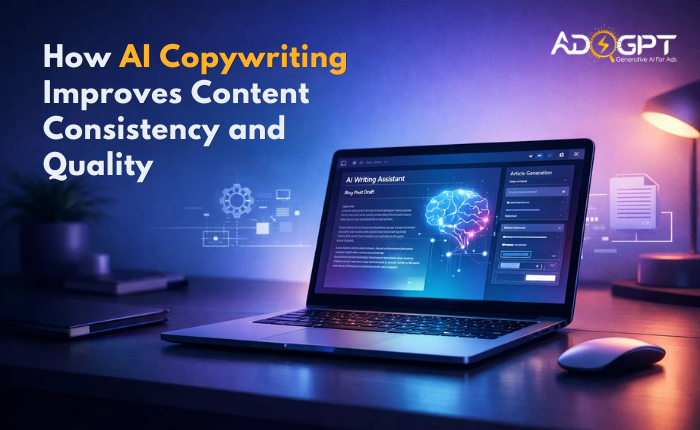
Content today isn’t just about writing; it’s about keeping up. Brands are expected to publish faster, stay consistent across platforms, and still sound human. That’s where AI copywriting steps in, not as a replacement, but as a powerful collaborator.
If you’ve ever struggled with maintaining tone across blogs, emails, and social media or found yourself rewriting the same ideas repeatedly, you’re not alone. The real challenge isn’t just creating content; it’s creating consistent, high-quality content at scale.
Let’s break down how AI copywriting is solving this problem and why it’s becoming a core part of modern content strategies.
In a hurry? Listen to the blog instead!
What Is AI Copywriting?
At its core, AI copywriting refers to using artificial intelligence to assist in writing, editing, optimizing, and scaling content. From generating first drafts to refining tone and improving readability, AI tools act as an extension of your creative process.
But here’s the key:
AI doesn’t replace creativity; it just amplifies the original content.
Instead of spending hours staring at a blank page, you get a structured starting point. Instead of worrying about consistency, you get a system that aligns everything with your brand voice.
The Real Problem: Why Consistency and Quality Are Hard to Maintain
Before diving into solutions, it’s important to understand the challenge.
Most content teams struggle with:
- Inconsistent tone across different writers
- Time pressure leading to rushed, low-quality content
- Difficulty scaling content without losing brand voice
- Repetitive manual tasks that drain creative energy
- Lack of structured workflows across teams
This is exactly where copywriting AI tools create a massive impact.
How AI Copywriting Improves Content Consistency
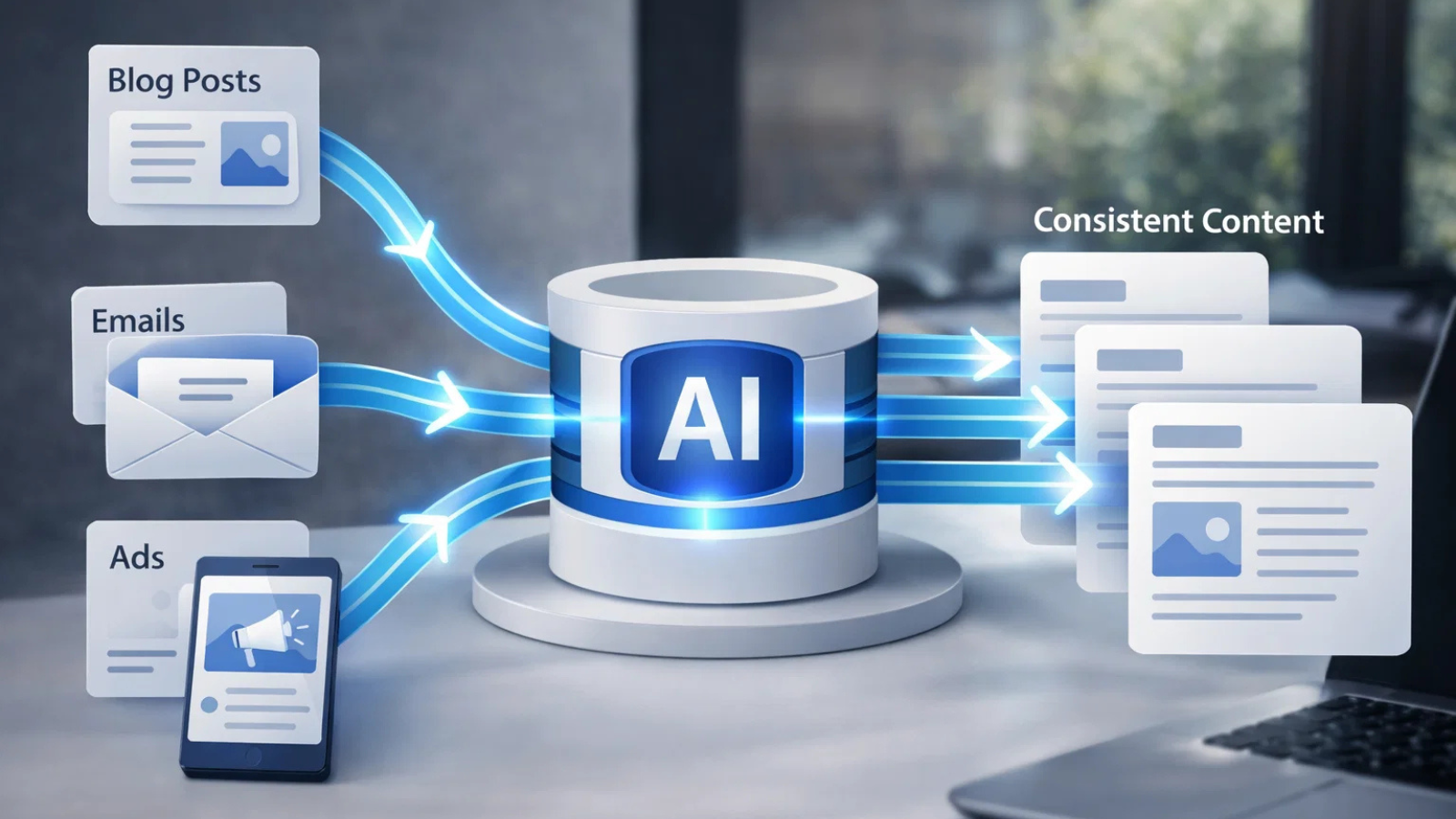
Consistency isn’t just about using the same words; it’s about delivering a unified brand experience across every touchpoint.
1. Maintains a Uniform Brand Voice
One of the biggest advantages of AI copywriting tools is their ability to follow predefined brand guidelines.
You can train AI with:
- Tone (professional, conversational, witty)
- Vocabulary preferences
- Sentence structure
- Messaging style
Once set, the AI applies these rules across all content: blogs, emails, ads, and more.
👉 Result: Your brand sounds the same everywhere, no matter who’s writing.
2. Eliminates Tone Shifts Across Teams
When multiple writers are involved, inconsistency is almost inevitable.
With the best AI copywriting tools, you can:
- Standardize tone across contributors.
- Ensure alignment with brand messaging.
- Reduce editing time significantly.
This is especially useful for agencies and growing marketing teams.
3. Creates Repeatable Content Frameworks
AI thrives on structure.
Instead of reinventing the wheel every time, you can:
- Build reusable templates
- Generate consistent blog formats
- Maintain structure across campaigns
👉 This ensures every piece of content meets a certain quality benchmark.
4. Enables Cross-Channel Consistency
Maintaining consistency across platforms is one of the hardest challenges in marketing.
AI helps you:
- Adapt the same message for blogs, emails, and social media
- Keep tone aligned while adjusting format
- Maintain brand identity across multiple channels
👉 Your audience gets a seamless experience everywhere they interact with your brand.
How AI Copywriting Enhances Content Quality

Consistency is just one side of the story. The real power of AI copywriting lies in improving the overall quality of your content.
1. Stronger First Drafts, Faster
AI can generate structured, relevant first drafts in minutes.
Instead of starting from scratch, you:
- Start with a clear outline
- Get fully written sections instantly
- Focus on refining rather than creating
👉 This shifts your role from writer to editor-strategist.
2. Improves Clarity and Readability
Good content is easy to read.
Copywriting AI tools can:
- Simplify complex sentences
- Remove fluff
- Improve flow and structure
You can even prompt:
“Make this more concise and engaging for marketers.”
And instantly improve readability.
3. Helps Overcome Writer’s Block
Every writer hits a wall.
AI helps you move forward by:
- Suggesting new angles
- Generating headlines
- Offering alternative phrasing
Even if the output isn’t perfect, it gives you momentum, and that’s often all you need.
4. Enhances Editing and Proofreading
AI acts like a second pair of eyes.
It can:
- Catch grammar mistakes
- Identify repetition
- Suggest improvements in tone
👉 This leads to cleaner, more polished content with less effort.
5. Data-Driven Content Improvements
Unlike traditional writing, AI can incorporate data into the process.
It helps:
- Align content with search intent
- Suggest keyword placement
- Improve structure for SEO
👉 This ensures your content isn’t just well-written; it performs.
The Role of AI Copywriting Tools in Content Workflows
To fully understand the impact, let’s look at how AI copywriting tools fit into the actual workflow.
1. Research and Insights
AI can:
- Summarize long articles
- Explain complex topics
- Highlight key trends
This reduces research time and helps you get started faster.
2. Ideation and Brainstorming
Instead of struggling for ideas, you can:
- Generate blog topics
- Explore multiple angles
- Test different content directions
👉 It’s like having a brainstorming partner available 24/7.
3. Drafting Content
AI excels at:
- Blog drafts
- Email copy
- Social media captions
- Ad creatives
You provide direction; it builds the structure.
4. Editing and Optimization
This is where quality improves the most.
AI helps:
- Refine tone
- Improve flow
- Optimize for SEO
- Add structure (headings, bullet points)
5. Repurposing Content
One blog can become:
- 5 LinkedIn posts
- 3 email campaigns
- 10 social media captions
👉 AI makes content multiplication effortless.
Best AI Copywriting Tools to Consider
When it comes to choosing the best AI copywriting tools, it’s not about using everything; it’s about using the right ones effectively.
While these tools are great for general content creation, advertising comes with its own challenges: speed, platform-specific formats, and performance-driven messaging. This is where tools like AdsGPT stand out. Designed specifically for ad creation, it helps marketers generate high-performing ad copy along with platform-ready creatives, making it easier to launch, test, and scale campaigns without relying on multiple tools or teams.
Here’s a quick comparison to help you understand their strengths:
| Tool | Best For | Key Strength | Ideal Use Case |
| ChatGPT | Writing & ideation | Versatile and creative | Blogs, ads, general content |
| Gemini | Research & accuracy | Fact-checking and structured output | Data-heavy content |
| Claude | Natural writing tone | Human-like, conversational output | Long-form blogs, storytelling |
| Copilot | Workflow integration | Works inside Microsoft tools | Emails, documents, presentations |
| AdsGPT | Ad creatives & performance copy | Bulk ad generation + platform optimization | Meta, Google, LinkedIn ads |
How AdsGPT Elevates AI Copywriting for Advertising
While most AI copywriting tools focus on blogs, emails, and general content, advertising requires a different level of precision: speed, creativity, and performance-driven output.
This is where AdsGPT stands out.
Built specifically for marketers, AdsGPT combines AI copywriting with ad creative generation, allowing you to create complete, high-performing ads in seconds without relying on separate tools or teams.
What Makes AdsGPT Different?
Unlike traditional tools, AdsGPT doesn’t just generate text; it builds ready-to-launch ads.
Here’s what it brings to the table:
- Instant Ad Copy Generation
Create compelling, platform-specific ad copy for Meta, Google, LinkedIn, and more within seconds. - Bulk Creative Generation
Generate multiple ad creatives at once, making A/B testing faster and more effective. - Smart Brand Memory
Store your brand details once, and AdsGPT ensures every output stays consistent with your voice and identity. - Competitor-Inspired Ads
Input a competitor’s ad and let AI generate improved, customized versions tailored to your brand. - Platform-Specific Optimization
Each ad is optimized for placement, format, and performance across different platforms.
With AdsGPT:
- You can launch 100+ ads in under a minute
- No dependency on designers or copywriters
- Faster experimentation and optimization
👉 This makes it a powerful extension of your AI copywriting workflow.
If general copywriting AI tools help you write better content, AdsGPT helps you turn that content into high-performing ads at scale.
It bridges the gap between content creation and conversion, making it an essential tool for modern marketers looking to move faster without sacrificing quality.
Real-World Use Cases of AI Copywriting
To truly understand its impact, here’s how businesses are using AI copywriting in real scenarios:
-
Blog Content at Scale
Companies are producing high-quality blogs consistently without increasing team size.
-
Email Personalization
AI helps tailor emails based on user behavior, improving open and conversion rates.
-
Social Media Content
Brands maintain daily posting schedules without compromising quality.
-
Product Descriptions
E-commerce platforms generate SEO-friendly descriptions at scale.
-
Content Localization
AI adapts content for different regions while maintaining brand tone.
Read More:
How To Boost Productivity With AI Copywriting Assistant?
How AI Ad Copywriting Can Skyrocket Your Social Media Engagement?
The “AI + Human” Formula That Actually Works
The biggest mistake people make?
Expecting AI to do everything.
The real magic happens with a hybrid approach:
Step 1: Human Input
- Strategy
- Audience understanding
- Content direction
Step 2: AI Execution
- Drafting
- Structuring
- Expanding ideas
Step 3: Human Refinement
- Adding emotion
- Personal insights
- Brand storytelling
👉 Think of AI as the engine, but you’re still the driver.
Common Mistakes to Avoid
Even with the best AI copywriting tools, results depend on how you use them.
Avoid these pitfalls:
❌ Copy-pasting AI content without editing
❌ Ignoring fact-checking
❌ Overusing generic prompts
❌ Losing your unique brand voice
❌ Relying on AI without clear direction
AI should support your writing, not replace your thinking.
The Future of AI Copywriting
AI is evolving fast, and so is its role in content creation.
In the near future, expect:
- Hyper-personalized content at scale
- Real-time content optimization
- Deeper integration with marketing tools
- More human-like and context-aware outputs
👉 The gap between human and AI-generated content will continue to shrink, but strategy will remain human-led.
Why AI Copywriting Is Essential for Scaling Content
As content demand continues to grow, manual workflows simply can’t keep up.
AI copywriting helps you:
- Scale content production without burnout
- Maintain consistency across channels
- Improve quality without increasing workload
- Focus on strategy instead of repetitive tasks
👉 It’s not just a productivity tool; it’s a competitive advantage.
Final Thoughts
The future of content isn’t AI vs humans; it’s AI with humans.
AI copywriting is changing how content is created, refined, and scaled. It removes friction from the process, allowing you to focus on what truly matters: ideas, storytelling, and connection.
When used correctly, copywriting AI tools don’t dilute creativity; they enhance it.
So instead of asking, “Will AI replace copywriters?”
A better question is:
“How can I use AI copywriting to become a better one?”
FAQs: –
1. What is AI copywriting?
AI copywriting is the use of artificial intelligence to create, edit, and optimize content such as blogs, ads, emails, and social media posts. It helps writers generate ideas, improve consistency, and produce high-quality content faster.
2. How does AI copywriting improve content consistency?
AI copywriting tools follow predefined brand guidelines like tone, style, and messaging. This ensures that all content across blogs, emails, and ads maintains a consistent voice, even when multiple writers are involved.
3. What are the best AI copywriting tools?
Some of the best AI copywriting tools include ChatGPT, Gemini, Claude, and Copilot. For advertising-specific needs, tools like AdsGPT help create high-performing ad copy and creatives tailored for different platforms.
4. Can AI copywriting replace human writers?
No, AI copywriting is designed to assist, not replace human writers. While it can generate drafts and improve efficiency, human creativity, strategy, and emotional intelligence are still essential for impactful content.
5. Is AI copywriting good for SEO?
Yes, AI copywriting helps optimize content for search engines by improving keyword usage, readability, structure, and search intent alignment, making your content more discoverable and engaging.

MOST POPULAR