Some businesses spend a hundred dollars and walk away with thousands in sales. Others spend thousands and get almost nothing back. The difference usually isn’t the budget. It’s how well they understand paid ads and use them with a real strategy behind every dollar.
Organic growth is slow by nature. You publish content and wait for search engines to notice you, and that can take months before it produces steady traffic. Paid advertising skips that wait, putting your business in front of people already looking for what you sell.
This guide breaks down how the system works, the ad formats available, and how to build campaigns that convert instead of draining your budget.
Quick Answer: What Are Paid Ads
Paid ads are advertisements that businesses pay to display across search engines, social platforms, and other websites, targeting audiences based on interests, behavior, or intent. Unlike organic content, results appear almost immediately once a campaign launches. Common formats include search ads, display ads, social ads, and video ads, each suited to different goals.
Why They Deliver Faster Results Than Organic Marketing
The biggest advantage here is timing. Instead of earning visibility over weeks, you’re buying it the moment your campaign goes live.
How the Platforms Work
Platforms like Google Ads and Meta Ads run on an auction. Advertisers bid for space, and the platform awards it based on bid amount, ad quality, and relevance. A smaller budget with a sharper message can beat a bigger budget with a generic one.
The Role of Audience Targeting
Every platform lets you narrow who sees your ad by location, age, interests, or past behavior. This precision is something organic reach can’t match.
Why Businesses See Faster ROI
Because you control who sees the ad and when, results show up within days. That doesn’t mean instant profit, but it means instant data you can use to refine and improve.
Types of Paid Ads and When to Use Each One
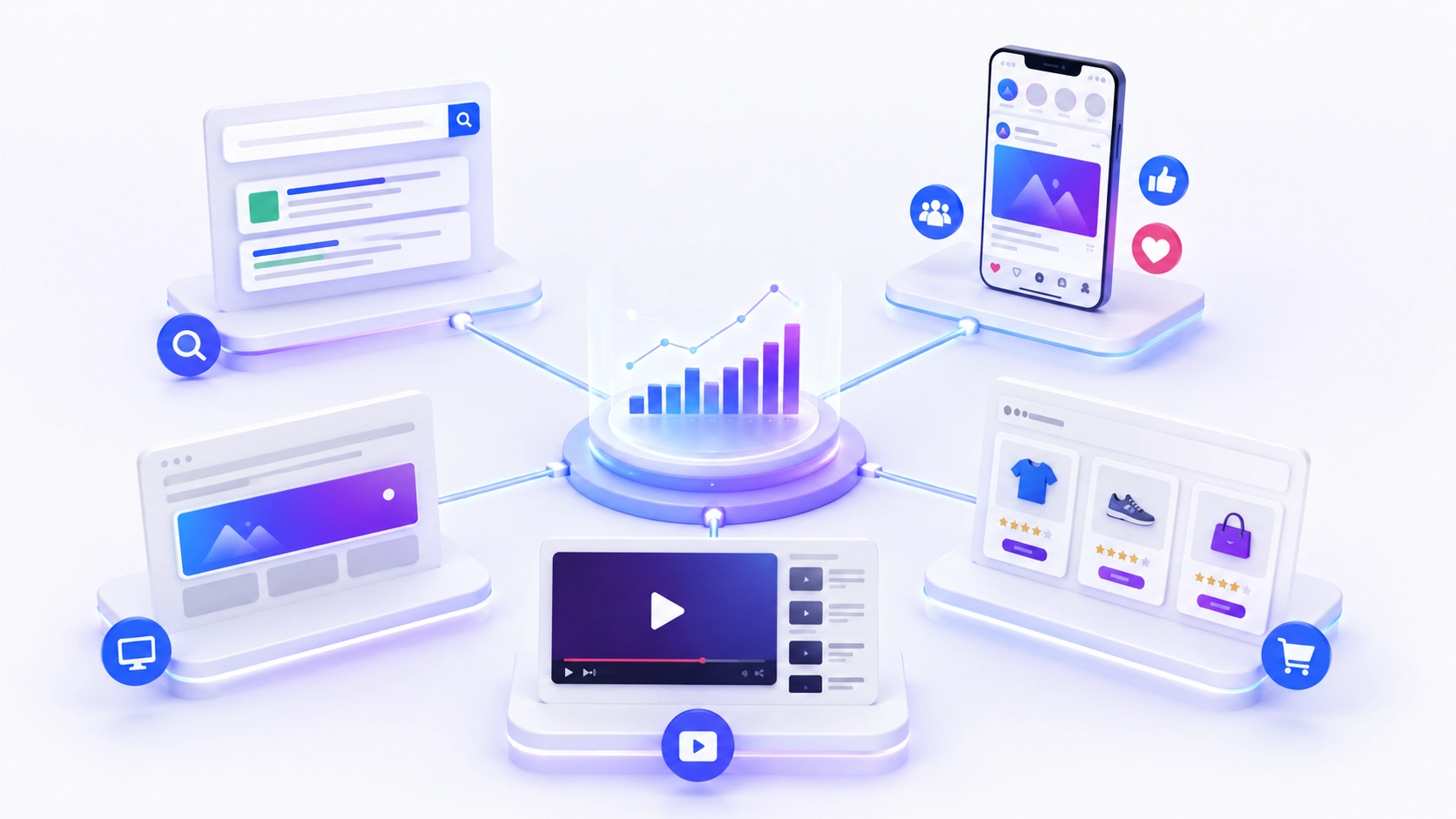
Not every format fits every goal. Choosing the wrong one wastes budget fast.
Search Paid Ads
These appear at the top of search results and suit people actively searching for a solution. Paid search ads work best for high-intent keywords where someone is ready to buy.
Display Ads
Display ads show up as banners across websites and apps. They suit brand awareness better than immediate action, since viewers usually aren’t actively searching.
Social Media Ads
Social platforms target based on interests and behavior rather than search intent. These paid media ads work well for storytelling and reaching people before they know they need you.
Video Ads
Video builds trust faster than static images or text, especially for explaining complex products or building an emotional connection.
Shopping Ads
These show product images, prices, and reviews directly in search results. E-commerce brands rely on this format heavily since it shortens the path to purchase.
Remarketing Ads
Remarketing targets people who have already visited your site but didn’t convert. Since they already know your brand, these campaigns typically return more than cold audiences.
Quick guide: for brand awareness, lean toward display or video. For lead generation, search usually performs best. For e-commerce, pair shopping with remarketing. For app installs, social with video creative tends to work well.
How Paid Ads Actually Work Behind the Scenes

Understanding the mechanics helps you make smarter decisions instead of guessing.
Keyword and Audience Targeting
For search campaigns, you choose keywords that trigger your ad. Picking keywords matching real buyer intent matters more than chasing high search volume. Beyond that, platforms let you layer in demographics and behavior to reach the right person, not just anyone searching a term.
Ad Auctions and Quality Score
Every time someone searches or scrolls, an auction happens in milliseconds. Your bid, combined with relevance, decides whether you win that placement. Platforms reward relevant, useful ads with lower costs and better positions. A poorly matched ad pays more for worse placement, even with a higher bid.
Budget and Bidding Models
Three pricing models show up most: CPC (cost per click), CPM (cost per thousand impressions), and CPA (cost per acquisition). CPC suits action-driven campaigns, CPM fits awareness goals, and CPA works once you have enough data to optimize toward conversions.
How to Run Campaigns That Actually Convert
Launching a campaign is easy. Building one that converts consistently takes more thought.
Start by defining your goal clearly, whether that’s leads, sales, or awareness, since every setting downstream depends on it. Choose an audience narrow enough to be relevant but wide enough to scale.
Your copy needs to speak directly to a problem or desire your audience already has. Vague messaging rarely performs well. Pair that with a creative that stops the scroll, whether a bold image, short video, or striking headline.
Even a great ad fails if it sends traffic to a weak landing page. Match the page to the ad’s promise and keep it fast. Finally, track performance closely and adjust based on real numbers. If you’re wondering how to run paid social media ads, this same process applies, just adapted to each platform’s tools.
Read More!
Where Businesses Use Them Most Successfully
E-commerce brands lean on shopping and remarketing to shorten the buying cycle, while SaaS companies often use search campaigns to capture people actively comparing tools.
Local businesses benefit from geo-targeted social campaigns, healthcare providers move carefully with trust-building content, education brands lean on video to explain programs, and B2B companies favor search and professional networks for lead generation.
The Biggest Mistakes That Waste Budget
Most failed campaigns share the same handful of problems.
- Weak audience segmentation, targeting too broad or too narrow
- Ignoring creative testing, running one ad for months unchanged
- Sending traffic to landing pages that don’t match the message
- Tracking vanity metrics instead of actual conversions
- Scaling spend too early, before the campaign has proven itself
- Reusing the same creative until performance quietly declines
Avoiding these mistakes matters more than increasing spend. A well-targeted, well-tested campaign at a modest budget usually beats a careless one with a bigger budget.
How AdsGPT Makes Creating High-Performing Ads Easier
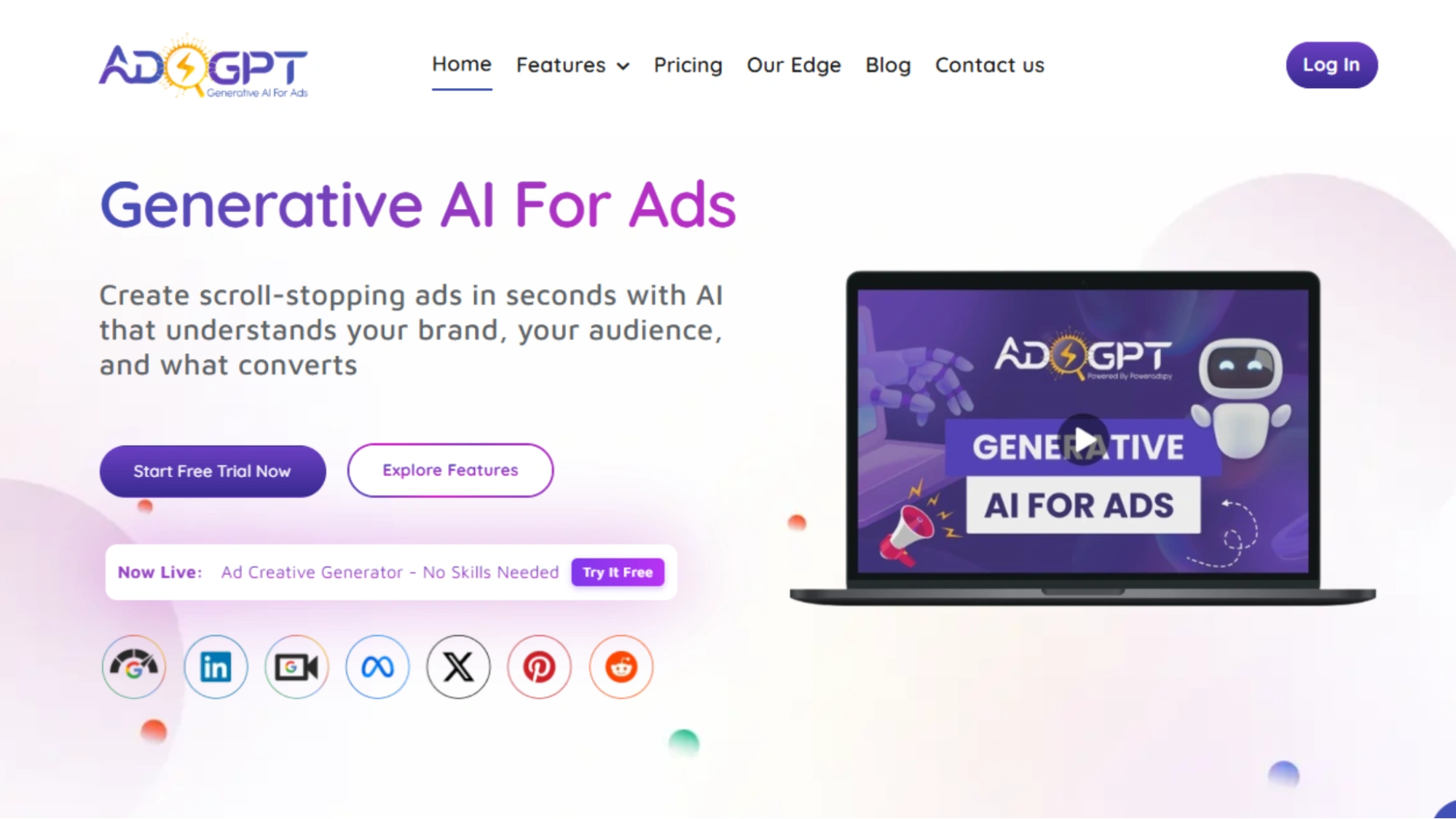
Launching successful paid ads takes more than a good idea. Marketers need fresh creatives, compelling copy, and continuous optimization to keep campaigns performing. AI-powered tools like AdsGPT simplify this process by helping teams create and refine ads faster without sacrificing quality.
Key Features of AdsGPT
- AI-powered ad copy generation for headlines, descriptions, and calls to action.
- Platform-specific creatives optimized for Google Ads, Meta, LinkedIn, TikTok, and other major advertising channels.
- Multiple ad variations to support A/B testing and improve campaign performance.
- AI-generated image, video, UGC, and avatar ads for diverse advertising formats.
- Competitor ad insights to discover trends and inspire new campaign ideas.
- Brand-aware content creation that keeps messaging and visuals consistent across campaigns.
- Bulk creative generation to scale campaigns quickly while saving time.
- Campaign optimization suggestions that help refine targeting, creatives, and overall performance.
Whether you’re launching your first campaign or managing ads across multiple platforms, AdsGPT helps reduce manual work so you can focus on strategy, testing, and achieving better results from your advertising budget.
Why Psychology Matters More Than Budget
Two campaigns with identical budgets can produce wildly different results. The difference almost always comes down to psychology, not spending.
Buyer intent shapes how a message should be framed. Someone searching for a solution needs different messaging than someone scrolling social media with no immediate need. Emotional triggers, like urgency or curiosity, often drive clicks more than logical arguments do.
Social proof builds trust quickly, scarcity nudges hesitant buyers toward action, and trust signals like clear guarantees reduce the friction that stops people from converting.
Ultimately, message-to-market fit determines success more than budget size. A campaign speaking directly to what the audience already wants will outperform one that simply spends more without that alignment.
Conclusion
Paid ads remain one of the fastest ways to generate visibility and growth, especially as organic reach keeps shrinking. But speed alone doesn’t guarantee results.
Success comes down to choosing the right format for your goal, targeting the right audience, and refining campaigns based on real data rather than guesswork. Apply the frameworks covered here before increasing your budget. Getting the strategy right will do more for your results than any amount of extra spend.
FAQ
What are paid ads in digital marketing?
Advertisements businesses pay to run across search engines, social platforms, and other sites to reach targeted audiences quickly.
How do paid ads work?
Through an auction system where advertisers bid for placement, and platforms award space based on bid amount and relevance.
What is the difference between paid ads and SEO?
Paid campaigns deliver immediate visibility through payment, while SEO builds organic traffic gradually through content and rankings.
Which platform is best for paid ads?
It depends on your goal. Search suits high-intent buyers, while social platforms suit awareness and discovery.
How much do paid ads typically cost?
Costs vary by industry and platform, typically priced through CPC, CPM, or CPA models based on objectives.
Are paid ads worth it for small businesses?
Yes, when campaigns are targeted well and paired with strong landing pages, even modest budgets can produce meaningful returns.
MOST POPULAR