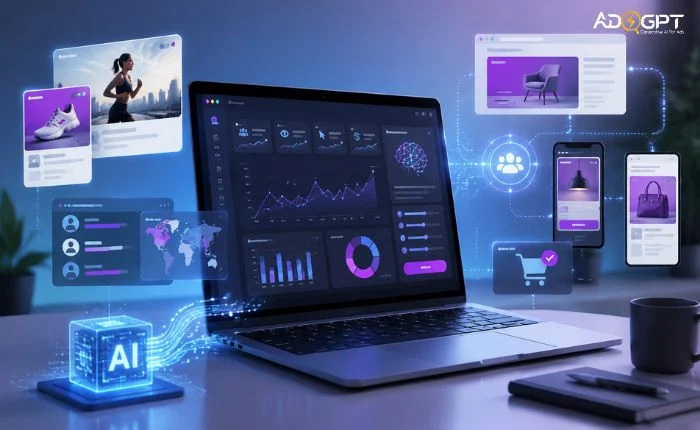
Now suggest to me a blog content of 1200-1500 words that helps marketers actually understand and apply digital display advertising the right way. Whether you are a small business owner or a growth marketer, mastering digital display advertising in 2026 means combining smart creative, the right ad platforms, and data-driven optimization.
Display ads are no longer just static banners; they have evolved into dynamic, AI-powered, highly targeted experiences that follow users across the web. This guide breaks down exactly what digital advertising is, how to use it effectively, and how tools like AdsGPT are making the entire process faster and smarter for marketers everywhere.
Listen To The Podcast Now!
What Is Digital Display Advertising?
What is digital display advertising? In simple terms, it’s a form of online advertising that uses visual ad units, images, banners, videos, or rich media, placed on websites, apps, and social platforms to promote a product or service. Unlike search ads that target intent-based keywords, digital advertising focuses on visual storytelling and brand visibility, reaching audiences while they browse content, watch videos, or scroll social feeds.
Digital advertising works through ad networks like Google Display Network, Meta, and programmatic exchanges that place your ad in front of relevant audiences based on demographics, interests, and browsing behavior. It’s a powerful way to build brand awareness, retarget website visitors, and drive conversions at scale, making it one of the most flexible advertising formats available today for businesses of every size.
Why Digital Display Advertising Matters in 2026?
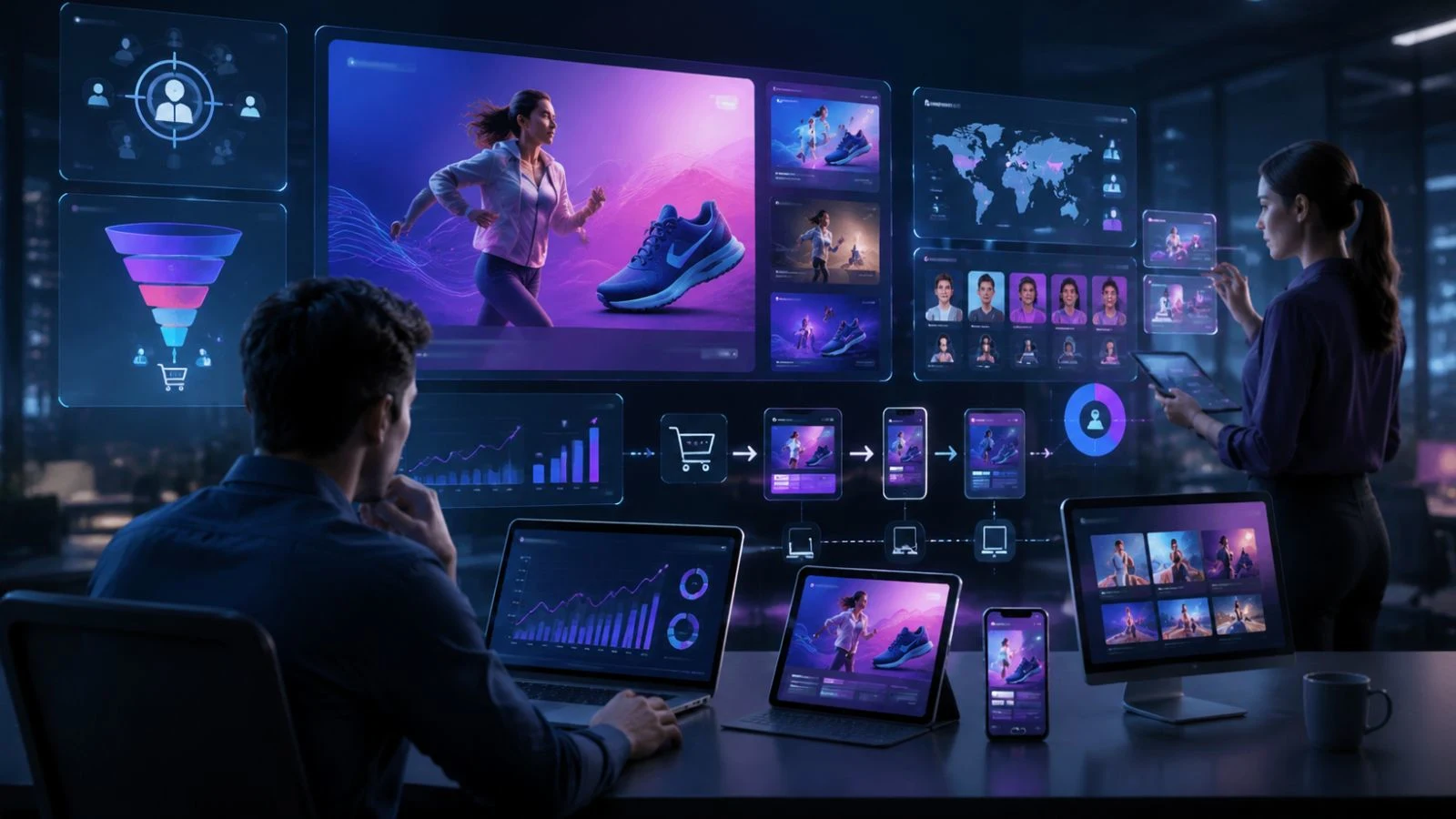
Digital advertising continues to dominate online marketing budgets because it offers unmatched reach and visual impact. With more screens, more platforms, and more consumer attention split across devices, digital advertising allows brands to stay visible wherever their audience goes. From retargeting Campaigns that bring back abandoned-cart shoppers to upper-funnel awareness campaigns, digital advertising plays a role at every stage of the customer journey.
In 2026, AI-driven personalization has made digital advertising even more effective than before. Ads can now be dynamically generated and adjusted based on user behavior, device type, and even real-time context, making every impression count. Brands that master digital display advertising today are positioning themselves for stronger ROI tomorrow, while competitors relying on outdated, generic creative fall further behind in engagement and conversions.
Best Practices to Master Digital Display Advertising:
To succeed with digital advertising, marketers need a clear strategy from day one. Start by defining your campaign goal, whether it’s brand awareness, retargeting, or direct conversions, since this shapes your creative and targeting approach. Strong digital advertising also depends on visual quality: scroll-stopping creatives, clear CTAs, and brand-consistent design perform far better than generic banners that blend into the background.
Audience targeting is another pillar of effective digital advertising. Use behavioral, demographic, and contextual targeting to ensure your ads reach the right people at the right moment. Don’t ignore creative testing either; running multiple variations of your digital advertising campaigns helps identify what resonates best with your audience over time. Finally, always optimize for placement, whether that’s a website banner, in-app unit, or a digital display screen for advertising in physical retail and public spaces, since each format demands slightly different creative dimensions and messaging.
Common Mistakes to Avoid:
Even experienced marketers make avoidable errors in digital advertising. Overloading creatives with too much text reduces clarity and hurts performance, since most viewers glance at a banner for only a second or two. Ignoring mobile-first design is another common mistake, as a large share of digital advertising impressions now happen on smartphones.
Many campaigns also fail because they skip retargeting entirely, missing the chance to re-engage warm leads. Lastly, neglecting performance data leads to wasted spend; reviewing click-through rates and conversion metrics weekly keeps digital display advertising campaigns sharp and cost-efficient.
Also Read:
How Does AdsGPT Make Digital Display Advertising Easier?
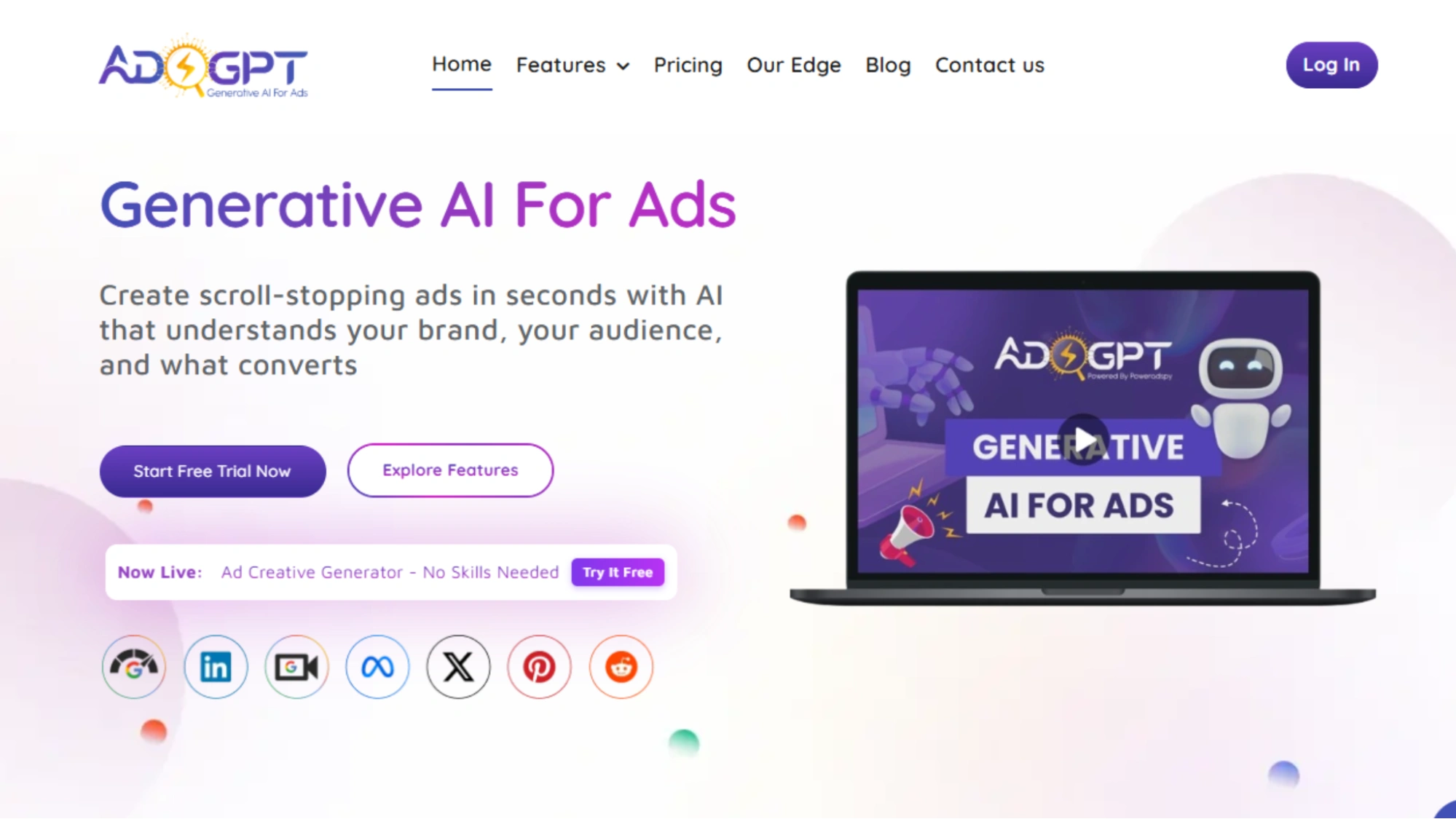
Creating high-performing digital advertising campaigns used to require designers, copywriters, and weeks of production time. AdsGPT removes that bottleneck by turning a single prompt into dozens of platform-ready ad creatives in under 60 seconds, built specifically for networks like Google Display, Meta, LinkedIn, and Pinterest.
Here’s how AdsGPT supports your digital advertising strategy:
- AI Ad Creatives – Generate scroll-stopping image ads in every required ratio and style, batch-generated up to five at once
- Competitor Intel – Search any brand and view its live ads across a 500M+ database to inspire winning digital display advertising creatives
- BrandIQ – Stores your logo, colors, and tone so every creative automatically stays on-brand
- Ad Factory – Bulk-generates hundreds of on-brand variations across formats and platforms at once
- Free Plan Access – Start with 35 free creatives, no credit card required
For marketers looking to scale digital advertising output without scaling their team, AdsGPT offers a practical, AI-powered shortcut that fits naturally into existing workflows.
Learning From Advertisement Examples:
Studying real advertisement examples is one of the fastest ways to improve your own digital advertising results. Look at how top brands use bold visuals, minimal text, and clear value propositions in their banners. E-commerce brands often use product-focused imagery with urgency-driven CTAs, while SaaS companies lean on clean, benefit-led messaging. Analyzing successful advertisement examples within your industry helps you understand what design choices, colors, and copy actually drive clicks, giving you a practical benchmark before launching your own digital advertising campaigns confidently.
Choosing the Right Platforms for Digital Display Advertising:
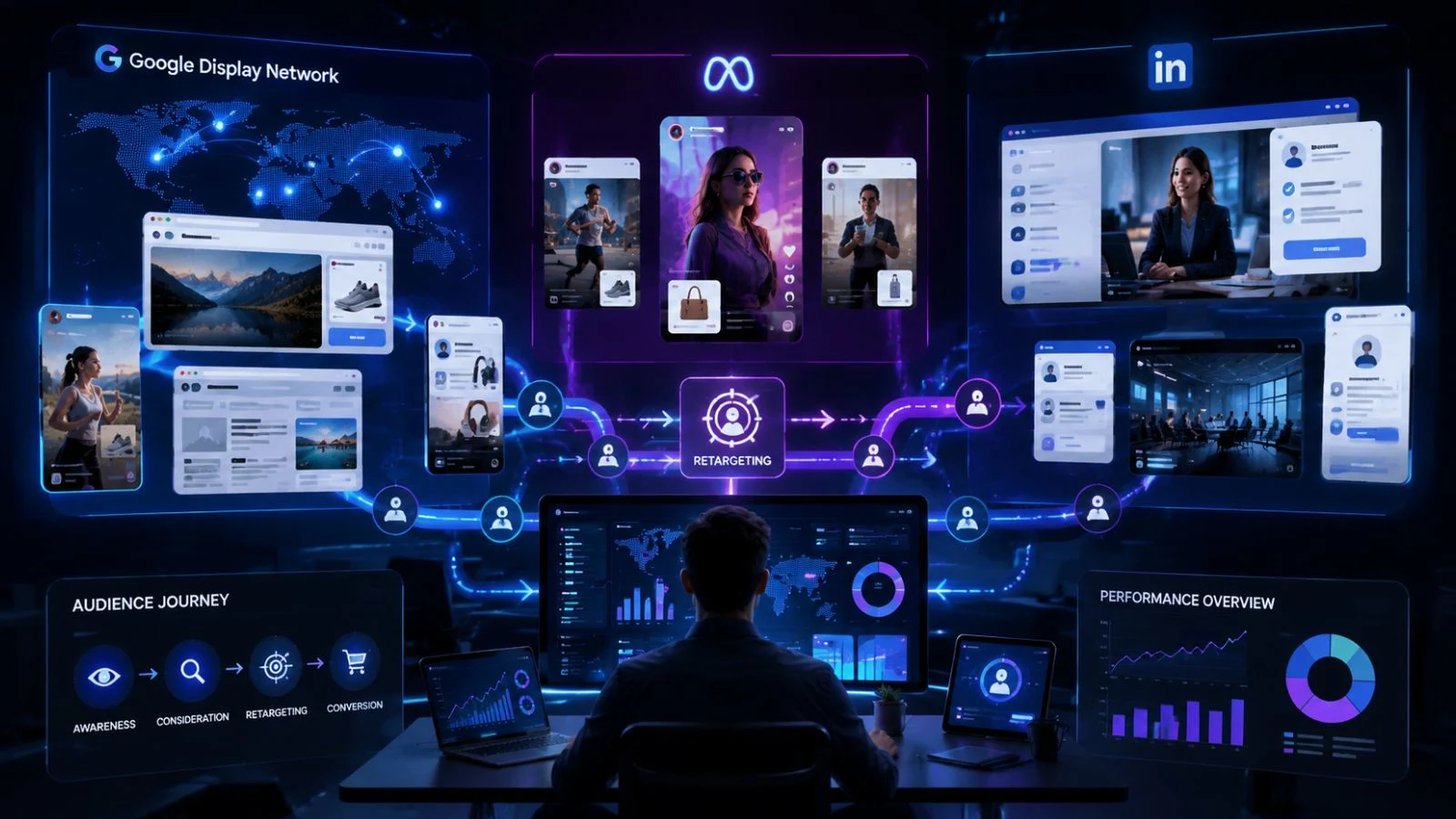
Not every platform suits every brand. Google Display Network offers massive reach across millions of websites and apps, making it ideal for broad awareness campaigns. Meta’s display inventory works well for visually driven, emotionally engaging ads, while LinkedIn display ads suit B2B targeting and lead generation.
Successful digital advertising strategies often combine multiple platforms, allowing brands to retarget the same audience across different touchpoints throughout their buying journey. Testing platform performance regularly ensures your budget goes toward the channels delivering the strongest returns, rather than spreading spend too thin across underperforming placements that drain resources.
Measuring Success in Digital Display Advertising:
No digital advertising strategy is complete without proper measurement. Track click-through rate, viewability, and conversion rate to understand how your ads actually perform, not just how many impressions they generate. Attribution modeling also matters, since digital advertising often supports conversions that happen later through other channels. Setting up clear benchmarks before launch makes it easier to judge whether a campaign is genuinely succeeding or simply consuming budget without a meaningful return.
Conclusion:
Mastering digital advertising in 2026 comes down to combining strong creative, precise targeting, and continuous optimization. As formats evolve and AI tools simplify production, brands that adapt quickly will capture more attention and stronger ROI than those relying on outdated methods.
Whether you’re scaling campaigns across multiple platforms or refining a single retargeting funnel, the fundamentals of digital advertising remain the same: relevant creative reaching the right audience at the right moment, backed by consistent testing and data-driven decisions throughout every campaign cycle.
FAQs:
Q1. What is digital display advertising used for?
Ans: It’s primarily used for brand awareness, retargeting website visitors, and driving conversions through visual ads placed across websites, apps, and platforms.
Q2. How is a digital display screen for advertising different from online banners?
Ans: A digital display screen for advertising refers to physical screens in malls, transit hubs, or stores, while online banners run on websites and apps.
Q3. Can small businesses use digital display advertising effectively?
Ans: Yes, with tools like AdsGPT, small businesses can create professional campaigns quickly without large design teams or big budgets.
Q4. What makes a good advertisement example for display ads?
Ans: Strong advertisement examples use minimal text, bold visuals, and a clear CTA that immediately communicates value to the viewer.
Q5. How often should I update display ad creatives?
Ans: Refresh creatives every two to four weeks to avoid ad fatigue and keep digital advertising performance consistent.

MOST POPULAR