
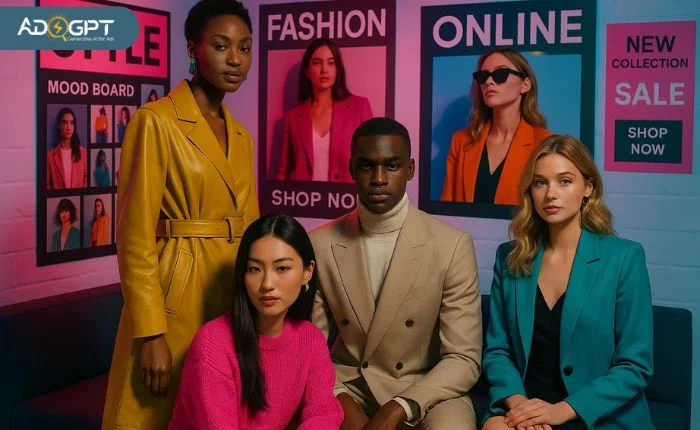
Fashion advertising has become one of the strongest forces shaping how modern brands grow, connect, and sell. Today’s shoppers don’t just buy clothes; they buy identity, confidence, and a lifestyle. That’s why fashion advertising along with modern ecommerce advertising, plays a major role in helping brands stand out in a space filled with endless choices.
From fast-paced trends to viral moments on social media, the fashion world moves more quickly than almost any other industry. A single trend can explode overnight, and a well-crafted ad can turn a small clothing label into a recognisable brand. This is also why clothing businesses, big or small, invest so much time and creativity in shaping the way they present themselves to their audience.
In a world where people form opinions in seconds, the right visuals, emotions, and storytelling can make all the difference. Fashion ads don’t just sell products; they shape culture, inspire confidence, and build long-term brand loyalty. And for modern brands, staying relevant means understanding how these ad styles influence buying decisions every day.
What Makes Fashion Advertising Unique?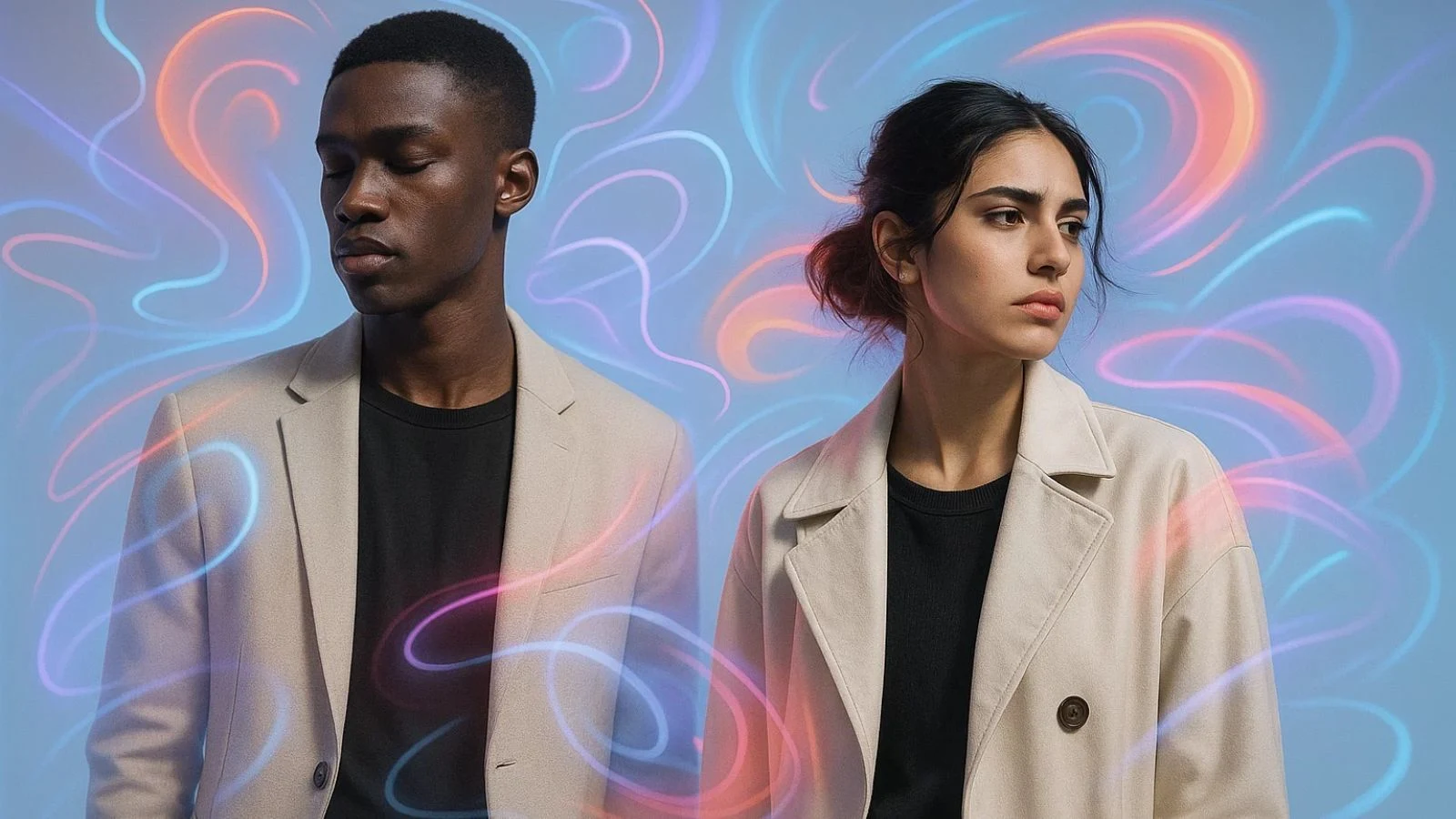
Fashion advertising stands apart from most types of marketing because it relies heavily on creativity, emotion, and strong visual identity. Unlike many other products, clothing isn’t just about utility; it’s about self-expression. People choose outfits that match their mood, represent their personality, or align with a lifestyle they aspire to. This makes fashion advertising deeply emotional and highly visual.
What really sets it apart is the speed at which trends shift. One moment, oversized fits are everywhere, and the next week, minimal styles take over. Brands must keep up with these changes quickly. That’s why fashion ads focus on bold visuals, fresh concepts, and timely aesthetics that match what customers are currently loving.
Another unique element is how fashion brands build a world around their products. Instead of simply showing a shirt or a pair of shoes, they create a story about who wears it, where they’re going, and how it makes them feel. This storytelling approach helps people imagine themselves in the outfit, making the ad more memorable.
Even the platforms used make it different. Fashion brands thrive on places like Instagram, TikTok, and Pinterest because audiences scroll for inspiration. A single scroll-worthy image can pull someone into the brand instantly. That power of first impression is what keeps fashion ad campaigns so dynamic and competitive.
The Psychology Behind Fashion Buying
Behind every purchase, there’s a feeling people are chasing. That’s why fashion advertising works so well; it taps directly into emotions, identity, and personal expression. When someone chooses an outfit, they’re not just picking fabric. They’re choosing how they want the world to see them.
Colors play a big role, too. Warm tones can feel bold and confident, while soft colors feel calm and elegant. Fashion ads often use specific color palettes to trigger those exact emotions. This makes viewers relate to the mood even before they notice the outfit itself.
Another big influence is aspiration. People look at models, influencers, or everyday creators and imagine themselves living that lifestyle. Clothing brand ads use this idea to show what life “could” look like with their products. Maybe it’s a cozy afternoon, a big city moment, or a dreamy vacation vibe. Whatever the message is, it connects to a deeper desire.
Identity is another psychological driver. Many people choose clothes that align with their personal style, such as minimal, edgy, vintage, street, or luxury. A great fashion ad campaign clearly highlights identity, so the right audience instantly feels, “This is for me.” This emotional connection is what helps brands turn style into sales.
And then there’s social proof. When people see others wearing something, especially online, it creates curiosity and trust. That’s why so many fashion ads today feature real customers, creators, or micro-influencers. It feels relatable and believable.
In short, the psychology behind fashion buying is powerful. It’s emotional, visual, and deeply personal, which makes it the perfect playground for impactful advertising.
Essential Elements of Winning Fashion Ad Campaigns
Every strong clothing brand grows on the back of consistent, memorable, and well-designed campaigns. Great fashion advertising doesn’t happen by accident; it follows a set of creative foundations that make the message stand out instantly.
One of the most important elements is a clear brand identity. People should recognize your style the moment they see an image or video. This includes the color palette, photography style, tone of voice, and even the emotions your visuals create. When these elements stay consistent, your audience begins to trust and remember you.
High-quality visuals are also non-negotiable. Fashion ads rely heavily on clean imagery, sharp design, and professional presentation. Even small brands can stand out by shooting natural, well-lit photos or using creators who fit the style of the brand. A single powerful image can drive more attention than a long description.
Messaging also plays a huge role. The best fashion ad campaigns use short, catchy lines that instantly capture the vibe. People skim content fast, so simple captions that match the visual tone often perform best. A strong message makes the viewer pause and connect emotionally.
Another major factor is consistency across platforms. Your Instagram posts, website banners, and video ads should all feel like part of one story. This gives people a seamless experience and strengthens brand memory. Many ads for clothing brands build their campaigns around a theme, season, or lifestyle to make the story feel complete.
Lastly, experimentation is essential. The fashion space moves quickly, so brands that test new formats reels, behind-the-scenes content, or creator collaborations often stand out faster. Trends shift every week, and campaigns must adapt to keep the audience engaged.
Where Fashion Advertising Performs Best?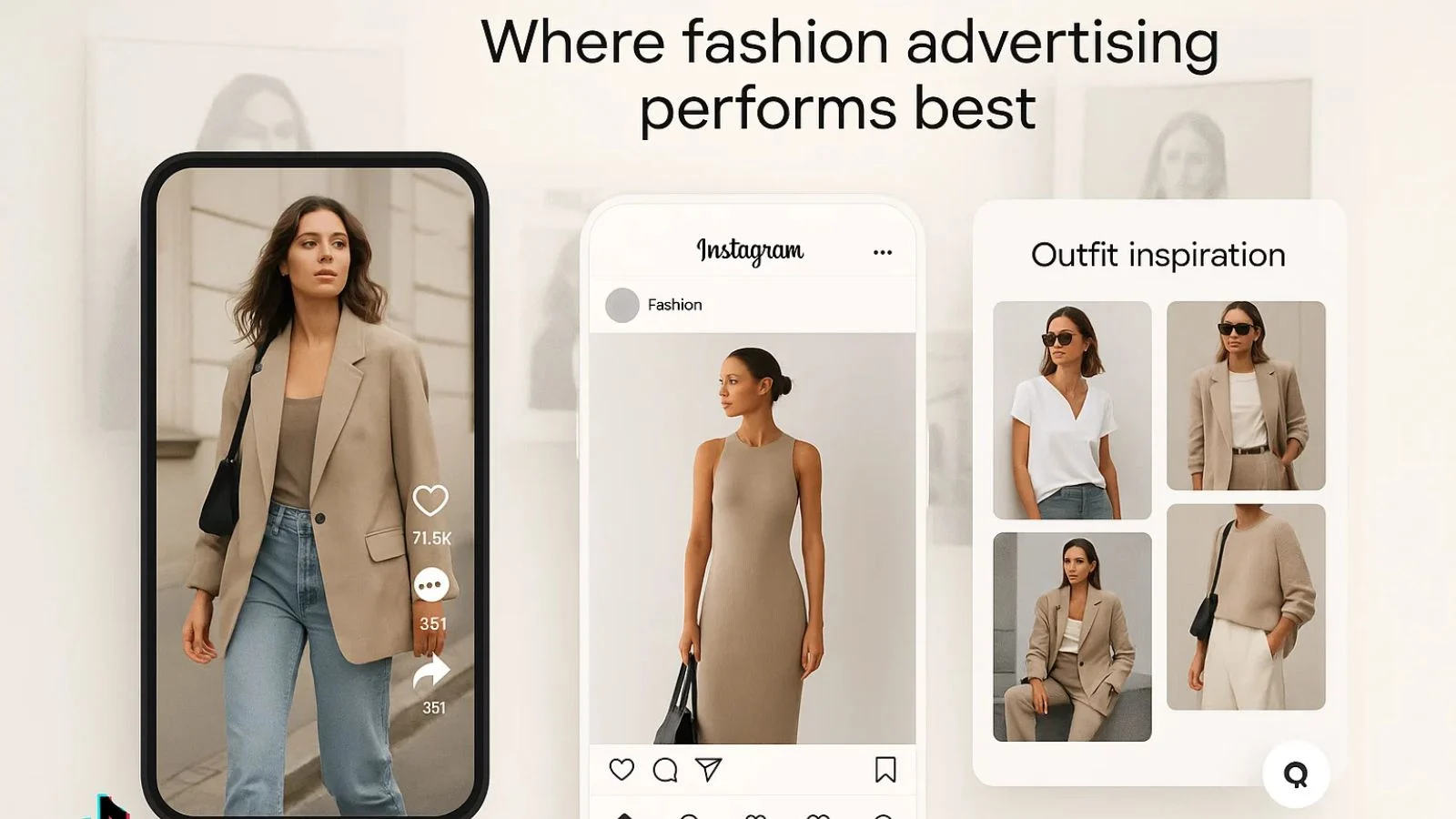
Today, fashion advertising works best on platforms built for visuals and quick inspiration. Instagram and TikTok lead the way because users come there to explore outfits, trends, and styling ideas. Reels, short videos, and creator-led content help brands grab attention instantly.
Pinterest is another strong space where people actively search for looks, mood boards, and clothing ideas. Fashion ads feel natural there since users already browse with intent.
Influencer collaborations also perform well. When viewers see a trusted creator wearing an outfit, it feels genuine and boosts interest. Even simple UGC-style videos often outperform polished shoots.
Offline spaces like billboards and magazines still help with brand recognition, especially for premium clothing lines. But overall, digital platforms remain the quickest and most effective way to reach style-focused audiences.
The Role of Storytelling in Fashion Ads
Storytelling is at the heart of great fashion advertising. People connect more with feelings than with fabrics, so brands use stories to bring outfits to life. A simple look becomes more meaningful when paired with a mood, a setting, or a moment viewers can relate to.
Instead of only showing clothes, strong fashion ads paint a picture of who wears it, how it feels, and what kind of lifestyle it represents. A cozy sweater might be shown in a warm café scene, while bold streetwear might appear in fast-paced city shots. These small storytelling choices create an emotional pull that goes beyond the product.
Story-driven campaigns also help brands stay memorable. When viewers feel something like confidence, comfort, nostalgia, or excitement, they remember the brand behind that feeling. This is why many successful fashion ad campaigns use themes, characters, or seasonal narratives that stay consistent across all platforms.
In the end, storytelling turns clothing into identity. It helps people visualize themselves in the outfit, making them more likely to connect with the brand and trust the message.
Digital Trends Transforming Fashion Advertising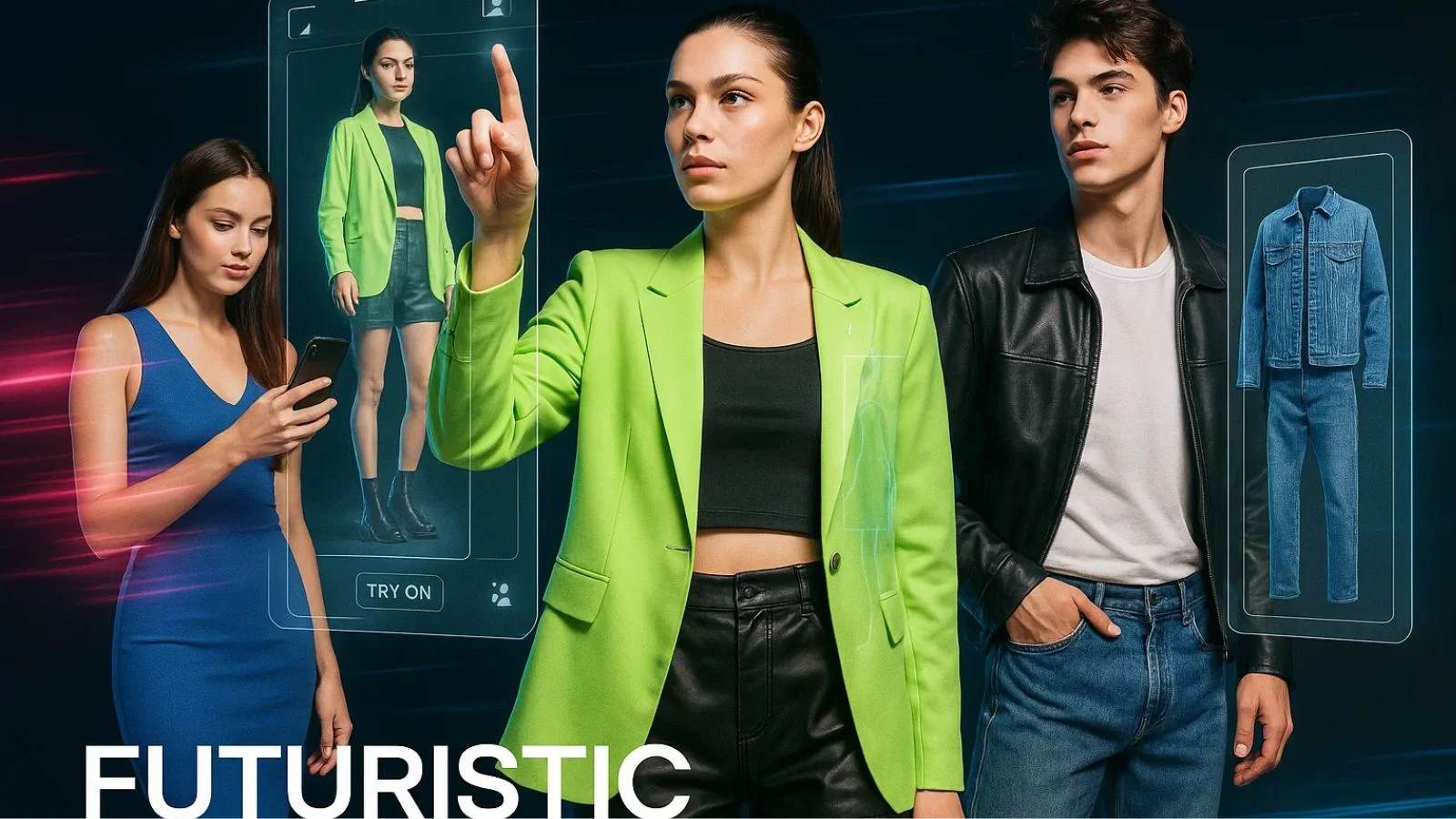
Digital platforms have reshaped fashion advertising, making it faster, more creative, and more interactive. Short-form videos on TikTok, Instagram Reels, and YouTube Shorts now dominate because viewers love quick styling clips and simple outfit transitions.
AR try-ons are also rising, letting people visualize outfits before buying, which builds confidence and boosts engagement. User-generated content continues to grow, too. Real customers and micro-creators often deliver more authentic results than polished studio shoots.
Personalized ads are another big trend. People now see outfits that match their behavior, preferences, and browsing patterns, making fashion ad campaigns feel more relevant and effective.
These shifts show that speed, authenticity, and creativity are key for modern fashion brands.
How Small Clothing Brands Can Compete?
Small brands can thrive in today’s fashion advertising landscape by leaning into authenticity, niche appeal, and smart content. Instead of trying to match big-budget campaigns, they win by showing real stories, real people, and real moments.
Choosing a niche is a strong starting point. When a brand speaks to a specific style or community, its message feels more relatable and memorable. Simple visuals work great too natural lighting, clean backgrounds, and creator-made videos often outperform polished shoots.
Consistency matters more than perfection. Regular posts, quick styling clips, behind-the-scenes moments, and customer photos help build trust and keep the brand visible. Joining trends on Instagram or TikTok can also boost reach without heavy spending.
How AdsGpt Helps You Create Better Fashion Advertising?
Creating fresh ideas consistently is one of the toughest parts of fashion advertising. New shoots, captions, ad angles, and visuals take time, and trends move faster than your content calendar. This is exactly where AdsGpt becomes a game-changer for clothing brands.
AdsGpt gives you instant creative support. You can generate:
- Full fashion ad campaigns
- Hook lines, headlines, and story-based ad ideas
- Platform-specific content for Instagram, TikTok, or Facebook
Just type what your clothing brand sells: streetwear, casualwear, ethnic wear, luxury pieces, anything, and AdsGpt gives you multiple ad-ready variants within seconds.
It also studies what works online. So instead of guessing trends or copying competitors, you get ideas built around what your audience already engages with. This helps your brand stay consistent, creative, and active without needing a big team or agency budget.
For modern clothing brands trying to grow faster, AdsGpt makes the entire process smoother from brainstorming to publishing. You save time, stay inspired, and always have something fresh to post.
Conclusion
Fashion advertising has become one of the strongest tools for shaping how modern clothing brands grow, connect, and stay relevant. With trends changing daily and attention spans getting shorter, brands need messaging that feels real, visual, and emotionally relatable. Every image, clip, and caption plays a part in how people see your brand and how they see themselves in your clothing.
From storytelling to short-form videos to creator-led content, fashion ads succeed when they stay authentic, consistent, and aligned with a clear style. Even small brands can compete by leaning into creativity, niche appeal, and smart digital strategies that keep them in front of the right audience.
And with tools like AdsGpt supporting the creative process, brands no longer need big budgets or large teams to build strong campaigns. The right mix of inspiration, identity, and technology can turn any clothing label into a modern, memorable brand.
Your fashion journey is shaped by every story you tell so make every ad count.
Also Read,
FAQs
1. How much should a small clothing brand spend on fashion advertising?
Small brands usually start with a modest budget of anywhere between ₹10,000 to ₹50,000 per month, depending on platforms and goals. The key is consistent testing and refining instead of spending big right away.
2. Which social media platform is best for launching a new clothing line?
Instagram is the easiest place to start because of its visual-first format, but TikTok offers faster organic reach. Many new brands combine both for maximum visibility.
3. Do fashion ads always need professional models?
Not at all. Many brands now get better engagement using real customers, micro-creators, or even their own team members. Authenticity often performs better than perfection.

MOST POPULAR