
Did you ever notice why fast food brands seem to be so irresistibly tempting?
Burger King, McDonald’s, KFC- all of them serve fast food, but apart from this, all of them symbolize themselves with designs that are often depicted in red colors.
That is because fast food brands always use a similar color palette that resembles fun, food, and enjoyment.
That is the psychology brands put behind their designs: each logo, visual, banner, etc are created such that they express their purpose. In this blog, we’ll be discussing how good marketing designs can potentially skyrocket sales.
What Is Marketing Design?
Marketing design is the practice of creating visual materials that help promote a product, service, brand, or an idea. It combines graphic design with marketing strategy to communicate messages that attract, engage, and persuade a target audience.
These designs become the face of the brand as they symbolize its identity and persona through illustrative visuals whose creation requires a thoughtful mindset.
What Are The Types Of Marketing Designs?
There are different types of digital marketing designs that designers produce, which are the major representatives of the brands. Some of them are –
- Social media graphics – Social media graphics are visual images made for platforms like Instagram, Facebook, and LinkedIn. They include posts, stories, banners, and ads that grab attention, share information, and build your brand.
They bring potentially huge social media conversions and are a great way of connecting and communicating your idea with the audience.
- Brochures and Flyers: Brochures and flyers are printed or digital marketing materials used to provide information about a product, service, offer, or business. They use concise content and attractive visuals to capture attention and encourage potential customers to take action.
- Posters and Banners: Posters and banners are promotional designs created to grab attention quickly and communicate a marketing message. They are commonly used for advertisements, special offers, product launches, events, and brand awareness campaigns.
- Website Landing Pages: Website landing pages are specially designed web pages created to encourage visitors to complete a specific action, such as making a purchase, signing up for a service, or filling out a form. Their design focuses on clear messaging, visuals, and strong CTAs.
- Product Packaging: Product packaging combines visual design and practical information to make a product attractive while communicating its brand identity, features, and value. Eye-catching packaging can influence purchasing decisions and help products stand out on shelves or online.
- Presentation Decks: Presentation decks use a combination of text, images, graphics, charts, and branding to communicate information engagingly. Businesses use them for sales pitches, business proposals, product demonstrations, and internal presentations.
- Event Promotional Materials: Event promotional materials include invitations, posters, social media graphics, banners, tickets, and other designs used to promote an event. They help create awareness, communicate important event details, and encourage people to attend.
The Goal Of Marketing Design
The sole purpose of creating these designs is to bring business outcomes, such as increasing brand awareness and attracting new customers.
Unlike a purely artistic piece, they have to be structured such that they bring traffic, generate sales and leads and bring real-time customers.
Best Examples Of Marketing Design.
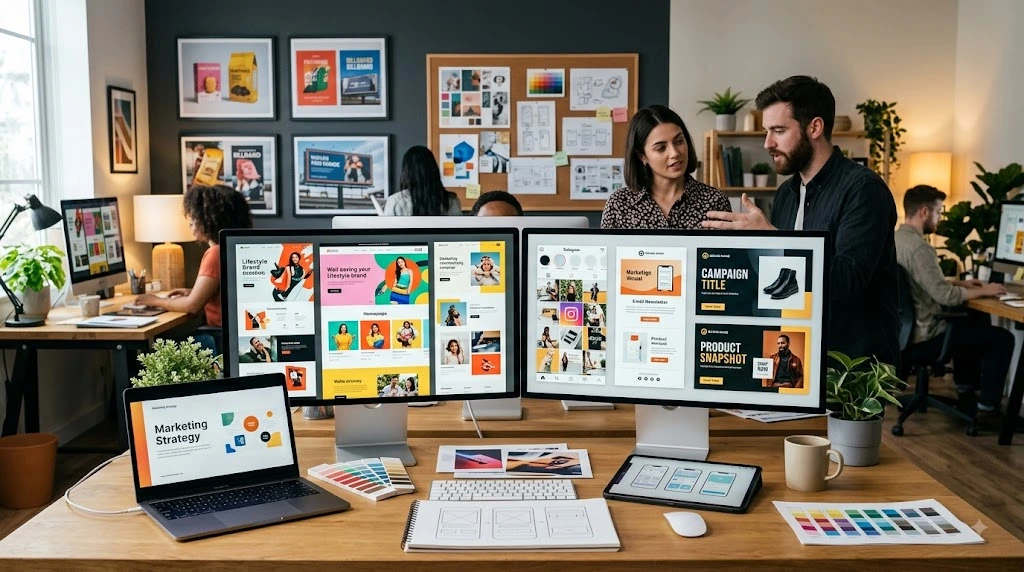
One of the great examples is McDonald’s, because its marketing designs consistently reflect its core brand idea: fast, fun, friendly, and easily recognizable food.
- Logo: The iconic Golden Arches are simple, bold, and instantly recognizable, reflecting the brand’s memorable and approachable identity.
- Flyers: McDonald’s flyers typically use bright brand colors, large food images, simple offers, and clear pricing to communicate affordability and convenience.
- Posters: Promotional posters use bold visuals of burgers, fries, and drinks alongside short messages and offers, making the products immediately appealing.
- Banners: Outdoor and digital banners use minimal text, strong product imagery, and recognizable branding so customers can understand the message within seconds.
Why is it special?
Every design element—from the logo to flyers and posters—communicates the brand persona perfectly. This representation makes McDonald’s easy to recognize and helps its marketing designs strengthen the overall brand identity.
What Makes A Design Unique And Attractive?
Brands from different industries use design metrics very carefully in order to promote their brand persona and gain customers’ trust via appealing looks. Here are a few examples of some brands whose designs make them unique.
- Color – Different colors symbolize different emotions that brands identify with and use according to their brand positioning. For example, banks often use blue and green, signifying safety, trust, and security in financial services. Whereas fast-food brands use bright colors like red, orange, and yellow that stand out even from a distance.
- Typography – The type and style of text also hold significance in depicting a company’s personality. A modern technology brand may use clean and minimal fonts, while a luxury brand may prefer elegant and sophisticated typography. The right font makes the message easier to read while reinforcing the brand identity.
- Images – Relevant and high-quality images can immediately capture attention and communicate a message without relying heavily on text. Brands should choose visuals that reflect their products, services, and overall personality while creating an emotional connection with the audience.
- Branding – Consistent use of logos, colors, fonts, graphics, and other visual elements helps customers recognize a brand easily. Strong branding ensures that marketing materials look connected across social media, websites, advertisements, packaging, and other channels.
- White Space – White space refers to the empty areas surrounding text, images, and other design elements. Using enough white space prevents a design from looking overcrowded and allows important information to stand out, making the overall design cleaner and easier to understand.
- Emotional Appeal – Effective designs can trigger emotions such as happiness, excitement, trust, curiosity, or urgency. Using relatable visuals, colors, messages, and storytelling can help brands connect with customers on a deeper level.
- Audience Relevance – A design should always be created with its target audience in mind. Understanding their preferences, interests, expectations, and needs helps brands create visuals that feel relevant and encourage people to engage with the message.
How To Create The Best Marketing Designs?

1. Understand Your Target Audience
Before creating a marketing design, understanding your actual audience is the first and most crucial step. Considering your audience’s age, interests, preferences, needs, and buying behavior matters the most, so that your visuals and ideas can connect with them.
2. Define the Marketing Goal
Every design must have a clear purpose aligning with that of the brand. Whether it is to increase brand awareness, generate leads, promote products, or drive sales, defining the goal helps you create a design that supports the desired outcome.
3. Create a Strong Visual Hierarchy
Visual hierarchy helps viewers understand the most important information first. Using different font sizes, spacing, positioning, and creative elements to guide the audience naturally from the main message to supporting information and the CTA.
4. Choose Colors Strategically
Colors can influence emotions and affect how people perceive a brand. Choose colors that match your brand identity while also helping important elements, such as offers or CTAs, stand out.
5. Use Compelling Imagery
High-quality and relevant images can make a marketing design more attractive and memorable. Choose visuals that support your message and help customers understand or connect with the product, service, or idea being promoted.
6. Keep the Message Simple
Avoid overcrowding your design with excessive text or unnecessary elements. The designs must be short but sufficient to display the idea. By using clear and easy-to-understand messaging, your audience can quickly grasp the brand’s intent.
7. Add a Clear CTA
A clear call-to-action is a great way to tell viewers what they should do next. Phrases such as “Shop Now,” “Sign Up,” “Learn More,” or “Get Started” can guide customers toward the desired action.
8. Maintain Brand Consistency
Use consistent fonts, colors, logos, imagery, and design styles across your designs. This creates a recognizable visual identity and helps customers easily associate your designs with your brand.
9. Test Different Designs
Experiment with different layouts, headlines, images, colors, and CTAs to determine what connects best with your audience. Testing multiple versions can reveal which design elements generate better engagement and conversions.
10. Optimize Based on Performance
Use performance data to understand how your designs are performing. Metrics such as clicks, engagement, conversions, and bounce rates can help you identify what works and continuously improve future marketing designs.
Also Read –
Marketing Benchmark 2026: We Tested 13 AI Models To Find The Best One For Your Campaigns
How to Use AI Marketing Tools to Dominate in 2026
About Adsgpt
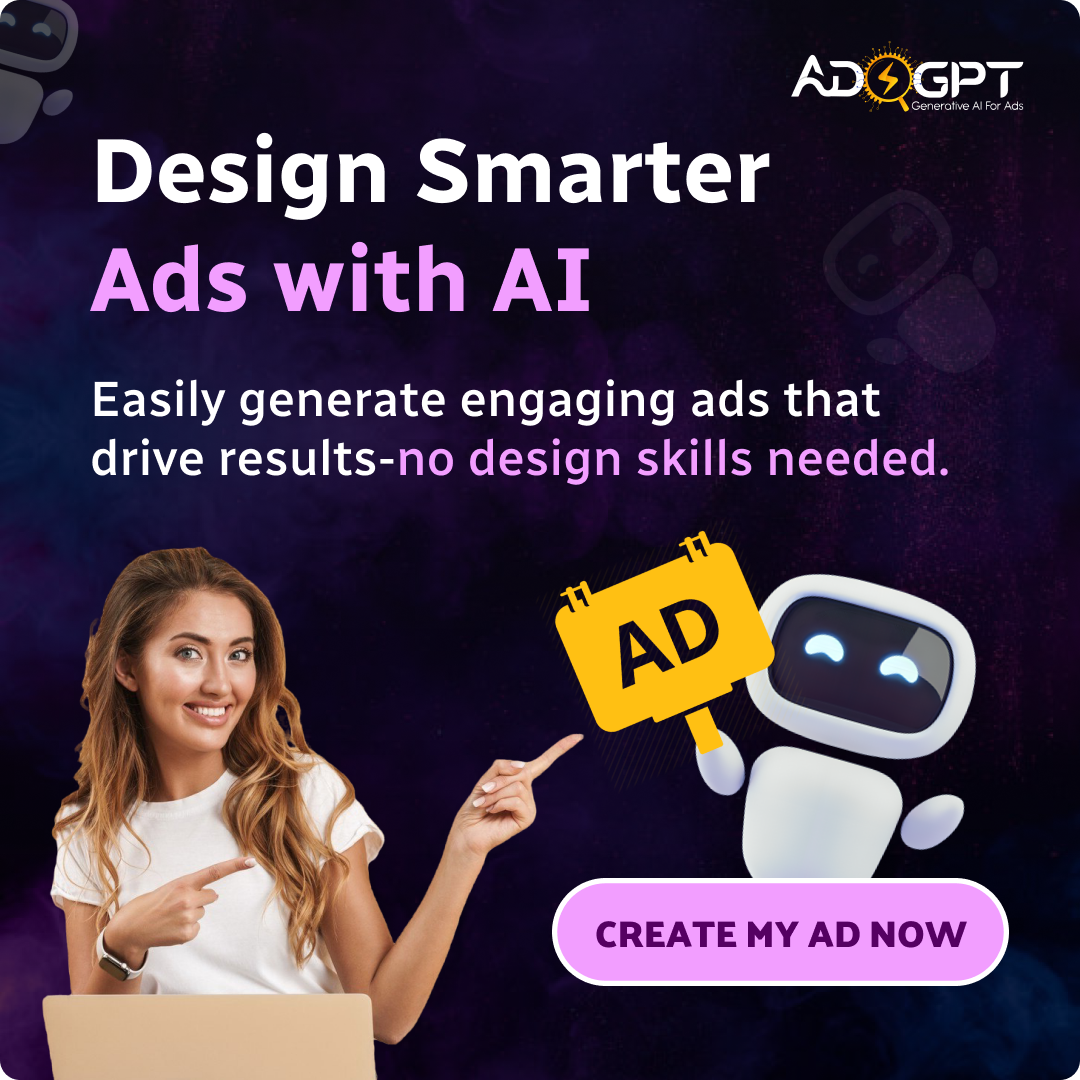
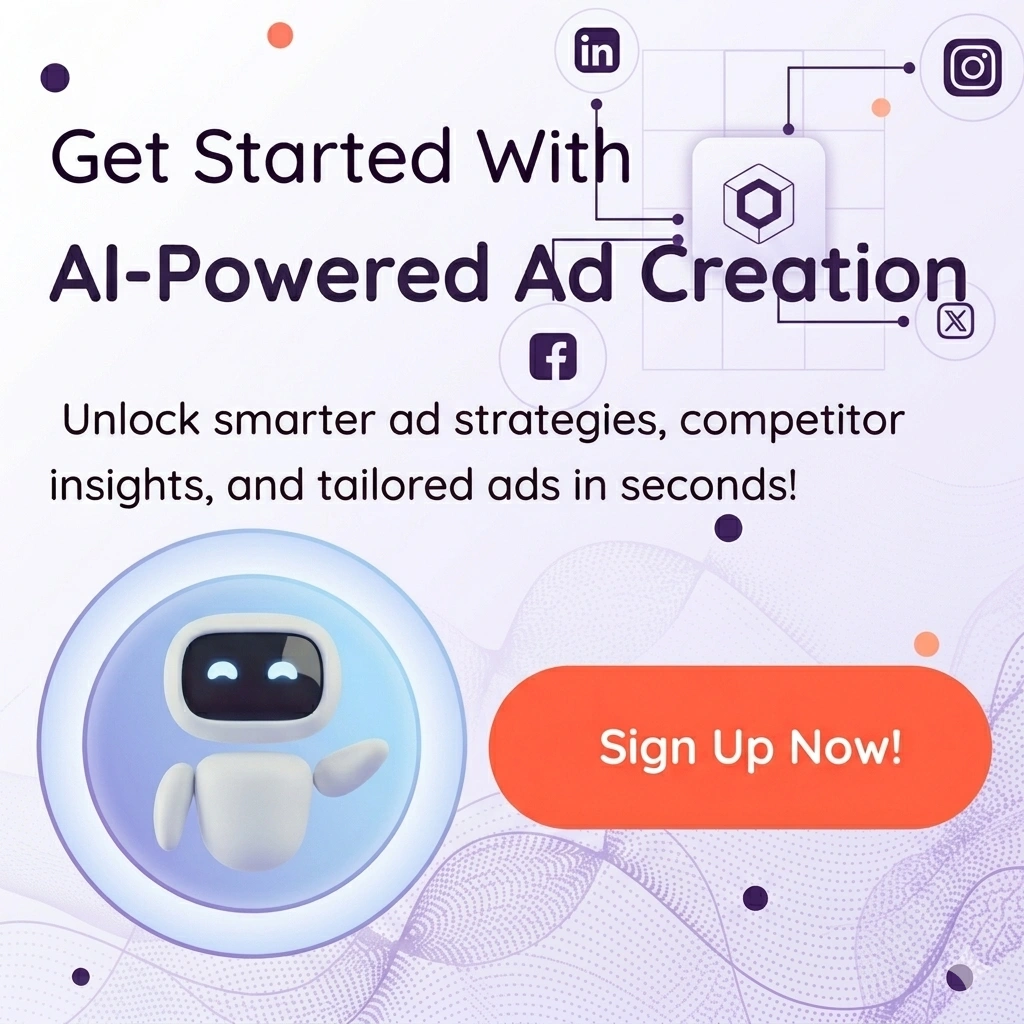
AdsGPT is an AI-powered advertising platform designed to help businesses create, launch, analyze, and optimize digital advertising campaigns. Instead of separately using designers, video editors, copywriters, and competitor-research tools, AdsGPT combines these functions into one platform.
Why Choose AdsGPT?
- AI Ad Creatives: It can generate image advertisements in different styles, sizes, and formats for different platforms such as Meta, Google, LinkedIn, and Pinterest.
- UGC Video Ads: Creates talking-head, UGC-style advertisements from product images without requiring filming or casting.
- AI Avatar Ads: Helps businesses create talking-head advertisements using AI avatars, scripts, voice, captions, and lip-sync.
- Product Shot Studio: Converts a product photo into lifestyle images, packshots, and promotional visuals.
- Ad Factory: Generates a large number of branded ad variations in bulk, which can be useful when running multiple campaigns or testing different creatives.
- Competitor Intel: Helps marketers research advertisements from other brands to identify trends and creative approaches across major advertising platforms. Its database contains 500M+ ads.
- BrandIQ: Stores a brand’s logo, colors, tone, and tagline so that generated advertisements remain consistent with the brand identity.
- Meta Ads Integration: Users can connect their Meta Ads account, review campaign analytics, audit campaigns, and launch advertisements directly through AdsGPT.
- Autopilot Optimization: Its automation layer can audit Meta campaigns and make optimization actions subject to safety controls and action logs.
The main advantage is speed and scalability. A business can create multiple versions of an advertisement, test different creative concepts, and optimize successful campaigns without having to manually produce every variation. AdsGPT currently states that it supports 9+ advertising platforms and offers 35 free creatives without requiring a credit card.
How AdsGPT Is Changing Marketing Design
1. Making Design Creation Faster
AdsGPT can generate image ads, UGC videos, product visuals, B-roll videos, and AI avatar ads from a simple prompt. This allows marketers to create professional-looking marketing designs in minutes instead of spending days going through traditional design processes.
2. Creating More Design Variations
Instead of relying on a single design, marketers can generate multiple variations and compare their performance. AdsGPT’s Ad Factory can create hundreds of on-brand variations across different formats, platforms, and placements, making large-scale creative testing easier.
3. Keeping Designs Consistent With the Brand
AI-generated designs can sometimes look disconnected from a brand’s identity. AdsGPT addresses this through BrandIQ, which stores elements such as the brand’s logo, colors, tone, and tagline and applies them to generated creatives.
4. Designing Based on Competitor Insights
Marketing design is also about understanding what captures audience attention. AdsGPT’s Competitor Intel allows marketers to explore a database of 500M+ ads, identify trends, and use successful creative approaches as inspiration for new designs.
5. Designing for Multiple Platforms
A design that works on Instagram may not work equally well on Google or LinkedIn. AdsGPT creates platform-specific creatives and formats for platforms including Meta, Google, LinkedIn, Pinterest, TikTok, YouTube, Reels, and Shorts.
6. Connecting Design With Performance
Perhaps the biggest change is that marketing design is becoming more performance-driven. AdsGPT can audit campaigns, identify winning creatives, and generate new variations based on successful concepts, creating a continuous cycle of design → testing → learning → improvement.
Conclusion
For any company that’s aiming for higher lead conversions, better sales, or improved performance, marketing designs are those uncompromisable elements that guarantee brand identity and growth. Thus, they are uncompromisingly important.
With AdsGPT’s ad creatives and UGC video creations, brands achieve their desired results by simply relying on it.
Frequently Asked Questions
1. What makes a marketing design attractive?
A clear message, appealing colors, high-quality visuals, readable typography, and a strong CTA can make a marketing design more attractive.
2. Why is color important in marketing design?
Colors influence emotions and help communicate a brand’s personality. The right colors can also make important elements stand out and grab customers’ attention.
3. How can I make my marketing design stand out?
Use unique visuals, simple messaging, strong branding, and a clear visual hierarchy. Avoid adding too many elements that can make the design look crowded.
4. Should marketing designs always include a CTA?
Yes. A clear CTA tells customers what to do next, such as “Buy Now,” “Learn More,” or “Get Started,” making it easier to turn attention into action.
5. How can AI help create better marketing designs?
AI tools can help generate visuals, ad variations, layouts, and creative ideas quickly. They can also help marketers test different designs and identify what works best for their audience.
MOST POPULAR