Most articles about AI tools for marketing tend to overwhelm you with long lists of 20 or 30 platforms. But in advertising, that approach simply doesn’t work. More tools don’t improve performance. In fact, they usually slow you down. When you’re running ads, whether on Meta, Google, or any other platform, you’re not looking for endless options. You’re trying to answer one simple question: which AI tools actually help you run better ads and get better results?
The key is to understand where AI fits into your ad workflow and what you actually need based on the problems you’re trying to solve. Instead of chasing every new tool, focus on building a system that supports performance, not just activity. When you do that, everything becomes clearer. You’ll know what to use, what to skip, and how to combine the right tools into a system that actually drives better results.
In a hurry? Listen to the podcast now.
The Real Role of AI in Advertising
AI in advertising is mainly used to improve speed and efficiency. It helps you handle execution-heavy tasks like writing ad copy, generating multiple creative variations, analyzing campaign data, and identifying patterns in performance. What used to take hours can now be done in minutes.
AI is not a replacement for strategy. It doesn’t truly understand your audience, your market, or what makes your offer compelling. It can work with the inputs you give it, but it cannot decide positioning, messaging, or overall direction on its own.
AI supports your workflow by reducing manual effort and making testing easier. Instead of spending time on repetitive tasks, you can focus on what actually drives results, like refining your message, improving your offer, and making better decisions based on data.
In practice, AI acts as a multiplier. If your fundamentals are strong, clear targeting, strong creatives, and a solid offer, it helps you scale faster and test more efficiently. If those fundamentals are weak, AI will simply speed up poor performance.
So, the real role of AI in advertising is to assist, accelerate, and optimize execution, while strategy and decision-making remain in your control.
What Do You Actually Need?
Before choosing any AI tools for marketing, identify where your ad performance is breaking.
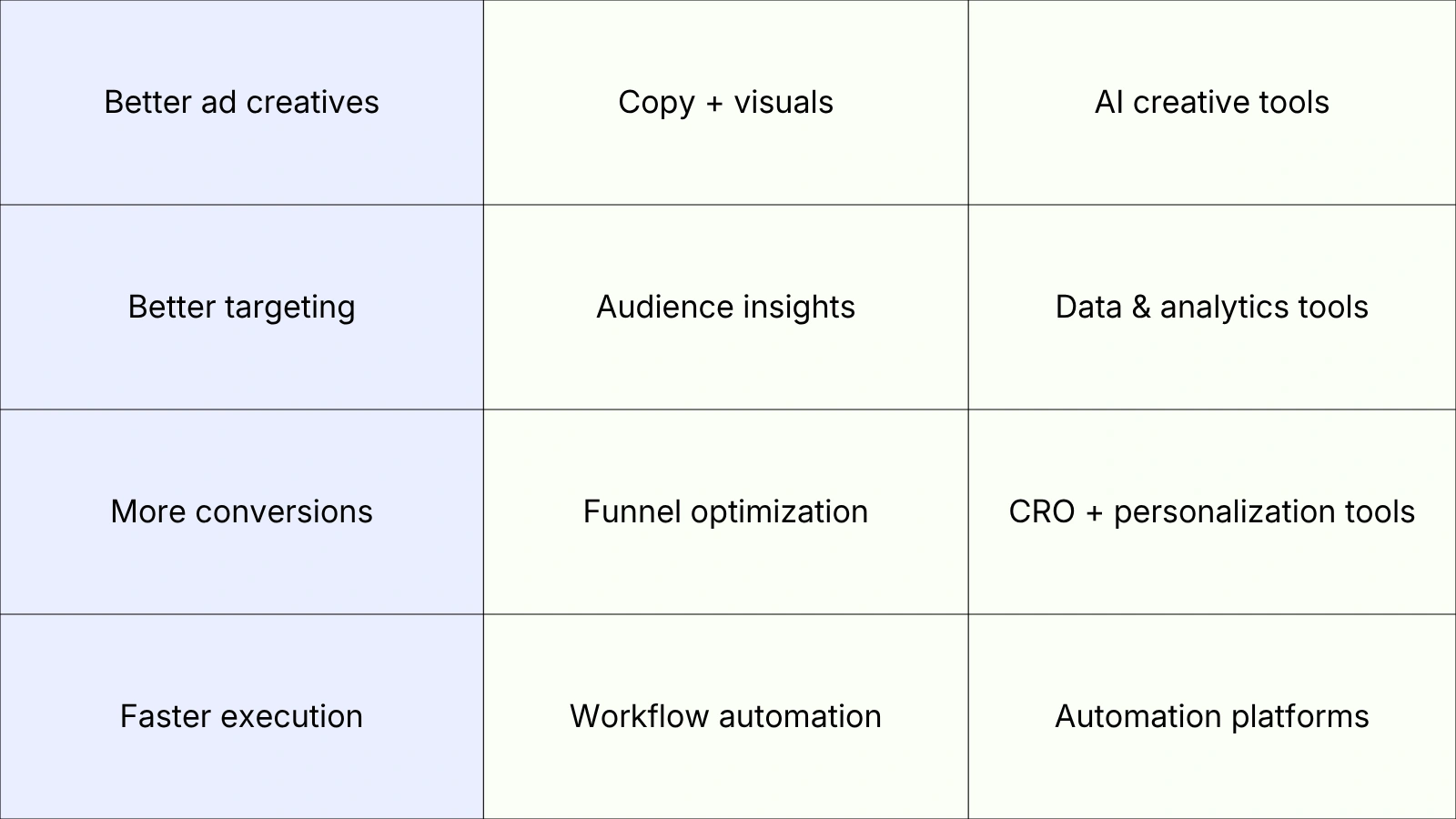
Most advertisers struggle in one of four areas.
If Your Problem Is Ad Creatives
Your ads aren’t stopping the scroll.
This usually means your visuals or copy aren’t strong enough. Instead of manually creating multiple variations, AI tools for marketing can generate different hooks, headlines, and creative angles quickly.
For example, instead of testing one ad, you can test five variations with different messaging at the same time.
That increases your chances of finding a winning creative.
If Your Problem Is Targeting and Audience Understanding
People are being reached, but not the appropriate ones.
In this case, AI tools for marketing help analyze audience behavior, segment users, and refine targeting strategies. They don’t replace platform algorithms, but they help you understand what’s working and why.
This leads to better decision-making when scaling campaigns.
If Your Problem Is Conversions
Clicks are coming in, but sales or leads aren’t.
That’s a funnel issue.
Here, AI tools for marketing help optimize landing pages, improve ad-to-page alignment, and personalize user journeys. Small changes like headline clarity or CTA placement can significantly impact conversion rates.
Quick Reference Table
How to Choose the Right AI Tool for Ads

Choosing the right AI tool for advertising isn’t about picking the most popular platform or the one with the longest feature list. It’s about finding what actually helps you improve performance and make better decisions, faster.
Step 1: Define Your Performance Goal
In advertising, clarity is everything.
Instead of saying you want better results, define a measurable goal. For example, reducing cost per lead or improving return on ad spend.
This helps you choose AI tools for marketing that directly impact performance.
Step 2: Focus on One Blockage
Fixing everything at once rarely works.
If your creatives are weak, focus there first. If your funnel is broken, fix that before scaling traffic.
The right AI tools for marketing depend on your current constraints.
Step 3: Evaluate Impact, Not Features
A tool with advanced features doesn’t matter if it doesn’t improve your ads.
The real question is simple: Does this tool help you get better results faster?
If yes, it’s valuable. If not, it’s noise.
Step 4: Prioritize Speed and Usability
In advertising, speed matters.
You need to test quickly, iterate fast, and respond to performance changes. The best AI tools for marketing are the ones you can use daily without friction.
The 7 Best AI Tools for Marketing to Create, Test, and Scale Ads Faster

Here are seven tools that cover the full advertising process, from building creatives to tracking what’s actually working, without overwhelming your workflow.
ChatGPT – Best for Ad Copy and Ideation
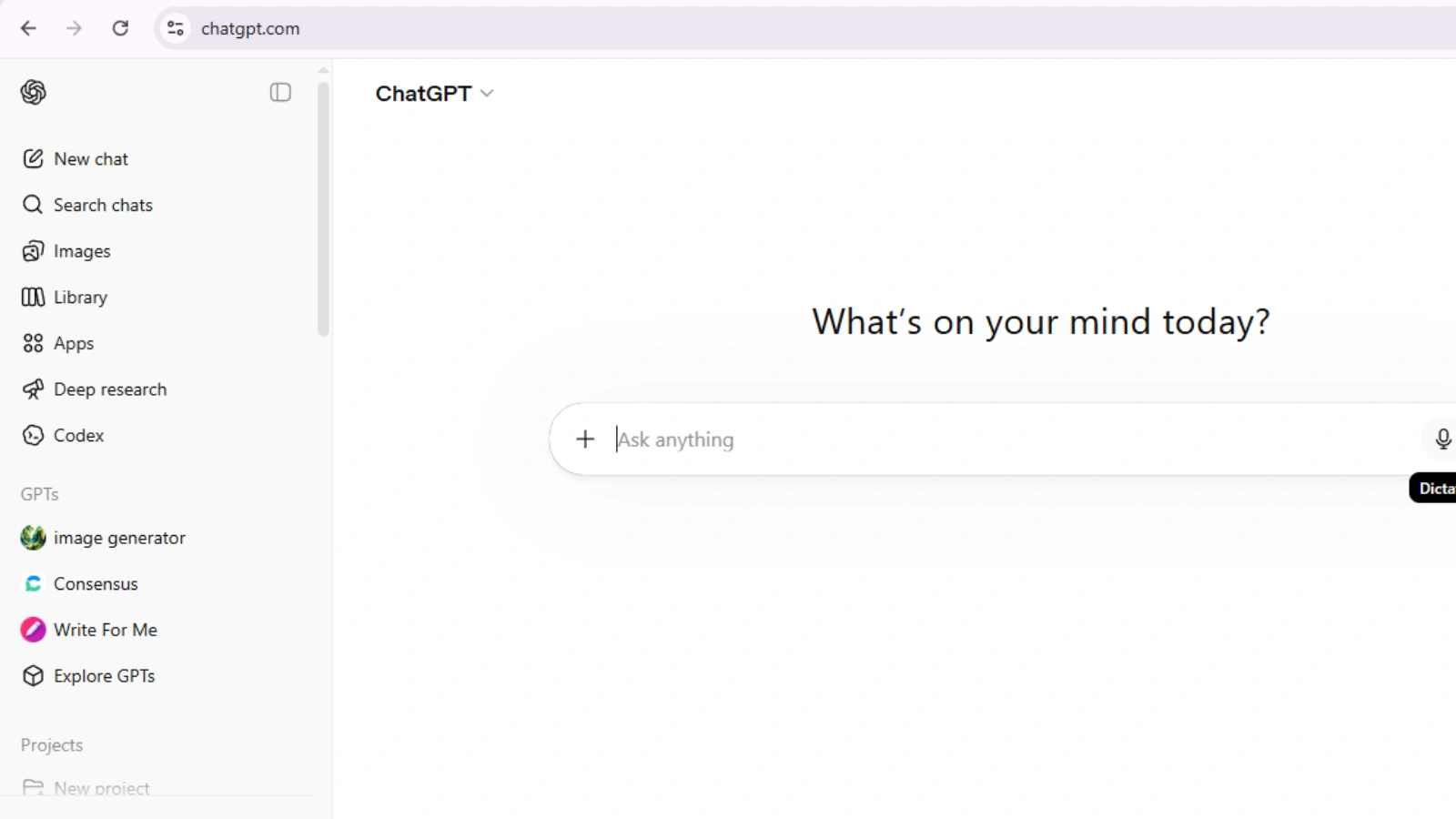
Writing ad copy from scratch is time-consuming, and ChatGPT is one of the fastest ways to cut that time down. You can use it to generate headlines, hooks, primary text, and multiple copy variations in minutes, then use real performance data to decide which angles to push further. It’s particularly useful in the early stages of a campaign when you’re testing messaging and need volume quickly. The more specific your prompt, the more useful the output, so the more context you give it about your audience, offer, and platform, the better the results.
Canva – Best for Visual Ad Design
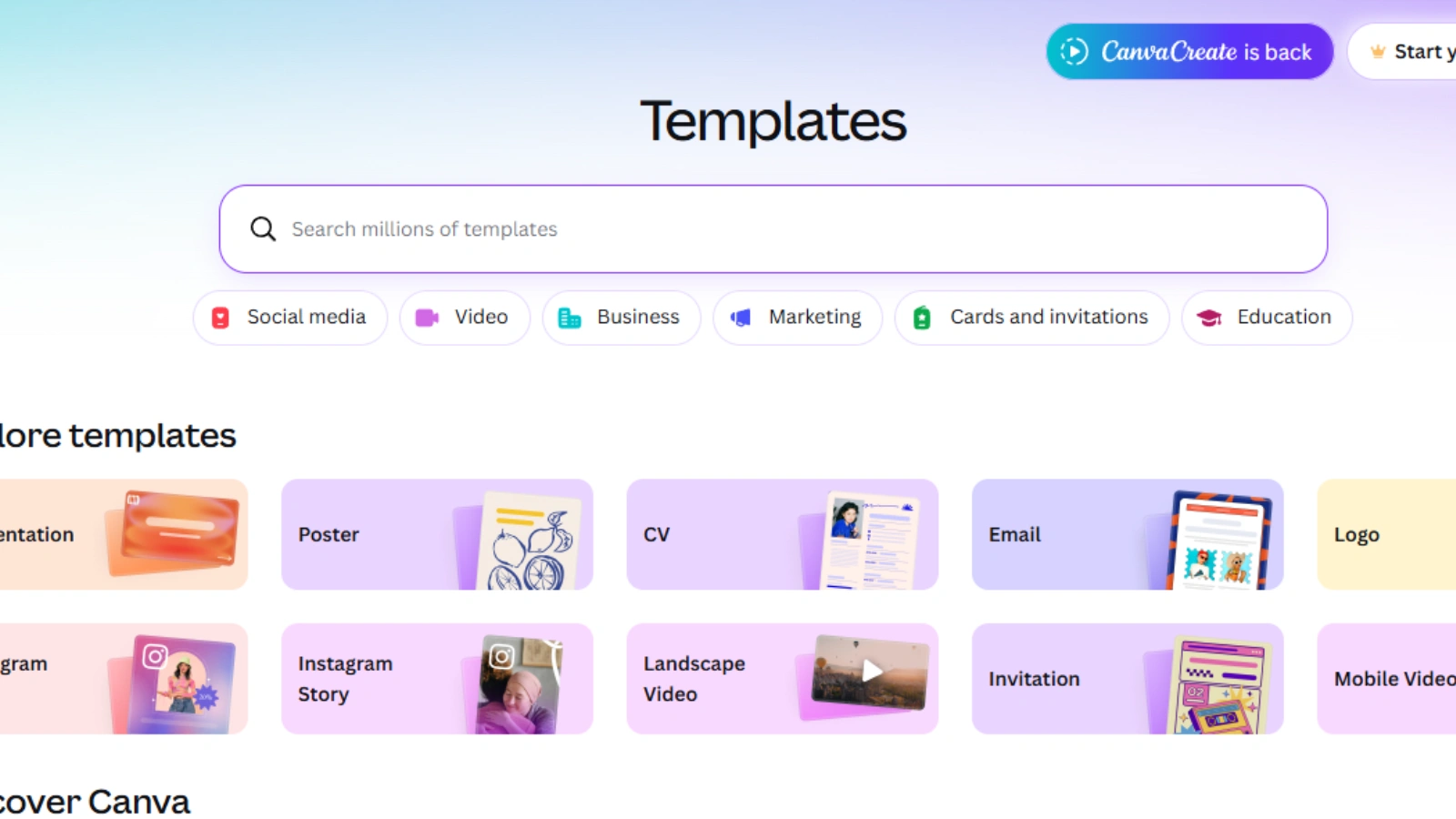
Canva has evolved well beyond a basic template tool. Its AI-powered design features now let you generate complete, editable designs from a simple prompt, covering social posts, presentations, videos, and more, directly inside the editor. Canva also launched its own foundational design model, trained specifically to understand design layers, structure, and visual logic, producing fully editable outputs rather than flat images. TechCrunch. For marketers who need clean, platform-ready ad creatives without a dedicated design team, it remains one of the most accessible options available.
Surfer SEO – Best for Landing Page and Content Optimization
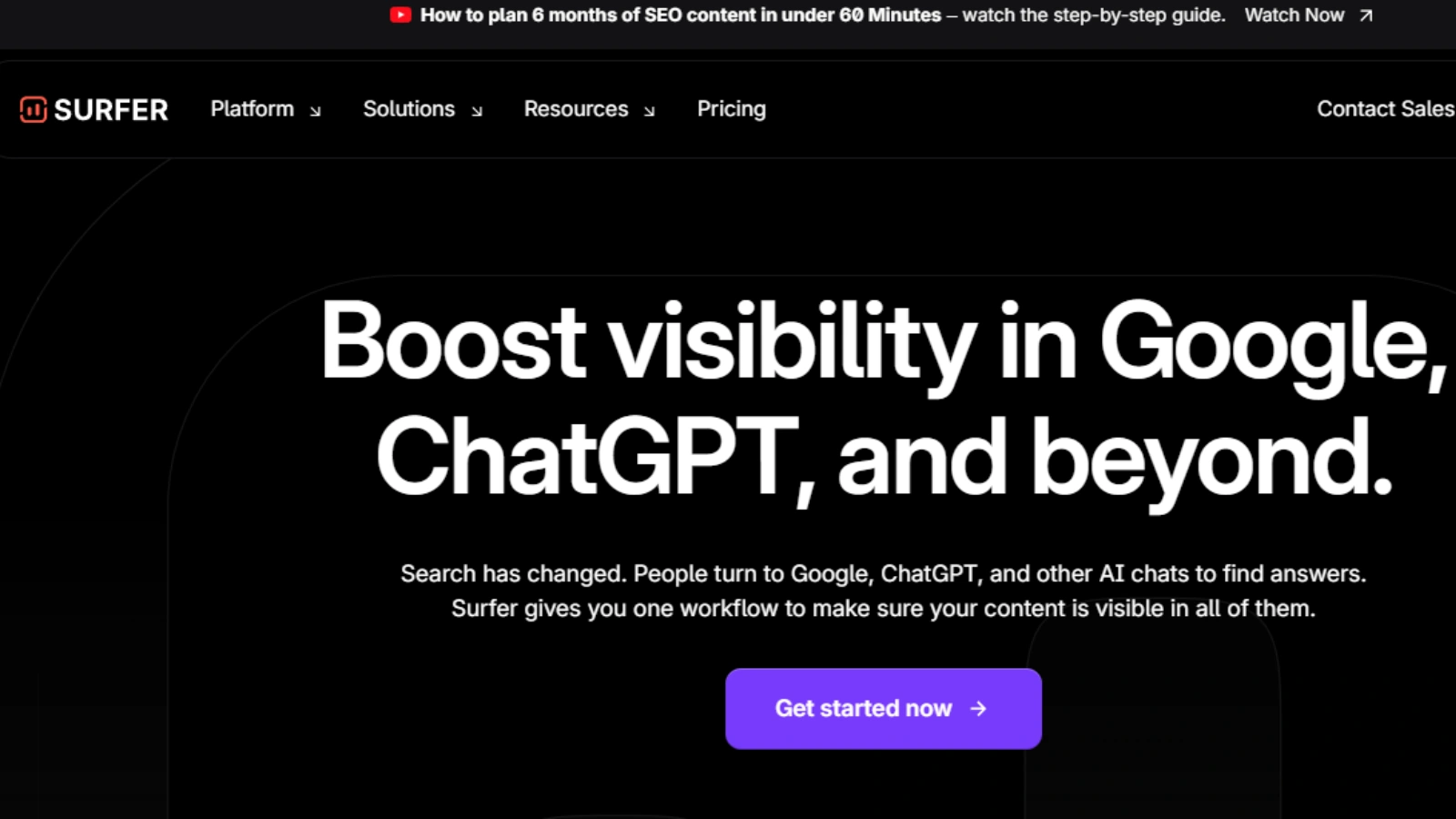
Surfer SEO is not a campaign management or ad creation tool; it’s a content and on-page SEO optimizer, and it’s worth including here because your ads are only as effective as the pages they point to. It analyzes your content against 500+ on-page SEO signals, like content relevance and topic coverage, and provides data-driven recommendations to help those pages rank better in search. Backlinko: If you’re running ads that lead to blog posts or landing pages that also need to perform organically, Surfer helps make sure that content is properly structured. It’s most valuable as a support tool for marketers running hybrid paid and organic strategies.
AdsGPT – Best for Fast Ad Creation and Structured Workflow
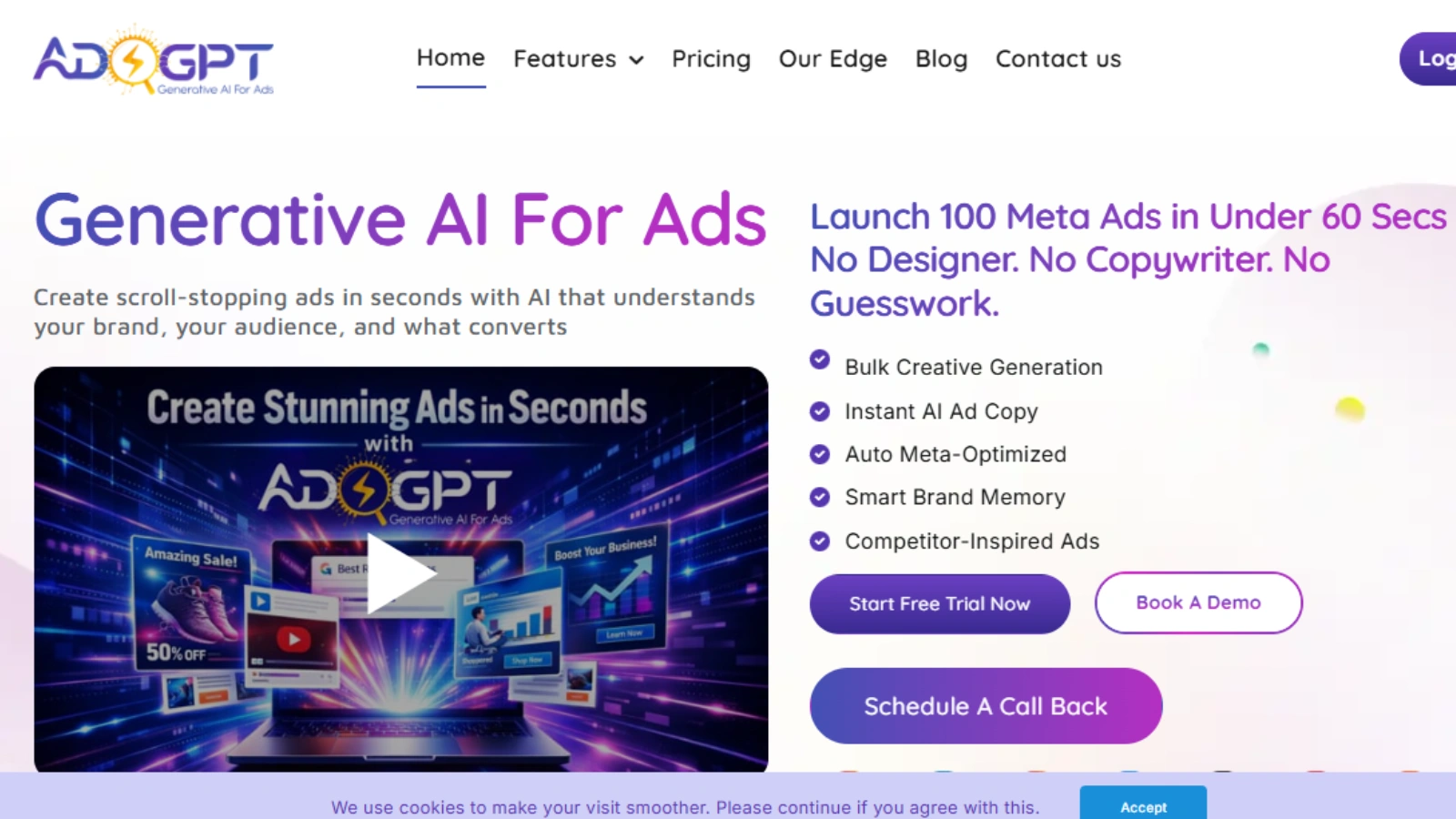
AdsGPT makes ad creation simple by guiding you through a clear step-by-step process instead of starting from scratch every time.
Key Features
- Platform-specific ad generation for Meta, Google, LinkedIn, and more
- Bulk creation of multiple ad variations in seconds
- AI-powered ad copy generation for headlines, hooks, and primary text
- Competitor-inspired ad creation for faster ideation
- Brand memory to maintain consistent tone, logo, and messaging
- Ready-to-use creatives optimized for different formats and placements
How It Works
Select the Platform – Choose where your ad will run, such as Meta, Google, LinkedIn, or other platforms. The tool adjusts the output so it fits the correct format and requirements for each channel.
Enter Your Brand Details – Add your brand name and a short description so the generated ads match your tone, messaging, and identity.
Set Your Creative Direction – Provide a prompt or simple instruction to guide the style and angle of your ad, helping you get more relevant and focused outputs.
Choose Number of Variations – Generate multiple ad copies or creatives at once so you can test different messages and find what performs best.
Generate and Use Instantly – Once created, the ads are ready for testing and campaign use, helping you move faster from idea to execution.
Buffer – Best for Organic Content Support
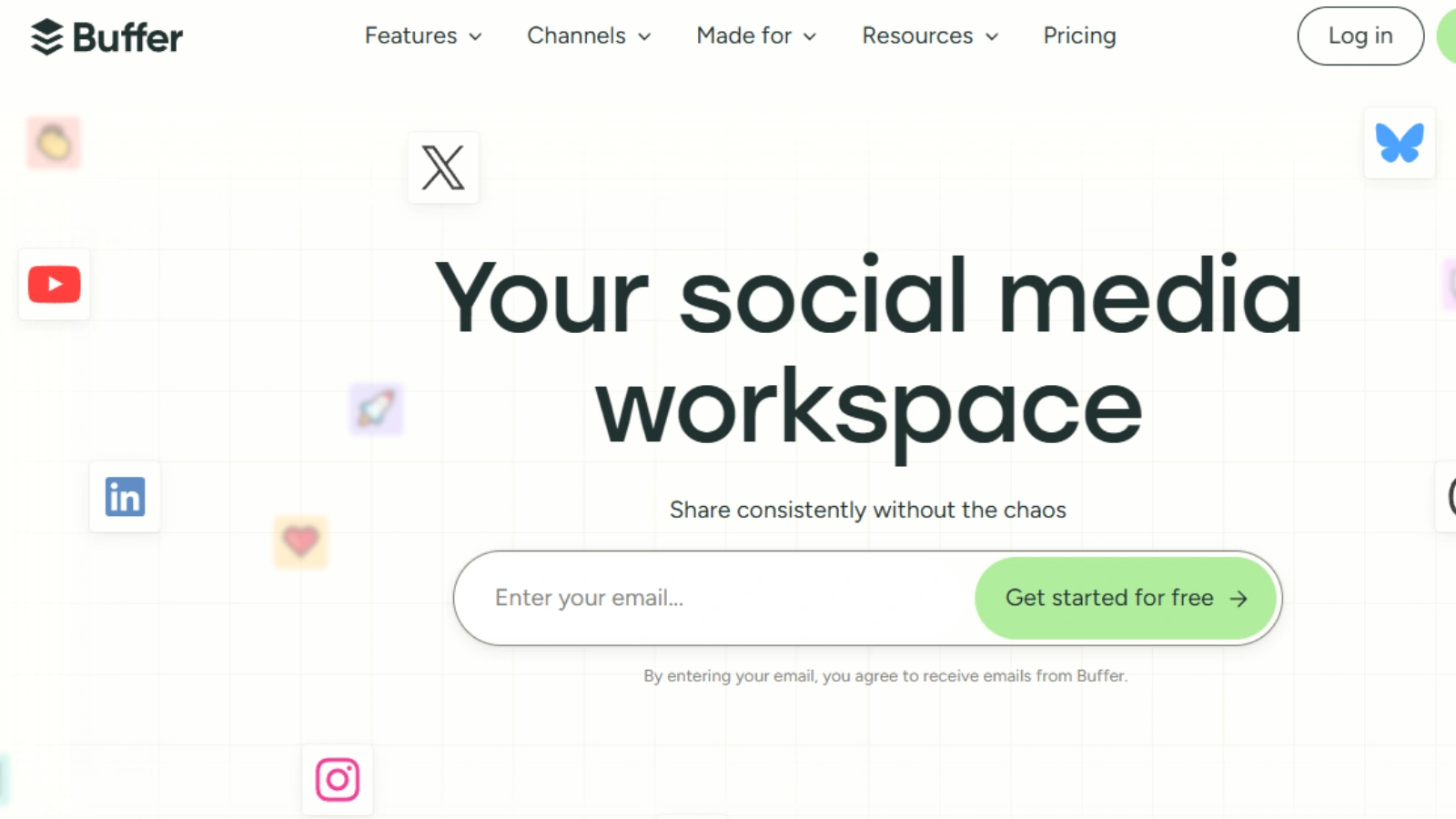
Paid ads perform better when your brand maintains a consistent presence everywhere. Buffer lets you schedule and publish content to platforms including Instagram, TikTok, Facebook, LinkedIn, Threads, Bluesky, YouTube Shorts, Pinterest, and X, all from a single dashboard. Buffer also includes an AI assistant for generating post ideas and repurposing content, an engagement inbox for managing comments across platforms, and analytics dashboards to track what’s working. G2 It won’t manage your paid campaigns directly, but it keeps your organic presence active and consistent while your ads run.
Zapier – Best for Workflow Automation
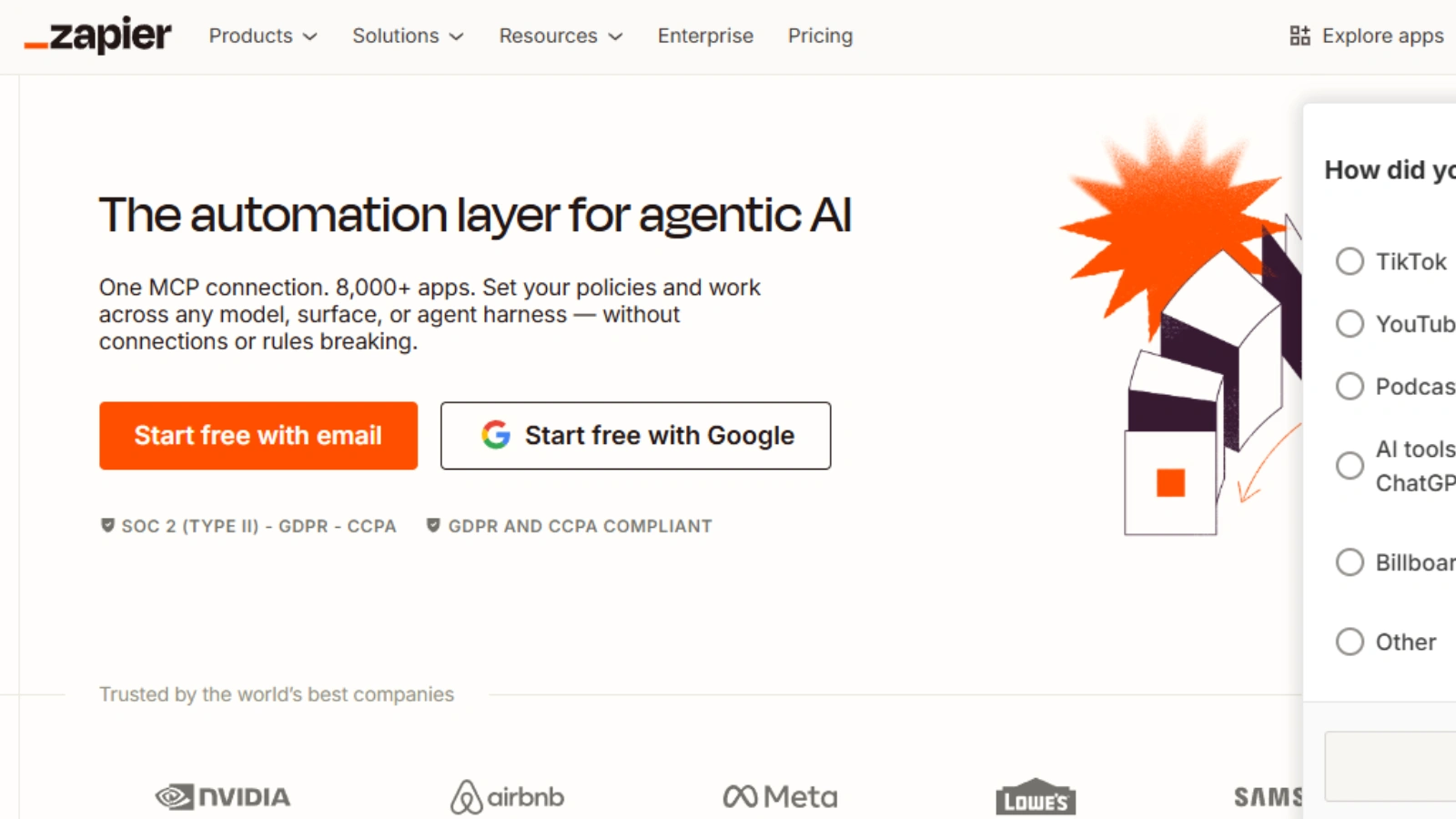
The more tools in your stack, the more manual handoffs slow you down. Zapier solves this by connecting your apps and automating the repetitive steps between them, routing new leads to your CRM, triggering email follow-ups, updating reporting sheets, or notifying your team when a campaign hits a threshold. No coding is required. For anyone running campaigns across multiple platforms, it’s one of the most practical time-savers available and becomes more valuable the more tools you’re using.
Google Looker Studio – Best for Campaign Analytics
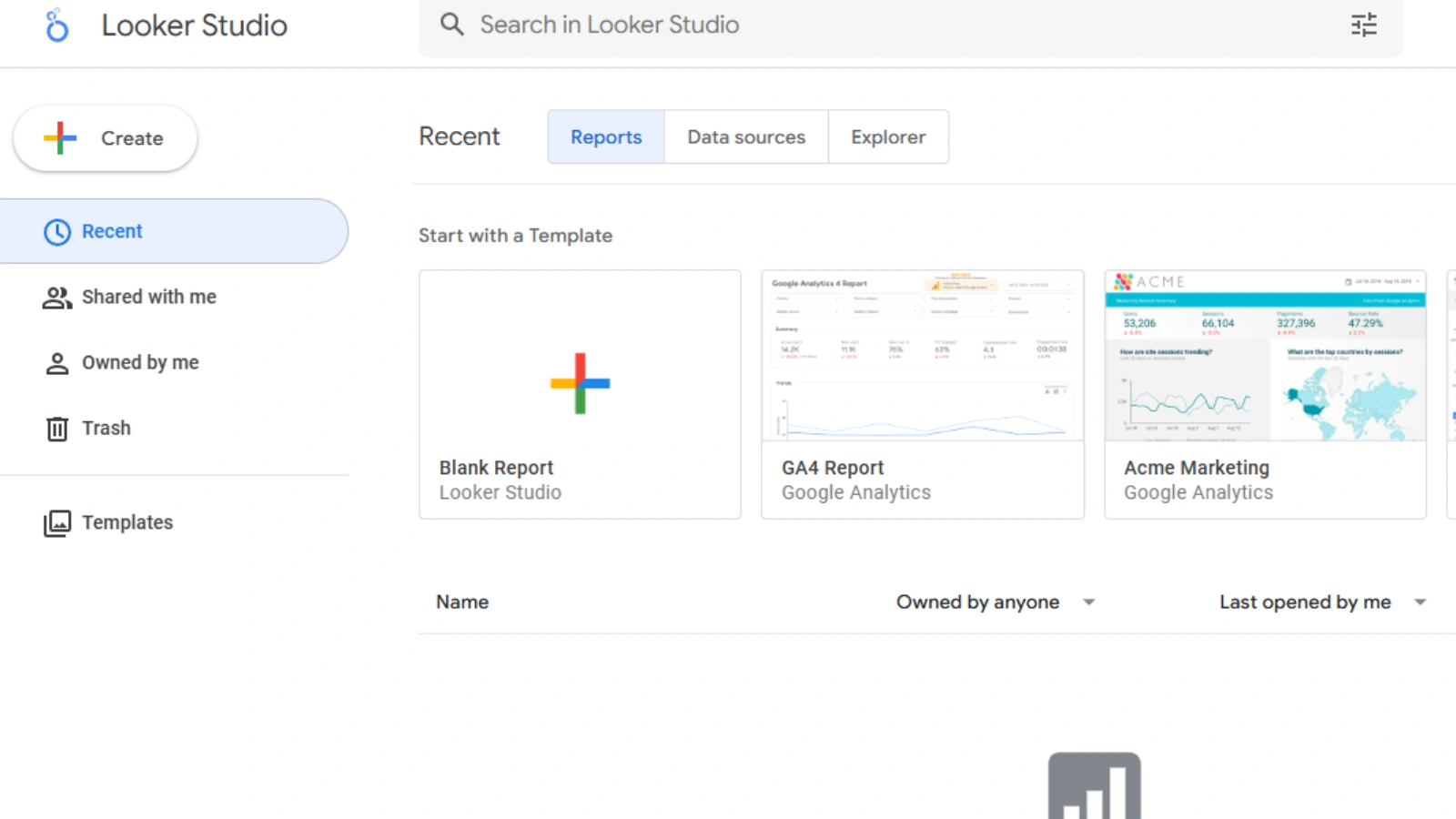
Running ads without a clear view of your data leads to guesswork and wasted budget. Looker Studio turns your data into fully customizable, interactive dashboards and reports that are easy to read and share, connecting to over 800 data sources. Google Cloud integrates natively with Google Ads, Google Analytics, Google Sheets, and BigQuery, making it particularly strong for teams already working within the Google ecosystem. The CMO. The core version is free, which makes it a strong default choice for marketers who want clean, shareable performance dashboards without adding another subscription.
Read More
Marketing AI Tools: The Ultimate Solution For Smarter Campaigns
7 Reasons Why You Need AI Ads Generator For Advertising Your Business
Common Mistakes in AI-Driven Advertising
Using too many tools creates complexity.
A focused set of AI tools for marketing performs better than a scattered approach.
Another mistake is relying entirely on AI-generated creatives without testing. Performance marketing requires iteration.
Ignoring the funnel is also common. Even the best ad won’t convert if the landing page fails.
Finally, many advertisers overlook strategy. AI tools for marketing improve execution, but they don’t replace positioning, messaging, or offering quality.
Conclusion
The real value of AI tools for marketing isn’t in how many you use, but in how well they work together.
They help you create faster, test more variations, and make clearer decisions based on data. But they don’t replace strategy. Your targeting, messaging, and offer still define whether your ads perform or fail.
Keep your approach simple. Focus on your biggest blockage, choose the right tools for that problem, and connect them into a workflow you can actually manage.
As your system improves, your results become more predictable.
That’s when AI tools for marketing stop being just tools and start becoming a real advantage in your advertising strategy.
Frequently Asked Questions
What’s the biggest limitation of AI in advertising?
AI lacks a real understanding of your audience, market context, and brand positioning. It can execute quickly, but it depends on your inputs. Weak strategy means weak results.
Is it better to use specialized tools or all-in-one platforms?
It depends on your workflow. Specialized tools often perform better in specific areas like copy or analytics, while all-in-one tools reduce complexity. The best choice is the one that fits your process without slowing you down.
How do you measure the ROI of AI tools in marketing?
Track how the tool impacts key metrics like time saved, cost per acquisition, conversion rate, or return on ad spend. If it helps you improve results or reduce effort consistently, it’s delivering ROI.
Do AI tools replace media buyers or marketers?
No. They change how work is done, not who does it. AI handles execution and analysis faster, but strategy, decision-making, and creative direction still require human input.
How do AI tools improve ad performance over time?
AI tools learn from performance data like clicks, conversions, and engagement patterns. Over time, they help you identify what messaging, creatives, and audiences work best, so you can double down on what’s effective and cut what isn’t.
MOST POPULAR