
Here’s the short answer: pick an ai ad creative generator built for agencies, not solo creators. You need multi-brand management, cross-platform formats, fast output with guardrails, competitor research, clean approval flows, and pricing that works as you add clients. Do that, and 2026 will be the year you cut rounds of revisions, not headcount.
Speed isn’t your bottleneck; misfit tools are. The right ai ad creative generator should cut approval loops, keep brands on-voice, and ship variants at scale without wrecking margins.
Now, context. You juggle six to twenty clients, each with their own tone, color rules, and asset packs. You ship ads for Meta, Google, TikTok, LinkedIn, X, Pinterest, YouTube, and maybe Snap or Amazon. Meanwhile, a client wants “more thumb-stoppers” by Friday. An ai ad creative generator can help, but only if it fits your stack and your math.
Moreover, you can’t bet the quarter on a pretty demo. You need proof it delivers fast output and stays true to each brand. You also need data to pick concepts worth testing.
For that, tools that include competitor intel and brand identity features beat blank-canvas image toys every time.

What Agencies Actually Need from an AI Ad Creative Generator
Agencies don’t work like solo creators. You manage many brands, across nine or more channels, under contracts that turn on speed and quality. Therefore, your tool must handle brand governance first and volume second, not the other way around.
Brand identity as a feature
First, brand identity must be a feature, not a hope. Tools that learn brand voice, tone, colors, and layouts (think “BrandIQ”-style systems) help your team ship drafts that feel on-brand the first time. As a result, you cut two to three revision rounds per client, which can save hours each week.
Brand governance and scale
Second, platform coverage matters. In practice, “supports 9 ad platforms” means fewer reworks when a client adds Pinterest or LinkedIn late in the cycle. It also means specs get handled for you. That reduces file bounces and keeps your designers focused on concept, not re-sizing.
Third, speed and scale should be real. If a platform claims it can generate “60 ads in 60 seconds,” you should see that in a trial. However, speed without guardrails creates clean-up work. The right balance is fast output plus brand constraints you can set per client.
Finally, pricing must flex from solo creators to scaling agencies. Your margins live or die by seat cost and usage. Flexible plans that grow from a few seats to dozens let you test on one pod, then roll out to the media and creative teams without surprise fees.
Agency-grade vs. creator tools: key differences
- Multi-brand workspaces with per-client brand settings beat a single “style” slider.
- Cross-platform exports for 9 channels reduce handoffs and last-minute rebuilds.
- Built-in brand identity features (like BrandIQ) cut revision rounds and QA time.
- Flexible plans let you start small and expand without re-negotiating mid-year.
In addition, a tool that includes competitor research changes the brief. Instead of guessing, your team can look at a 500M+ ad database and start from proven angles. That’s how you defend creative choices in client meetings and avoid “make the logo bigger” loops.
For deeper context on creative automation, this primer on creative ad AI
A Step-by-Step Framework for Evaluating AI Ad Generators
You can trial five tools and still feel stuck. Use this six-step check to make a call you won’t regret in Q4.
Step 1: Multi-brand management
Create two real client workspaces. Then, load brand voice, fonts, colors, and logo sets. Next, test if writers and designers can lock rules per brand. If the platform can’t enforce brand identity features (think BrandIQ-style controls), you’ll pay that tax in revisions.
Step 2: Platform coverage
Export creative for nine channels: Meta, Google, TikTok, LinkedIn, X, YouTube, Pinterest, Snap, and Amazon Ads. If the tool “supports 9 ad platforms,” your assets should export with the right specs on the first try. Otherwise, you’re signing up for extra rework.
Step 3: Creative output volume and speed
Time it. Can the tool generate 60 ads in 60 seconds using your brief and brand rules? Moreover, are the first ten good enough to send to a client as a draft board? If speed forces you to fix tone, spacing, or compliance issues, it’s not a net win.
Try instant creative ideation →
Step 4: Competitor intelligence
Ask for live data, not “trends.” A 500M+ competitor ad database should let you filter by industry, platform, region, and format. Build a one-page “what wins” cheat sheet. Use it to seed your first round of variants. For testing basics, see A/B testing for a shared language with clients.
Step 5: Approval workflows
Your process is where deals leak margin. Therefore, check if the tool supports comments, versioning, and shareable links with permissions. If legal needs access, test read-only shares. If clients prefer boards, export a board that looks like your current deck.
Step 6: Pricing at scale
Run the numbers. Look for plans from $49 per month up to enterprise custom pricing. Price it for your next two hires and one new client pod. Then, add expected usage. If extra credits spike your cost per asset, your Q2 margin will take the hit.
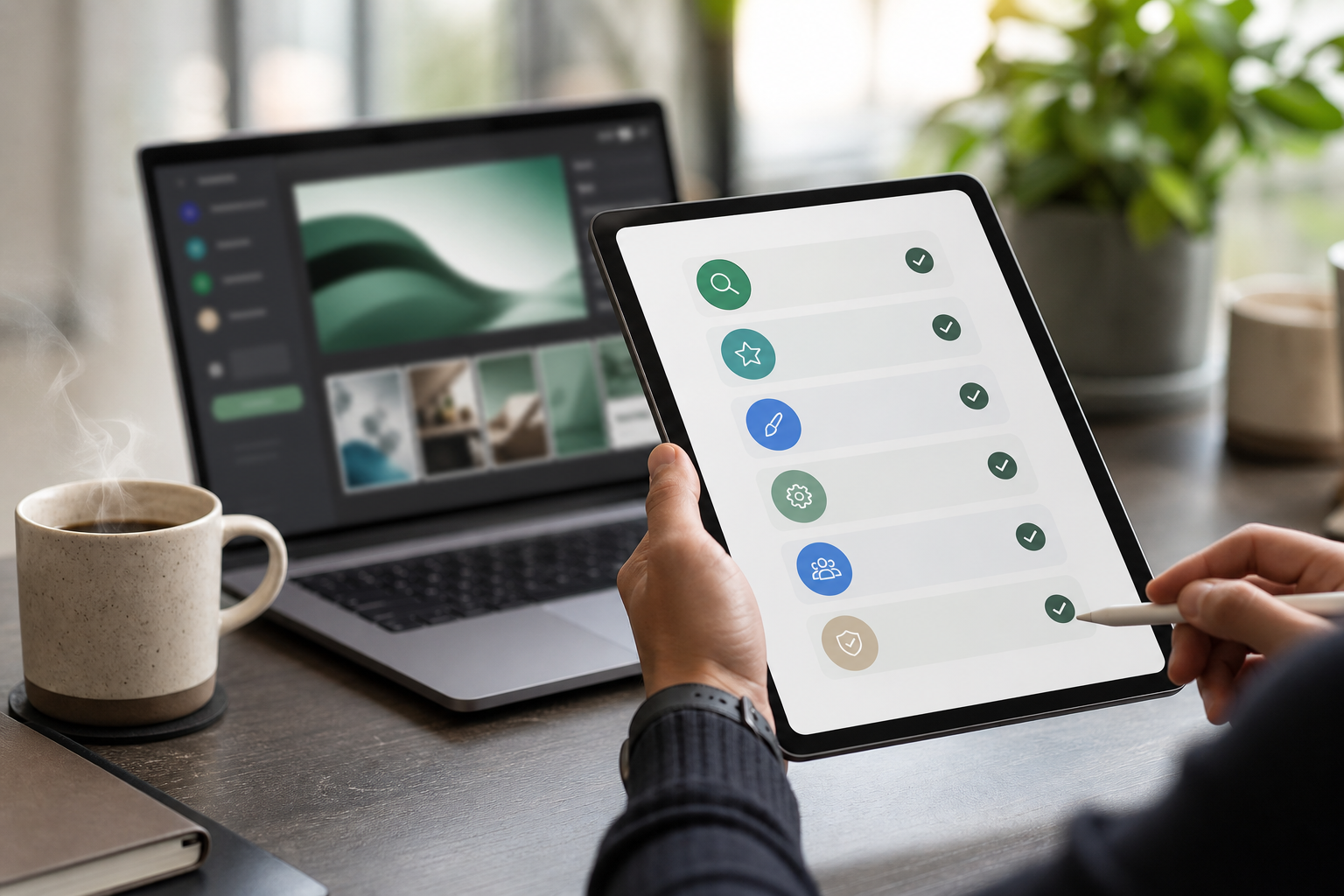
In addition, borrow a page from your media mix testing. Set a 30-day trial window and define success up front: fewer rounds of edits, faster first drafts, and more testable variants. If a tool hits those, you can justify rollout.
Also Read!
5 Mistakes Agencies Make When Adopting AI Ad Creative Tools
You don’t lose time on the first day. You lose it in week three, when habits clash with new flows. Avoid these five traps.

Mistake 1: Choosing on price alone
Cheap can get expensive. A plan that saves $50 per seat but adds a half hour of cleanup per batch will cost you more by Friday. Therefore, price it against your real workload and expected seat count this quarter.
Mistake 2: Ignoring brand consistency
Skipping brand setup is like sending interns to a pitch without a brief. Use brand identity features such as BrandIQ-style profiles on day one. Then, lock tone, color, and logo use. As a result, you’ll stop hearing “this doesn’t look like us.
Mistake 3: Not testing across platforms
A concept that sings on TikTok might flop on LinkedIn. Test exports and variants for each channel you run. Moreover, ensure the tool supports 9 platforms so your team isn’t stuck resizing at 6 p.m.
Mistake 4: Skipping competitor research features
Guessing wastes budget. Use a Competitor Intel feature tied to a 500M+ ad database to find angles, hooks, and layouts that already perform. Then, run your own A/B testing plan to confirm fit with your audience.
Mistake 5: Failing to train the team
Tools don’t fail, adoption does. Book Expert-Led Training in week one. Show the team how to go from brief to board in under 15 minutes. In addition, set a Slack channel for wins and fixes so habits change fast.
For more on pairing human craft with models, this explainer on ai powered ad creative lays out workflows you can copy.
Top AI Ad Creative Generators Worth Evaluating in 2026
Here’s a neutral, agency-focused snapshot of five tools you should shortlist. Your needs may vary by client mix, team size, and compliance rules.
AdsGPT (one option)
- Pros: Generates 60 ads in 60 seconds, taps a 500M+ ad database for competitor intel, supports 9 platforms, and is SOC 2 Type II certified. Offers a free plan with 35 credits and scales to enterprise.
- Cons: Speed can tempt teams to over-produce variants; you’ll still need a clear testing plan.
AdCreative.
- Pros: Known for fast image ad generation and performance-focused scoring. Good for paid social teams that need lots of static options.
- Cons: Brand voice nuance may need extra passes for complex accounts.
Creatopy
- Pros: Strong on banner sets, sizes, and brand management for display-heavy accounts. Handy for large batch exports.
- Cons: Can feel template-first; motion and voice nuance might need add-ons.
Pencil (by Brandtech)
- Pros: Focus on predictive creative and insights for performance marketers who want data-driven angles.
- Cons: Learning curve for smaller teams; not ideal for quick-turn mockups.
Canva AI
- Pros: Ubiquitous, easy for cross-functional teams, and quick for mockups and decks.
- Cons: Not built for deep competitor intel or multi-brand approvals at agency scale.
“We trimmed first-draft time from hours to minutes and kept edits tight by locking brand rules up front. That’s how we won back Fridays.” — A senior creative lead
In addition, consider your security and client demands. If you work with regulated brands, note certifications such as SOC 2 Type II. And if you need proof your choice scales, social proof like “10K+ happy marketers” is a helpful, if directional, signal, ask for case studies that match your vertical.
For a broader primer on process, bookmark this ad creative generator breakdown for your team.
What to Do This Week: Your Agency’s AI Ad Creative Action Plan
You don’t need a quarter to test this. Use five business days and a real client brief.
Day 1.
- Map your current steps from brief to launch. Time each step. Flag brand checks, file bounces, and approval waits.
Day 2.
- Choose options that support 9 platforms and include brand identity features. Sign up for a free plan with 35 ad credits; no credit card required.
Day 3.
- Feed the same inputs to both tools. Aim for 60 ads in 60 seconds and pick the top 12 variants. Export for two platforms.
Day 4.
- Present both sets to your pod. Score on speed, brand fit, and testability. Include 3–5 competitor-backed angles.
Day 5.
- Pick one tool. Book Expert-Led Training. Define success: fewer edits, faster drafts, and more live tests in 30 days.
**See pricing for agencies →
Key Takeaways
- Choose an ai ad creative generator built for agencies: brand rules, 9 platforms, and approval flows.
- Validate speed and scale with a real brief: 60 ads in 60 seconds is only a win if on-brand.
- Use a 500M+ ad database for competitor intel to seed smarter tests and defend concepts.
- Price for growth: plans from $49/mo to enterprise custom pricing should map to your hiring plan.
- Reduce risk with security (SOC 2 Type II) and a free plan with 35 credits to trial before rollout.
Before you lock your 2026 tool stack, run the five-day plan above. You’ll get real data, faster drafts, and a choice your team, and your clients, can stand behind.


MOST POPULAR