Brand consistency is the cornerstone of a recognizable, trustworthy, and credible business. When a brand presents a unified image across all touchpoints websites, social media, ads, and emails it builds customer trust and strengthens loyalty. However, maintaining this consistency is no easy task, especially for organizations managing multiple teams, platforms, and content types.
Many businesses struggle with inconsistent visuals, messaging, or tone, which can dilute their brand identity and confuse customers. Manual methods of checking branding standards are time-consuming and prone to errors, making it difficult to scale consistency across large organizations.
AI-powered tools, such as AdsGPT, are transforming how companies maintain brand consistency. By automating audits, monitoring content in real-time, and providing smart recommendations, these tools make it possible to uphold branding standards effortlessly across platforms and campaigns. In this blog, we’ll explore how to maintain brand consistency effectively, the challenges involved, and how AI can simplify the process for modern businesses.
What Is Brand Consistency?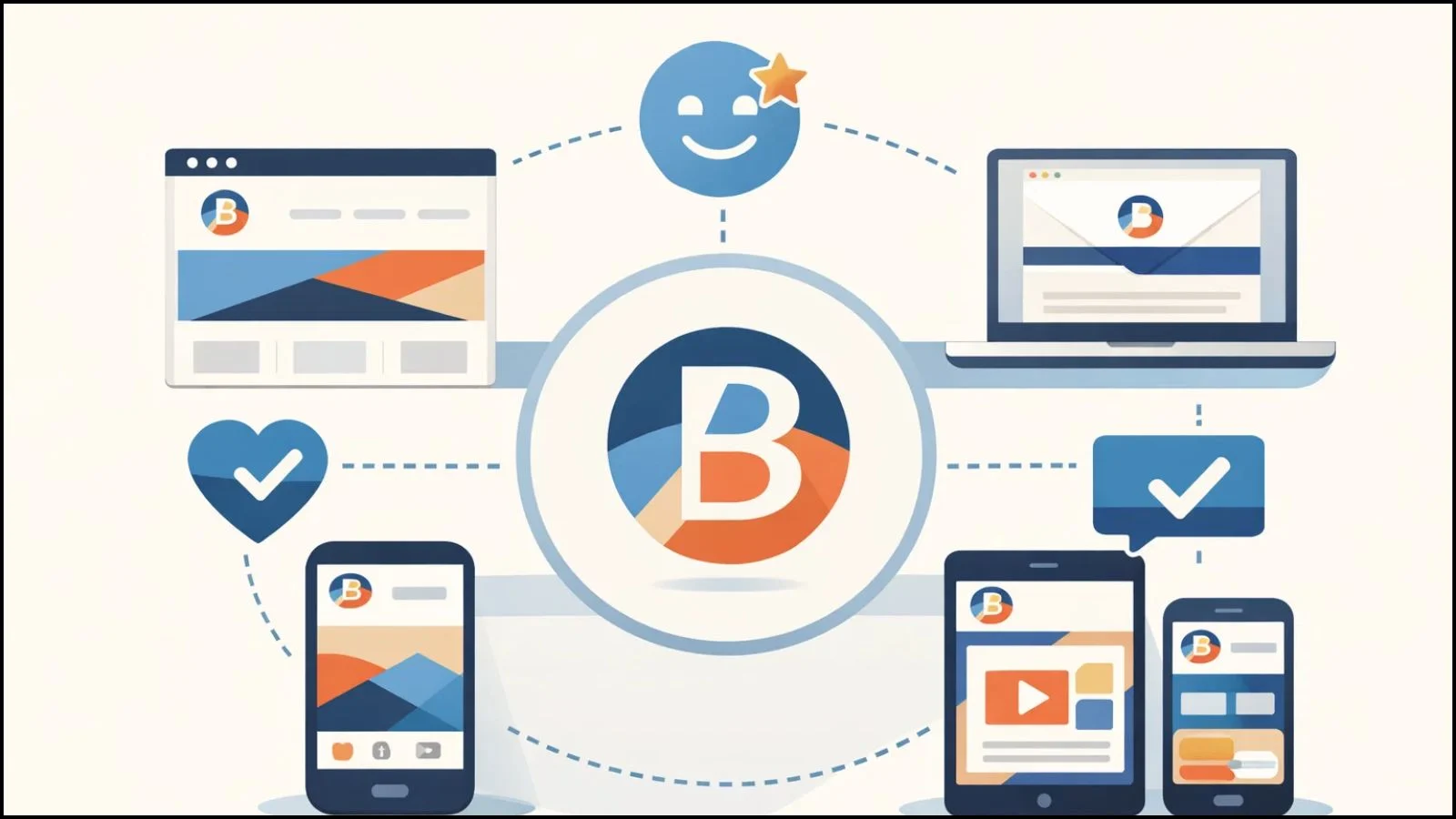
Brand consistency refers to presenting a uniform identity across all customer touchpoints, ensuring that the visual style, messaging, tone, and values are aligned. When done correctly, it strengthens brand recognition, builds trust, and creates a lasting impression on customers.
Key elements of brand consistency include:
- Visual Identity: Logos, colors, typography, and imagery must be uniform across platforms.
- Messaging and Tone: Brand voice, slogans, and messaging should remain coherent, whether on social media, email campaigns, or advertisements.
- Values and Personality: The brand’s core values and personality should be consistently reflected in every communication.
Maintaining branding consistency is more than simply adhering to a style guide—it’s about ensuring that every interaction reflects the same brand story. Companies that prioritize consistent branding enjoy higher customer loyalty, increased engagement, and a stronger market presence.
Common Challenges in Maintaining Brand Consistency
Maintaining brand consistency can be challenging, especially as organizations grow and content multiplies across channels. Some of the most common hurdles include:
- Dispersed Teams and Multiple Platforms
With marketing, sales, and creative teams working in different locations and on various platforms, ensuring uniform messaging and visuals becomes complex. Without centralized control, inconsistencies can easily slip through. - Manual Tracking and Oversight
Relying on manual audits or checks for branding compliance is time-consuming and prone to human error. Inconsistencies in logos, fonts, or tone may go unnoticed, undermining the brand identity. - Evolving Content Needs
Frequent updates to campaigns, social media posts, and marketing materials increase the risk of inconsistencies. Teams may adapt content differently, unintentionally deviating from established brand standards. - Lack of Centralized Guidelines
Without accessible, clear, and enforceable brand guidelines, employees may interpret branding rules differently, leading to fragmented messaging.
Addressing these challenges requires structured processes, clear documentation, and increasingly, AI-powered solutions that can monitor and enforce brand standards automatically.
How to Measure Brand Consistency Across an Organization
Measuring brand consistency is crucial to ensure that your messaging, visuals, and tone align across all channels and teams. Without proper measurement, inconsistencies can accumulate, weakening your brand’s identity and customer trust.
- Conduct Regular Content Audits
Review marketing materials, social media posts, advertisements, and internal communications to identify discrepancies in logos, colors, fonts, and messaging. Audits help highlight areas where the brand deviates from established guidelines. - Monitor Visual and Messaging Compliance
Check that visual elements like logos, images, and typography match brand standards. Similarly, evaluate whether messaging and tone reflect the brand’s core values consistently across campaigns. - Utilize Feedback from Teams and Customers
Gather input from employees and customers to understand how the brand is perceived. Surveys and feedback forms can reveal inconsistencies that may not be immediately visible through audits alone. - Implement Metrics and KPIs
Track measurable indicators of brand consistency, such as social media engagement alignment, content approval rates, or adherence to style guides. These metrics provide actionable insights for improvement.
Maintaining Brand Consistency Across Platforms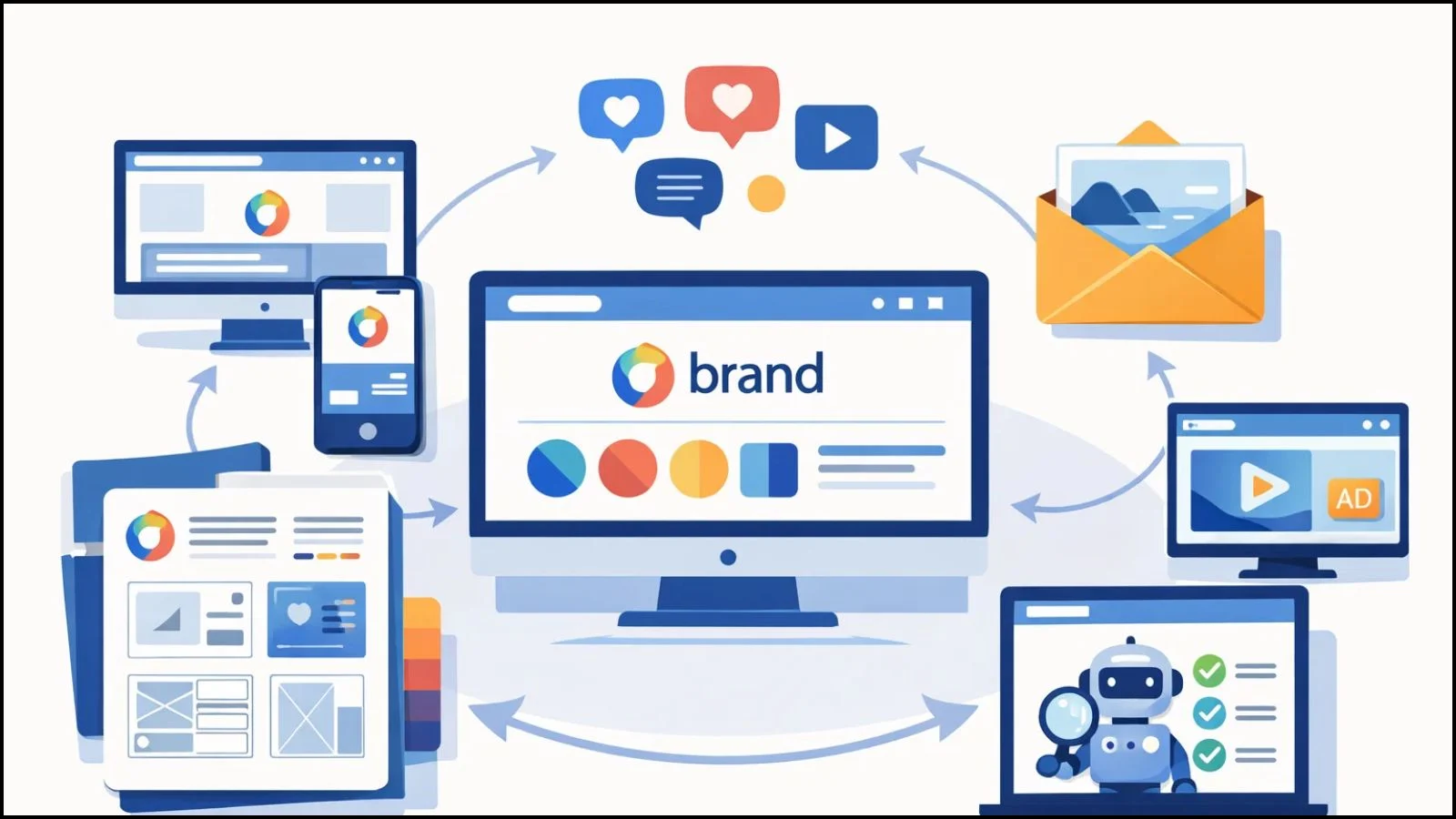
Ensuring brand consistency across multiple platforms is essential for building recognition and trust. Customers interact with a brand through websites, social media, email campaigns, advertisements, and even physical stores, so maintaining a unified identity is critical.
- Standardize Visual Elements
Use consistent logos, color palettes, typography, and imagery across all channels. Standardized visual elements make your brand instantly recognizable and reinforce your identity. - Align Messaging and Tone
Maintain a coherent brand voice in every piece of communication. Whether it’s social media captions, email newsletters, or ad copy, the tone should reflect the brand’s personality and values. - Use Templates and Guidelines
Develop templates for social posts, email campaigns, advertisements, and reports. Clear brand guidelines help teams follow the same rules and reduce the risk of inconsistencies. - Monitor Cross-Platform Performance
Regularly review content across platforms to ensure branding compliance. AI-powered tools can automate this process, flagging deviations and providing recommendations for corrections.
Role of AI-Powered Tools in Achieving Branding Consistency
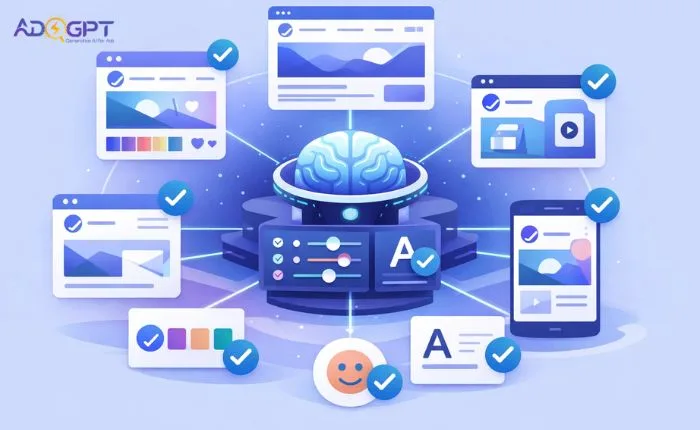
AI-powered tools are transforming how businesses maintain brand consistency by automating monitoring, analysis, and enforcement of brand guidelines. These tools reduce human error, save time, and ensure that all content aligns with your brand identity across channels.
- Automated Brand Audits
AI tools can scan websites, social media, and marketing materials in real time to detect inconsistencies in logos, colors, fonts, and messaging. This allows teams to quickly correct errors before they affect the brand image. - Real-Time Content Analysis
AI analyzes new content as it is created or published, flagging potential deviations from brand guidelines. This ensures that messaging, tone, and visuals remain consistent across all platforms. - Smart Recommendations
AI-powered systems provide actionable recommendations to align content with established brand standards. Whether adjusting phrasing, resizing logos, or updating color schemes, these suggestions help maintain uniformity without slowing down workflows. - Multi-Platform Enforcement
By integrating with different content management systems, AI ensures branding consistency across social media, websites, email campaigns, and advertisements simultaneously.
The adoption of AI-powered tools not only simplifies the process of maintaining brand consistency but also allows marketing teams to focus on creativity and strategy while ensuring that every piece of content reinforces the brand identity.
How AdsGPT Supports Effortless Brand Consistency
For organizations looking to maintain brand consistency without the manual overhead, AdsGPT provides AI-powered solutions that streamline the process and ensure your brand stays aligned across all channels.
Key Capabilities:
- AI-Powered Content Creation: Generate marketing copy, social posts, and ads that automatically follow your brand guidelines.
- Automated Monitoring: AdsGPT scans content across platforms in real time, detecting inconsistencies and suggesting corrections.
- Multi-Channel Alignment: Ensure that visuals, tone, and messaging are consistent across websites, social media, email campaigns, and advertising channels.
- Workflow Optimization: Reduce manual approvals and audits, allowing teams to focus on strategy and creativity.
By leveraging AdsGPT, businesses can maintain a cohesive brand identity effortlessly, improve efficiency, and strengthen customer trust. AI ensures that your brand guidelines are applied consistently, helping your marketing campaigns resonate and remain recognizable across every platform.
Best Practices for Sustaining Brand Consistency
Maintaining brand consistency requires more than just tools it requires structured processes and team alignment. Here are best practices to ensure your brand stays cohesive over time:
- Establish Clear Brand Guidelines
Document your visual identity, tone of voice, messaging, and values. Ensure these guidelines are easily accessible to all teams and updated regularly to reflect any brand evolution. - Train Teams Effectively
Educate marketing, sales, and creative teams on brand standards. Consistent training ensures employees understand how to apply the guidelines across different platforms and content types. - Conduct Regular Audits
Periodic reviews of all marketing materials, social media content, and ads help identify inconsistencies early. AI-powered tools can automate audits to save time and improve accuracy. - Use Templates and Standardized Assets
Develop templates for social media, email campaigns, ads, and presentations. Standardized assets make it easier for teams to maintain visual and messaging consistency. - Encourage Feedback Loops
Create a system where employees can report inconsistencies or suggest improvements. Open communication ensures rapid correction and continuous improvement in branding efforts.
Future of Brand Consistency with AI
The future of brand consistency lies in leveraging AI to create smarter, more adaptive branding strategies. As businesses scale and content multiplies across channels, AI ensures that brands remain cohesive, relevant, and engaging.
- Predictive Branding
AI can analyze customer behavior, engagement trends, and campaign performance to predict which messaging and visuals will resonate best. This allows brands to maintain consistency while tailoring content for maximum impact. - Adaptive Messaging
AI-driven tools can automatically adjust messaging and tone to suit different platforms or audience segments, all while adhering to core brand guidelines. This ensures that personalization does not compromise brand identity. - Integration with Marketing Automation
Future AI systems will seamlessly integrate with content management and marketing automation platforms. This enables real-time monitoring, correction, and deployment of brand-compliant content across all channels. - Long-Term Brand Strategy Support
AI will serve as a strategic partner, helping brands evolve without losing consistency. From visual identity to tone and messaging, AI ensures that all brand touchpoints remain aligned, even as trends and consumer expectations change.
By adopting AI-powered solutions, organizations can future-proof their branding efforts, maintain trust, and deliver a consistent experience across every interaction with their audience.
Conclusion
Maintaining brand consistency is essential for building recognition, trust, and loyalty. With multiple platforms, dispersed teams, and evolving content demands, manual methods alone are no longer sufficient to ensure a unified brand identity.
AI-powered tools like AdsGPT make maintaining brand consistency effortless. By automating content audits, monitoring visuals and messaging in real time, and providing smart recommendations, AdsGPT ensures that every piece of marketing content aligns with your brand guidelines. This not only saves time but also strengthens brand credibility and customer trust.
Organizations that adopt AI-driven solutions can focus on creativity and strategy while confidently maintaining a cohesive brand across all platforms. Investing in such technology ensures that branding consistency becomes a seamless part of everyday operations, helping businesses stay competitive in a fast-paced digital landscape.
FAQs
- Why is brand consistency important for businesses?
Brand consistency builds recognition, trust, and customer loyalty, ensuring that all interactions reflect the same identity and values. - How can AI tools help maintain brand consistency?
AI tools automate content audits, monitor visuals and messaging in real time, and provide recommendations to ensure all materials follow brand guidelines. - What are the best practices to sustain branding consistency?
Establish clear guidelines, train teams, use templates, conduct regular audits, and leverage AI tools to maintain consistent branding across platforms.

MOST POPULAR