Consumers do not respond to advertising the way they once did. Most people skip commercials, scroll past sponsored posts, and ignore repetitive brand messages. To truly capture attention and build meaningful relationships, companies need more than promotions, they need real interaction. Experiential marketing helps brands create immersive moments that connect with people on a deeper, emotional level.
Rather than simply promoting products or services, this approach invites audiences to participate in branded moments. It builds emotional connections through direct engagement, turning passive viewers into active participants. When brands create powerful experiences, they move beyond transactions and cultivate long-term loyalty.
This comprehensive guide explores strategy, execution, measurement, and how intelligent tools like AdsGPT can amplify results effectively.
In a hurry? Listen to the blog instead!
What Is Experiential Marketing And How Does It Work?
To fully grasp what is experiential marketing, you must look beyond event-based promotions. It represents a strategic approach that allows consumers to interact with a brand in real time, either physically or digitally. Instead of telling audiences why a product matters, brands allow them to experience its value directly.
Through immersive environments, pop-ups, interactive installations, live demonstrations, and digital activations, brands create memorable moments that leave a lasting impression. These experiences trigger emotional responses, which strongly influence purchasing decisions.
Consumers remember how a brand made them feel. When businesses design meaningful interactions, they increase brand recall, trust, and long-term success while continuously makeing trends that audiences notice and follow.
Why Do Modern Brands Prioritize Immersive Engagement?
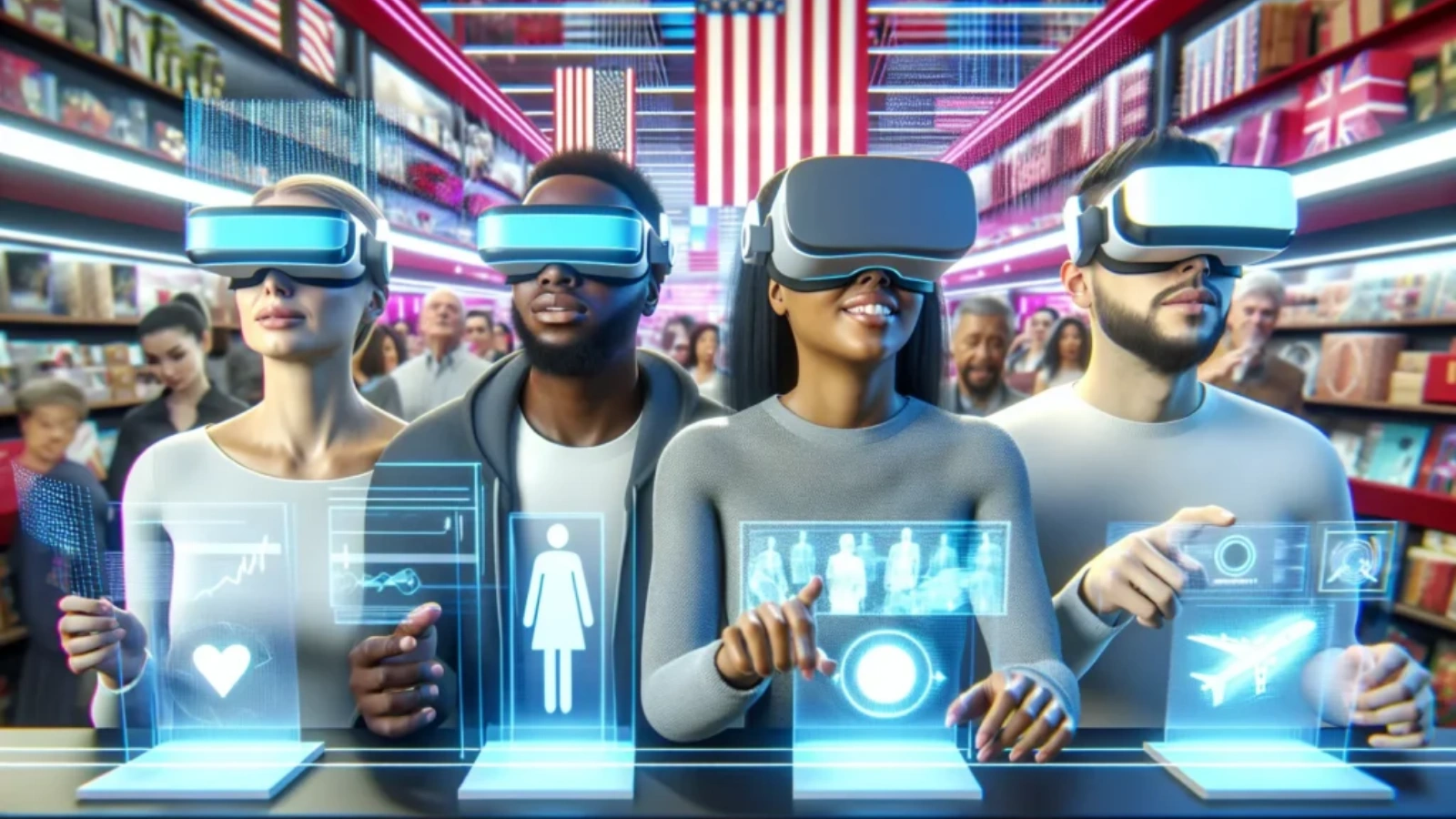
Marketing leaders often explore why experiential marketing is important in an era dominated by digital noise. The answer lies in behavioral psychology. Emotional engagement drives stronger buying intent than exposure alone.
When customers physically interact with a product or participate in a brand-led activity, they form stronger cognitive associations. This approach enhances memory retention, strengthens emotional loyalty, and encourages word-of-mouth advocacy.
Key benefits include:
Stronger Brand Recall:
Interactive experiences stay in memory far longer than static advertisements.
Authentic Relationship Building:
Live participation builds credibility. Customers trust brands they can experience firsthand.
Organic Social Amplification:
Participants naturally share engaging moments on social media, expanding reach organically.
Higher Conversion Potential:
Emotional engagement increases purchase intent and post-event brand affinity.
Brands that focus on meaningful interactions consistently outperform those relying solely on traditional media channels.
Also Read:
How To Leverage AI Marketing Trends For Business Growth?
AI In Marketing: How Businesses Use AI To Improve Results
What Are The Strategic Foundations For Experiential Marketing Success?
A successful campaign requires clear structure, strong creativity, and measurable objectives. Without strategic alignment, even the most visually impressive activation can struggle to generate meaningful ROI.
Define Clear Objectives:
Determine whether your goal involves awareness, product education, lead generation, or community engagement. Clear direction shapes execution decisions.
Understand Your Audience:
Research audience behaviors, motivations, and preferences. Build detailed personas to design relevant interactions.
Craft a Compelling Narrative:
Storytelling strengthens emotional impact. Align the activation with your brand mission and core values.
Encourage Participation:
Interactive elements such as gamification, product trials, immersive technology, and live engagement create lasting impressions.
Integrate Digital Touchpoints:
Bridge offline experiences with digital platforms to extend engagement beyond the event.
When these elements align, it becomes a powerful growth engine rather than a one-time event.
Promotion And Amplification: The Overlooked Multiplier
Even the most creative experiential marketing campaign requires strategic promotion to maximize attendance and engagement. Without compelling messaging, target audiences may never discover the activation.
Modern campaigns run across multiple digital platforms, including Google, Meta, LinkedIn, and Twitter. Each platform demands tailored messaging that aligns with its unique format and audience behavior. Crafting persuasive ad copy manually for each channel can consume significant time and resources.
This is where intelligent tools like AdsGPT play a strategic role. While immersive experiences capture attention offline or digitally, AdsGPT strengthens promotion by generating high-performing ad copy instantly. Instead of spending hours drafting headlines and descriptions, marketing teams can produce optimized messaging within seconds. This efficiency ensures experiential marketing campaigns launch faster and maintain consistency across channels.
By combining immersive brand interactions with AI-powered ad creation, companies can amplify reach, increase registrations, and drive measurable participation.
How To Build A Results-Oriented Plan?

Understanding how to write an experiential marketing strategy ensures clarity and accountability. Strategic documentation transforms creative ideas into measurable outcomes.
Start by defining your primary objective. Align it with broader business goals such as revenue growth or market expansion.
Next, identify your target audience segments. Determine where they spend time, what motivates them, and how they engage with brands.
Outline operational components:
- Budget allocation
- Event format or digital platform
- Timeline and campaign phases
- Staffing and logistics
- Technology requirements
- Risk management plan
Then establish measurable KPIs, including engagement rates, lead generation numbers, and social media reach.
Promotion planning must also remain central. Effective campaigns rely on pre-event awareness efforts, influencer collaborations, and targeted digital advertising to maximize reach and participation.
When every component aligns with clear objectives, brands reduce risk and maximize performance.
What Execution Formats Deliver The Greatest Impact In Experiential Marketing?
The flexibility of experiential marketing allows brands to activate campaigns in multiple formats based on goals, audience behavior, and budget. Choosing the right format directly influences engagement and overall impact.
Pop-Up Installations:
Temporary branded spaces in high-traffic areas create urgency and exclusivity. They allow customers to interact with products directly and generate strong social media buzz.
Trade Show Activations:
Interactive booths help brands stand out in competitive exhibition spaces. Live demos and engaging displays increase visibility and lead generation.
Community Events:
Local events build authentic relationships and strengthen brand trust. They position the brand as socially involved and customer-focused.
Virtual Experiences:
Digital activations like AR filters or live-streamed events expand reach beyond physical limits. They also enable easy data collection and performance tracking.
Hybrid Activations:
Hybrid campaigns combine physical presence with digital amplification. This approach extends engagement beyond the event location and duration.
Selecting the right format depends on strategic objectives, audience preferences, and available resources.
How Can You Measure Performance And ROI In Experiential Marketing?
Creative excellence must align with measurable impact. Many marketers look for clear methods to evaluate campaign effectiveness and prove real business results.
Begin by tracking attendance and participation metrics. Measure registrations, check-ins, and interaction frequency.
Monitor digital amplification through social shares, hashtag usage, and user-generated content.
Collect lead information through QR codes, app sign-ups, and gated content.
Conduct post-event surveys to evaluate brand perception shifts and purchase intent.
Finally, analyze sales performance data following the activation. Compare results against predefined KPIs to determine overall success.
Data-driven evaluation turns immersive campaigns from creative experiments into accountable, performance-focused investments.
How AdsGPT Strengthens experiential marketing Campaigns?
Immersive experiences create emotional impact, but strategic communication drives participation. AdsGPT enhances experiential marketing by simplifying and accelerating ad creation across multiple platforms.
Instant Ad Copy Generation:
AdsGPT generates tailor-made ad copies in seconds for Google, Meta, LinkedIn, Twitter, and other channels. This speed allows teams to promote activations without delays.
AI-Powered Creativity:
The platform leverages AI-driven insights to craft engaging and high-performing ads. It aligns messaging with audience psychology and proven advertising frameworks.
Platform-Specific Optimization:
Each digital platform requires different formatting and tone. AdsGPT automatically optimizes content according to platform specifications, ensuring compliance and performance consistency.
Competitor Ad Inspiration:
Competitive analysis supports smarter positioning. AdsGPT allows marketers to analyze competitor ads and generate similar structured copies instantly, strengthening promotional strategies.
Creation History Tracking:
Marketing teams can access previous ad copies anytime. This feature supports performance comparison, strategy refinement, and ongoing campaign improvement.
Intuitive and Dynamic Interface:
The platform offers a user-friendly design that allows quick experimentation and message refinement. Teams can test variations effortlessly before launching campaigns.
By integrating AdsGPT into experiential marketing workflows, brands streamline promotion, reduce creative bottlenecks, and improve campaign scalability.
The Future Of Immersive Brand Experiences

Final Thoughts
Modern consumers crave connection, not interruption. Traditional advertising alone cannot build lasting loyalty. experiential marketing empowers brands to create moments that inspire trust, engagement, and advocacy.
When companies combine immersive experiences with intelligent promotional tools like AdsGPT, they unlock powerful synergy. Strategic planning, data-driven measurement, and creative storytelling ensure campaigns deliver both emotional impact and measurable ROI.
Brands that invest in immersive brand experiences today position themselves as leaders in an increasingly experience-driven marketplace.
FAQs
1. How does experiential marketing differ from event marketing?
Event marketing focuses on organizing and promoting events, while experiential marketing centers on creating immersive brand interactions. An event may inform audiences, but experiential strategies actively involve them in meaningful participation.
2. Is this strategy suitable for small businesses?
Yes. Small businesses can design cost-effective activations such as community workshops, in-store demos, pop-up collaborations, or interactive social media challenges. Success depends more on creativity and audience understanding than on budget size.
3. How long should an immersive campaign run?
Campaign duration depends on objectives. Some activations run for a single day, while others extend for weeks. Hybrid models often combine short-term physical engagement with long-term digital follow-up.
4. How can brands measure the success of experiential marketing campaigns?
Brands can measure success through attendance numbers, engagement rates, social media mentions, lead generation, customer feedback, and post-campaign sales performance. Tracking clear KPIs helps determine ROI and improve future campaigns.

MOST POPULAR