A few years ago, producing a professional video meant hiring a crew, booking a studio, and spending days in post-production. Today, you can type a sentence and watch it become a fully rendered video in minutes. Text to video AI has quietly rewritten the rules of content creation, and the shift is only getting faster.
Whether you are a solo creator, a small business, or a large marketing team, understanding how this technology works, and how to use it effectively could be one of the most important skills you develop this year. This guide walks you through everything: what it is, how it works, where it is heading, and which tools deserve your attention right now.
Listen To The Podcast Now!
What Is Text To Video AI?
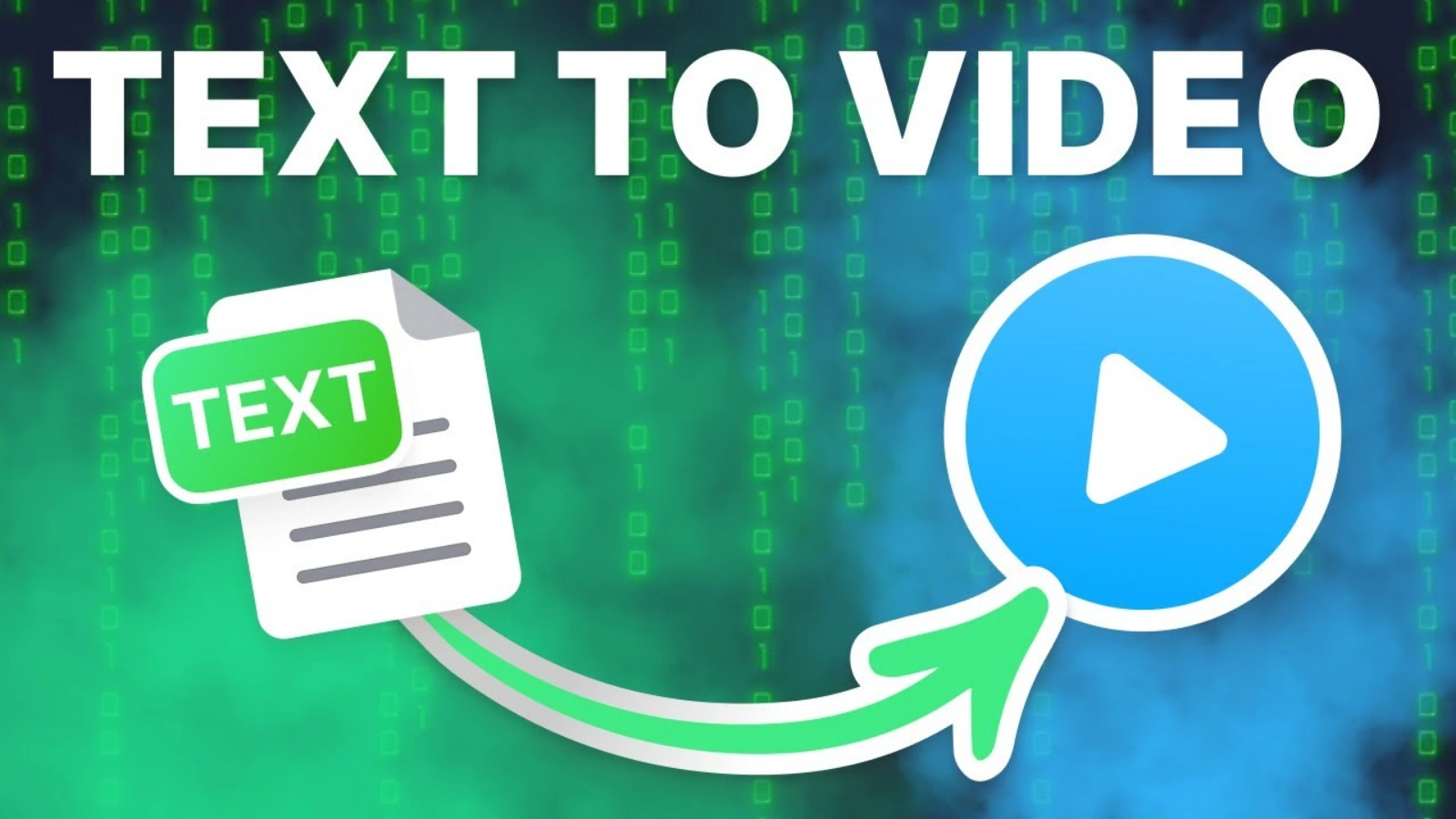
At its core, text to video AI is a technology that takes written input, a script, a prompt, or even a single sentence, and converts it into a video automatically. The AI interprets your words, selects or generates visuals, adds motion, and assembles everything into a watchable clip. No timeline scrubbing. No keyframes. No exporting nightmares.
This is not just a screen recording with subtitles. Modern systems use large generative models trained on billions of image-video pairs. They understand context, style, pacing, and visual storytelling. The result is often surprisingly coherent and increasingly impressive, especially for use cases like video ad generation.
The rise of AI video generators has democratised video production in a way that stock footage libraries and simple editors never could. Anyone with an idea and a keyboard now has access to a production pipeline.
Why The Demand For Text To Video AI Is Exploding?
Video is the dominant content format across every major platform. Short-form video drives engagement on social media. Explainer videos convert better on landing pages. Product demos close more sales than static images. Yet for most creators and businesses, producing video consistently has always been the bottleneck.
The demand is also being driven by cost. Professional video production is expensive. Even mid-tier production runs into thousands of dollars per minute of finished content. This technology compresses that cost to nearly zero, especially with the growing number of tools that offer a free generator tier for creators just getting started.
How Text To Video AI Actually Works?
The mechanics behind text to video AI depend on the type of tool you are using. Most modern platforms fall into one of three categories.
Template-Based Generation:
You write a script, and the AI matches your words to a library of pre-shot footage, adds transitions, applies your brand colours, and renders a finished video. This is the most reliable approach for business content and explainers. Tools in this category produce consistent, polished output fast.
AI Avatar Videos:
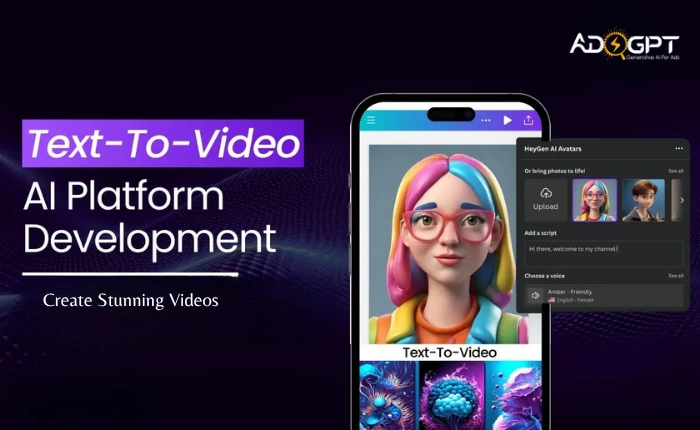
Here, text to video AI generates a realistic digital human who reads your script aloud. You choose an avatar, type your content, and the result is a presenter-style video with no filming required. This category is growing fast in corporate training, e-learning, and product education.
Fully Generative Video:
This is the cutting edge. You describe a scene, “a lone lighthouse in a storm at dusk”, and the AI generates every frame from scratch. Tools like Sora and Runway have pushed this category into mainstream awareness.
The output is cinematic and often extraordinary, though it still requires skilled prompting to get right. Using a capable ai text to video generator free trial is a great way to explore this before committing to a paid plan.
What Are The Practical Uses Of Text To Video AI In 2026?
Text to video AI is not a novelty. It is being used seriously across industries right now. Here are the most impactful applications.
Social Media Content:
Convert blog posts, tips, or product updates into short-form video for Instagram, LinkedIn, and TikTok, daily, at scale.
Online Learning:
Course creators use this technology to build full lesson libraries without filming equipment or editing expertise.
Product Marketing:
E-commerce brands generate product explainers, testimonial-style clips, and promotional videos at a fraction of traditional costs.
Multilingual Content:
Translate scripts and regenerate videos in multiple languages, same quality, zero extra production cost.
Also Read:
How To Create High-Converting Ads With A Video Ad Generator?
Video Ads That Actually Convert: What Works Today
Tips For Getting Better Results From Text To Video AI
The quality of your output depends heavily on how you approach the input. Text to video AI tools are only as good as the instructions you give them. A vague prompt produces a vague video. Specific, structured input produces something you can actually use.
Start with a clear structure: an opening hook, a core message, and a call to action. Keep sentences short. Avoid complex jargon unless your tool is trained on your industry. Always preview before you export; most platforms let you tweak pacing, visuals, and voice before the final render.
If you are using this technology for branded content, upload your logo, define your colour palette, and set a consistent tone from the start. Consistency is what turns a collection of videos into a recognisable brand presence.
“Great prompts produce great videos. Treat your script like a creative brief, not a rough note.”
Of course, video is only one piece of the content puzzle. Once you have created your video, you still need compelling ad copy to promote it, especially if you are running paid campaigns. This is where tools like AdsGPT become genuinely valuable. While text to video AI handles the visual side of your marketing, AdsGPT takes care of the written side, generating high-performing ad copy for Google, Meta, LinkedIn, and more, in seconds.
How Does AdsGPT Help You Turn Videos Into High-Converting Ad Copy?
You have produced the video. Now you need words that make people stop scrolling and actually click. AdsGPT is an AI-powered ad copy generator built to do exactly that, without requiring writing skills, marketing experience, or hours of guesswork.
It works on every major platform, Google, Meta, LinkedIn, Twitter, and more, and generates copy that is optimised for each platform’s tone and character limits. Whether you are launching a product, promoting a service, or running a retargeting campaign to support your text to video AI content, AdsGPT handles the words so you can focus on results.
- Instant Ad Copy Generation: Create platform-ready ad copy for Google, Meta, LinkedIn, and Twitter at lightning speed, no writing skills needed.
- AI-Powered Creativity: AdsGPT crafts high-performing, engaging ads based on your input and industry best practices, no guesswork involved.
- Platform-Specific Optimisation: Each ad is tailored to a platform’s unique requirements, ensuring your message always hits the mark.
- Competitor Ad Inspiration: Analyse competitor ads, select one that catches your eye, and let AdsGPT generate a similar high-performing version instantly.
- Creative History Tracking: Access your full history of generated ad copies to refine strategies, learn from past campaigns, and spark fresh ideas.
- Zero Writing Experience Required: Just describe your product or campaign goal, AdsGPT handles tone, structure, and persuasion automatically.
The Future Of Text To Video AI

We are still in the early chapters of this technology. Text to video AI today is impressive. In two years, it will likely be indistinguishable from traditionally produced content for many use cases, including high-performing video ads.
The direction of travel is clear: longer generation windows, real-time editing, better voice consistency, and deeper personalisation. Some platforms are already experimenting with allowing users to upload their own likeness and voice, effectively cloning themselves for infinite video content without ever sitting in front of a camera again.
For marketers and creators, the question is no longer whether to adopt this technology. The question is how fast you can build it into your workflow before your competitors do. The tools are here. The barrier is habit, not technology.
Final Thoughts
Text to video AI is one of the most significant shifts in content creation since social media went mainstream. It gives anyone, regardless of budget, technical skill, or team size, the ability to produce professional video content at scale.
Start with a clear purpose. Experiment with the tools available. Pair your video strategy with smart ad copy using platforms like AdsGPT. And remember: in the world of AI-powered content, the creators who win are not the ones with the biggest budgets. They are the ones who move fastest and think most clearly about what their audience actually needs.
Text to video AI is not replacing creativity. It is amplifying it. Use it well.
FAQs
Q1. Do I need any technical skills to use text to video AI tools?
No. Most text to video AI platforms are built for non-technical users. You simply type your script or idea, choose a style or template, and the tool handles everything else. No coding, editing, or design knowledge is required.
Q2. How long does it take to generate a video using AI?
Most platforms produce a finished video within a few minutes, depending on the length and complexity of the content. Some tools deliver results in under 60 seconds for shorter clips, while longer or more detailed videos may take slightly more time to render.
Q3. Can AI-generated videos be monetised on platforms like YouTube?
This depends on the platform’s policies and the licensing terms of the tool you used. Many AI video tools grant full commercial rights with paid plans. However, you should always review the terms of service of both the AI tool and the publishing platform before monetising content.
Q4. Are AI-generated videos detectable by social media algorithms?
Currently, most social media algorithms treat AI-generated videos the same as any other video content. What matters more is engagement, watch time, likes, shares, and comments. Quality and relevance still determine reach, regardless of how the video was made.
MOST POPULAR