

Every brand competes for attention, trust, and action. Success depends on how clearly a message connects with people and motivates decisions. A strong, persuasive advertising strategy helps brands speak with purpose, confidence, and relevance. It shapes perception, influences behavior, and drives meaningful outcomes.
When brands rely on clarity instead of noise, persuasive advertising creates lasting impact. It helps audiences understand value, trust the message, and act without hesitation. This guide explains how persuasive advertising works, what makes it effective, and how brands can strengthen their strategy with proven methods and examples.
Hit ‘Play’ Button & Tune Into The Blog!
What Persuasive Advertising Means And Why It Works?
Persuasive ads focus on influence through clarity, emotion, and logic. It presents a message that aligns with the audience’s needs and values. Instead of forcing attention, it earns interest.
Persuasive ads work because people respond to stories, trust, and relevance. A clear message that addresses real problems builds credibility. Brands that master persuasive advertising communicate benefits instead of features and solutions instead of promises.
Strong, persuasive ads also createsan emotional connection. When people feel understood, they respond with confidence and loyalty.
The Psychology Behind Effective Persuasive Advertisements
Every decision follows emotion first and logic second. Persuasive advertisements appeal to feelings such as trust, curiosity, security, or aspiration. They guide audiences toward action without pressure.
Persuasive advertisements succeed when they:
- Address real pain points.
- Speak in simple, direct language.
- Reflect audience values.
- Offer clarity instead of confusion.
Human behavior favors simplicity. Persuasive advertising respects this truth and builds messages that feel natural and honest.
Also Read:
How to Write Persuasive Ad Copies That Actually Convert?
Creative Advertising Made Simple: Strategies That Actually Work
Key Persuasive Techniques In Advertising That Influence Buyers
Brands rely on proven persuasive techniques in advertising to guide decisions. These techniques shape how audiences receive and interpret messages.
Effective persuasive techniques in advertising include:
- Social proof that builds trust.
- Authority that signals credibility.
- Scarcity that creates urgency.
- Clear benefits that show value.
- An emotional appeal that builds a connection.
When brands apply persuasive techniques in advertising correctly, messages feel helpful rather than forced. Consistency and relevance strengthen impact.
How To Structure A High-Impact Persuasive Advertisement?

A strong, persuasive advertisement follows a clear structure. It begins with attention, builds interest, offers value, and invites action.
Every persuasive advertisement should include:
- A powerful headline captures attention at once, communicates core value, triggers curiosity, and pulls readers deeper into the message.
- One clear idea strengthens understanding, aligns with audience needs, removes distractions, and increases overall persuasive effectiveness.
- Real benefits highlight value, solve specific problems, build emotional interest, and inspire confidence, leading toward action.
- Clear direction tells audiences what to do next, removes uncertainty, prompts quick decisions, and boosts conversion success.
Structure matters because clarity builds trust. When audiences quickly understand the message, creative advertising becomes more impactful and delivers stronger results.
Persuasive Advertising Examples That Drive Real Results
Real success comes from strategy and execution. Persuasive Ads Examples show how clarity and relevance create impact.
Effective Persuasive Advertising Examples often:
- Focus on One Clear Benefit
Highlighting one clear benefit helps audiences understand value quickly, reduces confusion, strengthens recall, and increases the effectiveness of persuasive ads consistently overall. - Speak Directly to the Audience’s Needs
Directly addressing audience needs builds relevance, increases trust, improves message clarity, and helps persuasive advertisements connect emotionally with viewers effectively. - Use Simple Visuals and Language
Simple visuals and clear language reduce effort, speed understanding, support memory, and allow persuasive ad messages to stand out easily. - Deliver Consistent Brand Tone
Consistent brand tone builds recognition, reinforces credibility, strengthens identity, and helps persuasive ads maintain trust across campaigns for audiences everywhere.
Brands that study Persuasive Ads Examples learn how small changes improve performance. These examples prove that persuasive ads depend on precision, not complexity.
How Strong Strategy Improves Persuasive Advertising Outcomes?
Strategy shapes success. Without direction, persuasive advertising loses focus. A strong plan aligns message, audience, and goal.
Strategic persuasive ads:
- Defines Clear Objectives
Clear objectives guide persuasive advertising direction, align creative efforts, focus messaging, reduce wasted resources, and support measurable outcomes across campaigns. - Identifies the Target Audience
Audience identification ensures persuasive ads speak directly to needs, preferences, motivations, and expectations, increasing relevance, trust, and response rates. - Matches Tone With Intent
Tone alignment ensures persuasive ads communicate appropriately, strengthens emotional connection, avoids confusion, and supports message credibility throughout campaigns. - Measures Results Consistently
Consistent measurement helps brands evaluate persuasive advertising performance, refine strategy, improve messaging, and achieve stronger results over time.
Brands that strengthen strategy see better engagement, trust, and response.
Common Mistakes That Weaken Persuasive Advertising
Even experienced teams face challenges. Weak persuasive advertising often suffers from:
- Vague messaging
- Too many ideas in one message
- Lack of audience focus
- Overpromises without proof
Avoid these mistakes to protect credibility. Strong, persuasive ads respect audience intelligence and deliver honest value.
How Persuasive Advertisements Build Trust And Authority?

Trust drives action. Persuasive advertisements succeed when they communicate honesty and consistency. People trust brands that respect their time and intelligence.
Persuasive advertisements build authority through:
- Clear value statements explain benefits quickly, reduce uncertainty, demonstrate relevance, and help persuasive advertisements establish credibility with audiences immediately.
- Consistent messaging reinforces brand identity, strengthens recognition, builds familiarity, and increases trust across persuasive advertisements and campaigns.
- Proof Through Testimonials or Data: Testimonials and data provide evidence, support claims, reduce skepticism, and help persuasive advertisements gain authority and audience confidence.
- A simple, confident tone communicates professionalism, clarity, and honesty, making persuasive advertisements feel reliable, respectful, and trustworthy.
Trust strengthens long-term relationships and brand loyalty.
How To Measure And Improve Persuasive Advertising Performance?
Improvement depends on evaluation. Brands should review the performance of persuasive ads through:
- Response rates indicate how audiences respond to persuasive ad messages, enabling brands to understand effectiveness, clarity, and immediate audience interest.
- Engagement levels reveal how persuasive ads capture attention, encourage interaction, and maintain audience interest across different platforms and formats.
- Conversion metrics measure how persuasive ads turn interest into action, helping brands evaluate success and refine messaging strategies.
- Audience feedback provides direct insights into preferences, expectations, and perceptions, helping brands improve persuasive ads relevance and trust.
Data support refinement. When brands adjust based on insights, persuasive ads grow stronger with every campaign. To take performance to the next level, many marketers now leverage AI-powered tools like AdsGPT to generate, optimize, and test persuasive ads efficiently.
How AdsGPT Helps In Persuasive Advertising?
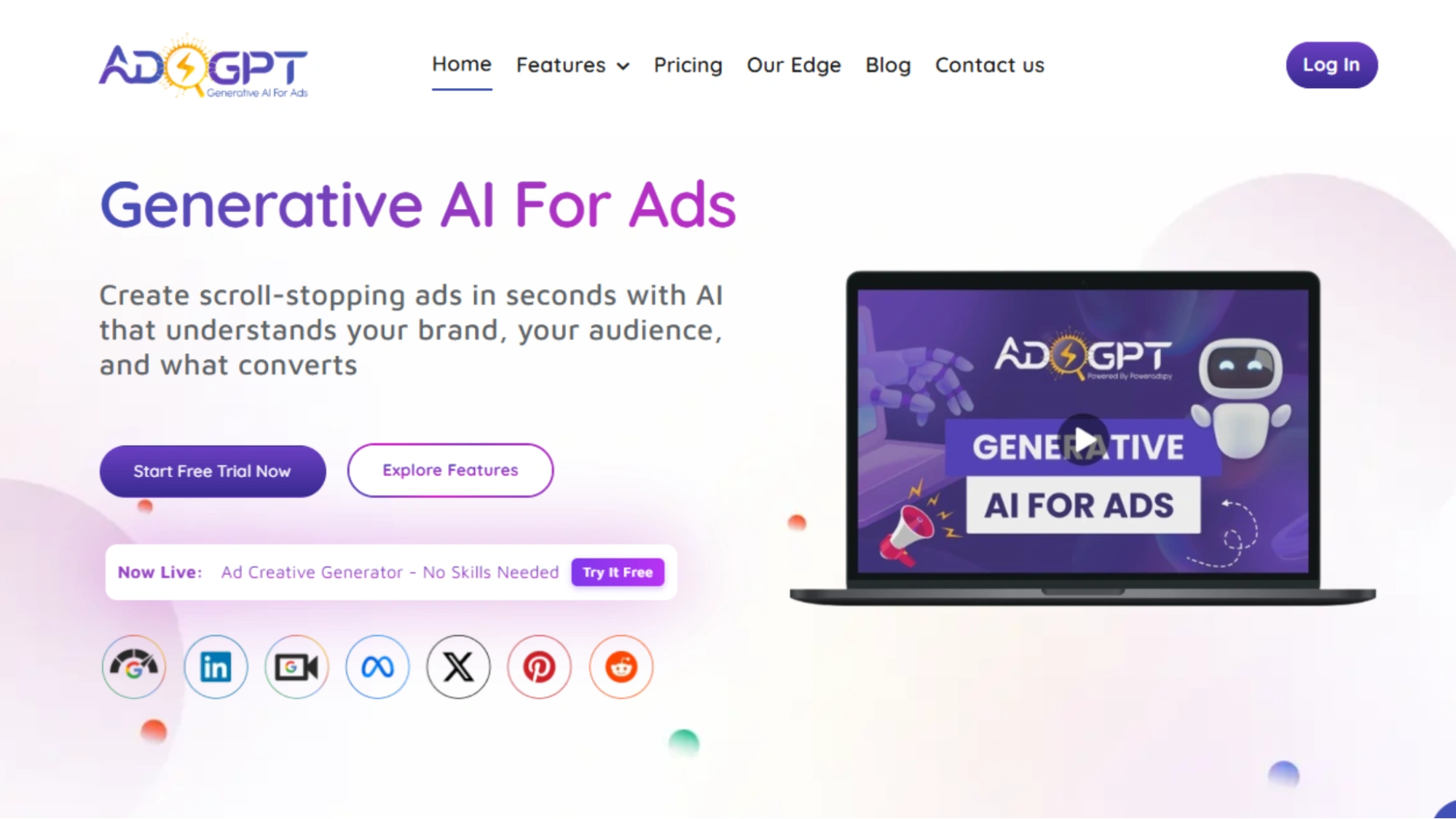
AdsGPT is an AI-driven platform designed to help marketers create high-performing, persuasive ads with speed, consistency, and creativity. Here are its key features:
- Ad Creatives Made Effortless – Generate stunning, on-brand visuals in seconds without design skills.
- Platform-Specific Customization – Build ads optimized for Meta, LinkedIn, Pinterest, and other platforms to maximize engagement.
- Start With Existing Ads – Use competitor ads as inspiration and create unique visuals aligned with your brand voice and message.
- Ready-to-Post Creatives – Fully customized visuals are sized and styled for immediate posting, saving time and effort.
- Generate Multiple Creatives – Produce up to five ad variations at once for A/B testing and rapid optimization.
- Prompt to Personalize – Guide AI with a short prompt to ensure ads match your desired tone and brand personality.
- Smart Brand Memory – Save logos and brand details once, and AdsGPT applies them automatically across all ads.
- Competitor-Inspired AI Ads – Input a competitor’s name to craft ads that highlight your unique value and outshine the competition.
- Dynamic Image Styles – Select Realistic, 3D, Anime, or General styles to align visuals with your brand’s personality.
By leveraging AdsGPT, brands can create persuasive advertisements faster, test multiple variations, and optimize campaigns with data-driven insights, ensuring every ad maximizes engagement and drives results.
Conclusion
Success comes from clarity, empathy, and strategy. Persuasive advertising connects brands with people through honest communication and purposeful messaging. When brands apply proven persuasive techniques in advertising and study real Persuasive Advertising Examples, they create messages that inspire trust and action.
A refined approach to persuasive advertising helps brands stand out, communicate value, and achieve lasting results.
FAQs
1. What makes persuasive advertising effective?
Persuasive ads work because it delivers clear messages, create an emotional connection, stay relevant to the audience’s needs, and build long-term trust.
2. How often should brands review their persuasive advertising strategy?
Brands should review their persuasive ads strategy regularly to refine messaging, improve clarity, and respond to changing audience behavior.
3. Why do persuasive advertisements perform better than generic ads?
Persuasive advertisements perform better because they address specific audience needs, communicate value clearly, and establish credibility.
4. Which persuasive techniques in advertising work best?
Social proof, emotional appeal, authority, and clear value propositions rank among the most effective persuasive techniques in advertising.
5. How can brands learn from Persuasive Advertising Examples?
Persuasive Ads Examples help brands understand structure, tone, messaging approach, and strategic choices that lead to successful campaigns.


MOST POPULAR