
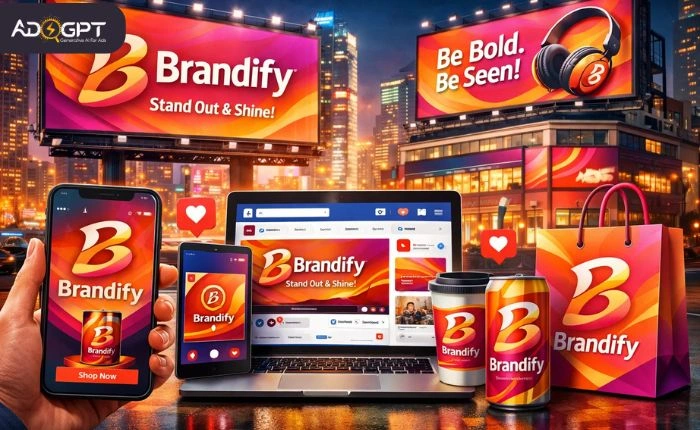
Brand advertising helps businesses stay visible, recognizable, and trusted in a crowded market. While short-term campaigns focus on quick results, brand-focused advertising builds familiarity and emotional connection over time.
When customers face multiple similar options, they often choose the brand they recognize. Consistent messaging and storytelling shape perception long before a purchase decision is made. That’s the real value of brand advertising—it keeps your brand top of mind when it matters most.
This blog breaks down what brand advertising means, highlights real-world examples, and shares best practices to help brands grow awareness and long-term impact.
Listen To The Blog Post!
What Is Brand Advertising and Why It’s Important

Brand advertising focuses on promoting a brand’s identity rather than pushing a single product or offer. The goal isn’t immediate sales, it’s recognition, trust, and long-term recall. When done right, brand advertising shapes how people feel about a business before they ever become customers.
Unlike performance-driven campaigns that target clicks or conversions, brand advertising works at the awareness level. It introduces a brand’s values, tone, and personality through consistent messaging across multiple channels. Over time, this repeated exposure builds familiarity, making the brand easier to recognize and remember.
This approach is important because buying decisions are rarely instant. Most consumers go through multiple touch points before making a choice. Brand advertising ensures that when the moment to buy arrives, your brand already feels familiar and credible.
Strong brand presence also supports every other marketing effort. It lowers customer acquisition costs, improves engagement, and makes future campaigns more effective by starting from a place of trust.
Brand Advertising vs Performance Marketing
Brand advertising and performance marketing serve different purposes, but both are essential for a balanced strategy. Brand advertising focuses on long-term impact—building awareness, recognition, and trust—while performance marketing is designed to drive immediate actions like clicks, leads, or sales.
Performance campaigns are easy to measure and optimize quickly. They work well when the audience already knows the brand. Brand advertising, on the other hand, prepares the ground. It creates familiarity so that performance ads feel more credible and convert better.
Relying only on performance marketing can limit growth. Without brand advertising, businesses often compete on price and discounts alone. A strong brand reduces this dependency by creating preference, not just visibility.
The most successful brands don’t choose one over the other. They combine brand advertising to build long-term value with performance marketing to capture demand at the right moment.
Types of Brand Advertising Channels
Brand advertising can take many forms, depending on where your audience spends time and how you want your brand to be perceived. Digital channels like social media, video platforms, and display networks are popular because they allow creative storytelling at scale.
Traditional channels still play an important role as well. Television, print, and outdoor advertising help reinforce brand presence, especially for mass-market audiences. These formats work best when combined with digital efforts to maintain consistency across touchpoints.
A strong brand awareness advertising strategy usually blends multiple channels. This omnichannel approach ensures the brand message stays visible and familiar, whether customers are scrolling online, watching content, or moving through physical spaces.
Choosing the right mix isn’t about being everywhere—it’s about being present where your audience is most receptive.
Real-World Brand Advertising Examples

Some of the most successful brands in the world invest heavily in long-term storytelling rather than short-term promotions. These campaigns focus on emotion, consistency, and clear brand values—key ingredients of effective brand advertising.
Take global brands that emphasize lifestyle and identity rather than features. Their ads rarely push a product directly. Instead, they associate the brand with feelings like confidence, belonging, or aspiration. This approach helps consumers remember the brand even when they’re not actively shopping.
Another common pattern across strong brand advertising examples is consistency. Visual style, tone of voice, and messaging remain recognizable across campaigns and channels. This repetition builds familiarity and trust over time.
The takeaway from these examples is simple: successful brand advertising isn’t about being loud—it’s about being memorable. Brands that focus on meaning and relevance tend to stay top of mind longer than those that rely only on promotions.
How Brand Awareness Advertising Influences Consumer Behavior
Brand awareness advertising plays a powerful role in shaping how consumers think and feel about a business. Repeated exposure to a brand message creates familiarity, and familiarity naturally builds trust. When people recognize a brand, they’re more likely to consider it during decision-making.
Emotional connection is another key factor. Ads that tell relatable stories or reflect shared values tend to stick longer in memory. Over time, this emotional association influences preferences, even when competing products offer similar features or pricing.
Brand awareness advertising also reduces perceived risk. Consumers often choose brands they know because they feel safer and more reliable. This effect becomes especially important in crowded or competitive markets where choices feel overwhelming.
Rather than driving instant action, this type of advertising works subtly. It shapes perception in the background, making future marketing efforts more effective and conversions more natural.
Best Practices for Effective Brand Advertising
Effective brand advertising starts with a clear and consistent message. Audiences should immediately understand what the brand stands for, even if the ad doesn’t promote a specific product. Consistency across visuals, tone, and language helps reinforce recognition over time.
Understanding the audience is equally important. Brand campaigns perform best when they reflect real customer needs, values, and emotions. Speaking in a relatable, authentic voice builds trust and makes the message feel less like an ad and more like a conversation.
Creativity should always be balanced with data. While storytelling drives emotional connection, performance insights help refine messaging and channel selection. Testing different creatives and formats ensures the brand message stays relevant and impactful.
Finally, patience is key. Brand advertising delivers results gradually. Brands that commit to long-term consistency tend to see stronger loyalty, recall, and engagement than those chasing quick wins.
Also Read
When to Work with a Brand Advertising Agency
Working with a brand advertising agency makes sense when internal teams lack the time, expertise, or creative resources to build consistent brand campaigns. Agencies bring strategic thinking, fresh perspectives, and experience across industries that can elevate brand messaging.
A brand advertising agency is especially useful during rebranding, market expansion, or when brand awareness has plateaued. They help define positioning, develop creative concepts, and ensure consistency across channels.
For growing businesses, the decision often comes down to scale. When brand advertising efforts need to move faster or reach wider audiences, agency support can accelerate results without overloading in-house teams.
How AdsGPT Simplifies Modern Brand Advertising
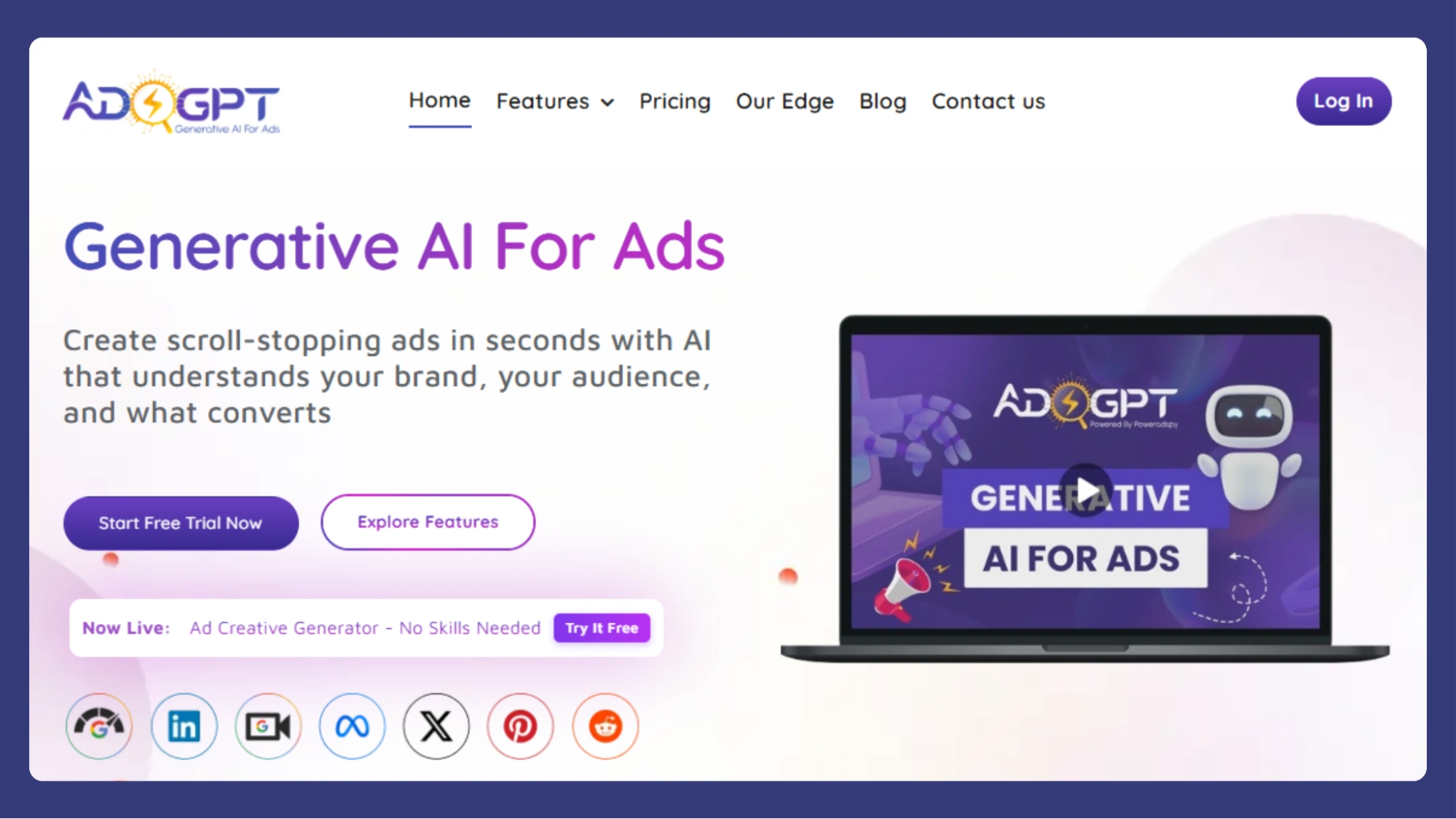
Creating consistent and engaging brand messages across multiple platforms can be time-consuming. AdsGPT helps simplify brand advertising by using AI to generate high-quality ad copy that stays aligned with a brand’s tone and identity.
The platform supports faster campaign ideation by producing multiple messaging variations in seconds. This allows marketers to test creative ideas quickly without starting from scratch each time. AdsGPT also helps maintain consistency, ensuring brand voice remains uniform across channels and formats.
By reducing manual effort, AdsGPT enables teams to focus more on strategy and creativity rather than repetitive tasks. For businesses scaling their brand advertising efforts, AI-powered tools like AdsGPT offer a smarter and more efficient way to stay visible and relevant.
Measuring the Success of Brand Advertising Campaigns
Measuring brand advertising requires a different mindset than tracking performance campaigns. Instead of focusing only on clicks or conversions, success is evaluated through awareness, recall, and engagement over time.
Common metrics include brand lift, reach, impressions, and audience engagement. Surveys, social listening, and direct traffic trends also provide insight into how brand perception is evolving. These signals help marketers understand whether their message is resonating.
While results may not be immediate, consistent measurement ensures brand advertising efforts stay aligned with business goals. Over time, stronger brand recognition often leads to improved performance across all marketing channels.
What you should avoid in Brand Advertising
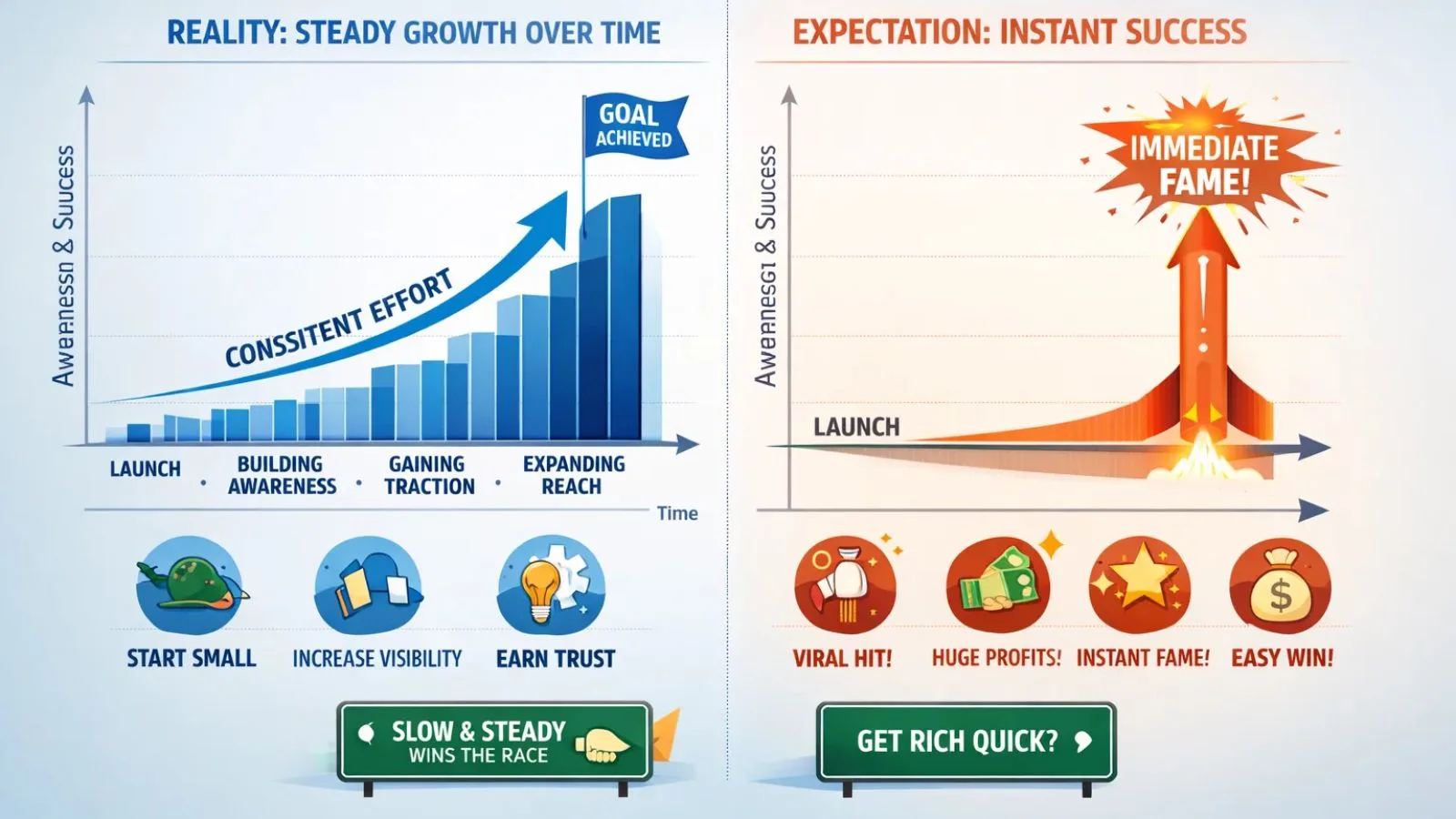
One common mistake in brand advertising is expecting immediate results. Brand-building takes time, and judging success too quickly can lead to abandoning strategies that would have worked long term.
Inconsistent messaging is another issue. When visuals, tone, or values change frequently, it becomes harder for audiences to recognize and trust the brand. Consistency is what builds familiarity.
Focusing too heavily on products or promotions can also weaken brand advertising efforts. Strong brand campaigns prioritize storytelling and identity over direct selling.
Avoiding these mistakes helps brands stay clear, memorable, and effective in competitive markets.
Future Trends in Brand Advertising
Brand advertising is evolving alongside technology and consumer behavior. AI-driven creative tools, personalization, and data-informed storytelling are becoming central to how brands communicate at scale.
Video ads and interactive formats continue to gain traction as audiences prefer immersive and engaging content. At the same time, authenticity and transparency are becoming more important as consumers expect brands to align with their values.
As channels diversify and competition increases, brands that combine creativity with smart technology will be better positioned to stay relevant and memorable.
Conclusion
Brand advertising remains one of the most effective ways to build long-term recognition, trust, and loyalty. By focusing on consistent messaging, emotional connection, and audience relevance, brands can maintain a top-of-mind presence even in crowded markets.
Real-world examples show that successful brand advertising isn’t about constant promotion, it’s about meaning and memory. When supported by the right mix of channels, best practices, and tools like AdsGPT, brand advertising becomes a powerful driver of sustainable growth.
FAQ’s
How is brand advertising different from product advertising?
Product advertising promotes specific offerings, while brand advertising promotes identity, values, and trust.
How long does brand advertising take to show results?
Results are usually gradual and become stronger over time with consistent messaging.
Can AI tools help with brand advertising?
Yes. Tools like AdsGPT help create consistent, scalable brand messaging across multiple platforms.

MOST POPULAR