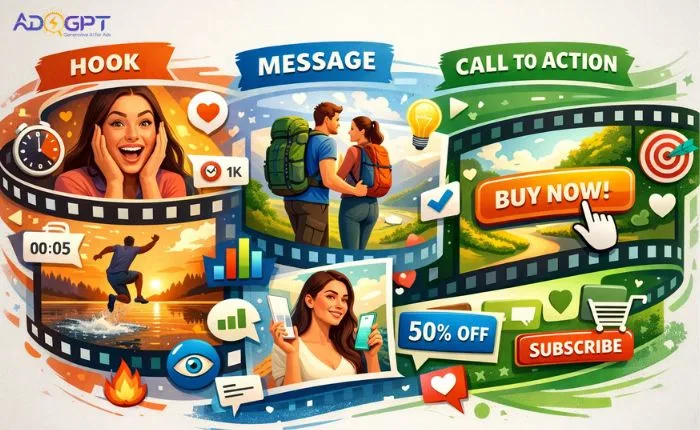
Digital audiences are consuming more video content than ever, and that shift has changed how brands compete for attention. Scrolling behavior is faster, attention spans are shorter, and users decide whether to engage within seconds. In this environment, video ads have emerged as one of the most effective ways to capture interest and drive meaningful action.
Unlike static banners or text-based promotions, video allows brands to combine visuals, sound, and storytelling in a single format. This makes it easier to communicate value quickly and create an emotional connection with viewers. When done right, video ads don’t just attract views—they influence decisions, clicks, and conversions.
However, not all video advertising performs equally. Many campaigns fail because they focus too much on visuals and too little on strategy. Today’s high-performing video ads are built around clear messaging, platform-specific behavior, and strong calls to action. They are designed with conversion in mind from the very first second.
In this guide, we’ll explore what actually works in modern video advertising. From formats and creative elements to AI-driven tools and optimization strategies, you’ll learn how to build video ads that go beyond impressions and deliver real results.
You can listen to this Blog here.
What Are Video Ads?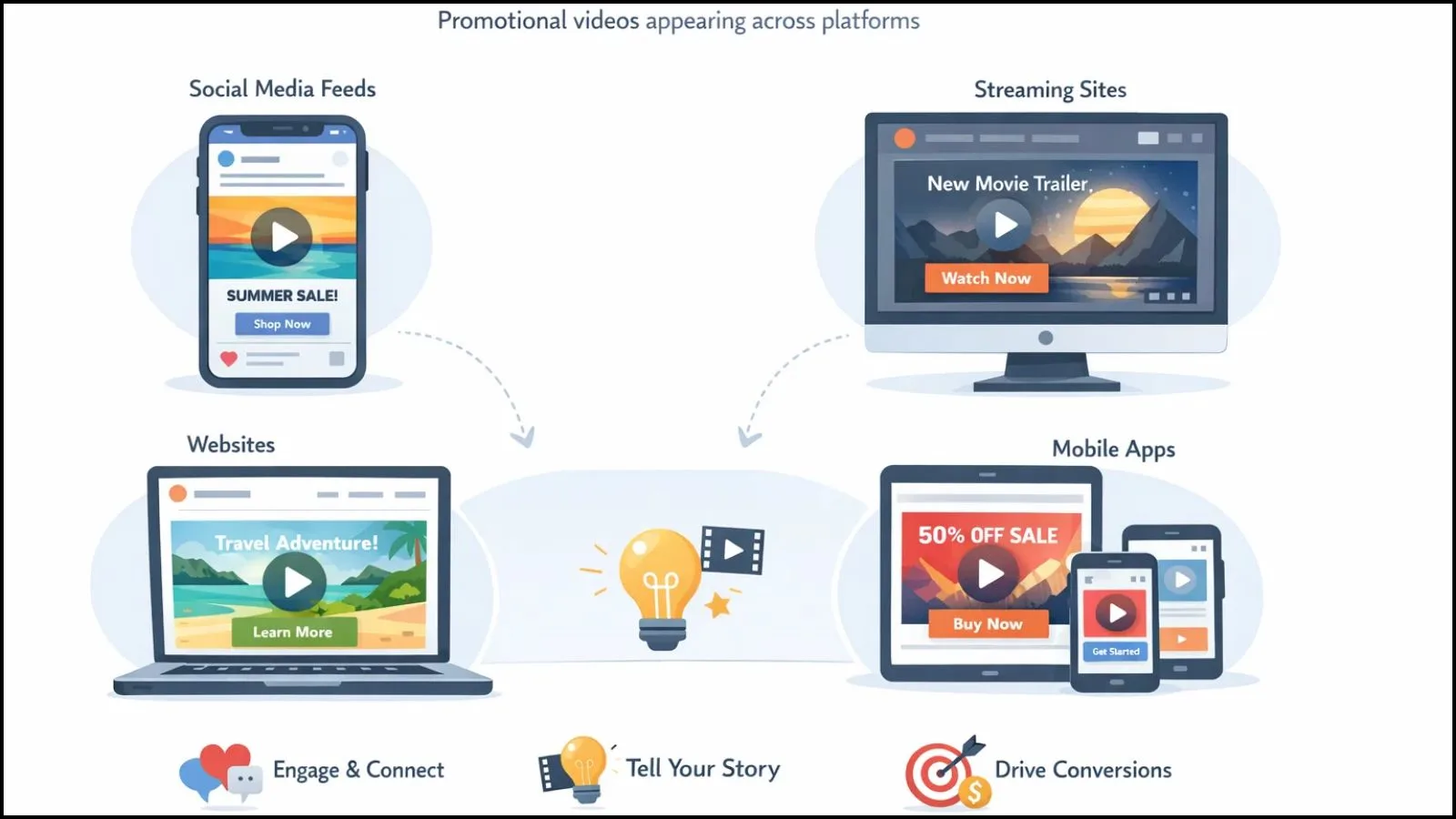
Video ads are promotional videos created to engage viewers, communicate a brand message, and encourage a specific action, such as a click, signup, or purchase. Unlike static ads or text-based banners, video combines visuals, audio, and motion to tell a story quickly and memorably.
These ads can appear across multiple platforms social media feeds, video streaming sites, websites, and even in mobile apps. Each placement often requires a slightly different approach, but the core goal remains the same: capture attention and convert it into action.
Modern video ads vary in length and style. Short-form videos, usually under 15 seconds, aim to deliver a punchy, immediate message. Long-form videos, often 30–60 seconds, allow for deeper storytelling and brand immersion. Both types are effective when aligned with audience behavior and campaign objectives.
It’s also worth noting the difference between video ads and organic video content. While organic videos aim to entertain or inform, video ads are strategically designed to drive measurable business outcomes. With the right creative and targeting, these ads can generate higher engagement, leads, and conversions than traditional advertising formats.
Why Video Ads Perform Better Than Other Ad Formats?
Video ads outperform static images and text-based promotions for several reasons. The combination of sight, sound, and motion allows brands to communicate messages faster and more memorably than other formats.
One major advantage is emotional storytelling. Videos can evoke feelings, show real-life scenarios, and demonstrate products in action, creating a stronger connection with viewers. This emotional engagement often translates into higher recall and a greater likelihood of conversion compared to static ads.
Another reason is higher engagement rates. Users are naturally drawn to motion, making it easier to grab attention as they scroll through feeds or browse websites. Video ads also tend to receive more shares, comments, and interactions, which amplifies reach organically.
Mobile-first consumption further boosts the effectiveness of video. As most users watch content on smartphones, short, concise, and visually clear video ads cater perfectly to this behavior. Vertical and square video formats make content easy to consume without resizing or adjusting the screen.
Finally, video offers more space for persuasive messaging. In just a few seconds, brands can explain benefits, demonstrate solutions, and include a call to action. This combination of speed, engagement, and storytelling makes video ads a superior choice for marketers seeking measurable results.
Types of Video Ads That Drive Conversions
Not all video ads are created equal. Choosing the right type can significantly impact engagement and conversions. Understanding the options helps marketers match the ad format to their campaign goals.
1. In-Stream Ads
These are ads that play before, during, or after video content on platforms like YouTube. Often skippable after a few seconds, in-stream ads allow brands to reach viewers already engaged with content. With a strong hook in the first 5 seconds, these video ads can drive awareness and clicks efficiently.
2. Out-Stream Ads
Out-stream ads appear outside of video content, such as within articles, social feeds, or apps. They start playing automatically when in view, capturing attention even when users aren’t watching a specific video. These video ads are ideal for reaching broader audiences and increasing visibility.
3. Short-Form Video Ads
Typically 6–15 seconds long, short-form video ads focus on delivering a quick, memorable message. They are especially effective for mobile users who scroll quickly and have limited attention spans. The goal is to create an immediate impact with clear branding and a call to action.
4. Long-Form Video Ads
Long-form ads, 30–60 seconds or more, allow deeper storytelling. They are best for explaining complex products or telling a brand story that engages viewers emotionally. These video ads often work well at the middle of the funnel, where audiences are already aware and considering a purchase.
5. Platform-Specific Formats
Different platforms favor different ad styles. Vertical videos work best for TikTok, Instagram Reels, and Snapchat, while horizontal formats dominate YouTube and OTT platforms. Tailoring video ads to each platform increases engagement and conversion potential.
By selecting the right format, brands can ensure that video ads reach the right audience, hold attention, and drive measurable results.
How YouTube Video Ads Fit Into a High-Converting Strategy
YouTube remains one of the most powerful platforms for video ads, offering a massive audience and advanced targeting options. When used strategically, these ads can move viewers through the marketing funnel—from awareness to conversion.
Popular YouTube Ad Formats
- Skippable In-Stream Ads: Play before or during videos; viewers can skip after 5 seconds. Best for reaching a wide audience while only paying for engaged views.
- Non-Skippable Ads: Usually 15–20 seconds, forcing full attention. Effective for brand awareness but can frustrate users if overused.
- Bumper Ads: Short, 6-second ads ideal for reinforcing messaging and brand recall.
- Discovery Ads: Appear alongside search results or related videos, targeting viewers actively looking for content.
When YouTube Works Best
YouTube is most effective when video ads align with audience intent and campaign objectives. Skippable in-stream and discovery ads work well for reaching potential customers who are already searching or engaging with similar content. Bumper and short-form ads are perfect for retargeting or reinforcing brand messages.
Creative and Targeting Considerations
The first few seconds are critical. A compelling hook, clear branding, and an immediate value proposition ensure viewers stay engaged. Targeting options, including demographics, interests, and remarketing lists, allow advertisers to reach highly relevant audiences. Properly executed, YouTube video ads can drive clicks, leads, and conversions at scale.
YouTube’s combination of audience reach, targeting, and diverse ad formats makes it a cornerstone of any high-converting video ads strategy.
Key Elements of High-Converting Video Ads
Creating video ads that actually convert requires more than just visually appealing footage. Several key elements consistently drive engagement and encourage viewers to take action.
1. Strong Hook in the First 3–5 Seconds
Attention spans are short, so your video ads need to grab viewers immediately. Start with an intriguing question, a bold statement, or a striking visual that makes users stop scrolling.
2. Clear Value Proposition
Viewers should understand what’s in it for them within the first few seconds. Highlight benefits, solve a problem, or show the unique value of your product or service. A clear message increases the likelihood of conversion.
3. Visual Clarity and Branding
Ensure the visuals are sharp, concise, and easy to follow on any device. Incorporate brand colors, logos, and consistent style so viewers can instantly recognize your company—even if they don’t watch the entire video.
4. Compelling Call to Action (CTA)
Every high-converting video ad ends with a strong CTA. Whether it’s “Shop Now,” “Sign Up,” or “Learn More,” make the desired action obvious and easy for the viewer to take.
5. Optimized Length
Short-form videos (6–15 seconds) work best for quick conversions, while longer videos (30–60 seconds) are ideal for explaining complex products or telling a brand story. Matching length to campaign goals is essential.
By combining these elements, marketers can create video ads that not only attract attention but also guide viewers toward meaningful actions.
The Role of AI in Video Ad Creation
Artificial intelligence is transforming how marketers create and optimize video ads. AI-powered tools streamline production, improve personalization, and enhance testing, making it easier to produce high-converting campaigns at scale.
Speed and Scalability
AI allows brands to generate multiple video variations quickly. Instead of manually editing each ad, AI-driven platforms can automatically create versions tailored to different audiences, formats, or platforms. This efficiency saves time and reduces production costs.
Personalization at Scale
AI can analyze audience data to tailor messaging, visuals, and even CTAs for specific demographics. Personalized video ads resonate more with viewers, increasing engagement and conversion rates.
Data-Driven Optimization
AI tools can monitor how ads perform in real time, identifying which creative elements work best. Marketers can then adjust visuals, messaging, or length based on performance insights, making video ads smarter and more effective over time.
Enhanced Creativity
AI is not just about automation; it also supports creative exploration. Tools like AI video ad generators suggest layouts, storyboards, and visual effects, helping teams produce professional-quality ads without extensive resources.
Incorporating AI into video ads creation empowers brands to work faster, target smarter, and test more efficiently, ultimately driving better results for each campaign.
Using Video Ad Makers and AI Generators
Creating high-quality video ads no longer requires a full production studio. Tools like video ad makers and AI ad generators simplify the process, allowing marketers to produce professional content quickly and cost-effectively.
When to Use a Video Ad Maker
Video ad makers are ideal for brands that need consistent, branded content without extensive design skills. These platforms offer templates, drag-and-drop editing, and pre-built effects, enabling teams to produce video ads that look polished in minutes.
Benefits of an AI Video Ad Generator
AI ad generators take automation further. By analyzing text, images, and user data, they can create multiple variations of video ads, each optimized for specific audiences or platforms. This allows brands to test and iterate quickly, ensuring better performance with minimal manual effort.
Reducing Production Time and Cost
Using AI-driven tools dramatically cuts production time. Instead of shooting and editing manually, marketers can produce dozens of high-quality video ads in the time it would take to create one traditional ad. This efficiency also lowers costs, making video marketing accessible for small and medium businesses.
Maintaining Quality
While automation speeds up creation, it doesn’t mean sacrificing quality. Modern tools ensure visuals, audio, and messaging remain professional and engaging. When combined with a clear strategy, video ads generated through these platforms can convert just as effectively as traditionally produced campaigns.
Leveraging video ad makers and AI ad generators allows marketers to scale campaigns, experiment with creative variations, and optimize results—all while keeping production manageable and cost-effective.
Scale High-Converting Video Ads with AdsGPT
Creating video ads that truly convert doesn’t have to be overwhelming or time-consuming. With AI-powered tools like AdsGPT, marketers can simplify the entire process and produce high-quality video content in minutes without needing advanced design or editing skills.
With AdsGPT, you can:
- Generate multiple ad variations quickly to test different messaging, visuals, and formats
- Personalize videos for specific audience segments to improve relevance and engagement
- Create professional-quality video creatives without relying on large production teams
- Test, optimize, and refine campaigns in real time based on performance insights
- Scale winning ad variations effortlessly across platforms and audiences
This approach not only saves time but also significantly reduces production costs while maintaining creative quality. The result is a faster, smarter way to build video ads that stay engaging, adaptable, and consistently optimized for higher conversions.
Also Read,
Conclusion
Video ads are no longer optional—they’re essential for capturing attention, telling your brand story, and driving conversions. From YouTube to social media feeds, the right format, compelling messaging, and a strong call to action make all the difference.
AI tools and video ad makers, like AdsGPT, empower marketers to create, test, and optimize high-converting video ads faster and more efficiently. By combining strategy, creativity, and the right technology, brands can produce video campaigns that truly convert, reaching audiences with impact and precision.
FAQ’s
1. Why do video ads convert better than other ad formats?
Video ads combine visuals, motion, and sound to tell a story quickly, create emotional connections, and hold attention, leading to higher engagement and conversions.
2. How do YouTube video ads work?
YouTube offers formats like skippable and non-skippable in-stream ads, bumper ads, and discovery ads. These formats help marketers reach audiences at different stages of the customer journey effectively.
3. What is an AI video ad generator?
An AI video ad generator uses artificial intelligence to automatically create multiple versions of video ads, optimizing visuals, messaging, and targeting to improve performance and save time.

MOST POPULAR