Ever feel like the internet is reading your mind?
You search for sneakers once, and suddenly, every social media app is flooded with sneaker ads. That’s personalized ads in action—brands using your online activity to serve up products you might want. Some people love the convenience. Others? They find it a little too personal.
With social media platforms getting smarter, ad personalization is more advanced than ever. Brands can now target the right audience with the right message at the right time. But here’s the big question: Do personalized ads actually work?
Are they boosting sales, or just making people feel watched?
In this blog, we’ll dive into how personalized ads perform today and share 5 steps brands can take to develop effective personalized ad campaigns.
In a hurry? Listen to the blog instead!
What Are Personalized Ads and How Do They Work?
Personalized ads use data from a person’s online activity to deliver relevant advertisements. They help brands reach the right audience by analyzing search history, website visits, social media interactions, and even location data. These ads are designed to match users’ interests, increasing the chances of engagement and conversions.
How Do Personalized Ad Campaigns Work?
Platforms like Google and Facebook collect data from multiple sources to understand user behavior. This data includes:
- Search history – Keywords and topics users look up online.
- Website activity – Pages visited, products viewed, and time spent on different sites.
- Social media engagement – Posts liked, shared, or commented on, along with profile details.
- Location tracking – Places visited, as tracked by mobile devices.
Google gathers information from searches, YouTube views, installed apps, and browsing habits. Similarly, Facebook tracks user interactions across its platforms, including Instagram and Messenger. Brands can also use tools like the Facebook Pixel to track visitor behavior on their websites and serve personalised ads accordingly.
Why Do Brands Use Personalized Ads?
Businesses use personalized ad campaigns to improve marketing efficiency. Instead of showing generic ads, they can target specific users with relevant offers. This approach helps in:
- Increasing engagement – Users are more likely to interact with ads that match their interests.
- Improving conversion rates – Showing the right products to the right people at the right time boosts sales.
- Enhancing customer experience – Relevant ads make the browsing experience more tailored and useful.
While some users appreciate the convenience, others may find ad personalization intrusive. As technology evolves, companies continue to refine their approach, balancing targeted advertising with user privacy.
The Benefits of Personalized Ads: How Can AI Help?
Personalized ads are transforming how brands connect with customers. With AI and machine learning, businesses can create smarter campaigns that engage the right audience and boost conversions.
- Reach the Right Audience – AI analyzes search behavior, interests, and past purchases to ensure personalized ads reach the right people at the right time.
- Create More Relevant Content – AI ads help brands craft tailored messages, making ads more engaging and impactful.
- Build Customer Relationships – Personalized offers, like birthday discounts, enhance customer trust and loyalty.
- Stay Ahead of the Competition – AI-powered ad personalization ensures consistency across platforms, giving brands an edge over competitors still using generic ads.
- Boost Sales & Conversions – AI-driven recommendations and exclusive offers help turn browsers into buyers, increasing long-term customer value.
By leveraging AI, brands can create high-impact personalized ads that drive real results.
Read More:
5 Steps Brands Can Take To Develop Effective Personalized Ad Campaigns
Personalized ads are a game-changer for brands looking to connect with customers in a meaningful way. With the right strategy, brands can create ad experiences that feel less like marketing and more like helpful suggestions. But there’s a fine line between being relevant and being intrusive. Here’s how to get personalized advertising right in five simple steps.
1. Be More Specific with Targeting
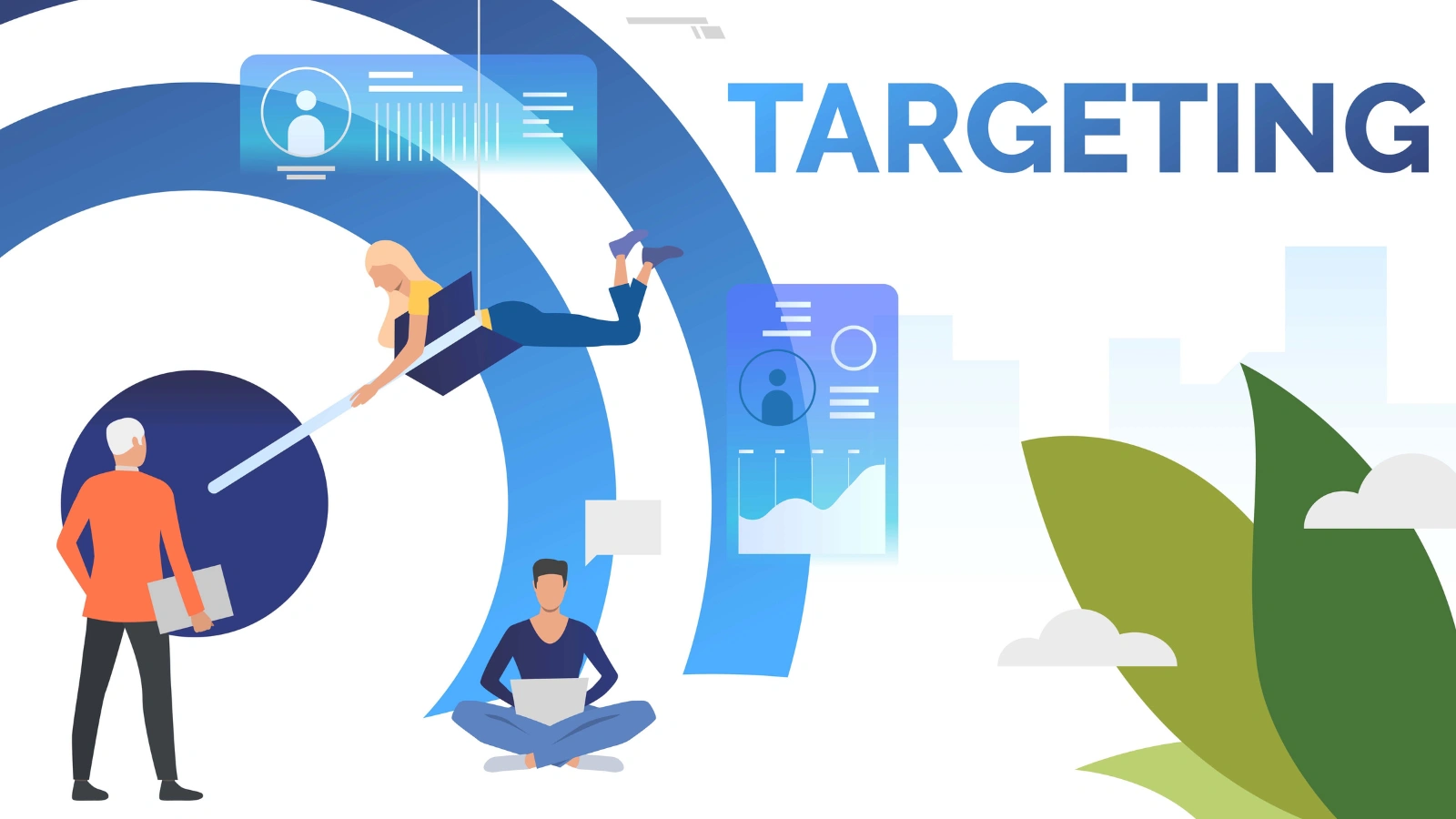
Today’s ad technology makes it easier than ever to target specific audiences. The key? Focus on the right data, not all the data. Over-personalization can feel creepy and push customers away. In fact, Gartner reports that brands that get it wrong risk losing up to 38% of their customers.
Instead, segment audiences based on meaningful actions. Group users by behaviors such as:
- How often do they visit your site
- Whether they’ve interacted with customer support
- Life events like a recent marriage or home purchase
By being intentional with targeting, brands can create personalized ads that feel helpful rather than invasive.
2. Mirror the Customer Journey
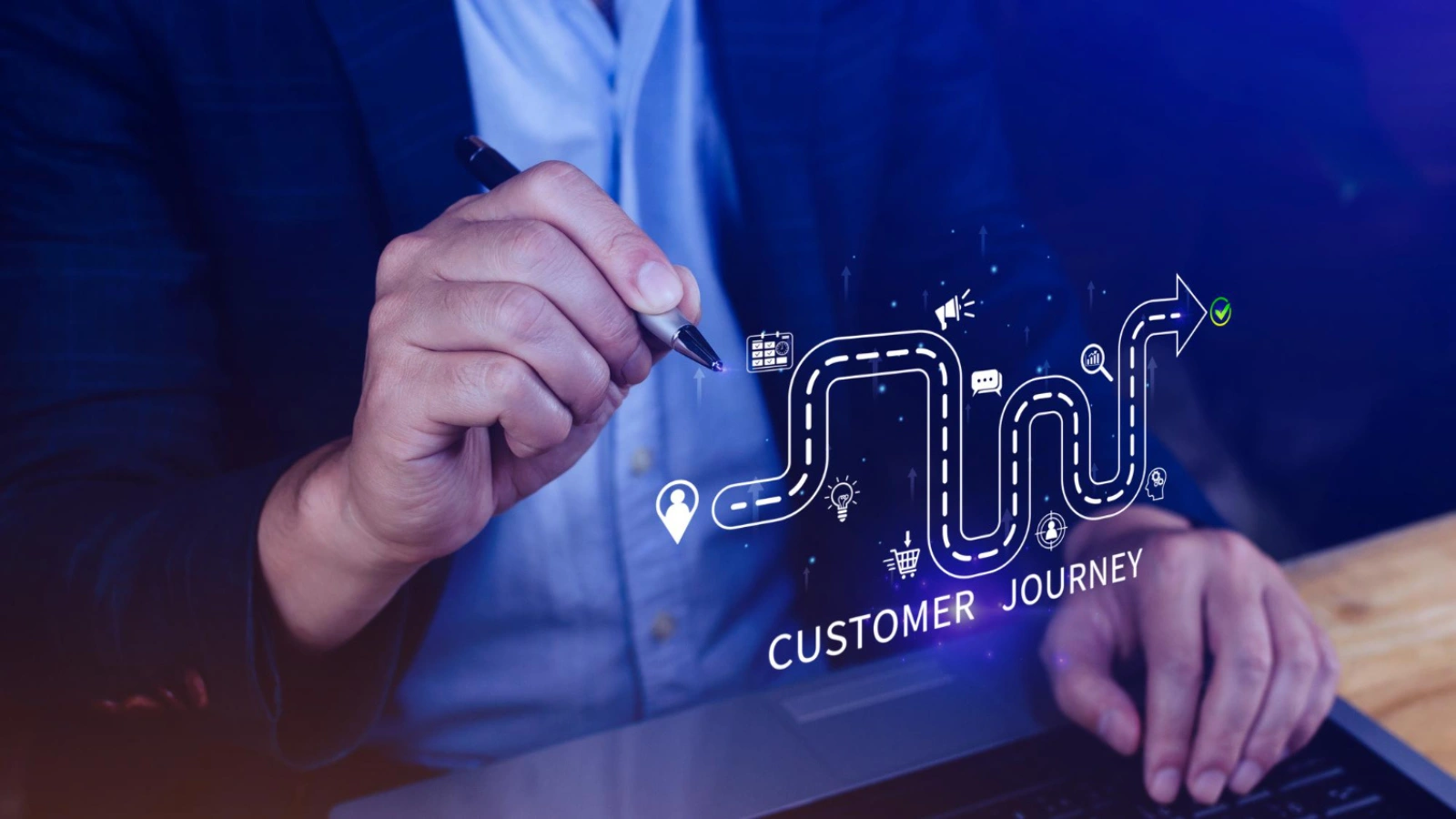
Not all shoppers are in the same place in the buying process. Some are just discovering your brand, while others are ready to purchase. Aligning personalized advertising with the customer journey makes ads more effective.
- New visitors: Introduce them to your brand and best-selling products.
- Engaged shoppers: Show them items they’ve browsed and suggest similar options.
- Past customers: Retarget them with relevant offers based on their purchase history.
The more your ad content matches a shopper’s mindset, the higher the chances of conversion.
3. Align Ads with Landing Pages
A well-crafted ad can get clicks, but the experience needs to continue on the landing page. Nothing turns off a potential customer faster than clicking on an ad and ending up on a page that doesn’t match the message.
To keep engagement high, ensure landing pages:
- Reflect the same products or offers as the ad
- Mention the customer’s name (if applicable)
- Provide an incentive based on their past interactions
When done right, this seamless experience boosts trust and increases conversions.
4. Experiment with Different Targeting Strategies

Not all audiences respond the same way to personalized ads, so testing is essential. Brands can use A/B testing to fine-tune their ad campaigns.
For example, an ad targeting social media visitors may need a different approach than one aimed at past website visitors. Testing different creatives, messaging, and offers helps identify the most effective strategy.
By running different ads for each group, the brand learned what type of personalized advertising worked best. Testing like this helps brands discover the perfect mix of targeting, messaging, and offers.
5. Personalize the Call-to-Action (CTA)

A good CTA can make or break an ad. While generic CTAs like “Learn More” or “Sign Up” work, they don’t create urgency or a personal connection. A strong personalized ad should have a CTA that speaks directly to the audience.
For example:
- Retargeting past buyers? Try “Claim Your Exclusive 10% Off”
- Promoting a free trial? Use “Start Your Free Trial Today”
- Encouraging engagement? Go with “Find Your Perfect Match”
Custom CTAs guide users toward the next step in a way that feels natural and appealing.
Personalized advertising is all about delivering the right message to the right person at the right time. By being specific, aligning ads with the customer journey, optimizing landing pages, experimenting with targeting, and refining CTAs, brands can create high-impact personalized ads that drive engagement and sales.
And to make this process even easier, AdsGPT is here to help. As an AI-powered ad generator, AdsGPT takes the guesswork out of personalized ads by crafting compelling, data-driven messages tailored to your audience. From dynamic CTAs to hyper-relevant ad variations, AdsGPT ensures your campaigns hit the mark every time.
Let’s explore this powerful tool in more detail.
AdsGPT: Advanced AI Ad Generator
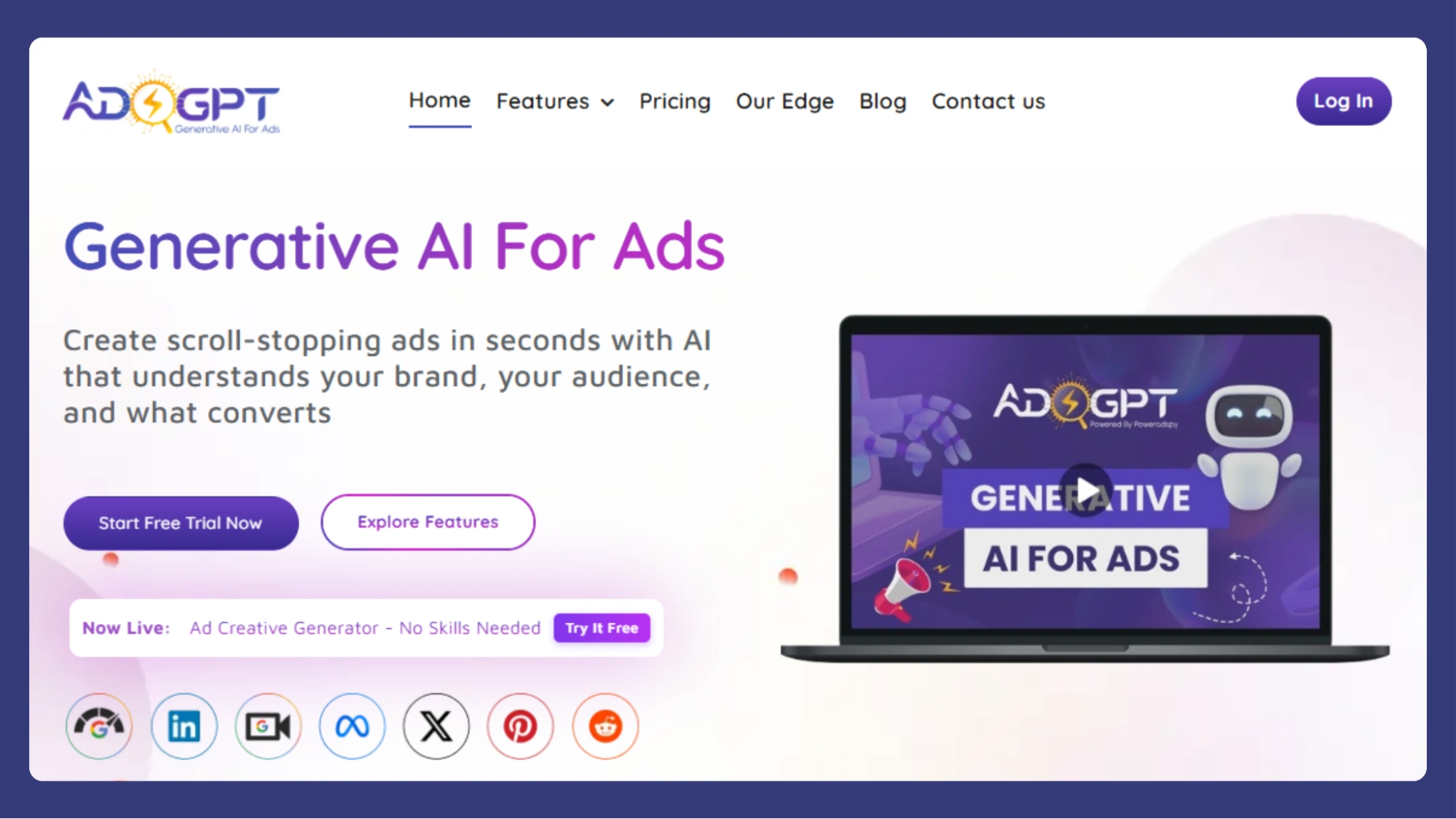
AdsGPT is an advanced AI ad generator that creates high-converting ads in seconds. It generates tailored ads for every platform, from search ads to social media, helping you craft ads that capture attention and drive results. Here are the key features that make AdsGPT a must-have tool for your ad campaigns:
Quick Ad Generation
AdsGPT generates customized ads in seconds. Save time and effort while ensuring your ads are always ready to go.
AI-Driven Creativity
The AI behind AdsGPT combines your input with industry insights to craft engaging and effective ad content. It speaks directly to your audience and boosts conversions.
Platform-Specific Optimization
Each platform has its own rules. AdsGPT tailors your ad to meet the specific needs of Google, Meta, LinkedIn, or Twitter, so your ads perform at their best.
Competitor Ad Inspiration
AdsGPT analyzes your competitors’ ads and generates similar high-performing ads with just a click. So you can stay relevant with fresh ideas and also remain competitive in your every ad campaign.
Track Your Work
AdsGPT keeps a history of all your past ad campaigns, allowing you to review and refine your strategy for even better results.
With AdsGPT, creating ads is faster, easier, and more effective, helping you easily reach your marketing goals.
Conclusion
Personalized ads aren’t the future—they’re the now. If done right, they boost engagement, build trust, and drive sales. But crafting the perfect ad takes time, testing, and creativity. That’s where AI steps in. With the right tools, you can create smarter, high-converting campaigns without the guesswork.
Want to make ad personalization effortless? Let AdsGPT handle it for you. Generate winning ad copy in seconds and stay ahead of the competition. Try AdsGPT today!
MOST POPULAR