
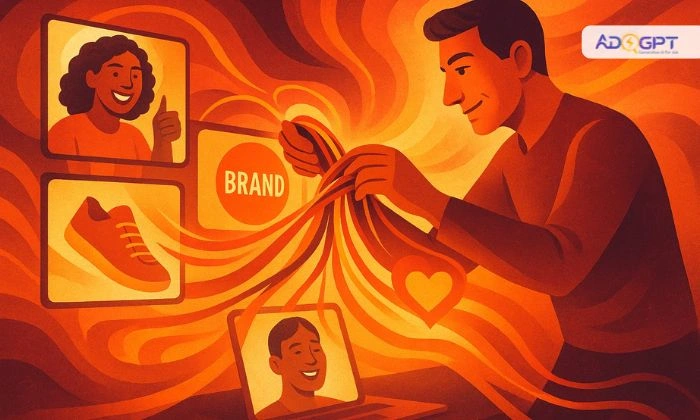
In an oversaturated digital landscape, consumers are bombarded with thousands of advertisements daily. Yet, only a handful actually stick. What makes the difference? The answer lies in storytelling in advertising.
Brands that master the art of narrative don’t just sell products; they create emotional connections, build loyalty, and turn customers into advocates. As we navigate an era of short attention spans and ad fatigue, the ability to tell compelling stories has become the ultimate competitive advantage.
Modern consumers don’t want to be sold to; they want to be engaged, entertained, and inspired. This fundamental shift has made storytelling the cornerstone of successful marketing campaigns.
In a hurry? Listen to the podcast now.
The Evolution From Traditional to Story-Driven Marketing:
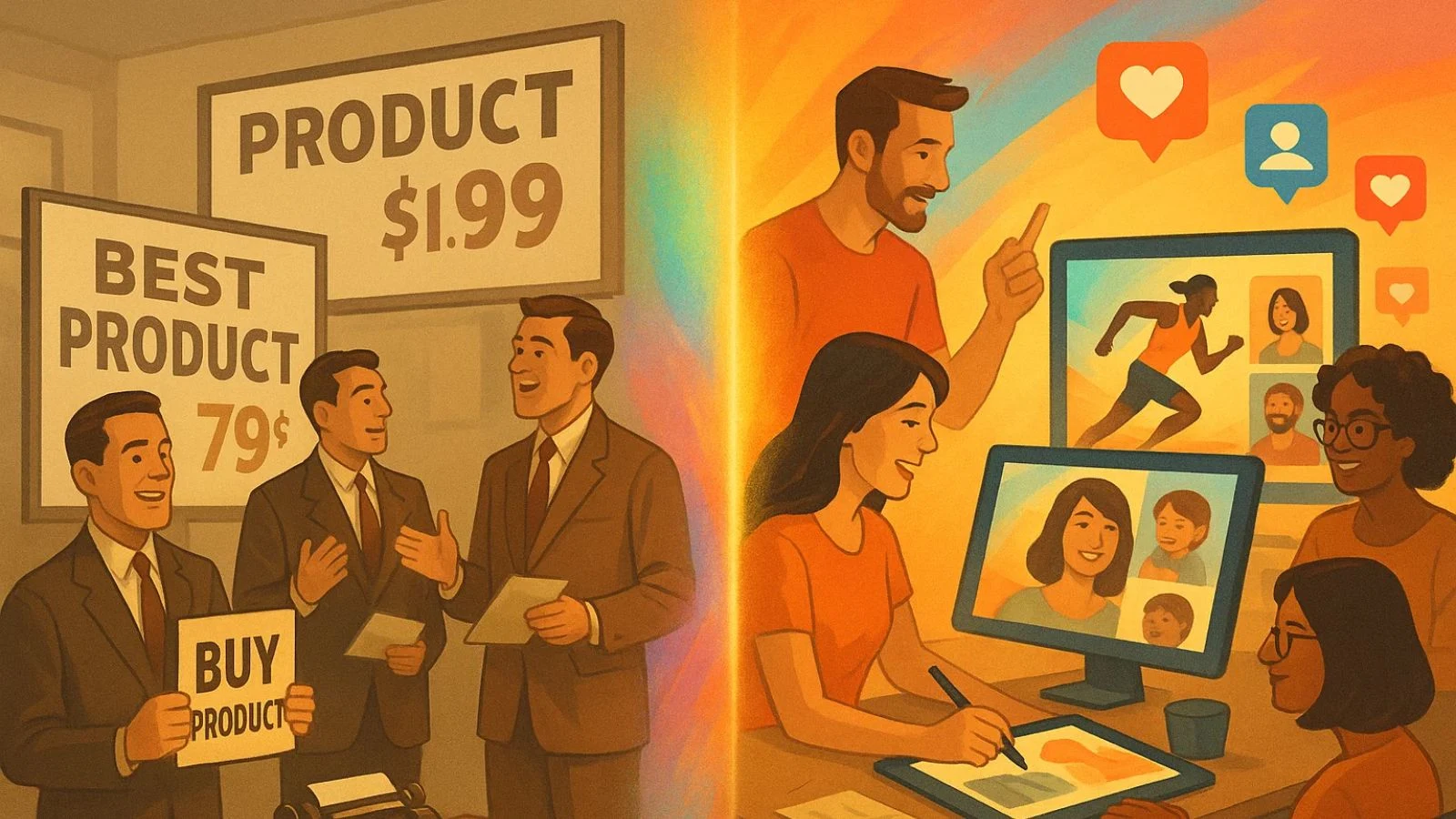
Traditional advertising relied heavily on direct sales pitches and repetitive messaging. Think of classic commercials that simply listed product features and prices. While informative, they rarely created lasting impressions or emotional bonds with audiences.
Today’s landscape looks completely different. Successful brands use storytelling in advertising to create immersive experiences that resonate on a human level.
Nike’s campaigns focus on perseverance and self-belief rather than just shoe technology. The result? Campaigns that spark conversations and strengthen brand loyalty among their core audience.
This shift reflects a deeper understanding of consumer psychology. Research shows people remember stories 22 times more than facts alone.
When brand messages are turned into narratives, they activate multiple brain areas, creating stronger neural connections and more memorable experiences. Brand storytelling has become the bridge between commercial intent and genuine human connection.
Why Authenticity Matters More Than Ever?

We live in an age where consumers have become exceptionally skilled, and Banner blindness is real, ad blockers are everywhere, and trust in traditional advertising has plummeted. In this environment, storytelling in advertising offers a way to break through the clutter by providing genuine value.
Authenticity is now the currency of modern marketing, especially for younger generations can spot fake messaging instantly. They gravitate toward brands that share their values, acknowledge their struggles, and present realistic narratives rather than polished perfection.
Consider Dove’s “Real Beauty” campaign, which challenged conventional beauty standards by featuring real women with diverse body types. This wasn’t just advertising; it was a cultural movement. By addressing genuine insecurities and celebrating authenticity, Dove created an emotional connection that went far beyond the product itself.
The power of storytelling in advertising also lies in simplifying complex messages. Instead of overwhelming audiences with technical jargon, stories provide context and make abstract concepts tangible. When brands share customer success stories, they’re not just promoting products; they’re selling transformation and aspiration.
The Psychology Behind Story-Driven Campaigns:

Understanding why storytelling in advertising works requires looking at human psychology. Our brains are wired for stories, this has been true for thousands of years, as humans have used narratives to pass down knowledge and build communities.
When we encounter a compelling story, our brains release oxytocin, the “empathy hormone,” which fosters feelings of trust and connection, making us more receptive to the message being delivered.
This psychological response explains why storytelling ads that trigger emotional reactions consistently outperform purely factual advertisements. In fact, stories activate our mirror neuron system, making us mentally simulate the experiences we’re witnessing. When we watch someone overcome obstacles in a campaign, our brains process it as though we’re experiencing that journey ourselves. This creates powerful associations between the emotional journey and the brand.
The narrative arc, with its setup, conflict, and resolution, keeps audiences engaged, as humans are naturally curious and compelled to see stories through to their conclusion. This is also why episodic campaigns, which unfold over time, generate such high engagement rates. By tapping into How Advertising Psychology Shapes storytelling, brands can create more meaningful and emotionally resonant campaigns that have a lasting impact.
Key Elements of Effective Storytelling:
Not all stories are created equal. Effective storytelling in advertising requires specific elements that transform simple narratives into powerful marketing tools.
1. Relatable Characters:
Your story needs protagonists that your audience can identify with. They should embody traits, challenges, or aspirations that resonate with your target market.
2. Conflict and Resolution:
Every compelling story needs tension. What problem does your audience face? How does your brand help solve it? The conflict doesn’t need to be dramatic—sometimes it’s as simple as finding time for self-care.
3. Emotional Resonance:
Storytelling in advertising works because it makes people feel something. Whether it’s joy, nostalgia, or inspiration, emotional engagement creates memorability that facts alone never could.
4. Authenticity:
Your story must align with your brand values and feel genuine. Consumers can detect when brands are being performative. The most effective stories come from truth—real customer experiences or genuine company values.
5. Visual Elements:
Visual storytelling amplifies narrative impact. Humans process visuals 60,000 times faster than text, making imagery and video critical components. Colour psychology, cinematography, and music all contribute to how your story is received and remembered.
How Technology is Revolutionizing Advertising Narratives?
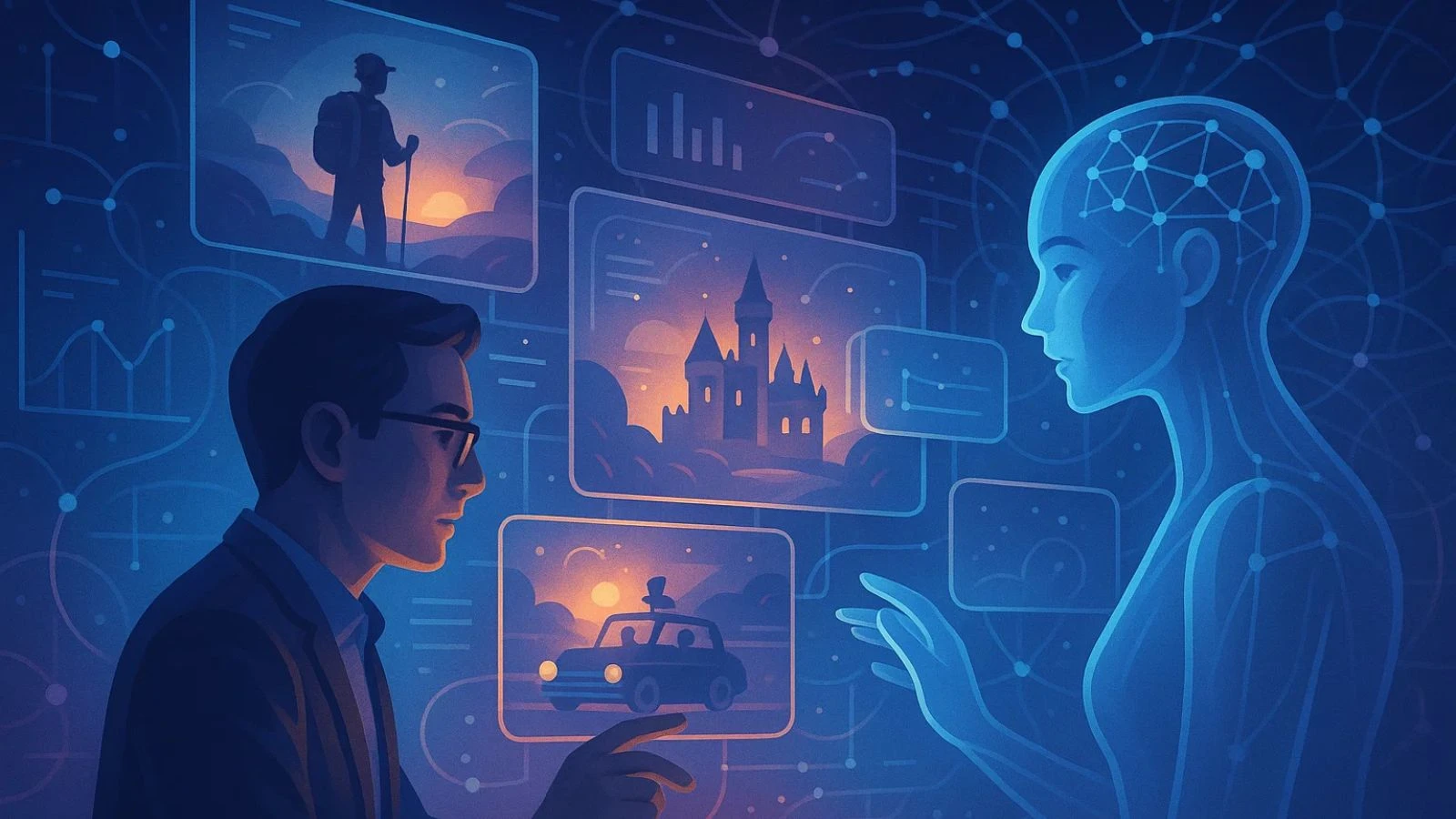
Technology has opened unprecedented possibilities for storytelling in advertising. AI advertising tools are transforming how brands create, optimize, and personalize narratives at scale.
Generative AI for ads enables marketers to test multiple narrative variations and generate creative concepts in a fraction of the time it takes traditional methods. However, technology should enhance, not replace, human creativity.
The most successful campaigns use AI to handle repetitive tasks while creative teams focus on strategic and emotional aspects.
AI storytelling ads can personalize narratives based on user data, ensuring different audience segments receive versions that resonate with their specific needs. This level of personalization was impossible just a few years ago, but is now becoming standard practice for sophisticated marketers.
Data analytics powered by AI helps brands understand which story elements resonate most with their audiences. By analysing engagement metrics and sentiment, marketers can refine their narratives in real-time.
Also Read:
How Advertising Psychology Shapes Every Buying Decision You Make?
Advertising Optimizer: 8 Expert Tips To Blow Your Campaign
A Practical Guide To Copywriting Formulas Used In Ad Copywriting
How Can AdsGPT Help You Craft Compelling Ad Narratives?
Creating powerful storytelling in advertising campaigns requires both creative vision and execution efficiency. But what if you could accelerate your creative process without sacrificing quality? This is where AdsGPT becomes invaluable for modern marketers.
What makes AdsGPT different from other tools?
In a competitive world of advertising, telling a compelling story is more important than ever. AdsGPT isn’t just another ad copy generator; it’s a tool designed to help you craft meaningful narratives that connect with your audience.
What sets AdsGPT apart from basic automation tools is its understanding of storytelling. It doesn’t just spit out random text, it creates ads that follow a coherent story arc, making them more engaging and effective.
Whether you’re working on social media ads, email campaigns, or any other type of content, AdsGPT helps you tell your story in a way that’s both consistent and captivating. The platform adapts your message to fit different audiences and platforms, ensuring it resonates wherever it’s seen.
Key Features of AdsGPT:
- Crafts a Real Story: AdsGPT doesn’t just generate text, it understands the building blocks of storytelling. From the initial hook to the final call-to-action, the copy it produces follows the principles of good storytelling. It builds tension, offers a resolution, and drives people to take action.
- Tailored for Every Platform: Every platform has its own vibe. AdsGPT knows how to adjust your narrative to fit the tone and structure of each one. Whether it’s a quick, punchy post for Twitter or a more detailed email campaign, it makes sure your brand’s voice shines through, no matter where your audience is.
- Breaks Through Writer’s Block: Let’s face it, sometimes coming up with fresh ideas for ads can feel impossible, especially under tight deadlines. AdsGPT is here to help. It can generate multiple variations of your ad copy, exploring different angles and emotional hooks so you can easily find the best one. It’s like having a creative partner that never runs out of ideas.
- Gets Smarter Over Time: One of the best things about AdsGPT is how it learns and improves. By using performance data from previous campaigns, it refines its understanding of what works and what doesn’t. Over time, it helps you craft even better ads that hit the right notes with your audience, making every campaign more effective than the last.
With AdsGPT, creating ads becomes less of a chore and more of a creative process. It helps you craft stories that resonate, saves you time, and ensures your ads are always on point. Whether you’re a solo marketer or part of a team, AdsGPT streamlines your workflow and helps you produce ads that not only look good but also work.
Measuring the Impact of Story-Driven Campaigns:

Storytelling in advertising isn’t just about creativity; it’s about results. Measuring narrative effectiveness requires looking beyond traditional metrics like click-through rates.
Story-driven campaigns should also be evaluated on engagement depth, brand sentiment, and long-term customer value. How long are people watching your videos? Are they sharing your content? What emotions are they expressing in comments?
Brand lift studies can measure how storytelling in advertising affects brand perception, recall, and purchase intent. These metrics often reveal that effective narratives deliver value extending far beyond immediate conversions, building brand equity that pays dividends over time.
Testing different narrative approaches provides concrete data about what resonates with your audience. Experiment with varying types of protagonists or conflict scenarios to discover which story structures drive the strongest results.
Conclusion:
As advertising continues to evolve, one truth remains constant: humans are hardwired for stories. Storytelling in advertising has transformed from a creative luxury to a strategic necessity.
Brands that master narrative craft don’t just capture attention, they build lasting relationships and drive sustainable growth. The future belongs to advertisers who understand their job isn’t just to sell products but to tell stories that matter.
FAQ’s:
Q: How long should my advertising story be?
Ans: Story length depends on the platform. Social media favors 15-60 second narratives, while YouTube can support longer formats. The key is maintaining engagement throughout.
Q: Can small businesses compete in storytelling?
Ans: Absolutely. Authenticity often trumps production budget. Small businesses can leverage their unique origin stories to create compelling narratives that resonate deeply.
Q: How often should I change my brand story?
Ans: Your core narrative should remain consistent, but how you tell it can evolve with seasonal campaigns and product launches.

MOST POPULAR