Digital marketing has reached a point where traditional methods are no longer sufficient to meet customer expectations. People interact with brands across multiple channels, expect instant responses, and prefer content that feels tailored to their interests. This shift has pushed companies to look beyond basic scheduling tools and adopt smarter systems that can handle tasks with speed and accuracy.
That is where AI marketing automation is making a noticeable impact. Instead of relying on guesswork, businesses can now use intelligent technology to analyse data, predict behaviour, and deliver the right message at the right time. Campaigns become more efficient, teams save hours of manual effort, and results improve because real insights, instead of assumptions, drive decisions.
As digital competition grows, brands that embrace automation gain an advantage in performance and customer experience. This transformation is not just about adopting new tools—it’s about redefining how marketing works in a fast-moving environment. Ready for the next section?
What Is AI Marketing Automation?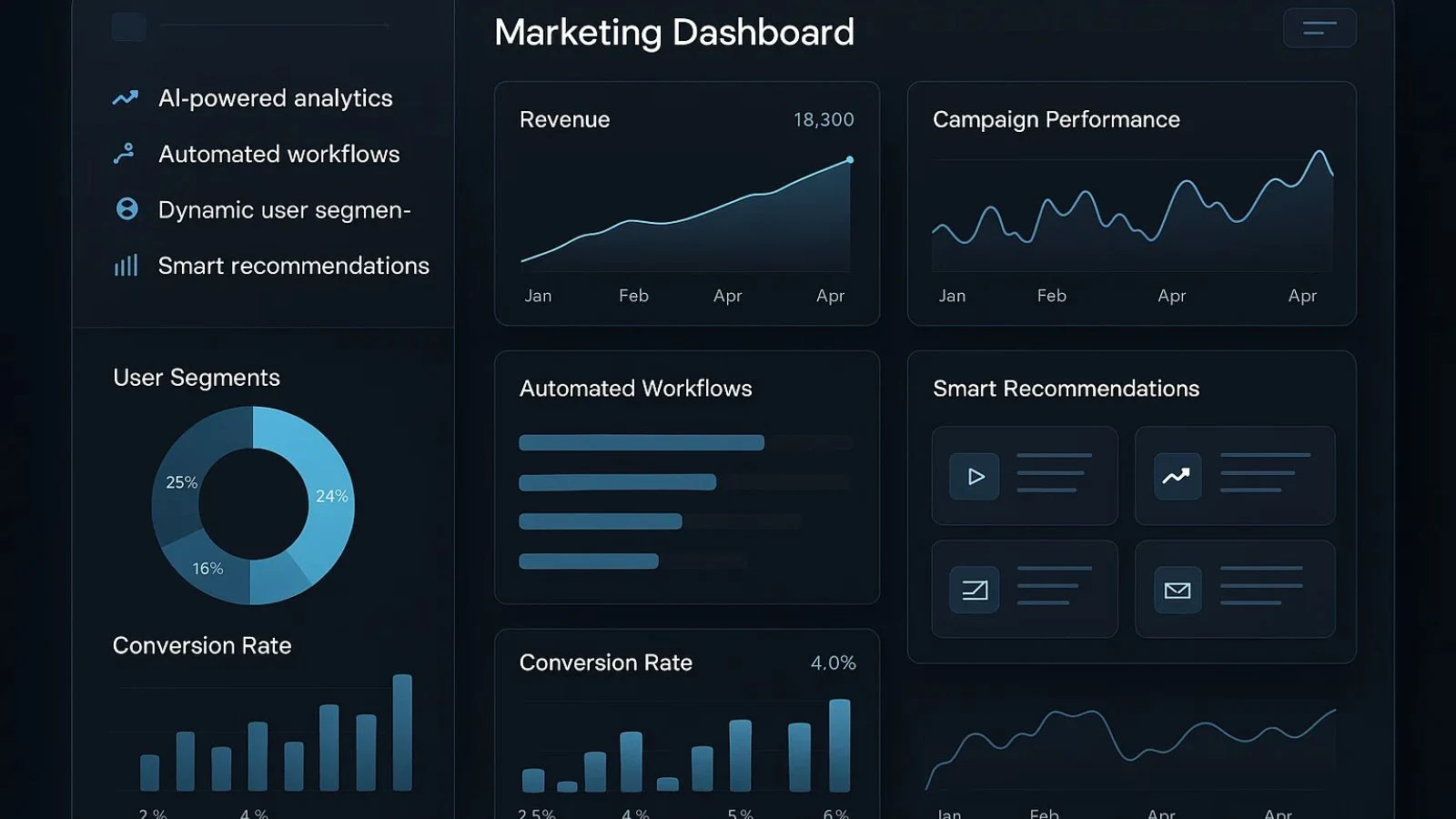
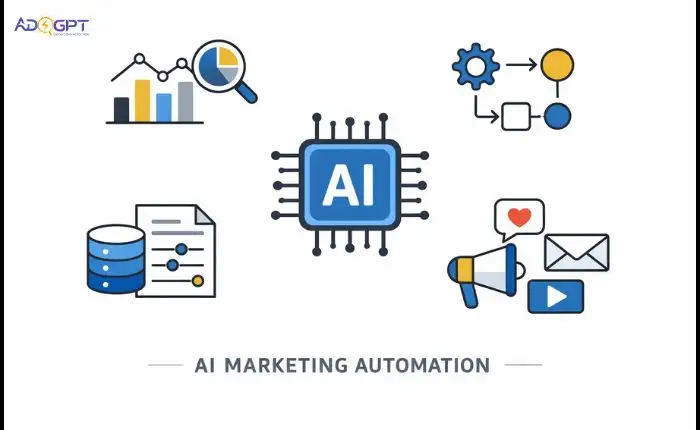
AI marketing automation is the combination of artificial intelligence and automated workflows used to plan, run, and optimize campaigns with minimal manual effort. Traditional automation tools could schedule emails or trigger actions based on simple rules. The new approach goes much further by learning from data, recognizing patterns, and making decisions that improve performance over time.
When people talk about ai in marketing automation, they usually refer to systems that can analyze customer behavior, segment audiences automatically, and predict the best moment to engage. Instead of sending the same message to everyone, AI creates dynamic experiences based on interests, purchase history, and real-time activity. This makes communication more accurate and relevant without increasing workload.
A major difference is how AI enhances timing, targeting, and personalization. It can forecast trends, understand intent, and recommend the next step in a customer journey. From choosing the best channel to adjusting campaign budgets, AI supports smarter execution that improves results. As businesses deal with growing data and rising expectations, marketing teams are turning to intelligent automation to stay efficient and competitive.
Key Benefits for Modern Businesses
Using AI marketing automation helps companies move faster and make smarter decisions without increasing workload. One of the biggest advantages is efficiency. Tasks like segmentation, follow-ups, and scheduling no longer need manual effort, which frees teams to focus on strategy and creativity instead of repetitive work.
AI also improves accuracy. With real-time insights, businesses can understand customer behavior, identify patterns, and adjust campaigns instantly. This leads to more relevant messaging and better engagement across channels. Higher personalization often results in stronger conversions and improved ROI, since decisions are backed by data instead of assumptions.
Another benefit of AI-driven marketing automation is scalability. Whether a business is serving hundreds or millions of customers, AI can manage interactions smoothly without reducing quality. It ensures consistent communication, adapts to audience responses, and helps brands stay competitive in a fast-changing digital environment.
How AI Is Used in Marketing Automation Today?
Modern AI marketing automation tools handle tasks that once required hours of manual work. AI can score leads based on interest level, segment audiences automatically, and send messages at the perfect time using predictive insights. This helps brands stay relevant without constant monitoring.
In practice, AI supports campaigns through personalized content delivery, real-time performance adjustments, and smarter targeting across channels such as email, ads, and social platforms. Some common marketing automation examples include dynamic product recommendations, automated onboarding sequences, and behavior-based retargeting.
By learning from data and reacting instantly, AI helps marketers run smoother campaigns with better results and less effort.
Role of Generative AI in Marketing
Generative AI has become a powerful part of ai marketing automation, especially for content creation and campaign optimization. Instead of starting from scratch, marketers can use generative ai for marketing to produce ad copy, emails, social posts, and landing page variations in minutes. This speeds up execution while keeping brand voice consistent.
It also helps analyze what performs best and suggests improvements based on real-time data. Combined with content marketing tools, teams can scale personalized messaging without increasing workload. From crafting targeted offers to testing multiple creative versions, generative AI reduces guesswork and helps campaigns stay fresh and relevant.
Overall, it turns marketing into a faster, more creative, and more efficient process.
Real-World Applications Across Industries
Businesses across multiple sectors are already seeing results from ai marketing automation. In e-commerce, AI sends personalized product suggestions, recovers abandoned carts, and improves repeat sales. SaaS companies use automated onboarding and nurture sequences to guide users through setup and increase activation rates.
Retail brands run loyalty campaigns that adjust offers based on purchase history and in-store behavior. Service-based businesses benefit from instant lead follow-ups that improve response time and conversion. With marketing automation artificial intelligence, these workflows operate in the background, delivering consistent engagement without extra effort.
From small startups to large enterprises, AI is helping teams reach the right audience, at the right moment, with far more precision and impact.
How to Get Started With AI Marketing Automation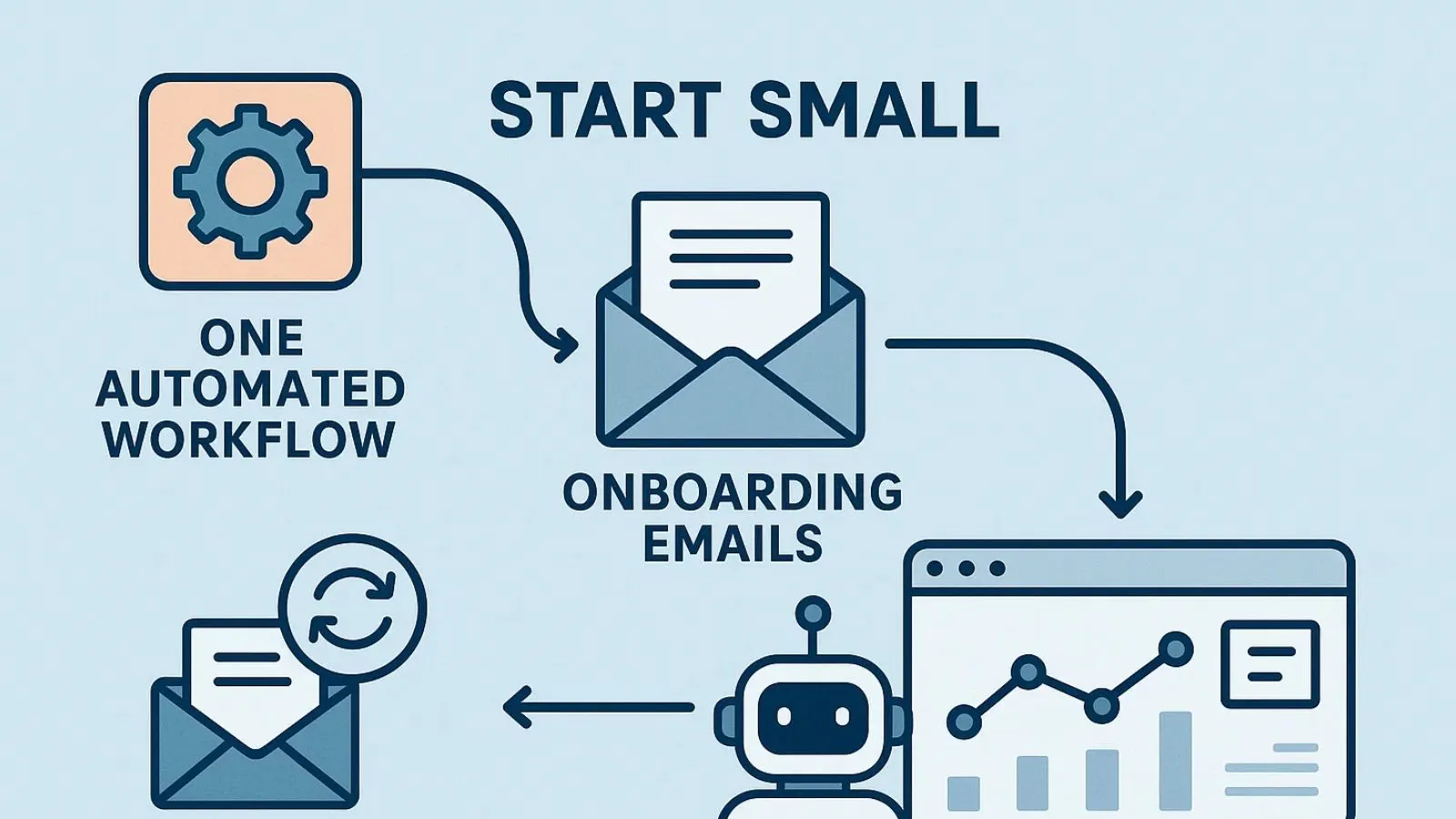
Getting started with ai marketing automation doesn’t require a full tech overhaul. The first step is defining clear goals—whether it’s improving lead nurturing, boosting conversions, or reducing manual work. Next, choose tools that integrate with your existing CRM, email platforms, and data sources to avoid fragmentation.
Once connected, start small by automating a single workflow, such as onboarding emails or follow-up messages. Test performance, review insights, and refine based on results. Over time, you can expand into advanced features like predictive targeting or dynamic segmentation using AI for marketing automation.
The key is gradual adoption, consistent optimization, and letting AI handle repetitive tasks while your team focuses on strategy and creativity.
Introducing AdsGpt for Smarter Marketing
AdsGpt helps businesses apply ai marketing automation without complexity. Instead of spending hours creating and testing campaigns, the platform generates ad copy, audience suggestions, and optimization insights in just a few clicks. This makes it easier to launch data-driven campaigns that perform well across channels.
With automated creative generation, real-time tracking, and audience targeting, AdsGpt reduces manual work and improves consistency. It supports faster decision-making, helps increase conversions, and gives teams the freedom to focus on strategy instead of repetitive tasks.
For brands looking to scale efficiently, AdsGpt offers a practical way to use AI and achieve better results with less effort.
Conclusion
The rise of ai marketing automation is reshaping how businesses plan, execute, and optimize digital campaigns. Instead of relying on manual processes, brands can now use intelligent systems to personalize messaging, predict customer behavior, and scale engagement across every channel. This shift leads to faster workflows, better targeting, and higher ROI with fewer resources.
As competition grows and customer expectations increase, companies that adopt AI-driven solutions will stay ahead while others struggle to keep up. By combining automation with real-time insights, marketing becomes more strategic and less repetitive.
With tools like AdsGpt supporting smarter execution, now is the right time for businesses to embrace AI and transform the way they connect and convert online.
Also Read,
How To Leverage Generative AI For Marketing Success
How To Unlock Explosive Growth With AI In Digital Marketing?
FAQ’s
- What makes AI marketing automation different from traditional automation?
Traditional tools follow fixed rules, while AI learns from data, predicts behavior, and adjusts campaigns in real time for better accuracy and results. - Can small businesses benefit from ai marketing automation?
Yes, even small teams can automate follow-ups, personalize messaging, and save time by using tools that handle repetitive tasks and improve conversions. - What types of tasks can AI automate in marketing?
AI can manage segmentation, lead scoring, content delivery, predictive targeting, and campaign optimization across email, ads, and social platforms.
MOST POPULAR