
Remember when Pepsi’s ad appeared next to a terrorist propaganda video? Or when major brands discovered their campaigns running alongside conspiracy theories and hate speech? These aren’t just embarrassing moments; they’re brand nightmares that can cost millions and take years to recover from. Ensure Brand Safety In Advertising has quickly moved from a “nice-to-have” checklist item to a make-or-break priority for anyone spending money on digital advertising.
Here’s the thing: we’re all creating and consuming content at a crazy pace. Every minute, hundreds of hours of video get uploaded, thousands of articles go live, and millions of social media posts hit the internet.
There’s simply no way any team of humans could manually check every piece of content where your ads might appear. That’s exactly why artificial intelligence isn’t just helping with brand safety; it’s completely changing the game.
Listen To The Podcast Now!
Why Traditional Brand Safety Methods Just Weren’t Cutting It:
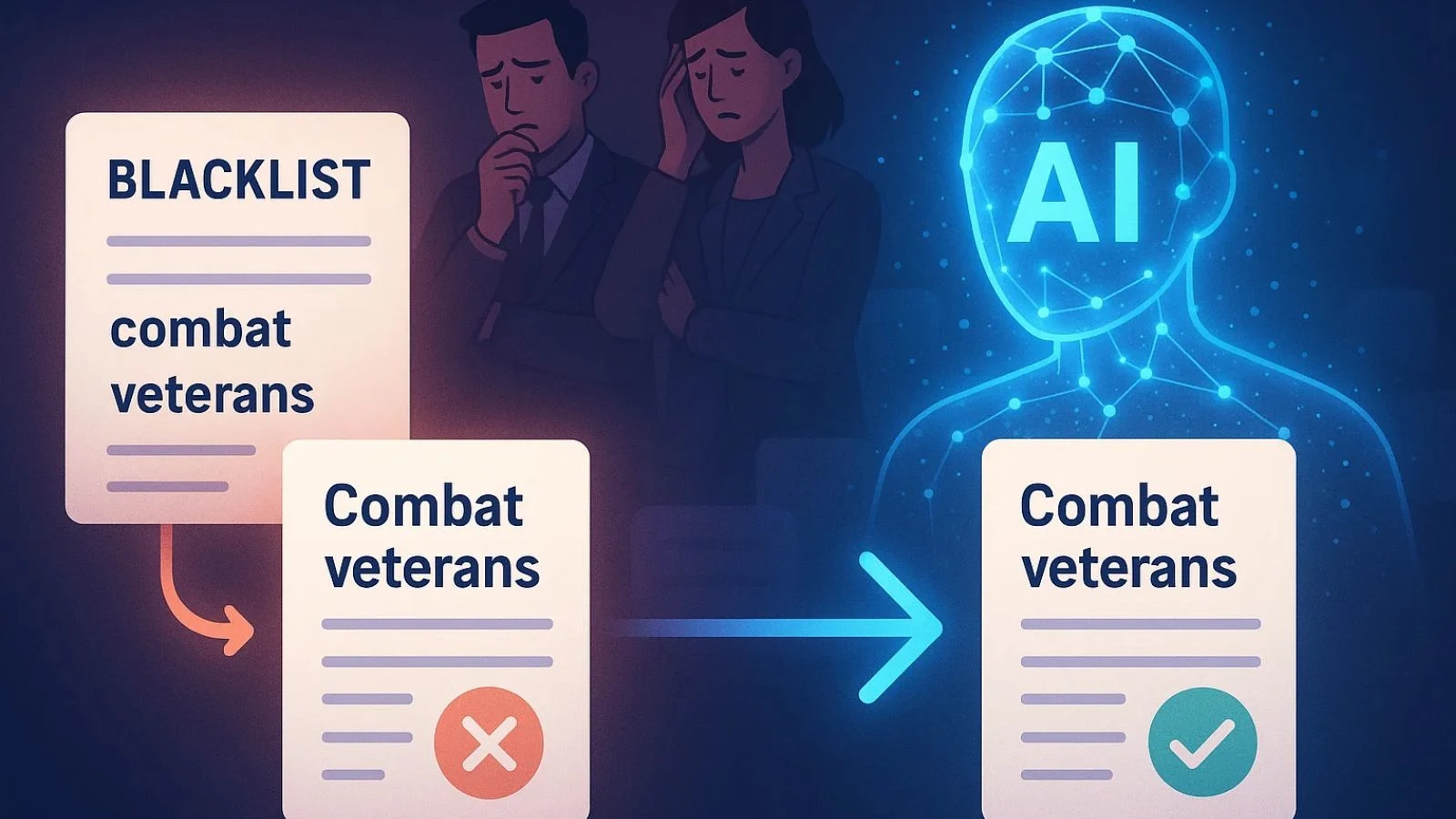
The old way of handling Brand Safety was pretty crude. We basically gave computers a list of “bad words” and told them to avoid anything containing those terms. Sounds simple enough, right? Wrong.
This approach created some ridiculous situations. A legitimate news article about “combat veterans” might get blocked because it contained the word “combat.” Meanwhile, genuinely harmful content would slip through because it used coded language that wasn’t on the blacklist.
I’ve talked to marketing directors who were pulling their hair out over this. They were either losing out on perfectly good advertising opportunities because their filters were too aggressive, or worse, they’d wake up to angry tweets about their brand appearing next to completely inappropriate content.
The advertising world needed something smarter. We needed technology that could actually understand what content meant, not just scan for specific words. Enter artificial intelligence.
How AI Actually Gets What Content Is Really About:
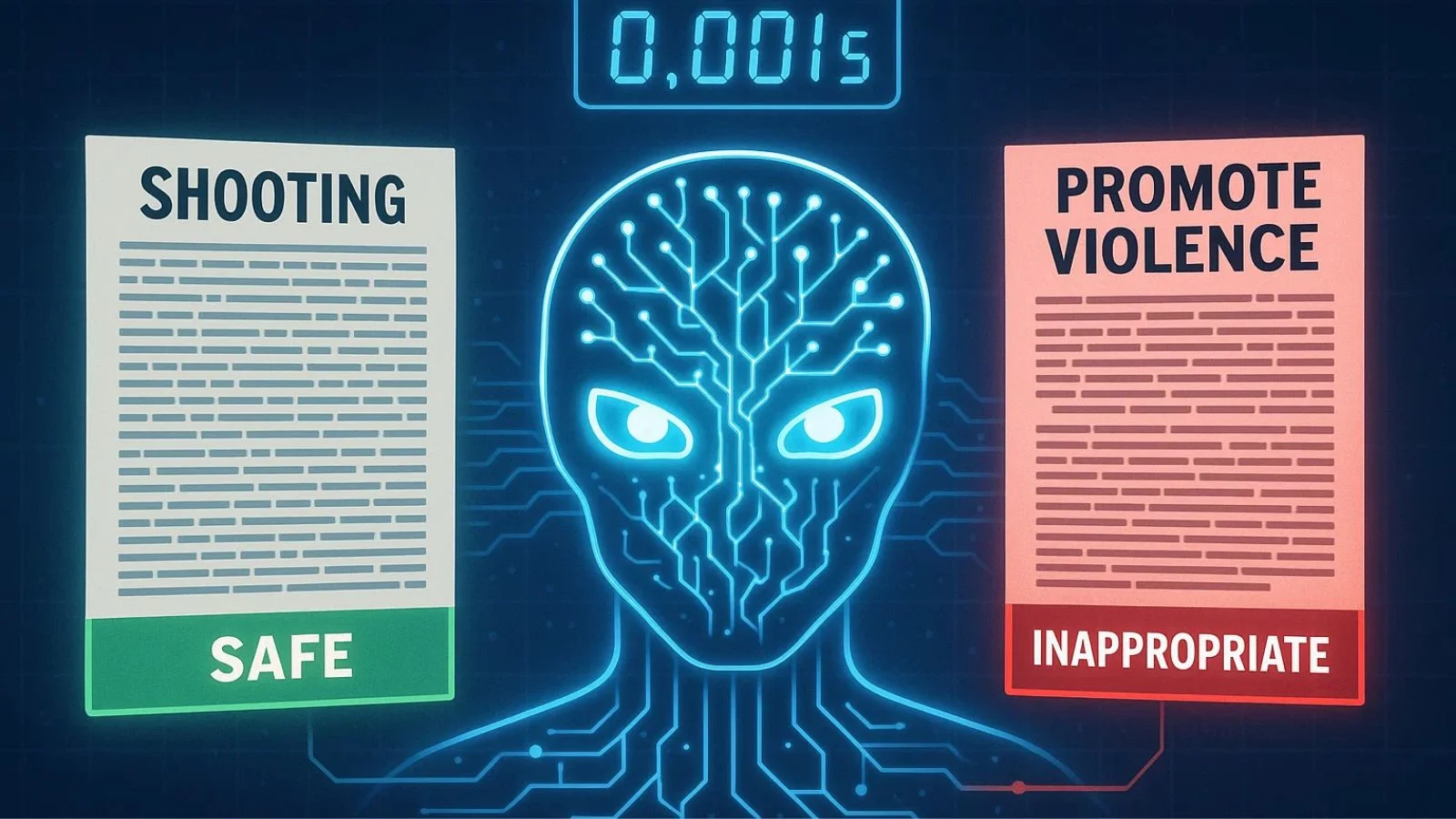
The biggest breakthrough in Brand Safety has been AI’s ability to understand context. Let me explain what I mean. Imagine two articles both containing the word “shooting.” One is a news report handled with journalistic integrity. The other glorifies violence. Traditional keyword filters would block both or allow both.
AI, on the other hand, reads the entire piece, understands the tone, recognizes the context, and makes intelligent decisions about whether each one aligns with your brand values. Modern AI systems use natural language processing, which is basically teaching computers to read and understand text the way you and I do.
They pick up on nuance, sentiment, and intent. They know the difference between a documentary about historical events and content that promotes violence. What really blows my mind is how fast this happens.
We’re talking milliseconds. In the time it takes you to blink, AI has analyzed an article, understood its context, checked it against your brand guidelines, and decided whether your ad should appear there. This speed matters because programmatic advertising happens in real-time auctions that move faster than any human could process.
It’s Not Just About Words Anymore:

Here’s something that kept brand managers up at night for years: what about images and videos? You can’t keyword-filter a photograph.
AI has solved this, too. Computer vision technology can now “see” and understand visual content. It recognizes inappropriate imagery, identifies logos (including competitors’ brands), and even picks up on subtle visual cues that might create the wrong associations for your brand.
I recently spoke with a brand manager at a children’s toy company who told me their AI system caught their ad about to appear in a video that seemed fine based on the title, but contained inappropriate visual content in the background. A human reviewer might have caught this eventually, but AI spotted it instantly.
When Brand Safety Meets Brand Suitability:
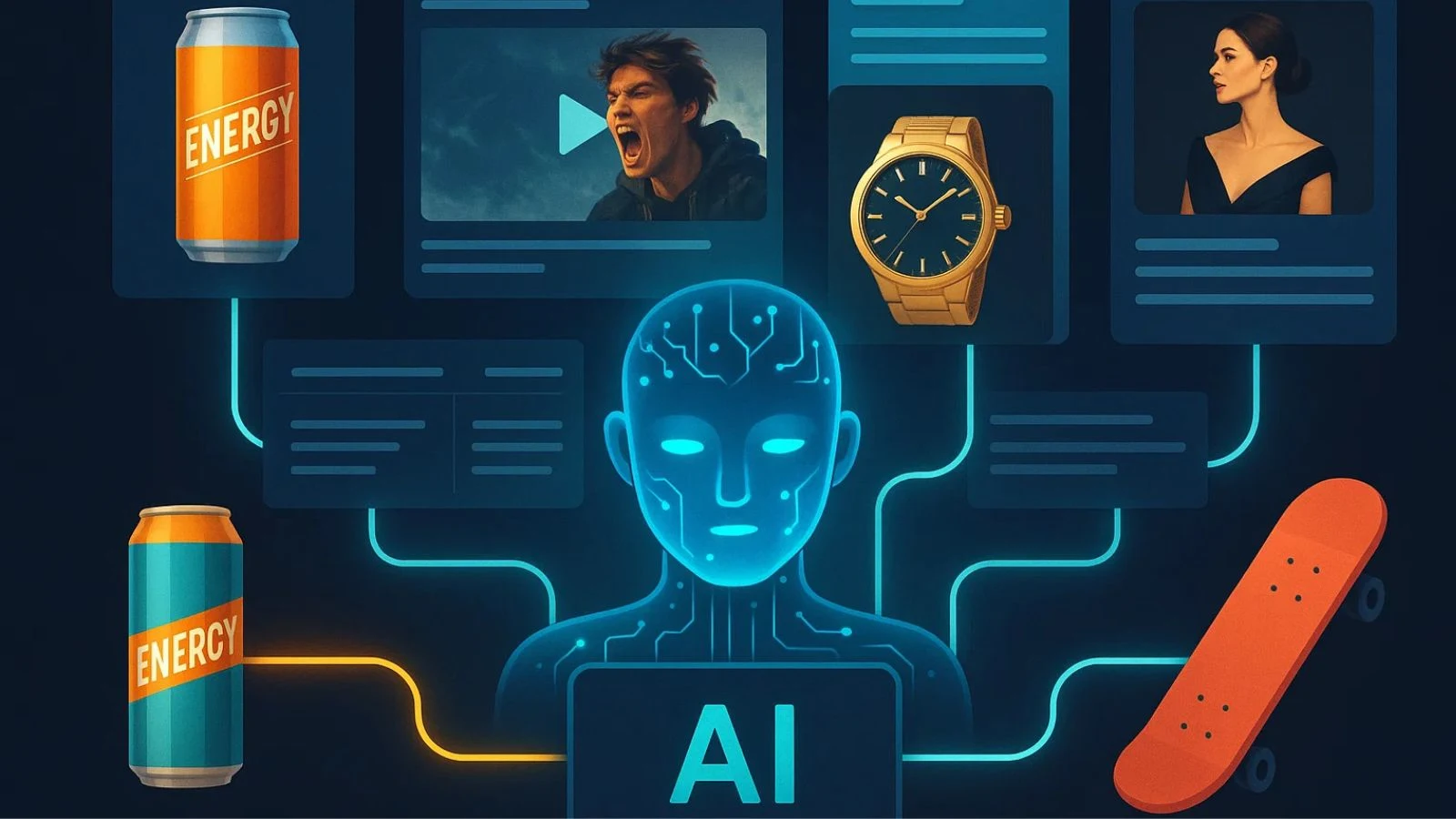
Here’s where things get really interesting. As AI has gotten smarter, we’ve realized that Brand Safety isn’t just about avoiding bad stuff; it’s about finding the right stuff for your specific brand.
Think about it: what’s appropriate for an edgy energy drink brand versus a financial services company? What works for a skateboard company won’t necessarily work for a luxury watch brand. They all need to ensure brand safety, but “safe” means something different for each of them.
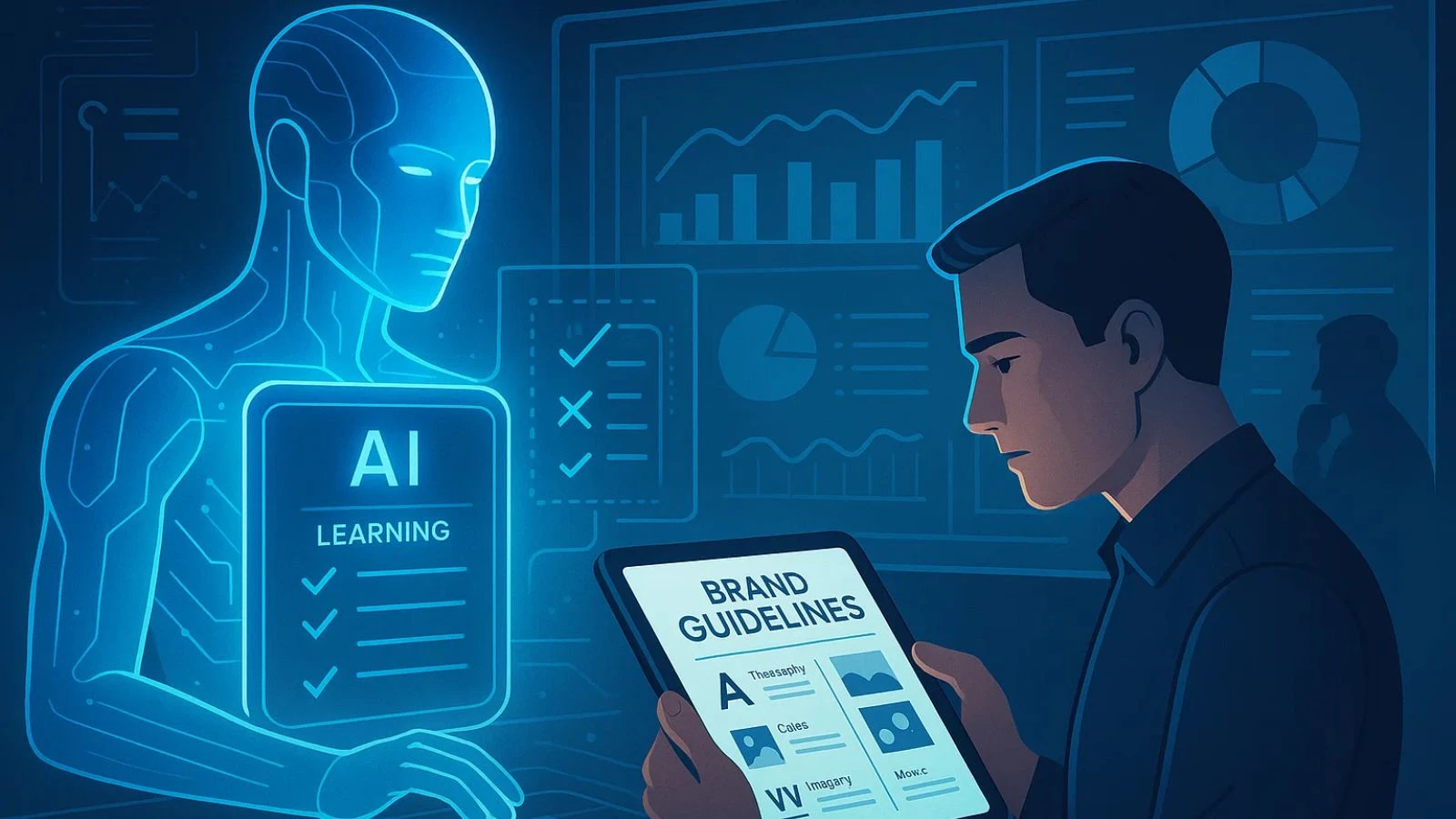
Modern AI systems can be trained on your specific brand guidelines. They learn what aligns with your values, your target audience, and your brand positioning. It’s like having a team member who deeply understands your brand, making placement decisions millions of times per day.
This shift from one-size-fits-all safety to personalized suitability has been huge for brand safety advertising. Brands aren’t just avoiding disasters anymore; they’re actively seeking the perfect contextual fit for their messages.
Also Read:
Meet AdsGPT: Your Brand’s AI Guardian:
Managing Brand Safety across platforms, campaigns, and formats can be a complex, time-consuming task. That’s where AdsGPT comes in. It is designed specifically to tackle this challenge by offering a comprehensive solution that ensures your ads meet your brand safety standards across all digital platforms.
What sets AdsGPT apart is its ability to learn and adapt to your brand’s unique identity. Instead of relying on generic safety rules, it tailors its decisions based on your brand’s voice, audience, and guidelines.
AdsGPT uses AI to understand the context of content and determine whether it aligns with your brand values before placing your ads. This process not only ensures the safety of your brand but also optimizes the effectiveness of your campaigns.
The platform offers intuitive reporting, providing transparency into campaign performance and safety measures, so you can see exactly where your ads are appearing and why certain decisions were made.
This insight helps refine strategies, ensuring that your ads are shown in the most relevant and safe environments. For businesses focused on safeguarding their reputation and maximizing ad spend, AdsGPT simplifies the process and removes the stress of ad placement decisions.
Making AI Work for Your Brand:
If you’re looking to upgrade your approach to Brand Safety, here’s what actually works:
Start by getting crystal clear on your brand guidelines. AI is only as good as the instructions you give it. Take time to document not just the obvious no-gos, but the subtle stuff too, what tone feels right, what topics align with your values, what kinds of content your audience actually consumes.
Don’t set it and forget it. The digital world moves fast, and your brand evolves too. Check in on your settings every few months to make sure they still make sense.
Keep humans in the loop. AI handles the heavy lifting, but human judgment is still valuable for unusual situations. Think of it as AI doing the first pass, and humans handling the edge cases.
Actually, look at the data. Your brand safety in ad settings directly impacts performance. Are you blocking too much? Not enough? Use the metrics to fine-tune your approach rather than guessing.
What’s Coming Next:

The future of Brand Safety gets more interesting every day. We’re heading toward AI that doesn’t just understand content but predicts where controversies might emerge before they explode. Imagine being able to adjust your strategy before a topic becomes problematic, not after.
We’re also likely to see AI integrated with blockchain technology, creating permanent, transparent records of where ads appeared. And as deep fakes and AI-generated content become more common, AI will need to get even smarter about detecting manipulated media.
Wrapping Up:
AI hasn’t just improved Brand Safety, it’s fundamentally changed what’s possible. We’ve gone from crude keyword blocking to sophisticated systems that understand context, analyze content in real-time, and make millions of smart decisions customized to each brand’s needs. The brands that embrace AI-powered solutions now will be the ones laughing while their competitors deal with reputation crises and wasted ad spend. The technology exists, it works, and honestly, in today’s digital landscape, you can’t afford to use it.
FAQ’s:
Q1: Does AI really catch everything inappropriate?
Ans: Modern systems catch 95%+ of problematic content, which is way better than old-school methods. That said, keeping a human in the loop for weird edge cases is still smart.
Q2: Will this limit where my ads can run?
Ans: Actually, the opposite. Good AI reduces false alarms, so you avoid genuinely bad placements while accessing quality inventory that keyword filters would’ve wrongly blocked.
Q3: Is it fast enough for real-time advertising?
Ans: Absolutely. AI analyzes and makes decisions in milliseconds, faster than the programmatic auctions themselves. Your campaigns won’t skip a beat.
Q4: How can I ensure AI matches my brand’s needs?
Ans: Define clear brand guidelines and update them regularly. The more specific you are about your brand’s voice and values, the better AI will align with your needs.

MOST POPULAR