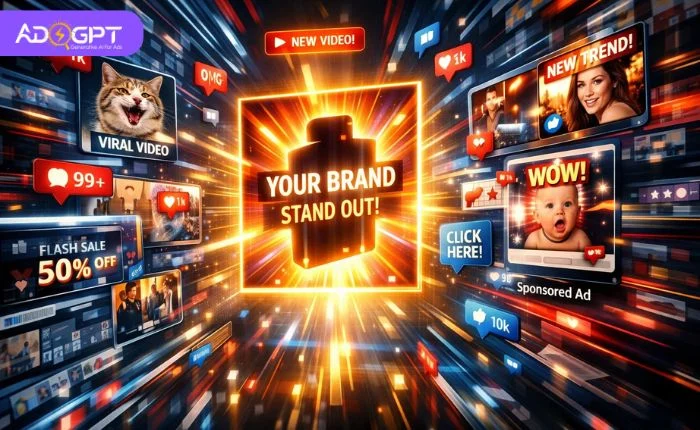
Advertising has become a battle for attention. Brands are no longer competing only with other brands; they’re competing with memes, creators, short videos, notifications, and endless streams of content. In this crowded environment, popular ads stand out because they don’t feel like interruptions. They feel relevant, relatable, or entertaining enough to earn a few valuable seconds of attention.
What makes the current advertising landscape especially interesting is how quickly campaigns rise and fall. An ad can go viral within hours and fade just as fast. For marketers, this makes it essential to look beyond surface-level success and understand why certain campaigns work. Studying popular ads right now reveals changing audience preferences, evolving content formats, and the messaging styles that connect instantly.
Another major shift shaping advertising success is the growing influence of data and technology. Creative decisions are no longer based purely on intuition. Many of the best ad commercials are built using insights from audience behavior, performance metrics, and rapid testing, allowing brands to refine ideas before and after launch.
As this blog explores what makes ads truly popular, you’ll discover actionable lessons that marketers can apply across industries and platforms. You’ll also see how AI-driven tools like AdsGPT are helping brands transform raw ideas into compelling, high-performing ads with speed and precision.
You can listen to this blog here.
What Makes Ads “Popular” Today?
Not every ad with a big budget becomes memorable. The campaigns that break through noise and turn into popular ads share a few common traits that go far beyond flashy visuals or celebrity endorsements. Popularity is earned through connection, not interruption.
One of the biggest factors is relevance. Ads that reflect real emotions, everyday problems, or current cultural moments instantly feel familiar. When viewers see themselves in a message, they’re more likely to engage, share, and remember it. This is a major reason why many popular ads right now feel conversational rather than overly polished or sales-heavy.
Another defining element is clarity. The best ad commercials communicate one strong idea instead of cramming in multiple messages. Whether the goal is brand awareness or conversion, successful ads focus on a single takeaway that sticks long after the ad ends.
Engagement metrics also play a major role in determining popularity. Likes, shares, comments, watch time, and brand recall now matter more than raw impressions. Ads that spark conversation or emotion naturally travel further, especially on social platforms where algorithms reward interaction.
Lastly, speed and adaptability matter. Brands that test multiple creative variations and quickly double down on what works tend to dominate. This is where AI-powered tools are changing the game, helping marketers identify winning elements faster and replicate success without starting from scratch.
Trends Driving Popular Ads Right Now
Advertising trends evolve quickly, but certain patterns consistently show up in popular ads across industries and platforms. These trends reflect how audiences consume content and what they expect from brands that want their attention.
One major trend is short-form storytelling. Ads are getting shorter, but their impact is getting stronger. Instead of long explanations, brands focus on quick hooks, relatable moments, and punchy endings. Many popular ads right now deliver their message within the first few seconds, knowing that attention drops rapidly after that.
Another powerful trend is authenticity. Highly polished, studio-perfect ads are giving way to more natural, human content. User-generated style visuals, creator-led messaging, and behind-the-scenes storytelling feel more trustworthy. This shift is why several best ad commercials resemble social posts rather than traditional advertisements.
Personalization is also playing a growing role. Audiences expect ads to reflect their interests, behaviors, and preferences. AI-driven targeting and creative variation allow brands to serve different versions of the same ad to different audience segments, making each interaction feel more relevant.
Finally, entertainment-first advertising continues to dominate. Humor, emotion, surprise, and storytelling outperform purely promotional messages. Brands that focus on entertaining first and selling second are more likely to create ads that people willingly watch, share, and remember.
Emotional Storytelling: The Core of Best Ad Commercials
Emotion has always played a role in advertising, but it has become the defining factor behind many popular ads. People may forget features and offers, but they remember how an ad made them feel. That emotional connection is what transforms a simple campaign into something shareable and memorable.
The best ad commercials often follow a simple story arc introducing a relatable situation, building tension or curiosity, and resolving it with a clear message. Even in 15 or 30 seconds, strong storytelling creates a sense of journey that keeps viewers engaged from start to finish.
Different emotions trigger different responses. Humor increases shareability, nostalgia builds trust, and empathy creates deeper brand connections. Many popular ads right now lean heavily on everyday moments, family interactions, small struggles, or wins that feel personal. This relatability makes the brand feel human rather than transactional.
Another reason emotional storytelling works is its ability to simplify complex messages. Instead of explaining how a product works, advertisers show why it matters. When audiences emotionally connect with the outcome, they’re more likely to remember the brand behind the story.
For marketers, the key takeaway is clear: emotional storytelling isn’t optional anymore. It’s the foundation upon which high-performing ads are built, especially in an environment where attention spans are short and competition is relentless.
Platform-Specific Creativity in Popular Ads
One-size-fits-all advertising rarely works anymore. The most popular ads are designed with specific platforms in mind, not simply resized or reposted across channels. Each platform has its own audience behavior, content style, and attention patterns, and successful marketers adapt accordingly.
On platforms like Instagram and TikTok, vertical videos and fast hooks dominate. Viewers decide within seconds whether to keep watching, which is why many popular ads right now lead with movement, bold visuals, or an intriguing opening line. Sound-on experiences, captions, and native-style editing also play a major role in performance.
YouTube, on the other hand, allows for slightly longer storytelling. Some of the best ad commercials use skippable formats creatively, delivering the core message before the skip button even becomes relevant. This forces clarity and encourages brands to prioritize the strongest ideas upfront.
Another important aspect is creative fatigue. Audiences quickly tire of seeing the same ad repeatedly, especially on social platforms. High-performing brands combat this by launching multiple variations of the same concept, adjusting visuals, messaging, and pacing to extend the life of a campaign.
Understanding platform-specific creativity helps marketers maximize reach, engagement, and return on ad spend. It also highlights the growing need for tools that can generate and test multiple ad versions efficiently without slowing down the creative process.
The Role of Data & AI in Creating Winning Ads
Creativity alone is no longer enough to produce popular ads. Behind most high-performing campaigns is a strong foundation of data that guides creative decisions. Marketers now rely on insights such as audience behavior, engagement patterns, and past performance to shape ad concepts before they ever go live.
Data helps answer critical questions: What type of hook works best? Which message drives higher engagement? How long should an ad be for a specific platform? By analyzing these factors, brands can predict which ideas are more likely to turn into popular ads right now, reducing guesswork and wasted spend.
Artificial intelligence has taken this process a step further. AI tools can analyze large volumes of data, identify trends, and generate creative variations at scale. This allows marketers to test multiple versions of an idea quickly and focus resources on what performs best. Many of the best ad commercials are refined through continuous optimization rather than launched as a single final version.
AI also improves personalization. Instead of serving the same ad to everyone, brands can tailor messaging, visuals, and calls-to-action to different audience segments. This level of relevance significantly increases engagement and recall.
As competition increases and attention spans shrink, the combination of data and AI is becoming essential. Marketers who embrace these tools gain the ability to move faster, adapt smarter, and consistently create ads that resonate with the right audience.
How AdsGPT Helps Create Popular Ads Faster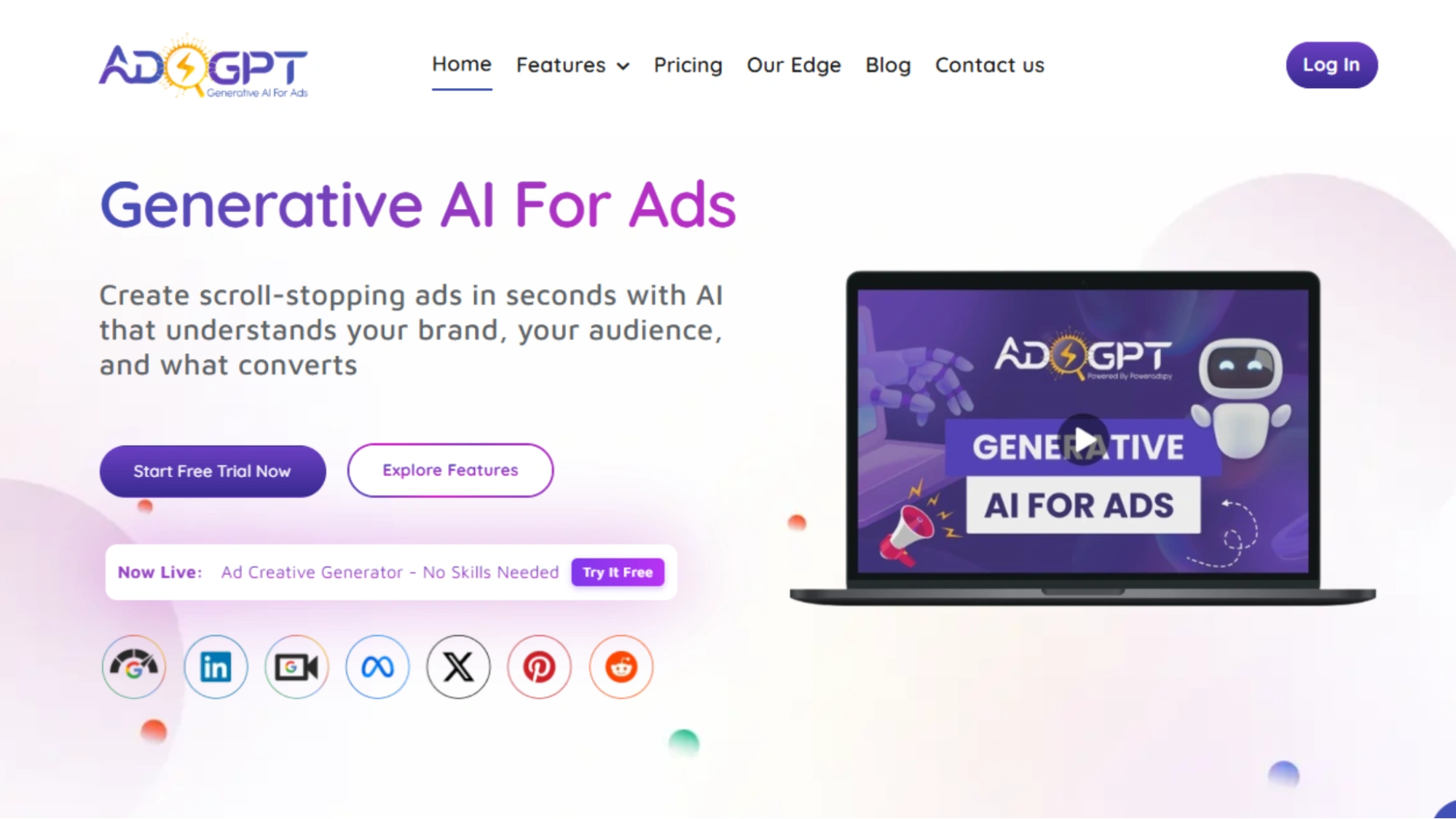
Creating popular ads consistently is challenging, especially when marketers are expected to deliver fresh ideas, multiple variations, and quick results. This is where AI-powered platforms like AdsGPT become a strategic advantage rather than just a convenience.
AdsGPT is designed to support the entire ad creation process from ideation to optimization. Instead of starting from a blank page, marketers can generate ad concepts, hooks, headlines, and calls-to-action in minutes. This speed allows teams to react quickly to trends and capitalize on what’s driving popular ads right now.
One of AdsGPT’s biggest strengths is variation at scale. Marketers can instantly create multiple versions of an ad, each tailored for different platforms, audiences, or campaign goals. This makes testing easier and more effective, helping identify which creative elements are most likely to turn into the best ad commercials.
AdsGPT also aligns creativity with data. By incorporating performance insights and proven ad frameworks, the tool helps ensure that ideas are not only creative but also conversion-focused. This balance reduces creative fatigue and improves overall campaign efficiency.
For brands and marketers aiming to stay competitive, AdsGPT transforms ad creation from a slow, manual process into a fast, insight-driven workflow, making it easier to produce ads that capture attention and deliver results.
Lessons Marketers Can Learn from Popular Ads
The success of popular ads isn’t accidental. Behind every high-performing campaign are clear principles that marketers can apply regardless of industry or budget. Understanding these lessons helps turn inspiration into execution.
One of the most important takeaways is simplicity. Ads that focus on one strong idea consistently outperform those trying to say too much. Many popular ads right now succeed because they communicate a clear message within seconds, making them easy to understand and remember.
Another key lesson is the importance of the opening hook. The first three seconds often determine whether an ad is watched or ignored. The best ad commercials grab attention immediately through bold visuals, relatable statements, or emotional cues that spark curiosity.
Consistency also matters. Popular ads align closely with the brand’s voice and values, ensuring that attention translates into recognition and trust. Viewers may enjoy an ad, but it only delivers long-term value if they remember who it was from.
Finally, successful marketers embrace testing and iteration. Instead of relying on a single “perfect” ad, they launch multiple variations and let performance data guide optimization. Tools like AdsGPT make this process faster and more manageable, allowing teams to scale what works without burning time or budget.
Conclusion:
The success of popular ads goes far beyond creativity alone. What truly sets winning campaigns apart is their ability to connect emotionally, adapt to platforms, and evolve through data-driven decisions. From short-form storytelling and authentic visuals to AI-powered optimization, the patterns behind high-performing ads offer clear guidance for modern marketers.
Looking at popular ads right now shows that audiences respond to relevance, simplicity, and entertainment more than aggressive promotion. The best ad commercials don’t try to sell instantly; they build trust, spark curiosity, and leave a lasting impression. These qualities are no longer optional; they are essential for standing out in an overcrowded advertising landscape.
For marketers, the real opportunity lies in applying these lessons consistently. Testing multiple ideas, refining hooks, and tailoring creatives for different platforms can dramatically improve performance. This is where tools like AdsGPT play a critical role, helping teams move faster, experiment smarter, and transform insights into action.
By combining human creativity with AI-driven efficiency, brands can stop chasing trends and start creating ads that resonate. The future of advertising belongs to those who understand what makes ads popular and have the tools to act on that knowledge effectively.
Also read,
FAQ’s
1. Why do some ads become popular while others fail?
Ads become popular when they are relevant, simple, and emotionally engaging. Many popular ads right now succeed because they focus on storytelling, strong hooks, and platform-specific creativity rather than hard selling.
2. What platforms are best for running popular ads?
Social platforms like Instagram, TikTok, and YouTube are key drivers of ad popularity. The best ad commercials are usually tailored to each platform’s format, audience behavior, and attention span instead of using a single generic version.
3. How important is emotional storytelling in advertising?
Emotional storytelling is critical. Audiences remember how an ad makes them feel more than what it says. This is why emotion-driven campaigns consistently rank among the most popular ads across industries.

MOST POPULAR