
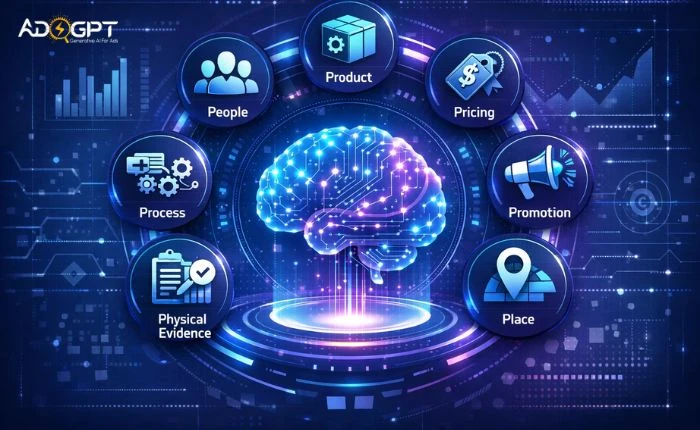
Marketing has always been about connecting the right product or service with the right audience at the right time. While channels, tools, and technologies continue to evolve, the 7 functions of marketing remain the foundation of every successful marketing strategy. These functions guide how businesses understand customers, design offerings, set prices, promote effectively, and ultimately drive sales.
However, the way these functions are executed today looks very different from the past. With data-driven decision-making and automation becoming the norm, businesses are increasingly relying on AI in marketing to improve accuracy, efficiency, and results. From analysing customer behaviour to optimising campaigns in real time, artificial intelligence is reshaping traditional marketing practices.
This blog explains what are the 7 functions of marketing, why they are still relevant, and how AI is transforming each one. Whether you are a business owner, marketer, or student, understanding these changes will help you adapt to modern marketing demands and stay competitive in an AI-driven marketplace.
You can listen to this blog here.
What Are the 7 Functions of Marketing?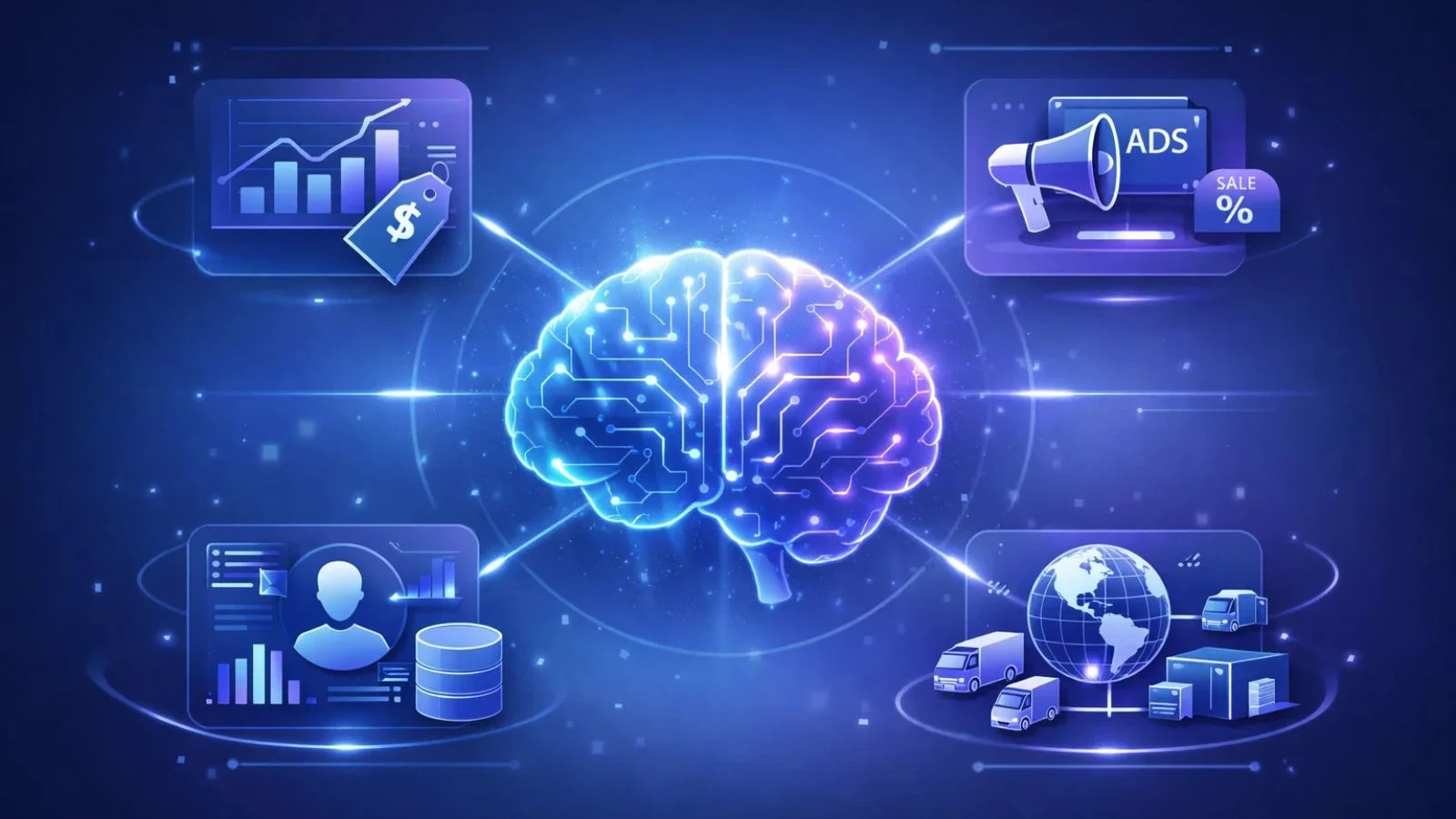
The 7 functions of marketing refer to the essential activities that businesses perform to identify customer needs, deliver value, and achieve organizational goals. These functions work together to ensure that products and services reach the right audience effectively and profitably.
Often referred to as the core functions of marketing, they form the backbone of both traditional and digital marketing strategies. Regardless of industry or business size, companies rely on these functions to plan, execute, and measure their marketing efforts.
Before diving into each function in detail, here’s a quick overview of what are the 7 functions of marketing:
- Marketing Information Management – Collecting and analyzing market and customer data
- Financing – Managing budgets and funding marketing activities
- Product and Service Management – Developing and managing offerings that meet customer needs
- Pricing – Setting prices that reflect value and competitiveness
- Promotion – Communicating value through advertising and campaigns
- Distribution (Place) – Delivering products or services to customers efficiently
- Selling – Converting prospects into customers and building relationships
Traditionally, these marketing functions were handled manually, relying heavily on experience, intuition, and limited data. Today, advanced technologies and the growing role of AI in marketing are helping businesses perform these functions more strategically and with greater precision.
Marketing Information Management
Marketing decisions are only as good as the data behind them. This is why marketing information management is considered one of the most critical marketing functions. It involves collecting, organizing, analyzing, and interpreting data related to customers, competitors, and market trends.
Traditionally, businesses relied on surveys, focus groups, and historical sales data to understand the market. While useful, these methods were often time-consuming and limited in scope. Today, the 7 functions of marketing are increasingly supported by technology, especially artificial intelligence, which allows marketers to process vast amounts of data quickly and accurately.
With AI in marketing, businesses can track customer behavior across multiple touchpoints, identify patterns, and predict future trends. AI-powered analytics tools help marketers understand what customers want, when they want it, and how they prefer to engage with brands. This data-driven approach reduces guesswork and improves strategic planning.
Another key benefit of AI is real-time insights. Instead of waiting weeks for reports, marketers can instantly evaluate campaign performance, audience engagement, and market shifts. This strengthens the core functions of marketing by enabling faster and more informed decision-making.
By improving data accuracy and insight generation, AI is transforming marketing information management into a proactive and strategic function rather than a reactive one.
Function 2 – Financing
Financing plays a crucial role in ensuring that marketing plans move from strategy to execution. As one of the essential marketing functions, financing focuses on allocating budgets, managing costs, and ensuring that marketing activities deliver a positive return on investment. Without proper financial planning, even the most creative campaigns can fail.
In the context of the 7 functions of marketing, financing determines how much a business can invest in advertising, promotions, technology, and talent. Traditionally, marketers planned budgets based on past performance, estimates, and fixed spending models. While this approach worked to some extent, it often lacked precision and flexibility.
The rise of AI in marketing has significantly improved how businesses manage marketing finances. AI-driven tools can analyze historical data, predict campaign outcomes, and recommend optimal budget allocations across channels. This helps marketers spend smarter rather than simply spending more.
Another important aspect of the role of AI in marketing financing is performance tracking. AI systems continuously monitor campaign results, allowing marketers to shift budgets in real time toward high-performing channels and reduce waste. This level of agility strengthens the core functions of marketing by aligning financial decisions with actual performance.
By integrating AI into marketing financing, businesses gain better control over costs, improve ROI, and ensure that every marketing effort supports long-term growth.
Function 3 – Product and Service Management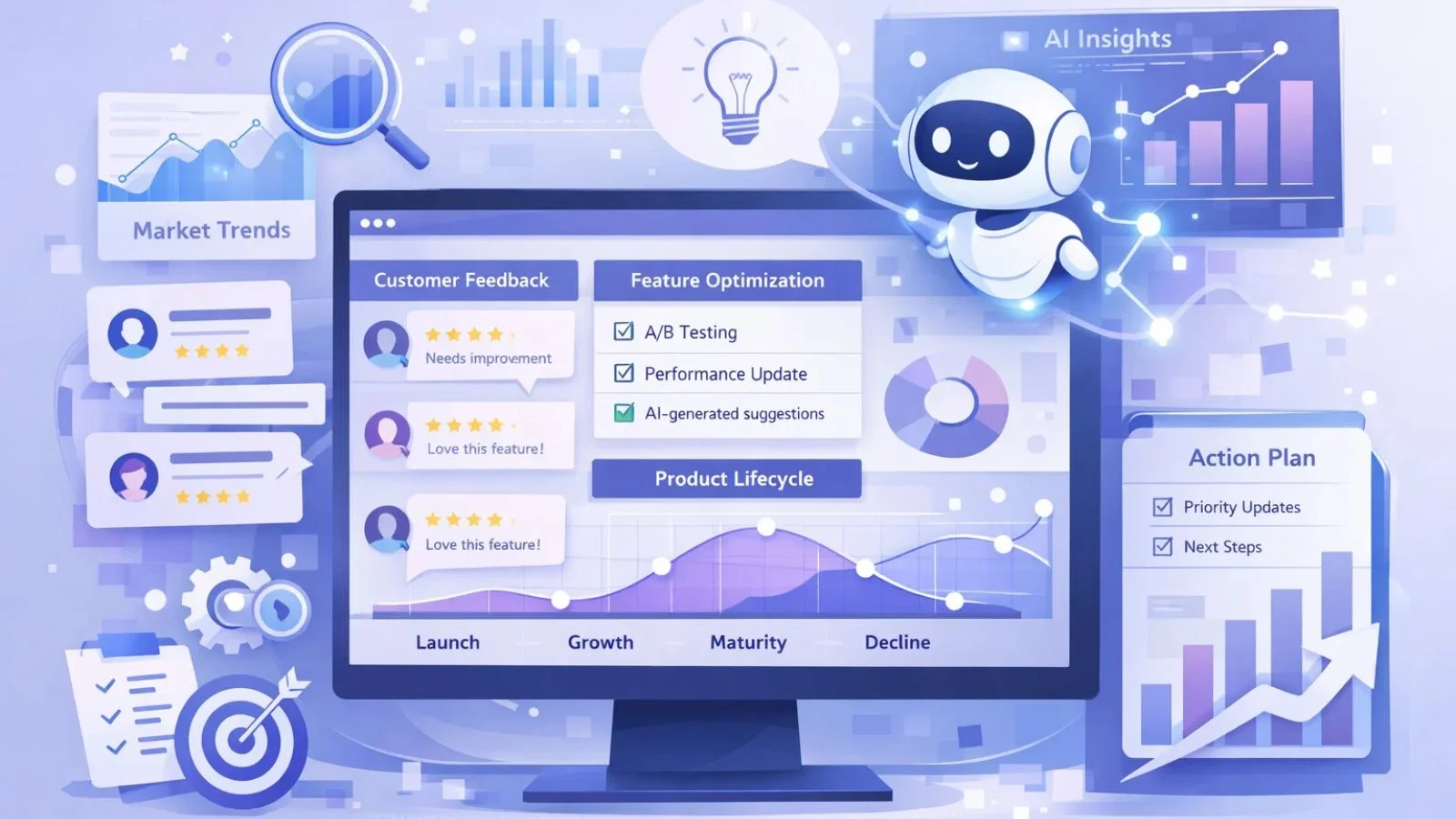
Product and service management focuses on developing offerings that meet customer needs and remain competitive. As part of the 7 functions of marketing, it includes product design, features, improvements, and lifecycle management.
AI helps businesses understand customer preferences through data analysis and feedback patterns. With AI in marketing, companies can identify gaps in the market, personalize offerings, and improve product-market fit. This strengthens the core functions of marketing by ensuring products are aligned with real customer demand.
Function 4 – Pricing
Pricing involves setting the right price based on costs, competition, and perceived value. Within the marketing functions, pricing directly impacts profitability and customer perception.
AI enables dynamic pricing by analyzing demand, competitor prices, and customer behavior in real time. This highlights the role of AI in marketing, allowing businesses to stay competitive while maximizing revenue
Function 5 – Promotion
Promotion focuses on communicating value through advertising, content, and campaigns. It is one of the most visible 7 functions of marketing, directly influencing brand awareness and engagement.
With AI in marketing, promotions become more targeted and automated. AI tools optimize ad creatives, audience targeting, and campaign timing, improving results while reducing manual effort.
Function 6 – Distribution (Place)
Distribution ensures products and services reach customers efficiently. As part of the core functions of marketing, it covers channels, logistics, and availability.
AI improves demand forecasting and supply chain planning, ensuring products are available at the right time and place. This strengthens overall marketing functions by enhancing customer satisfaction.
Function 7 – Selling
Selling focuses on converting prospects into customers and building relationships. It completes the 7 functions of marketing by turning interest into revenue.
AI-powered tools support lead scoring, personalized communication, and sales forecasting. This shows the growing role of AI in marketing, helping sales teams work smarter and close deals faster.
How AI Is Transforming the Core Functions of Marketing
AI is no longer a support tool—it has become a strategic driver across the core functions of marketing. From data collection to sales conversion, AI improves speed, accuracy, and decision-making at every stage. Businesses using AI in marketing can better understand customers, predict trends, and respond to market changes in real time.
Across the 7 functions of marketing, AI reduces manual effort and improves outcomes. It helps marketers analyze large datasets, optimize budgets, personalize customer experiences, and measure performance more effectively. This shift allows teams to focus on strategy and creativity while AI handles data-driven execution.
As competition increases and customer expectations rise, the role of AI in marketing continues to expand. Companies that adopt AI-powered marketing practices gain a clear advantage in efficiency, scalability, and long-term growth.
How AdsGPT Supports AI-Powered Marketing Functions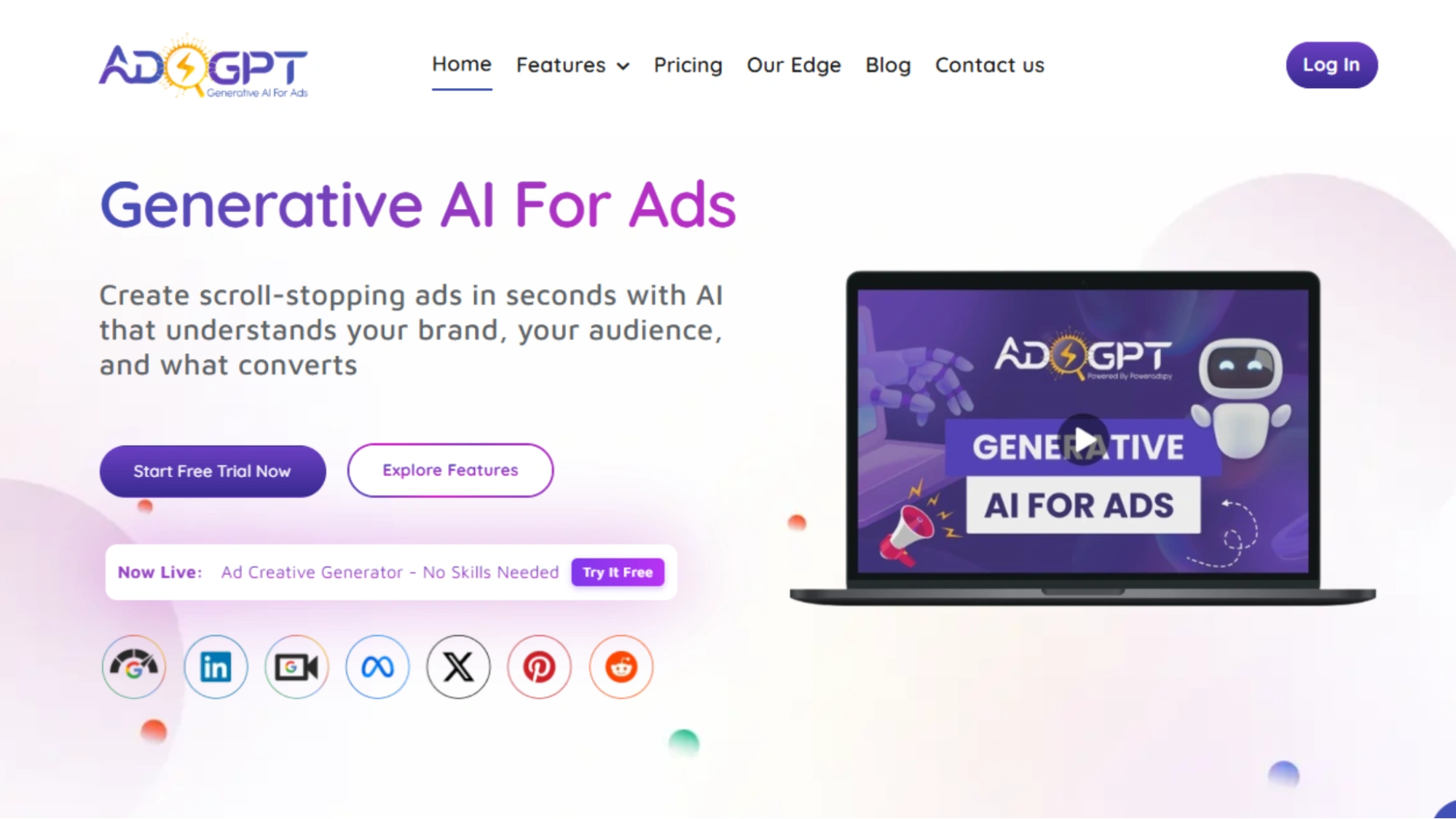
AdsGPT is designed to simplify and enhance modern marketing through artificial intelligence. It supports multiple marketing functions by helping businesses create, optimize, and manage advertising campaigns with minimal manual effort.
Using AI-driven insights, AdsGPT improves audience targeting, ad copy generation, and campaign performance tracking. It helps businesses make smarter budget decisions, optimize promotions, and align marketing strategies with customer behavior.
By integrating AdsGPT into their workflow, businesses can strengthen the 7 functions of marketing while saving time and improving ROI.
Conclusion
Understanding the 7 functions of marketing is essential for building effective and sustainable marketing strategies. While these functions remain unchanged at their core, the way they are executed has evolved significantly.
With AI in marketing, businesses can perform these functions more efficiently, accurately, and strategically. Tools like AdsGPT demonstrate how AI can transform traditional marketing processes into data-driven, scalable systems that support long-term success.
Also read,
FAQ’s
- Why are the marketing functions important?
They provide a structured approach to understanding customers, delivering value, and achieving business goals. - How is AI used in marketing today?
AI is used for data analysis, customer targeting, campaign optimization, personalization, and performance tracking. - What is the role of AI in marketing?
The role of AI in marketing is to improve efficiency, accuracy, and decision-making across all marketing activities.

MOST POPULAR