

In A Hurry? Listen To The Podcast Instead!
1. Creating Content Without Really Knowing Your Audience:

Here’s a mistake we see all the time: marketers assume they know their audience without doing the actual research. You might think you understand what your customers want, but have you actually asked them?
This is one of those content marketing mistakes that seems obvious until you realize how many brands are guilty of it. Take time to build real buyer personas. Talk to your sales team. Read customer reviews. Join online communities where your audience hangs out. The insights you gain will completely transform your content approach.
2. Pumping Out Content Just to Meet Quotas:
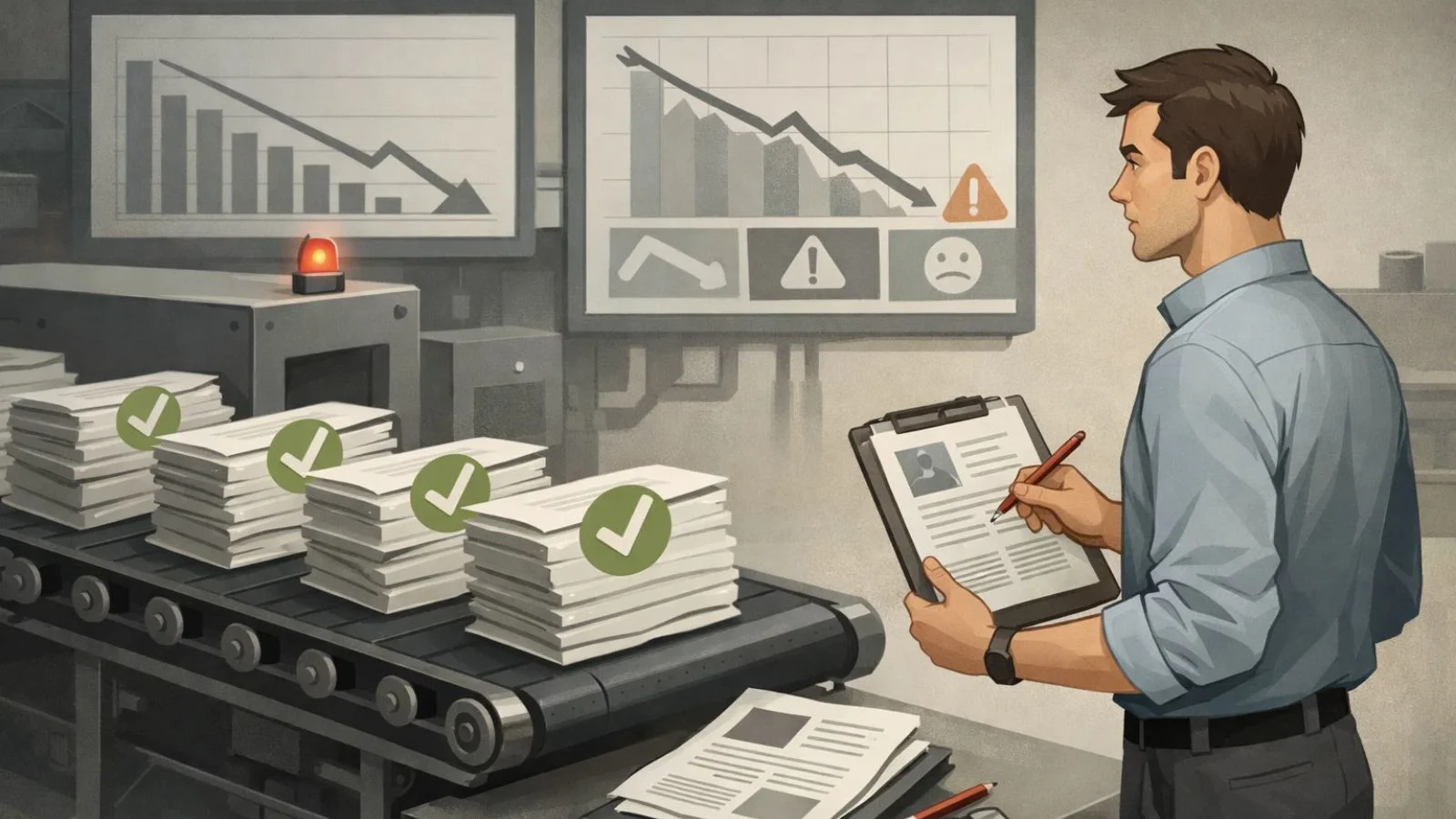
We’ve all felt the pressure to publish, publish, publish. But here’s the thing, publishing mediocre content just to fill your calendar is worse than publishing less frequently with higher quality. This ranks among the most damaging content marketing mistakes because it actively hurts your brand reputation.
Google and your readers can tell when you’re phoning it in. One thoroughly researched, genuinely helpful article will always beat five rushed pieces that barely scratch the surface. Quality isn’t just a buzzword; it’s what actually drives results.
3. Treating SEO Like It’s Optional (Or Overdoing It):

Some marketers ignore SEO completely, thinking “good content will naturally rank.” Other stuff keywords until their content reads as if a robot wrote it. Both approaches are content marketing mistakes that’ll hurt your performance.
The sweet spot? Write for humans first, then optimize strategically. Use relevant keywords where they make sense, create compelling meta descriptions, and structure your content with clear headings. SEO should enhance your content, not dictate it.
4. Never Repurposing Your Best Content:

Why do we treat every piece of content like it’s single-use? If you’ve created something valuable, squeeze every drop of potential from it. Not repurposing content is one of those content marketing mistakes that wastes incredible resources and opportunities.
That blog post you spent days on? Turn it into a YouTube video. Break it into social media posts. Create an infographic. Record a podcast episode about it. This isn’t being lazy, it’s being smart. Different people consume content differently, and repurposing helps you reach all of them.
5. Forgetting to Tell People What to Do Next:

I can’t tell you how many times I’ve read great articles that just… end. No call-to-action, no next step, nothing. You’ve captured someone’s attention; now what?
Every piece of content needs a purpose beyond just existing. Maybe you want readers to subscribe, download a resource, or schedule a demo. Whatever it is, make it clear and make it easy. Don’t assume people will figure it out on their own.
6. Publishing Whenever You Feel Like It:

Consistency matters more than most marketers realize. When you publish sporadically, your audience doesn’t know when to expect new content, and search engines don’t prioritize your site.
You don’t need to publish daily. But whether it’s once a week or twice a month, stick to a schedule you can actually maintain. Your audience will appreciate knowing when to check back, and the consistency signals to Google that your site is actively maintained.
7. Publishing Content and Never Looking Back:

Creating content without tracking results is like throwing darts blindfolded. You might hit something, but you’ll never know why. Many marketers commit this mistake because they’re too busy creating the next piece to analyze what already exists.
Set up proper analytics from day one. Which topics get the most traffic? What converts best? Where are people dropping off? These insights are gold.
They tell you what’s working so you can do more of it and what’s flopping so you can pivot. Ignoring metrics is one of those silent content marketing mistakes that slowly erodes your ROI over time.
8. Forgetting That Most People Read on Their Phones:

If your content appears poorly on mobile, you’re losing more than half of your potential audience. Yet I still see websites where blog posts are nearly unreadable on smartphones.
Check how your content displays on various devices. Make sure images resize properly, text is readable without zooming, and buttons are easy to tap. Mobile optimization isn’t a nice-to-have anymore; it’s essential.
9. Keeping Content Marketing Separate from Everything Else:

Your content team shouldn’t be working in a bubble. Some of the biggest content marketing mistakes occur when marketing teams fail to communicate with sales, product, or customer service. I’ve watched companies miss incredible content opportunities simply because departments weren’t communicating.
Your sales team hears objections daily. Customer service knows the real pain points. Product teams understand what makes your solution unique. Tap into these insights! Cross-functional collaboration makes your content infinitely more relevant and effective.
10. Creating Great Content But Telling Nobody About It:

“If you build it, they will come” doesn’t work for content marketing. You need a distribution strategy that’s just as solid as your creation strategy.
Share your content across social channels. Email it to your list. Reach out to industry influencers. Consider paid promotion for your best pieces. Creating amazing content is only half the job; getting it in front of the right people completes the equation.
Also Read:
How To Master Content Ideation For Engaging Marketing Ideas?
How AdsGPT Helps You Sidestep These Common Pitfalls?
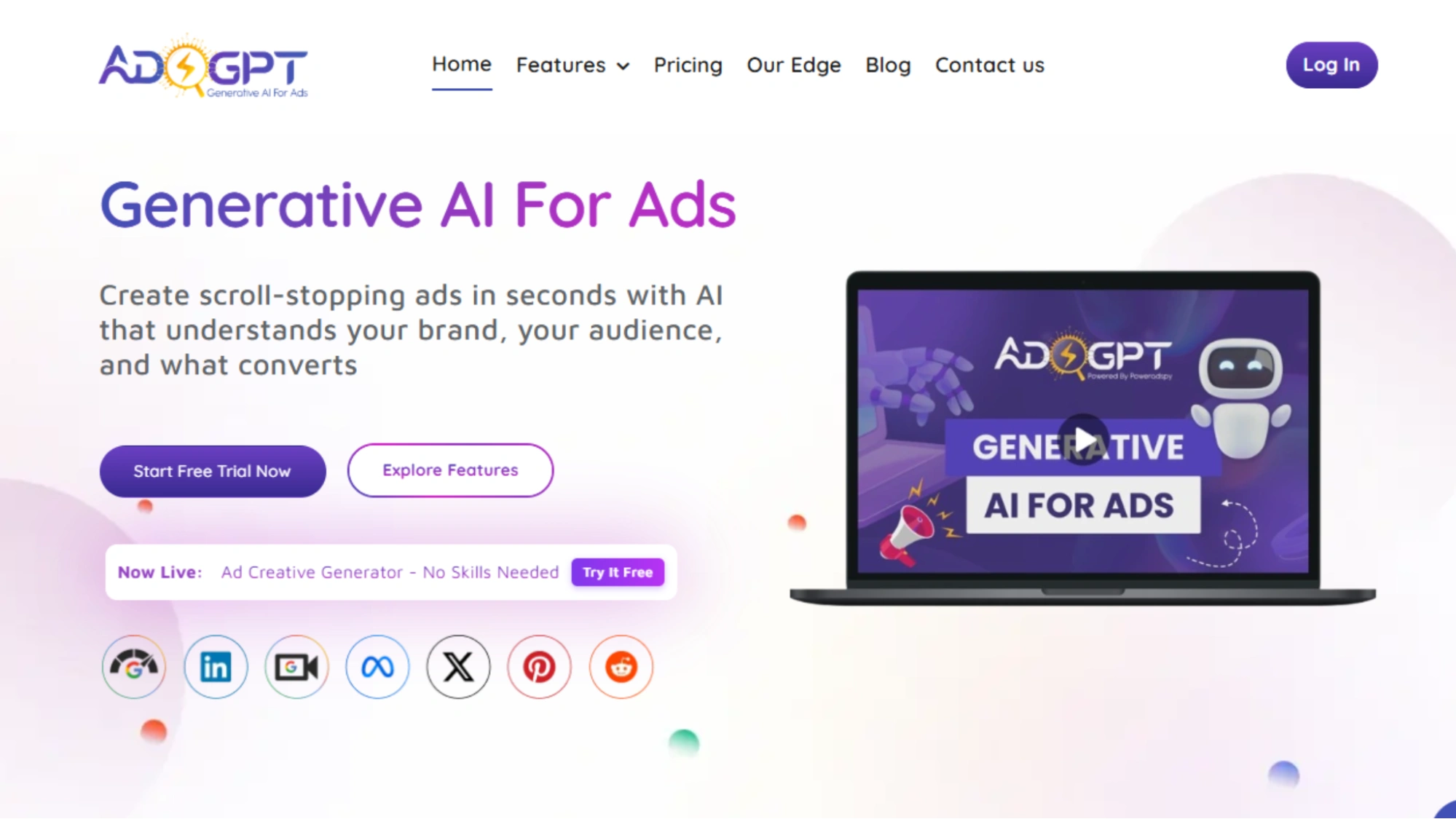
Avoiding content marketing mistakes while managing your entire strategy can feel overwhelming. You’re juggling planning, creating, optimizing, distributing, and measuring all at once, with your to-do list constantly growing. This is where AdsGPT can help.
AdsGPT is an AI content generator designed to align with your marketing strategy, not just grammar or word count. It generates content ideas tailored to your brand’s voice and business goals, ensuring consistency across your content.
What sets AdsGPT apart is its ability to produce high-quality, relevant content by analyzing your audience data. Rather than producing generic text, it crafts targeted content that truly resonates with your audience. Whether you need to repurpose a blog post into multiple formats or create fresh content for a campaign, AdsGPT handles it efficiently while maintaining your quality standards.
The platform incorporates SEO best practices automatically, ensuring your content is optimized without overdoing it. It also includes analytics features that track what’s working, allowing you to make informed, data-driven decisions.
For teams struggling with content volume, quality, or consistency, AdsGPT provides valuable support. Think of it as your skilled content assistant, always maintaining your brand voice, scaling your efforts, and amplifying your creativity. It’s not about replacing your creativity; it’s about enhancing your strengths.
Conclusion:
These content marketing mistakes are incredibly common, but they’re also completely fixable. You don’t need to be perfect; you just need to be aware and willing to adjust. The difference between struggling and succeeding often comes down to recognizing these pitfalls before they derail your strategy.
Focus on genuinely understanding your audience, creating content that actually helps them, optimizing smartly for search without sacrificing readability, and constantly measuring what works. Balance creativity with data, consistency with quality, and creation with distribution.
The marketers who succeed aren’t necessarily the most creative or the most technically skilled. They’re the ones who learn from content marketing mistakes, adapt quickly, and stay committed to providing real value. Start addressing these pitfalls today, and you’ll build a content strategy that drives sustainable growth and establishes your brand as a trusted resource in your industry.
FAQ’s:
Q1: What are the biggest content marketing mistakes to avoid?
Ans: The most damaging mistakes include ignoring audience research, sacrificing quality for quantity, neglecting SEO fundamentals, failing to measure results, and creating content without a clear distribution plan. These issues undermine even the best content ideas.
Q2: How can I improve my content marketing strategy quickly?
Ans: Start with audience research, establish a realistic publishing schedule you can maintain, optimize your content for both search engines and readers, track your performance metrics consistently, and promote your content actively across multiple channels.
Q3: Should I use AI tools for content marketing?
Ans: Tools like an AI content generator can dramatically improve your efficiency and help you maintain consistency, but they work best when combined with human strategy and creativity. Use them to amplify your efforts, not replace your unique voice and insights.
Q4: How can I effectively repurpose my existing content for better engagement?
Ans: Repurposing content is a smart way to maximize the value of your efforts. Take your top-performing content and transform it into multiple formats, such as videos, social media posts, podcasts, or infographics, tailoring it to different audiences across various platforms.


MOST POPULAR