
Effective advertising requires more than just creative visuals or catchy slogans. Success comes from well-structured campaigns backed by strategy. This is where media planning and buying play a critical role. Brands that master these processes maximize their reach, optimize budgets, and achieve measurable results. Modern tools, like AdsGPT, further enhance efficiency by automating ad creation, providing competitor insights, and generating platform-ready content. In this guide, we explore how to execute media planning and buying like a pro.
Hit ‘Play’ Button & Tune Into The Blog!
What Is Media Planning And Buying?
Media planning and buying refers to the process of selecting the most effective media channels to reach a target audience and executing ad placements across these channels. Media planning focuses on strategizing, identifying audiences, selecting channels, and scheduling campaigns, while media buying handles negotiation, purchasing ad space, and monitoring ad performance.
By combining strategy and execution, businesses ensure campaigns reach the right people at the right time. Incorporating digital media planning and buying adds an extra layer of precision, enabling marketers to measure results and adjust campaigns instantly. Brands that fail to plan and buy effectively risk wasting budgets and missing their audience.
Media Buying vs. Media Planning
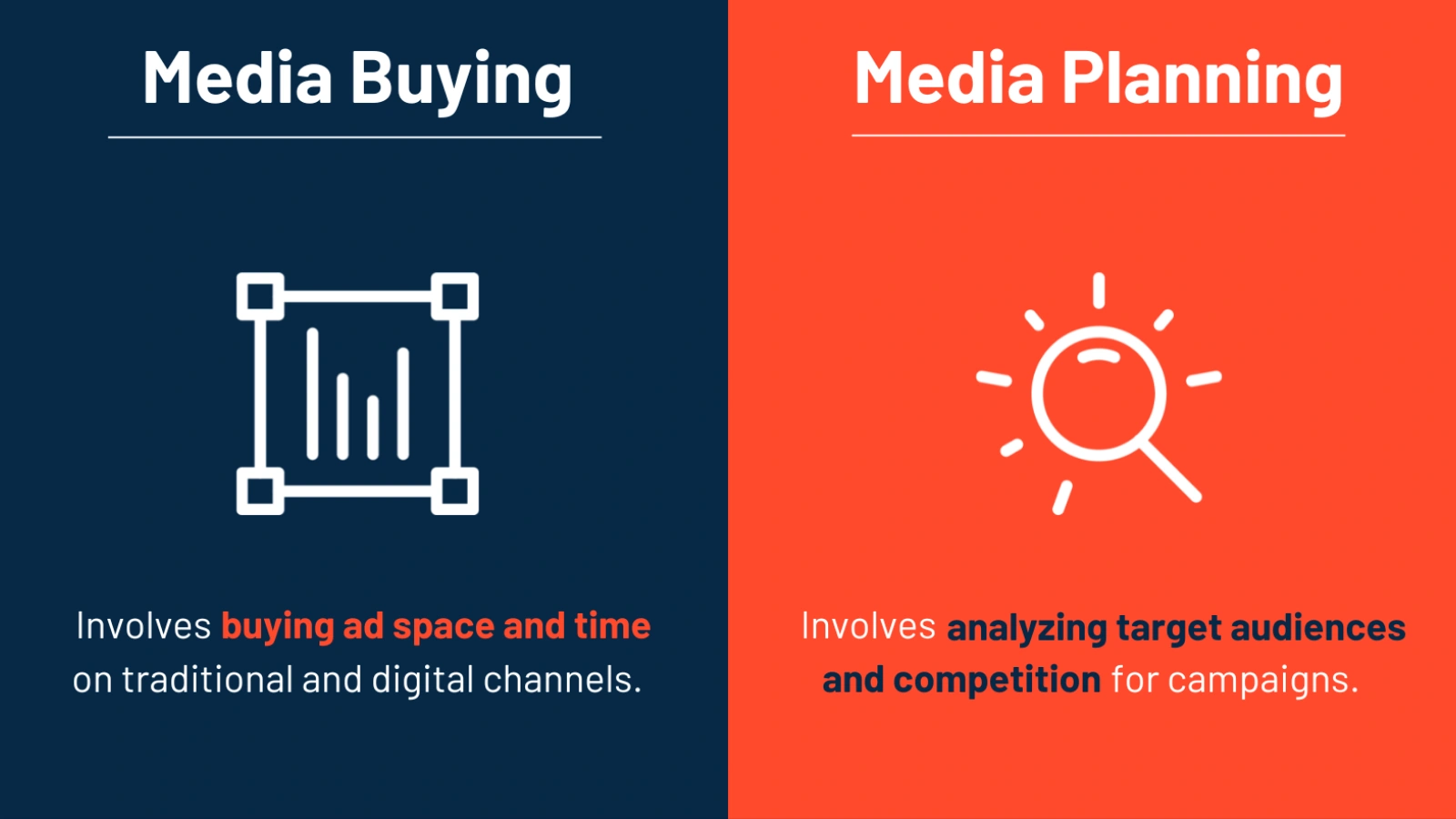
While often mentioned together, media planning and media buying serve different purposes.
- Media Planning deals with the “what, where, and when.” It identifies which audience segments to target, which channels align with campaign objectives, and how often ads should appear.
- Media Buying focuses on execution. It negotiates costs, ensures ads appear in optimal placements, and monitors performance.
Understanding the difference allows marketing teams to allocate resources efficiently. Combining insights from planning with smart execution in buying drives better engagement and ROI.
The Objectives Of A Media Planning And Buying Strategy
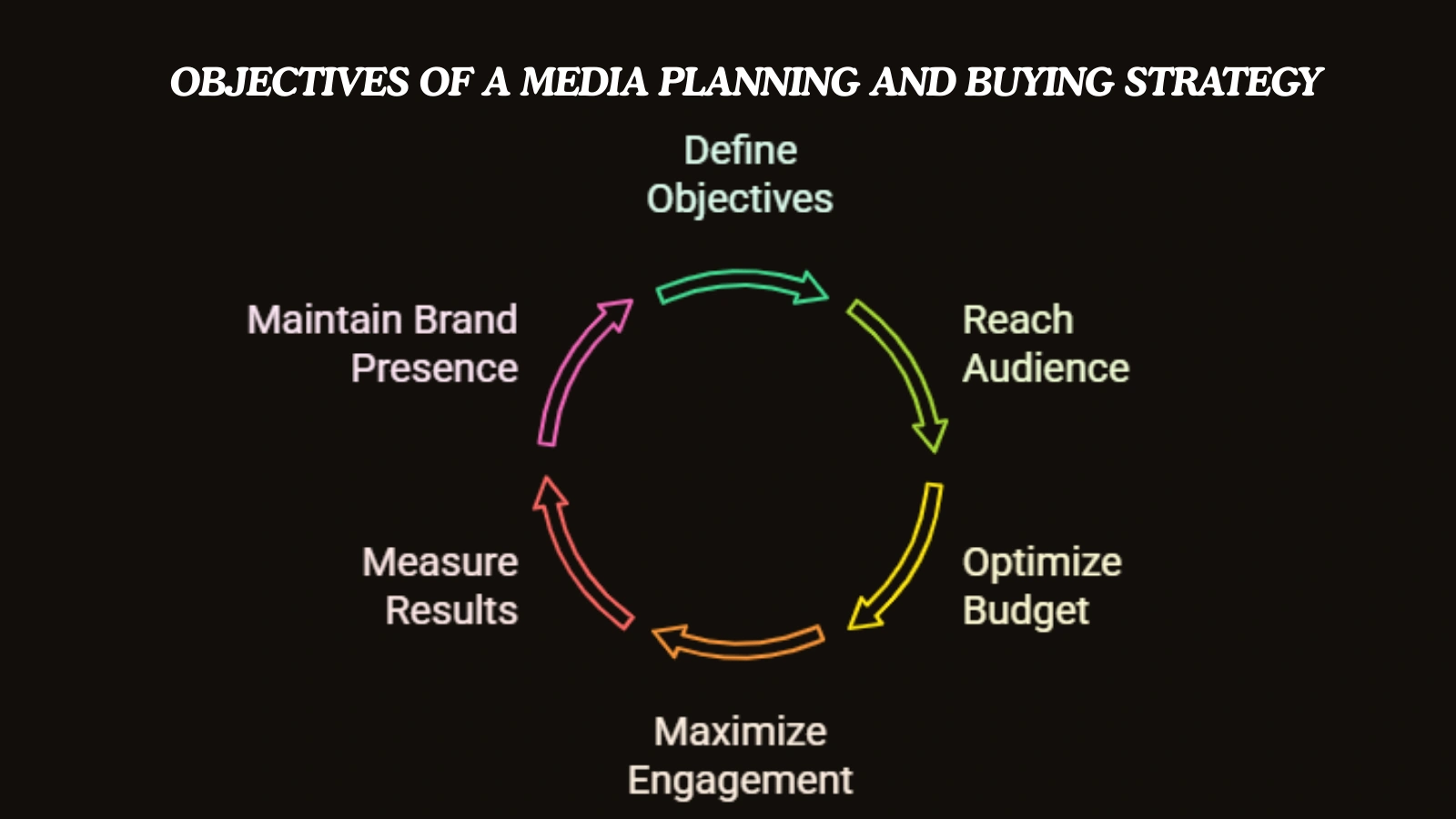
Every media planning and buying strategy needs well-defined objectives to guide decision-making. Clear goals ensure campaigns reach the right audience, maximize ROI, and maintain consistent brand presence.
Reaching the Right Audience
The primary goal of any strategy is to connect with the audience most likely to convert. Targeting the right demographic increases engagement, reduces wasted spend, and drives measurable business results.
Optimizing Budget Allocation
Effective strategies focus resources on channels delivering the highest return. Careful allocation ensures marketing budgets achieve maximum impact while avoiding overspending on low-performing platforms.
Maximizing Engagement
Placing ads in high-quality, relevant locations encourages interaction with the brand. Strong engagement increases visibility, builds trust, and strengthens overall campaign performance.
Measuring and Refining Results
Tracking performance allows teams to identify what works and what needs adjustment. Continuous monitoring and optimization improve efficiency, leading to better conversions and campaign success.
Maintaining Consistent Brand Presence
Consistent visibility across multiple channels reinforces brand identity and awareness. Strategic planning ensures that every ad reflects the brand’s message, tone, and visual style.
A clear, goal-driven strategy empowers teams to execute campaigns confidently, make informed decisions, and achieve better outcomes with every media planning and buying effort.
Also Read:
7 Proven Brilliant Ads Created By A Social Media AI Generator
How Do The Media Planning And Buying Processes Work?
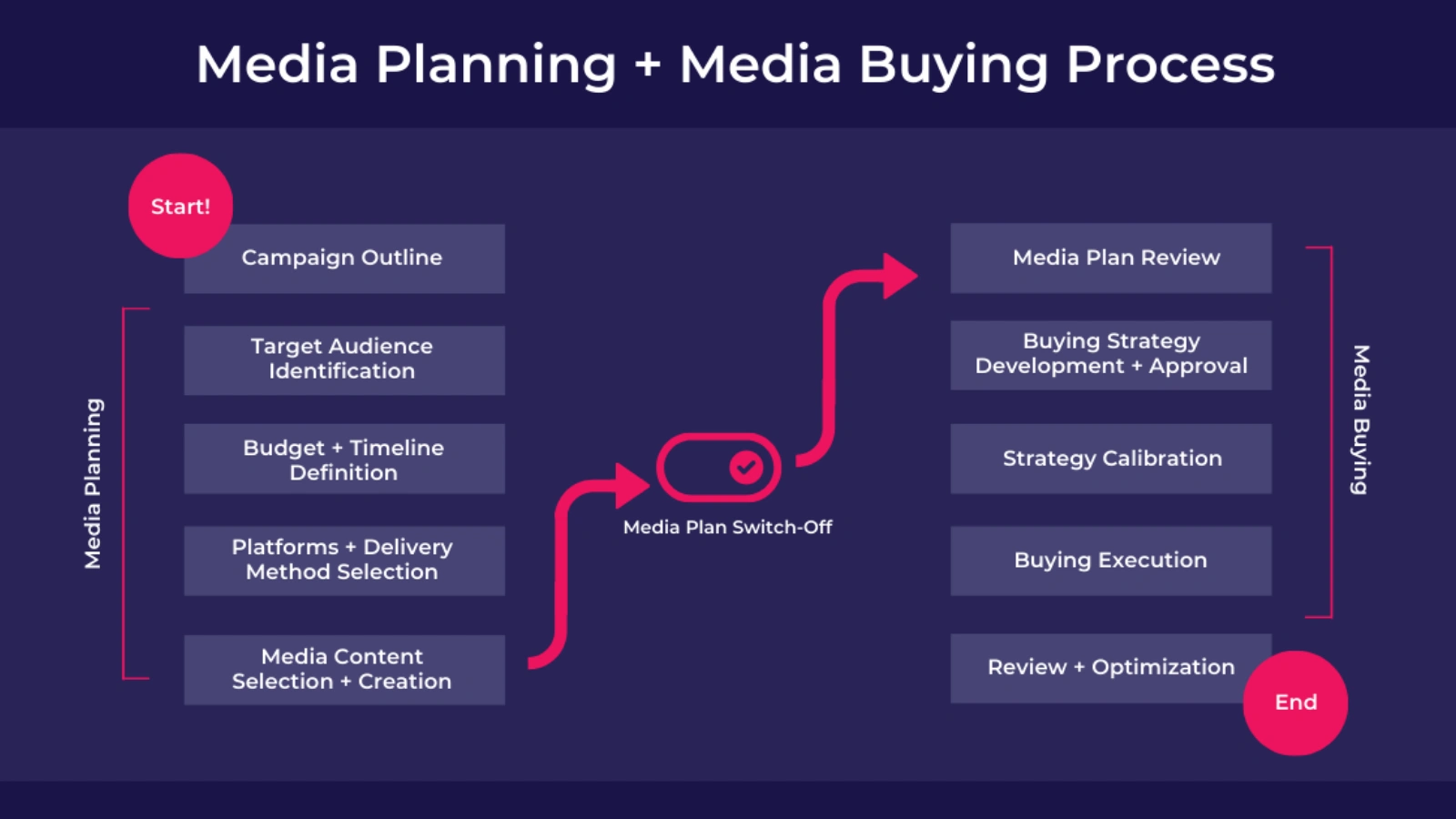
Executing a successful media planning and buying campaign requires a structured approach. Following clear steps ensures campaigns reach the right audience, optimize budgets, and deliver measurable results.
Media Planning Process
- Audience Research and Segmentation
Identify demographics, interests, and online behavior to understand your target audience. Accurate segmentation ensures campaigns connect with the right people and achieve higher engagement and conversions. - Channel Selection
Select platforms that best align with your audience, such as Google, Meta, LinkedIn, or YouTube. Choosing the right channels increases visibility and maximizes campaign effectiveness. - Budget Allocation
Distribute the marketing budget based on channel performance, expected ROI, and audience reach. Smart allocation prevents overspending and ensures every dollar contributes to campaign success. - Scheduling and Frequency Planning
Determine the optimal timing and frequency for ad placements. Proper scheduling improves engagement, avoids audience fatigue, and increases the likelihood of conversions.
Media Buying Process
- Negotiating Rates
Secure the best possible value for ad placements. Negotiating effectively reduces costs while ensuring high-quality visibility across selected channels. - Selecting Ad Formats and Placements
Place ads where the target audience interacts most. Choosing the right formats and placements maximizes reach and encourages stronger engagement. - Monitoring Performance
Track key metrics such as impressions, clicks, and conversions. Performance monitoring provides actionable insights to optimize campaigns and achieve measurable results. - Adjusting Campaigns in Real-Time
Make changes to placements, ad formats, or budgets based on real-time data. Timely adjustments improve efficiency, enhance ROI, and ensure campaigns stay on track.
When media planning and buying work together, they create a seamless workflow that maximizes campaign effectiveness. Integrating digital media planning and buying ensures ads reach audiences across multiple channels simultaneously, improving results and efficiency.
The Challenges Of Media Buying And Planning For Marketing Teams And Agencies
Marketing teams face several obstacles when handling media planning and buying:
- Budget Constraints – Limited resources require precise allocation for maximum impact.
- Choosing the Right Channels – Not all platforms deliver the same results, and finding the best fit can be challenging.
- Measuring ROI and Engagement – Tracking which ads perform best often requires advanced tools and analytics.
- Staying Ahead of Competitors – Competitor campaigns can influence audience behavior, requiring constant monitoring.
Overcoming these challenges demands both strategic foresight and reliable tools that streamline processes while providing actionable insights.
How Adsgpt Supports Smarter Ad Campaigns?
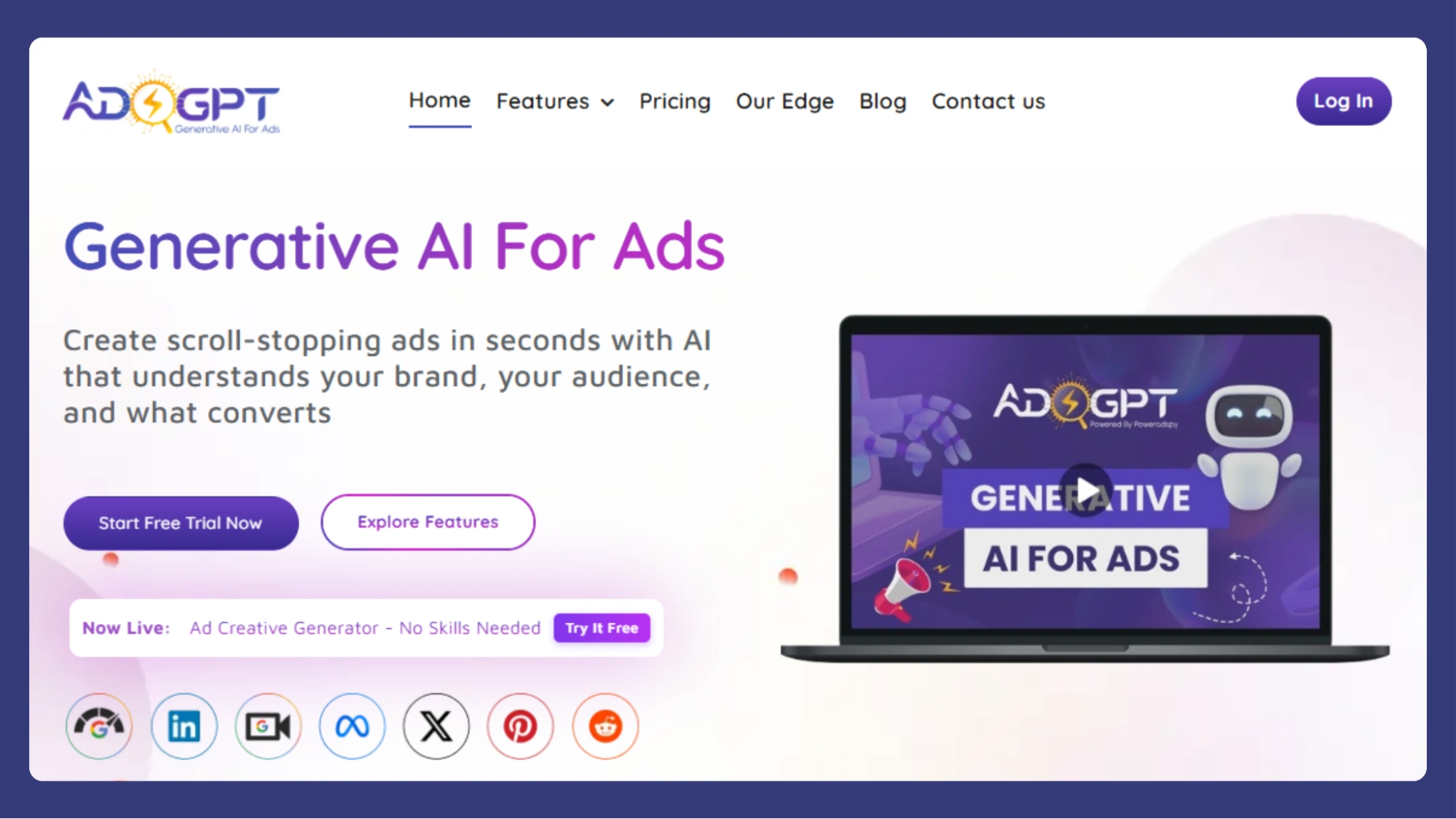
AdsGPT enhances media planning and buying by automating creative generation, optimizing ad copy, and providing insights for better decision-making. Its features include:
- Ad Creatives Made Effortless
Generate eye-catching visuals instantly for multiple platforms, requiring no design skills, saving time while producing professional-quality ad creatives efficiently. - Platform-Specific Customization
Create ad visuals fully optimized for Meta, Google, LinkedIn, Pinterest, and more, ensuring perfect size, style, and platform performance. - Start With Existing Ads
Use competitor ads as inspiration, generating AI-powered, branded content with your tone, message, and logo for unique, engaging campaigns. - Ready-to-Post Creatives
Receive platform-ready visuals, perfectly sized and styled, ready to publish across channels without extra editing or adjustments. - Generate Multiple Creatives
Produce up to five ad variations simultaneously for rapid testing, allowing faster experimentation and optimized campaign performance.
AdsGPT also generates high-performing ad copy, tracks past creations, and provides insights to help marketers refine strategies. This reduces manual work, accelerates campaign launch, and improves overall performance.
The Advantages Of Working With A Media Execution Partner
Partnering with a media execution specialist brings strategic expertise and operational efficiency, ensuring campaigns perform effectively while saving time and resources. Here are the key benefits:
- Expert Guidance
Gain access to professionals who understand which platforms, placements, and formats deliver the best results. Their expertise ensures campaigns reach the right audience efficiently and achieve marketing goals. - Efficient Execution
Save time on ad creation, optimization, and monitoring. Media execution partners streamline workflows, handle complex processes, and allow marketing teams to focus on strategy rather than manual execution. - Cost Savings
Reduce reliance on in-house resources and avoid expensive trial-and-error campaigns. Partners deliver professional-quality campaigns while optimizing budgets for maximum return on investment. - Data-Driven Insights
Leverage analytics to evaluate performance, refine strategies, and make informed decisions. Insights from data help campaigns adapt quickly and achieve higher engagement and conversions. - Competitive Advantage
Stay ahead of competitors with strategic planning and timely execution. Media execution partners combine expertise with actionable insights to outperform competitors and capture market share effectively.
By combining professional guidance with modern tools like AdsGPT, teams can accelerate campaign launches, enhance creative output, and maximize the impact of every advertising dollar.
Conclusion
Media planning and buying form the foundation of successful advertising. Executing campaigns effectively requires a balance between strategy and action. Brands that integrate media planning, media buying, and digital media planning and buying achieve greater reach, optimized budgets, and measurable engagement.
AI tools like AdsGPT simplify creative generation, improve ad copy, and provide data-driven insights that enhance campaign performance. By combining human strategy with AI efficiency, marketers can execute campaigns like a pro, save resources, and achieve higher ROI.

FAQs
Q1: What is the difference between media planning and media buying?
Ans: Media planning focuses on strategy, audience targeting, and scheduling. Media buying executes the plan by purchasing ad space, managing placements, and monitoring performance.
Q2: Why is digital media planning and buying important?
Ans: Digital media allows real-time tracking, platform-specific customization, and precise targeting, making campaigns more efficient and measurable.
Q3: How does AdsGPT help in media planning and buying?
Ans: AdsGPT generates ad creatives, creates optimized ad copy, provides competitor insights, and tracks ad performance for better campaign decisions.
Q4: Can small businesses benefit from media planning and buying?
Ans: Yes. Even small businesses can maximize ROI by strategically planning campaigns and buying media in the right channels, supported by tools like AdsGPT.
Q5: What are the main challenges in media planning and buying?
Ans: Common challenges include budget limitations, choosing the right channels, measuring ROI, and staying competitive in crowded markets.

MOST POPULAR