

When was the last time an advertisement made you genuinely feel something? Maybe it triggered nostalgia, brought a smile to your face, or quietly pulled at your heartstrings. That emotional pull isn’t accidental, it’s the result of pathos advertisement. In a market flooded with promotions, logic alone rarely wins attention.
Emotions do. Brands that understand how to tap into feelings like joy, fear, empathy, or hope cut through the noise and stay memorable long after the ad ends, especially when they Use An Advertisement Generator For High-Impact Campaigns that systematizes emotional storytelling at scale.
Pathos-driven advertising goes beyond pushing features or prices; it tells stories people relate to on a human level. When done right, it transforms passive viewers into emotionally invested audiences, building trust, loyalty, and long-term brand affinity. For marketers, mastering pathos isn’t optional anymore, it’s a competitive advantage.
Listen To The Podcast Now!
What Is Pathos Advertisement?

Pathos advertisement is a persuasive marketing technique that appeals directly to the emotions of your audience. The term comes from Aristotle’s three modes of persuasion, where pathos focuses on creating an emotional response to influence decision-making.
Unlike logical appeals that rely on facts and statistics, this approach taps into human feelings like joy, sadness, fear, anger, or nostalgia. The goal is simple: make your audience feel something powerful enough that they remember your brand and take action.
Think about it, people don’t just buy products because they need them. They buy because of how those products make them feel. A luxury car isn’t just transportation; it’s status and confidence. That’s the essence of emotional marketing.
Why Pathos Advertisement Works: The Psychology Behind Emotional Appeals:
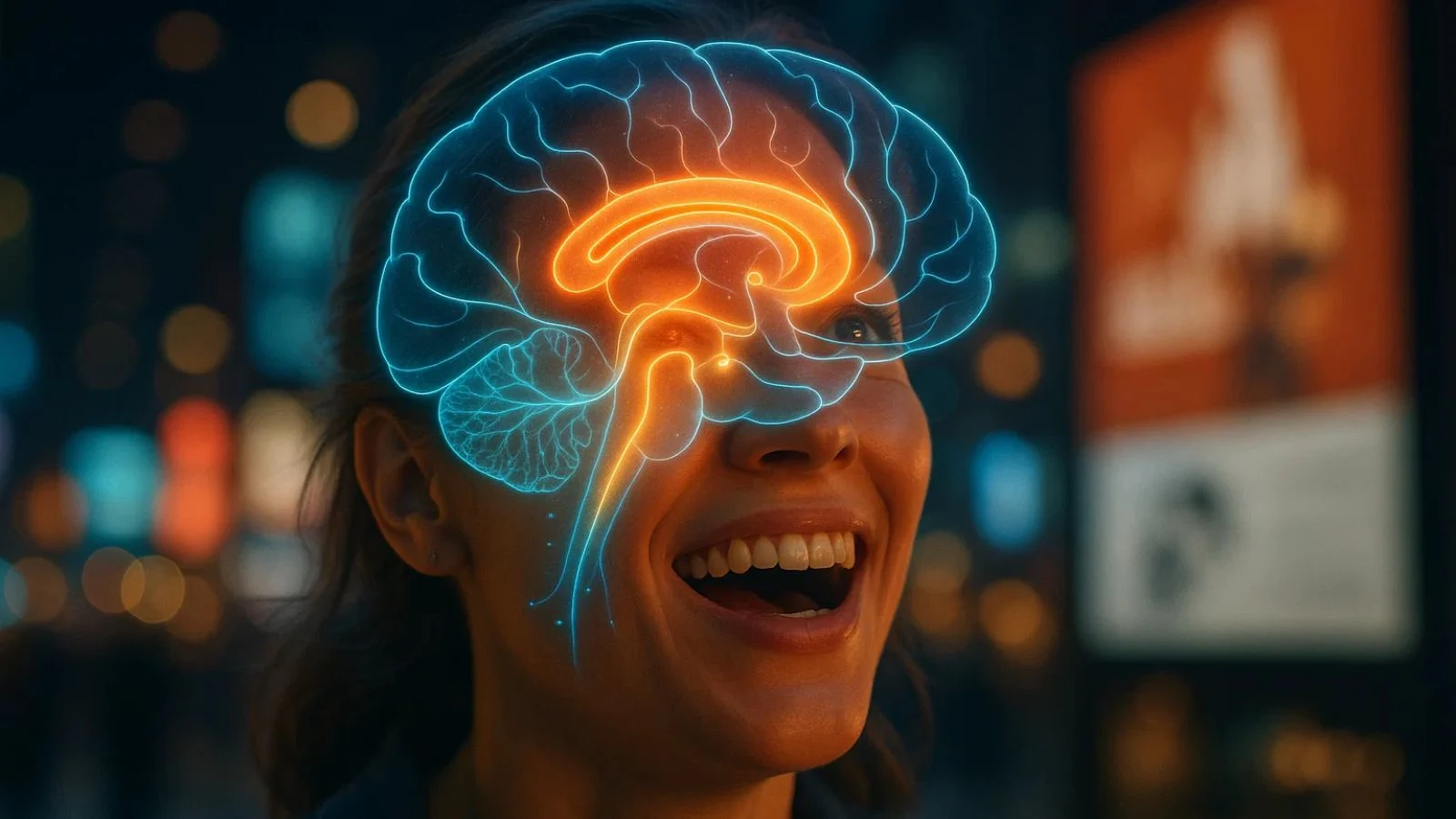
Our brains are wired to respond to emotions faster than logic. Neuroscience research shows that emotional reactions happen in milliseconds, while rational thinking takes considerably longer. This is why pathos advertisement can be incredibly effective at capturing attention and driving behaviour.
When an advertisement triggers an emotional response, it activates the limbic system in our brain, the area responsible for memory, motivation, and decision-making. This creates stronger neural connections, making the brand message more memorable.
Beyond memory, emotions also influence our judgment. When people feel good about a brand, they’re more likely to trust it, recommend it to others, and remain loyal customers. Emotional marketing builds these bonds that transcend the transactional nature of business.
Types of Emotions Used in Pathos Advertisement:

Successful marketers understand that different emotions serve different purposes. Here are the most commonly leveraged feelings:
Happiness and Joy: These positive emotions create associations between your brand and good feelings. Coca-Cola’s campaigns exemplify this approach, linking their product to moments of celebration and connection.
Sadness and Empathy: While it might seem counterintuitive, sadness can be powerful. Non-profit organizations frequently use this emotion to inspire action. The key is pairing sadness with hope, showing a problem, and presenting your brand as part of the solution.
Fear and Urgency: Fear-based pathos advertisement motivates people to avoid negative outcomes. Insurance companies and security systems often use this approach. However, it must be balanced carefully to avoid overwhelming your audience.
Nostalgia: This emotion transports people back to cherished memories. Brands like Nintendo and Disney masterfully use nostalgia to connect with multiple generations simultaneously.
Inspiration and Hope: These uplifting emotions empower audiences to believe in possibilities. Sports brands have built empires on inspirational messaging that encourages people to push their limits.
Real-World Pathos Advertisement Examples:

Looking at pathos advertisement examples helps us understand what works and why.
Always “Like a Girl” Campaign: This powerful campaign challenged stereotypes by redefining what it means to do something “like a girl.” It tapped into emotions of empowerment and pride while addressing a real issue. The emotional impact went viral, generating millions of views and transforming brand perception.
Google “Parisian Love” Commercial: This simple ad told a love story entirely through search queries. Without showing a single person, it created an emotional narrative that resonated with viewers worldwide. It demonstrated pathos in advertising through storytelling rather than product features.
Dove “Real Beauty” Campaign: By featuring real women instead of models and addressing insecurities many people face, Dove created an emotional movement. This campaign showed how authentic emotional appeals can challenge industry norms while building powerful brand loyalty.
ASPCA Commercials: These non-profit ads became iconic for their emotional impact. By combining sad images with heartfelt music and a clear call to action, they created one of the most effective fundraising campaigns ever produced.
These examples of pathos in ads share common elements: authentic storytelling, relatable situations, and emotions that align with brand values.
How to Create Effective Pathos Advertisement: Step-by-Step Strategy:

Creating emotionally resonant advertising requires both art and strategy. Here’s how to develop your own campaigns:
Step 1:
Know Your Audience. Deep emotional marketing only works when you understand what your audience cares about. Conduct research to identify their values, pain points, aspirations, and fears. What keeps them up at night? What makes them smile?
Step 2:
Choose the Right Emotion: Select an emotion that aligns with both your message and your audience’s needs. A financial services company might use security and peace of mind, while a travel brand might evoke adventure and freedom.
Step 3:
Tell an Authentic Story. People connect with stories, not sales pitches. Develop narratives that feel genuine and relatable. Your story should feature real people facing real challenges that your product or service addresses.
Step 4:
Use Sensory Elements Enhance emotional impact through music, imagery, colour, and voice. These elements work together to create the mood you want. Sad piano music feels different than upbeat guitar, just as warm colours evoke different feelings than cool tones.
Step 5:
Including a Clear Call to Action. Emotion grabs attention, but you need to direct that energy somewhere. Make it clear what you want viewers to do next, whether that’s making a purchase, signing up, or sharing the message.
Also Read:
How To Use An Advertisement Generator For High-Impact Campaigns?
How AdsGPT Helps Create Powerful Emotional Advertising:

Developing emotionally compelling advertising campaigns requires more than intuition, it demands structure, data, and consistency. AdsGPT is an AI-powered advertising assistant designed specifically to help marketers create high-performing, emotionally driven ad copy without guesswork.
Built for performance-focused teams, AdsGPT combines emotional psychology, audience analysis, and brand-aligned language generation to support effective pathos advertisement strategies. Its core strength lies in translating emotional intent into persuasive messaging at scale, while staying grounded in real campaign data. Instead of relying on generic inspiration, marketers use AdsGPT to systematically explore emotions like joy, empathy, nostalgia, and motivation based on audience context.
This makes it a practical tool for brands that want emotional depth without sacrificing clarity, relevance, or control.
AdsGPT uses advanced AI to analyze high-performing emotional campaigns across industries and platforms. Based on this analysis, it generates emotionally resonant headlines, body copy, and calls to action tailored to specific audience segments.
The platform helps marketers identify which emotional triggers perform best for different demographics, campaign goals, and brand categories. One of AdsGPT’s strongest features is emotional tone variation.
Marketers can instantly create multiple versions of ad copy using different emotional angles, such as inspiration, trust, urgency, or warmth, while maintaining a consistent brand voice. This allows for faster A/B testing and smarter creative decisions.
AdsGPT also prioritizes authenticity. Its recommendations are designed to avoid manipulative or exaggerated emotional tactics that can damage brand credibility. By streamlining ideation and copy generation, AdsGPT enables marketers to focus on strategy and optimization, making it easier to scale pathos advertisement that genuinely connects with audiences.
Common Mistakes to Avoid in Pathos Advertisement:

Even experienced marketers can stumble when crafting emotional campaigns. Here are pitfalls to watch for:
Being Manipulative: There’s a fine line between emotional appeal and manipulation. If your campaign feels dishonest or exploitative, audiences will reject it. Authenticity must be your foundation.
Choosing the Wrong Emotion: Not every emotion fits every brand or message. A funeral home using humour would feel inappropriate, just as excessive fear tactics might backfire for a wellness brand.
Forgetting the Product: Your emotional story should connect to what you’re offering. If viewers feel moved but don’t understand what you sell or why it matters, the campaign has failed its purpose.
Overloading the Message: Too many emotions competing for attention creates confusion. Focus on one primary emotional thread that runs consistently through your campaign.
Ignoring Cultural Sensitivity: Emotions aren’t universal across cultures. What feels inspirational in one market might seem arrogant in another. Research cultural contexts before launching global campaigns.
Best Practices for Using Pathos Advertisement Ethically:

With great emotional power comes great responsibility. Ethical pathos advertisement follows these principles:
Be truthful in your emotional storytelling. Never fabricate stories or misrepresent situations to trigger emotions. Authenticity builds trust; deception destroys it.
Respect your audience’s intelligence. People can sense when they’re being manipulated. Your emotional appeals should feel genuine and aligned with the real value you provide.
Consider the broader impact of your emotional messaging. Fear-based campaigns, while effective, can contribute to anxiety if overused. Balance emotional intensity with positive messaging.
Avoid exploiting vulnerable populations. Using children or tragic circumstances purely for emotional manipulation crosses ethical lines.
When you study various pathos examples in ads from successful brands, you’ll notice they all maintain ethical standards while still achieving powerful emotional impact. This balance is crucial for long-term brand reputation.
Conclusion:
Pathos advertisement remains one of marketing’s most powerful tools because it speaks to what makes us human, our emotions. By understanding how to authentically connect with audiences on an emotional level, marketers can create campaigns that don’t just sell products but build meaningful relationships with customers.
The key to successful emotional advertising lies in knowing your audience, choosing appropriate emotions, telling authentic stories, and maintaining ethical standards throughout. When done right, pathos advertisement transforms casual viewers into loyal brand advocates who champion your brand.
FAQ’s:
Q1: What makes pathos advertisement different from other marketing approaches?
Ans: Pathos advertisement focuses specifically on emotional appeals rather than logical arguments or credibility-based messaging. It aims to make audiences feel something that motivates action.
Q2: Can pathos advertisement work for B2B companies?
Ans: Absolutely. Business buyers are still people with emotions. B2B emotional campaigns often focus on feelings like confidence, security, ambition, or relief from stress.
Q3: How long does it take to see results from emotional campaigns?
Ans: Emotional impact can be immediate in terms of engagement, but building lasting brand associations typically requires consistent messaging over several months.
Q4: Is pathos advertisement more expensive to produce?
Ans: Not necessarily. While some emotional campaigns involve elaborate production, many effective examples use simple storytelling that focuses on authentic human moments rather than expensive production values.


MOST POPULAR