
Businesses compete harder than ever to capture attention, and the brands that win are the ones that show up where customers naturally spend their time. This is why out of home advertising has become one of the most reliable, creative, and high-impact marketing channels available today. It places your message directly in the physical world, where people commute, shop, socialize, and explore.
In this detailed guide, you will understand how out of home advertising works, why it still matters in the digital age, and how brands can use it to maximize visibility and revenue. You’ll also learn about formats, strategies, trends, and expert-level insights that help you build a high-performing campaign from scratch.
In a hurry? Listen to the blog instead!
What Makes Out Of Home Advertising So Powerful?
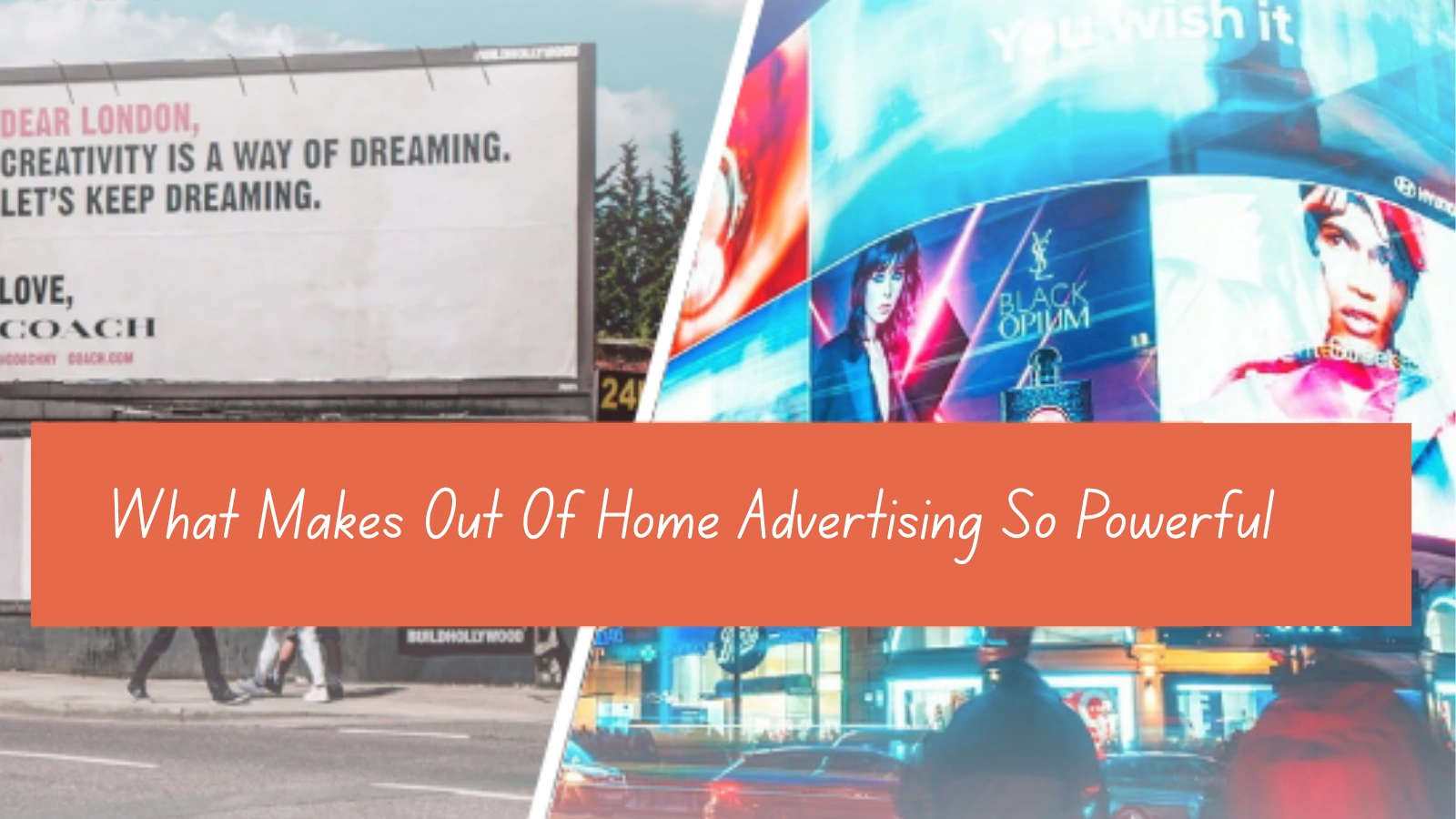
Every day, individuals move through countless public spaces, highways, malls, airports, shopping streets, transit systems, and more. These environments give brands the perfect opportunity to make a memorable impression.
Out of home advertising delivers high exposure without needing permission, clicks, or scrolling. It reaches people when they are active rather than distracted. This real-world presence gives marketers an unmatched advantage, especially when combined with digital tools.
People trust what they see in the physical world. A large billboard or eye-catching transit poster often feels more credible than an online banner ad that disappears instantly. This creates stronger brand recall, higher emotional impact, and wider demographic reach.
Another major advantage is message longevity. A digital ad might last only seconds, but an outdoor installation stays visible 24/7 for weeks or months. This makes it a cost-efficient way to build consistent brand reinforcement.
What Types Of Out Of Home Advertising Can You Use?
Out-of-home media includes more than just billboards. Marketers can choose from dozens of formats depending on their goals, budget, and audience location. Using contextual ads alongside traditional outdoor formats can enhance targeting and ensure the message reaches the right audience.
1. Billboards:
Billboards deliver massive impressions in high-traffic areas. Their size, clarity, and visibility make them a cornerstone of outdoor marketing. Whether placed on highways or in city centers, they help build authority and trust.
2. Transit Advertising:
This includes ads on buses, trains, metros, taxis, airports, and transit shelters. Brands use them to reach commuters who spend long moments on the road. Transit formats strengthen daily visibility because people encounter them repeatedly.
3. Street Furniture:
Benches, bus stops, kiosks, lamp posts, and public service structures allow strategic neighbourhood-level marketing. These placements are ideal for brands targeting local audiences.
4. Retail and Mall Media:
Retail environments offer a perfect blend of foot traffic and buyer intent. Shoppers are already in a mood to purchase, making them responsive to promotional messages.
5. Experiential Installations:
Interactive setups, pop-up booths, and brand activations create memorable experiences. These formats allow audiences to engage directly, touch, explore, or participate in the brand experience.
6. Digital Screens:
The future of the industry lies in digital screens, which introduce motion, data integration, and instant updates. This format allows dynamic storytelling and real-time relevance.
Each format contributes to a multi-layered marketing ecosystem. Brands often combine them to build stronger reach and engagement.
Also Read:
How Out Of Home Advertising Influences Consumer Behavior?
The impact of outdoor advertising goes beyond visibility. It shapes perception, reinforces brand identity, and influences buying decisions in subtle yet powerful ways.
- High Recall Rate: People naturally remember large, bold ads placed in busy environments. This makes OOH one of the top channels for brand awareness.
- Emotional Engagement: Visuals on a large scale trigger stronger emotional responses compared to small digital screens.
- Trust Building: Consumers perceive brands using public media as more reputable and established. This helps build long-term trust.
- Drive to Action: OOH ads often prompt immediate responses—such as visiting a store, checking a website, or exploring a new product. Many customers make decisions after seeing ads during their daily commute.
This behavioral influence is why out of home advertising remains critically important in modern marketing, even as digital platforms grow.
How You Can Integrate Ooh With Digital Campaigns For Maximum ROI?
Today’s best campaigns connect offline impact with online engagement. When ooh advertising integrates with digital channels, it unlocks measurable, multi-platform visibility.
Here’s how brands successfully blend the two:
QR Codes and Tracking Links:
These bridge the physical and digital worlds by driving immediate online actions.
Geo-Targeted Ads:
Brands run mobile ads in the same locations where their OOH placements appear. This reinforces memory and boosts conversion.
Social Media Extensions:
Users often capture and share creative OOH placements, turning them viral. This expands reach beyond physical limitations.
Retargeting Campaigns:
People exposed to outdoor displays can later receive personalized online ads. This sequential messaging boosts performance.
Enhancing Campaign Messaging With AI Tools:
As brands synchronize their offline and online messaging, many marketers now rely on AI-driven platforms to speed up content creation. This is where AdsGPT becomes especially valuable.
With instant copy generation and platform-specific optimization, AdsGPT helps brands produce digital ad content that aligns with their creative visuals and campaign goals. It ensures your online messaging stays sharp, consistent, and ready to support the impact of your outdoor efforts.
How To Plan A Successful Out Of Home Advertising Campaign?\
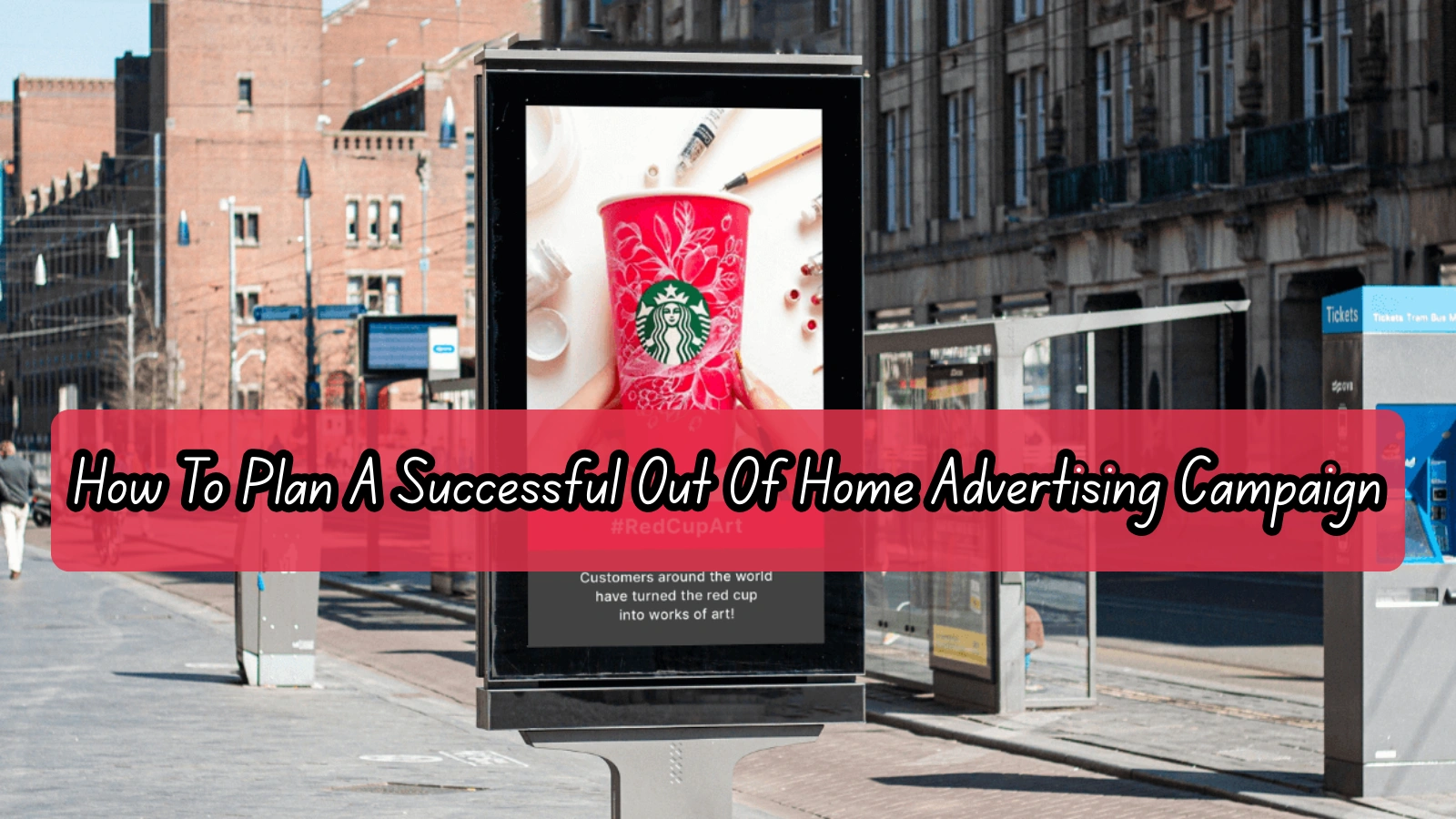
Building an effective OOH campaign requires structure, creativity, and strategic planning. Here’s a streamlined framework marketers follow:
1. Define Objectives:
Brands must determine what they want, awareness, sales, store visits, event promotion, or product launches.
2. Understand Audience Behavior:
This includes demographics, travel routes, lifestyle habits, and daily patterns. Locations must match where audiences spend the most time.
3. Select the Right Formats:
Highways suit large billboards, while busy business districts benefit from transit shelters and digital screens.
4. Craft a Bold Message:
OOH requires simplicity and impact. Short copy, big visuals, and high contrast deliver the best results.
5. Choose Strategic Locations:
Visibility, traffic density, and demographic relevance play key roles. The right placement amplifies every message.
6. Measure Performance:
Brands track impressions, engagement, conversions, footfall, and brand recall to optimize results.
A well-structured plan ensures that out of home advertising delivers the highest return possible.
Also Read:
Case Study Insight: Why Big Brands Prefer OOH
Major companies rely on OOH for consistent visibility and credibility. Media providers like outfront media help brands deploy impactful campaigns across cities, highways, stadiums, and transit networks.
These large-scale placements allow brands to maintain dominance in their markets. Whether promoting new products or building long-term identity, OOH remains a priority investment for major advertisers.
This demonstrates how out of home advertising is not just relevant, it’s essential for brand leadership.
What Future Trends Are Shaping Out Of Home Advertising?
As technology evolves, the OOH industry moves toward smarter, more interactive, and more personalized experiences. Key trends include:
- Data-Driven Targeting: Brands use location-based insights to select placements with precision.
- Programmatic Buying: Automated systems allow real-time ad scheduling and optimization.
- Immersive Experiences: Augmented reality, interactive screens, and sensory elements create deeper engagement.
- Hyperlocal Marketing: Localized messages increase relevance and conversion.
These trends prove that out of home advertising is becoming more sophisticated, measurable, and scalable.
The Difference Between Ooh And Outdoor Advertising
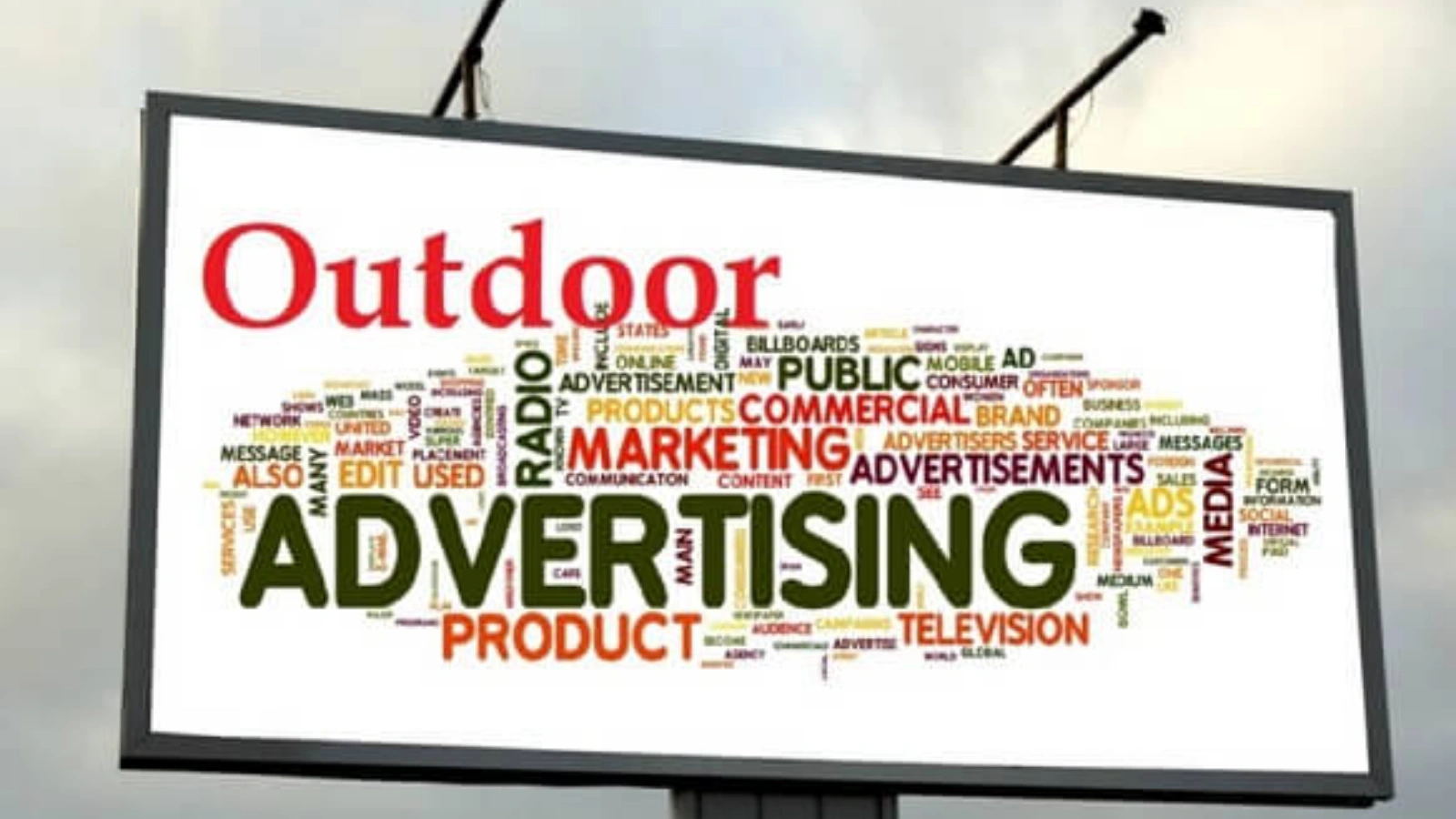
Understanding the difference between these two terms helps marketers plan smarter campaigns. While they operate in the same ecosystem, they are not identical.
Outdoor Advertising Covers Only External Physical Spaces:
This includes billboards, rooftops, hoardings, building wraps, and highway installations. These formats focus strictly on large-scale exposure in open, outdoor environments.
Out of Home Advertising Includes All Public-Facing Media:
Beyond outdoor spaces, it also includes transit ads, mall media, digital screens, street furniture, and other placements people encounter outside their homes. This broader category gives brands more creative and strategic flexibility.
Together, these distinctions help marketers choose the right format based on their audience’s movement, location patterns, and campaign objectives, ensuring their message reaches the right people at the right time.
How AdsGPT Helps Marketers Strengthen Their Campaign Strategy?
Alongside outdoor displays, marketers need compelling digital messaging to create unified, multi-channel campaigns. AdsGPT supports this process with a suite of powerful features designed to simplify and accelerate ad creation.
Instant Ad Copy Generation:
AdsGPT produces ready-to-use ad copy for platforms like Google, Meta, LinkedIn, and Twitter in seconds, no writing expertise required.
AI-Powered Creative Support:
Instead of spending hours brainstorming, users get engaging, high-performing ad variations crafted through advanced AI principles and best practices.
Platform-Specific Optimization:
Every digital platform has unique guidelines. AdsGPT automatically tailors copy to meet these requirements, ensuring your messaging always fits perfectly.
Inspiration From Competitor Ads:
By analyzing competitor ads, you can select a style you like and let AdsGPT generate a fresh, similar version tailored to your campaign objectives.
Built-In History Tracking:
Your past generated copies remain saved, helping you refine messaging, compare variations, or rebuild campaigns with ease.
This makes AdsGPT a powerful companion for marketers who want stronger, faster, and more cohesive campaigns across every channel.

Final Thoughts
In an age dominated by screens, out of home advertising remains surprisingly resilient. Its real-world presence, credibility, and constant exposure make it one of the strongest marketing channels. Whether brands want awareness, footfall, or sales, OOH adds undeniable power to the media mix.
Brands that combine strategic placements, compelling creative work, and well-structured digital messaging continue to dominate their markets. And with smart tools like AdsGPT, marketers can amplify campaigns even further by producing high-quality digital content that supports and strengthens their outdoor visibility.
If you want to streamline your advertising workflow and create powerful cross-channel campaigns, AdsGPT makes the entire process faster, easier, and far more effective.
FAQs
1. What is the ideal budget for an out of home advertising campaign?
The ideal budget depends on factors like location, city size, format type, duration, and the number of placements. High-traffic billboards or transit media in metro areas cost more, while local neighborhood placements are more budget-friendly. Most brands start with a mix of formats and scale based on performance.
2. How long should an OOH campaign run for best results?
Most marketers recommend running an OOH campaign for at least 4–8 weeks to build strong visibility and brand recall. Short-term campaigns can work for product launches or events, but longer durations deliver more consistent impact.
3. Can small businesses benefit from out of home advertising?
Yes, small businesses can greatly benefit from OOH. Local billboards, transit shelters, mall screens, and street furniture allow them to reach neighborhood audiences affordably. With the right placement strategy, even a small budget can create strong awareness and customer footfall.
MOST POPULAR