Strong growth depends on content that connects, informs, and persuades. Brands now face pressure to publish more while still protecting quality and clarity. Manual effort alone no longer supports this pace. Many teams now explore smarter systems that support output without fatigue. This shift explains the rapid interest in AI for content creation.
Rather than replace human ideas, AI tools now support strategy, structure, and speed. Teams that adapt early gain reach, trust, and authority more quickly than their competitors.
In a hurry? Listen to the blog instead!
Why Content-Driven Growth Matters More Than Ever?
Content builds visibility, trust, and authority. Blogs educate. Ads attract demand. Social posts build recall. Each piece shapes buyer action. Growth slows when content lacks consistency or clarity. AI for content creation helps brands maintain momentum without burnout.
The Rise Of AI In Modern Content Strategies
Smart systems now assist with ideas, structure, tone, and performance signals. Marketers rely on AI for content creation to meet demand across channels without delay.
What this blog covers
This guide explains how AI for content creation supports growth, how teams apply it correctly, and which tools deliver value in 2025.
What AI For Content Creation Really Means?
Content creation no longer relies only on manual effort or long production cycles. Smarter systems now help teams plan, shape, and refine content with greater accuracy and speed. This shift has changed how ideas take form, how messages reach audiences, and how brands maintain consistency at scale. Understanding this foundation helps explain the real value and practical role of AI-powered content systems today.
Definition and Scope of AI-Driven Content
AI for content creation describes intelligent systems that support the entire content process from idea discovery to final refinement. These tools study language patterns, audience intent, and contextual signals to help teams create content that feels relevant, consistent, and purpose-driven across formats.
Difference Between Traditional Automation And Generative AI
Traditional automation works on fixed rules and predefined actions. Generative AI for content creation adapts to goals, tone, and context. This flexibility enables original drafts, structured concepts, and customized messaging rather than repetitive outputs.
Where AI Fits In Today’s Content Ecosystem
AI for content creation supports research, planning, drafting, editing, and content distribution. Human teams set direction, creativity, and judgment, while AI provides speed, structure, and scalability to meet growing content demands.
Why Businesses Are Investing In AI Tools For Content Creation?

As content demands grow, businesses face pressure to deliver more while maintaining quality. AI tools for content creation provide a practical solution, helping teams produce consistent, high-quality content faster. By automating routine tasks and adapting messages across channels, these tools enable brands to stay competitive, scale efficiently, and meet audience expectations without overloading their teams.
Faster Production Without Sacrificing Quality
Brands face constant pressure to deliver content quickly, but speed cannot come at the expense of quality. AI tools for content creation help teams generate drafts efficiently, allowing humans to refine and perfect the output. This balance ensures that content remains consistent, accurate, and compelling while meeting tight deadlines.
Cost Efficiency and Scalability
AI for content creation reduces reliance on large teams or expensive production cycles. Businesses can stretch budgets further by automating repetitive tasks, allowing teams to focus on strategy and creativity. This scalability makes it possible to produce more content without proportionally increasing costs or resources.
Meeting Multi-Channel Content Demands
Different platforms require different tones, formats, and styles. AI tools for content creation help adapt content for blogs, social media, emails, and ad campaigns quickly. Teams can maintain brand voice and consistency across channels, ensuring that messaging resonates with every audience while saving time and effort.
Generative AI For Content Creation Explained
Generative AI has transformed the way content comes to life. Instead of relying solely on manual effort, teams can now create text, visuals, and other media with speed and precision. Understanding how these AI systems work, and how humans guide them, helps brands maximize output while maintaining quality, consistency, and relevance across all channels.
How Generative Models Create Text and Visuals?
Generative AI for content creation analyzes language, context, and intent to produce meaningful text or visuals. These models generate outputs based on patterns, relevance, and probability, allowing teams to quickly produce structured, adaptable content without starting from scratch.
Role of Data, Prompts, and Learning Patterns
The quality of AI-generated content depends on clear instructions and quality data. Well-crafted prompts guide tone, style, and purpose, while data ensures accuracy and consistency. Teams that understand prompt strategies unlock better results and more effective AI-driven content.
Human + AI Collaboration in Content Workflows
AI provides speed, structure, and scalability, but human input remains essential. Editors, writers, and designers shape voice, ensure clarity, and maintain originality. The combination of AI efficiency and human judgment defines successful AI for content creation, delivering impactful, audience-focused results.
How To Use AI For Content Creation The Right Way?
AI for content creation delivers speed and efficiency, but using it effectively requires clear goals, thoughtful tool selection, and careful review. Teams that combine strategy with AI produce relevant, high-quality content that resonates with audiences while maximizing productivity.
Setting Clear Content Goals
Every project requires direction. Clear objectives guide AI for content creation toward relevant, impactful output that aligns with brand messaging.
Choosing the Right AI Tools for Each Task
Different tasks demand specific systems. Writing tools support blogs, visual tools support design, and clear roles ensure AI generates meaningful results.
Editing, Optimizing, and Validating AI Output
Human review ensures accuracy, tone, and consistency. AI for content creation works best when humans refine outputs and maintain quality standards.
Avoiding Common AI Content Mistakes
Overuse reduces originality, generic prompts weaken results, and lack of strategy limits effectiveness. Careful guidance keeps AI content relevant and engaging.
By mastering these best practices, teams can integrate AI for content creation effectively. Specialized tools like AdsGPT then support ad-specific content, bridging general content creation with paid campaigns and preparing marketers to produce high-performing ad copy and creatives efficiently.
How AdsGPT Fits Into AI-Driven Ad Content Creation?
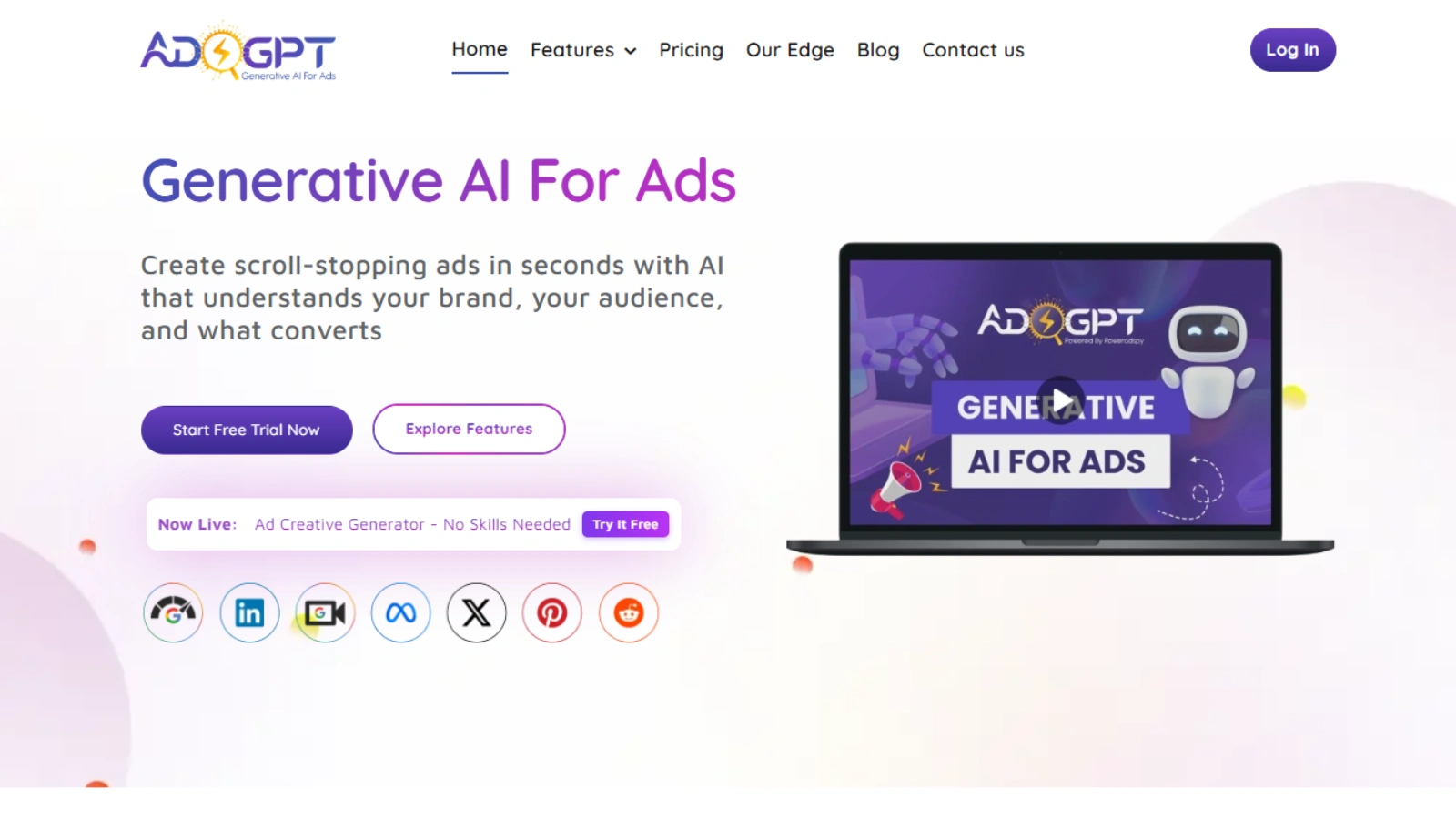
Paid advertising demands precision, speed, and high-performing content. AdsGPT specializes in AI-powered ad creation, helping marketers produce compelling ad copy and visuals quickly for platforms like Google, Meta, LinkedIn, Twitter, and more. Unlike general AI content tools, AdsGPT focuses entirely on conversion-oriented ad content, ensuring campaigns deliver measurable results.
Marketers can generate ads tailored to platform requirements, audience intent, and brand voice. With AdsGPT, teams gain faster turnaround, consistent messaging, and the ability to scale campaigns efficiently.
Key Features
- AI-Based Ad Copy: Generate platform-specific ad copy to boost clicks, conversions, and audience engagement.
- Competitor-Inspired Ads: Analyze competitor campaigns and create unique, brand-aligned ad copy or visuals.
- Ad Creatives Made Effortless: Produce stunning, on-brand ad visuals instantly without design skills.
- Start With Existing Ads: Use competitor ads for inspiration and generate new creatives with your brand identity.
- Prompt to Personalize: Add short prompts to guide AI output for brand-consistent tone and style.
- Smart Brand Memory: Store logos, slogans, and colors to automatically maintain consistent visuals across creatives.
AdsGPT allows marketers to combine speed, creativity, and data-driven insights in one platform. It fits perfectly into a broader AI content strategy, supporting conversion-focused ads that scale campaigns efficiently.
Choosing The Right AI Tools For Content Creation?
Selecting the right AI tools ensures efficient, high-quality content creation. Focus on clear goals, choose general or specialized platforms wisely, and consider budget, ease of use, and scalability.
- Match Tools to Goals: Align tools with specific content objectives.
- General vs Specialized Platforms: Broad tasks versus focused solutions.
- Budget and Scalability: Assess cost, learning curve, and growth potential.
Choosing the right AI tools lays the foundation for effective content creation, ensuring teams work smarter, maintain quality, and scale successfully across all channels.
Don’t Miss These
How To Harness The Power Of AI For Content Creation?
How to Make AI Content Creation More Human: Expert Guide (2025)
Key Benefits of Using AI for Content Creation
AI for content creation offers businesses a competitive edge by improving efficiency, quality, and audience impact. When used strategically, it streamlines workflows while maintaining relevance and consistency across all channels.
- Increased Publishing Speed: AI helps teams produce more content faster without compromising quality.
- Better Consistency Across Channels: Tone, style, and structure remain uniform across platforms and formats.
- Enhanced Audience Targeting: AI analyzes behavior and intent to make content more relevant and engaging.
- Data-Backed Creative Decisions: Insights from AI guide messaging, structure, and performance optimization for better results.
By leveraging these benefits, businesses can create more effective, consistent, and targeted content while preparing to address the limitations and challenges of AI-driven workflows.
Conclusion
Growth now depends on speed, relevance, and clarity across every channel. AI for content creation enables teams to produce consistent, high-quality output more efficiently while maintaining their purpose. When brands combine a clear strategy with smart tools like AdsGPT for ad creation, they streamline workflows, sharpen messaging, and respond quickly to market needs.
This balanced approach strengthens audience trust, improves campaign performance, supports scalable operations, and builds sustainable momentum that drives long-term growth across competitive industries.
FAQs: –
- What does AI for content creation mean?
It describes smart systems that assist idea creation, content writing, editing, and improvement across formats for faster, consistent, scalable output. - Can AI replace human writers?
AI cannot replace human writers because people provide context, emotion, judgment, originality, and accountability that tools cannot fully deliver consistently. - Which industries benefit most from AI for content creation?
Marketing, ecommerce, SaaS, media, education, and agencies gain value from faster production, personalization, cost control, and scalable multi-channel content strategies. - Is AI content safe for SEO?
AI content stays safe for SEO when teams apply review, fact checks, originality tools, clear intent, and audience-focused structure practices. - How does AdsGPT differ from other tools?
AdsGPT specializes in AI-driven ad copy and creative creation for paid platforms, campaigns, audiences, and performance-focused advertising workflows at scale.
MOST POPULAR