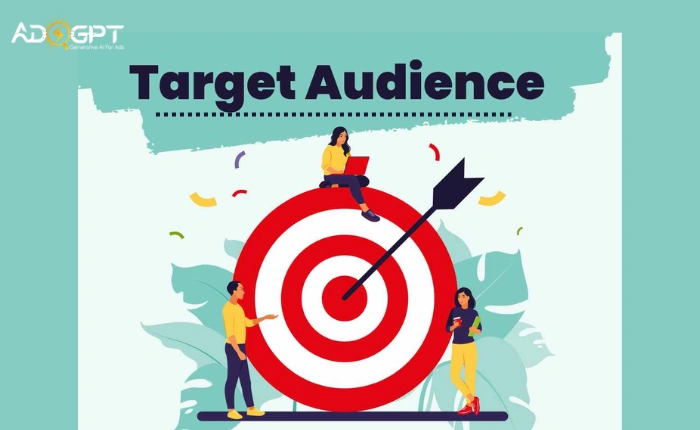
In the modern digital ecosystem, success in advertising no longer depends on loud messaging or oversized budgets. It depends on clarity. At the center of every effective marketing campaign sits one essential element: understanding your target audience. Without this understanding, even the most creative ideas struggle to convert.
Brands today compete for attention across multiple platforms, formats, and devices. Consumers scroll fast, judge faster, and only engage with content that feels relevant. That relevance comes from knowing exactly who you are speaking to and why your message matters to them.
This blog explores why identifying your target audience matters, how it influences advertising decisions, and how emerging tools help businesses connect with the right people more effectively than ever before.
Hit ‘Play’ Button & Tune Into The Blog!
What Does Target Audience Really Mean In Marketing?
It refers to the specific group of people most likely to be interested in your product or service. These people share common characteristics such as demographics, interests, behaviors, or problems that your solution addresses.
Understanding this group allows businesses to craft messages that resonate emotionally and practically. Instead of marketing to everyone, brands focus on the people who actually care. This precision saves resources and improves campaign outcomes.
When marketers define their target audience clearly, they gain control over tone, visuals, language, and platforms. Every creative decision becomes intentional rather than experimental.
Why Identifying The Right Audience Shapes Campaign Success?
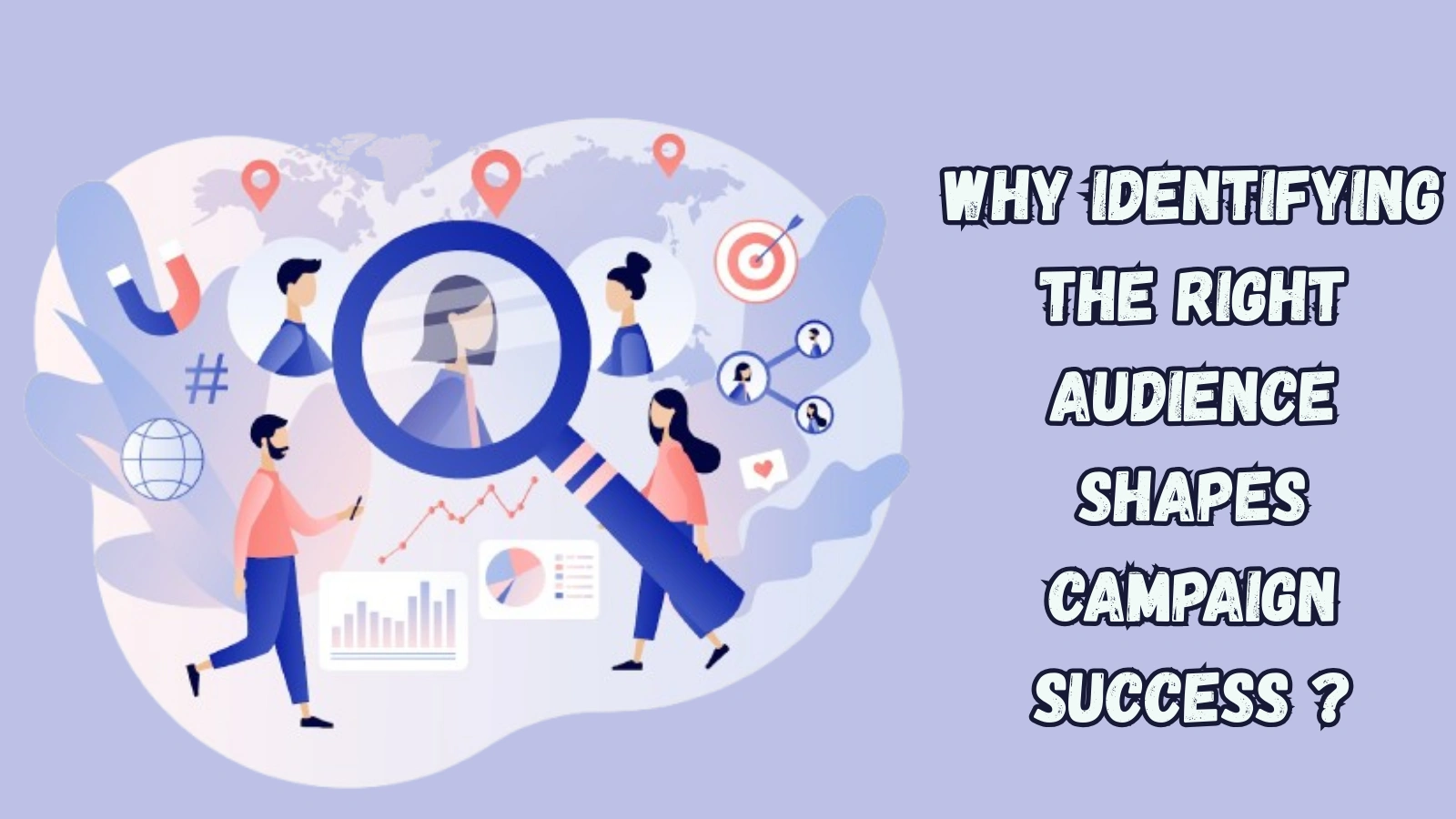
Advertising without a defined target audience feels like speaking into the void. You may gain impressions, but conversions remain low. When brands understand who they serve, their communication becomes sharper and more confident.
Clear audience identification helps businesses:
- Reduce wasted ad spend
- Increase engagement rates
- Improve customer trust
- Strengthen brand loyalty
When campaigns align with the real needs of a target audience, messaging feels personal rather than promotional. That personal connection drives long-term growth.
Also Read:
Target Audience Targeting in the AI Marketing Era
The Relationship Between Audience Insights And Digital Strategy

Every successful digital strategy starts with audience research. Brands study behavior patterns, purchasing triggers, and content preferences to create campaigns that align with real expectations rather than assumptions.
This understanding helps businesses connect more effectively with their target market audience and avoid generic messaging.
A well-researched target audience influences:
Platform selection:
Helps determine where your audience spends the most time, whether it’s search engines, social media platforms, or professional networks.
Content format choices:
Guides the use of videos, blogs, carousels, or interactive formats based on how audiences prefer to consume information.
Ad placement timing:
Identifies peak engagement hours and days, ensuring ads appear when users are most likely to take action.
Messaging tone:
Shapes whether communication should be educational, conversational, emotional, or data-driven to match audience mindset.
For example, younger audiences often engage more with short-form video content, while professional groups respond better to concise, value-focused product ads. Without these insights, brands risk misalignment, lower engagement, and wasted ad spend.
How Data-Driven Insights Help Create Ads That Truly Connect?
Data analytics has transformed how businesses understand and refine their target audience. Instead of relying on assumptions, marketers now track real-time behavior, engagement metrics, and conversion paths to see exactly what works and what doesn’t.
These insights also strengthen brand storytelling, helping businesses craft narratives that reflect real customer experiences instead of generic messaging.
This shift has changed the way campaigns are planned and executed:
- Replaces guesswork with evidence: Brands rely on data patterns rather than intuition to make smarter decisions.
- Enables scalable personalization: Insights allow businesses to deliver tailored messaging without slowing down campaign execution.
- Supports faster optimization: Campaigns can be adjusted quickly to match changing audience expectations.
When businesses truly understand their audience, they can create ads that feel relevant instead of intrusive. Relevance captures attention, and attention leads to action.
Strong, data-backed messaging:
- Answers real customer questions before they are even asked
- Addresses genuine pain points that audiences care about
- Positions the brand as a solution, not just a seller
Modern advertising succeeds when brands speak with their audience rather than at them. Data-driven insights make that conversation possible and impactful.
The Growing Role Of Automation In Audience-Focused Advertising
As digital channels expand, managing personalized messaging at scale becomes difficult. This challenge has pushed brands toward smarter tools that support audience-centric strategies.
This is where automation begins to complement creativity. With intelligent systems, brands can generate messaging aligned with audience preferences while maintaining consistency across platforms.
Tools built with ai in marketing capabilities help bridge the gap between insight and execution without compromising quality.
As brands strive to connect with the right target audience, creating effective ad copy quickly becomes a challenge. Writing multiple variations, adapting tone, and optimizing for platforms can slow teams down.
This is where AdsGPT fits naturally into modern workflows.
AdsGPT is an ad copy generative AI tool designed to help marketers create compelling ad messages in seconds. Instead of starting from scratch, businesses input basic details, and the tool produces ready-to-use ad copy aligned with audience intent.
By reducing manual effort, AdsGPT allows teams to focus more on understanding their audience and less on repetitive writing tasks.
AdsGPT Features That Support Audience-First Advertising
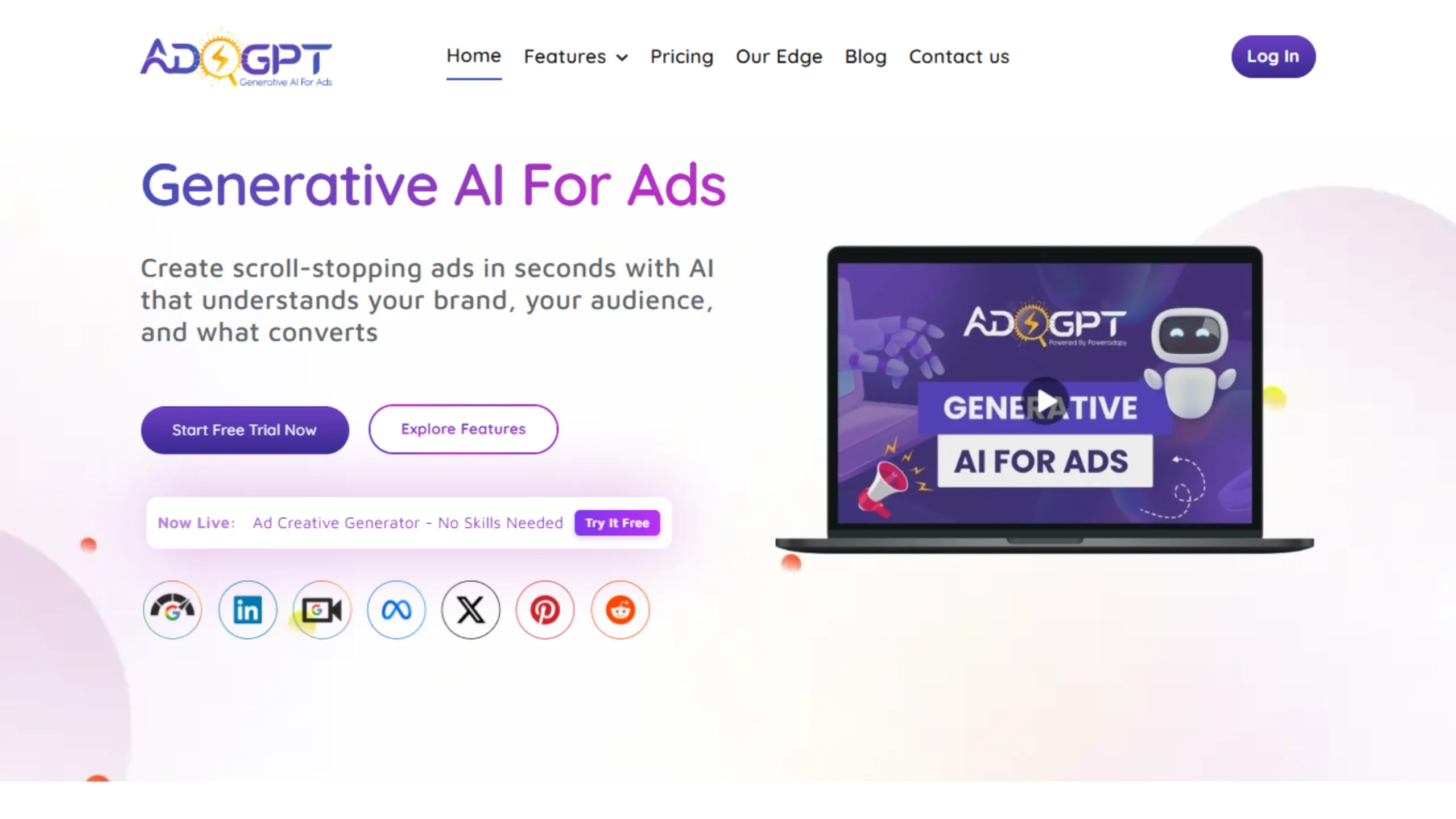
Instant Ad Copy Generation:
AdsGPT generates tailored ad copy almost instantly. This speed allows marketers to test multiple messages and discover what resonates best with their target audience.
AI-Powered Creativity:
The platform uses intelligent algorithms to craft engaging content based on industry best practices. This ensures messaging remains persuasive while staying aligned with audience expectations.
Platform-Specific Optimization:
Different platforms demand different formats and tones. AdsGPT creates ad copy optimized for each platform’s unique requirements, helping brands maintain relevance across channels.
Competitor-Inspired Ad Creation:
Marketers can analyze competitor ads, select one that performs well, and generate similar copy within seconds. This feature helps businesses stay competitive without copying blindly.
Track and Improve Past Creations:
AdsGPT stores your generated ads, allowing teams to review previous campaigns, refine strategies, and develop stronger future messaging for their target audience.
Why Adsgpt Is Essential For Modern Digital Advertising?
Advertising today moves fast. Audiences expect relevance immediately. AdsGPT supports this demand by making high-quality ad creation accessible to businesses of all sizes.
When brands use tools like AdsGPT, they reduce creative fatigue, increase consistency, and maintain focus on audience alignment. This balance between speed and quality drives better campaign performance.
In an era dominated by ai ads, tools that prioritize relevance over volume stand out.
The Impact Of Audience-Focused Advertising On ROI
When campaigns speak directly to the right people, returns improve naturally. Fewer impressions get wasted, and more interactions convert into meaningful actions.
A clearly defined target audience helps brands allocate budgets more efficiently and measure results more accurately. This clarity supports smarter scaling decisions.
Over time, audience-focused strategies outperform generic campaigns in both performance and sustainability.
Also Read:
How To Use Brand Storytelling To Engage Your Audience?
How Audience Awareness Shapes Long-Term Brand Growth?
Short-term sales matter, but sustainable success comes from long-term relationships. Brands that truly understand their target audience build trust through consistent, relevant communication rather than one-off promotions.
Strong audience awareness helps brands:
- Create consistent brand experiences across channels, reinforcing familiarity and recognition over time
- Build emotional connections by addressing real needs, values, and expectations
- Encourage repeat engagement through messaging that evolves with customer behavior
- Turn customers into advocates who actively recommend the brand to others
- Strengthen loyalty by delivering relevance at every stage of the customer journey
Instead of constantly chasing attention, brands earn it by staying aligned with their audience’s priorities. This shift transforms marketing from a transactional activity into a relationship-driven growth strategy.
How Can Creativity And Technology Work Together In Advertising?
Modern marketing thrives at the intersection of creativity and technology. Tools like AdsGPT support this balance by enabling faster execution without sacrificing message quality.
When businesses combine audience insights with intelligent systems, they unlock scalable personalization. This approach keeps campaigns human while benefiting from automation.
Technology becomes a partner, not a replacement.
Final Thoughts
Every campaign, message, and ad begins with understanding your target audience. Without this foundation, even the most advanced tools fall short.
Brands that invest time in audience research, message alignment, and intelligent execution gain a lasting advantage. With the right strategy and tools like AdsGPT, businesses can connect meaningfully, advertise confidently, and grow sustainably.
In the evolving world of digital advertising, relevance always wins, and relevance starts with knowing who you serve.
FAQs
1. How often should businesses review their audience strategy?
Businesses should review their audience strategy every 3–6 months. Market trends, consumer behavior, and platforms change quickly, so regular updates help campaigns stay relevant and competitive.
2. Can small businesses benefit from audience segmentation?
Yes, small businesses gain significant value from segmentation. It allows them to focus limited budgets on the most responsive groups instead of spreading resources too thin.
3. What tools help analyze customer behavior effectively?
Analytics platforms, CRM software, social media insights, and AI-powered ad tools help track behavior, engagement, and conversion patterns with accuracy.
MOST POPULAR