
People aren’t scrolling through ten blue links anymore. They’re opening AI tools, asking full questions, and trusting whatever answer comes back first. If your content isn’t part of that answer, you’re invisible, no matter how strong your traditional SEO looks on paper.
This is where most brands are falling behind.
AI search tools don’t work as Google did. They don’t reward keyword density or surface-level optimization. They pull from content that explains things clearly, answers real questions, and sounds like it was written by someone who actually knows the topic, not someone trying to rank for it.
Generative Engine Optimization exists because behavior changed. Users want clarity, not clicks. Context, not pages. Answers, not blogs written for algorithms. And AI systems are trained to reflect that preference. If your strategy is still built only around rankings and traffic, you’re optimizing for yesterday’s internet. This guide breaks down how to adapt, so your content shows up where decisions are now being made.
Listen To The Podcast Now!
What Is Generative Engine Optimization?
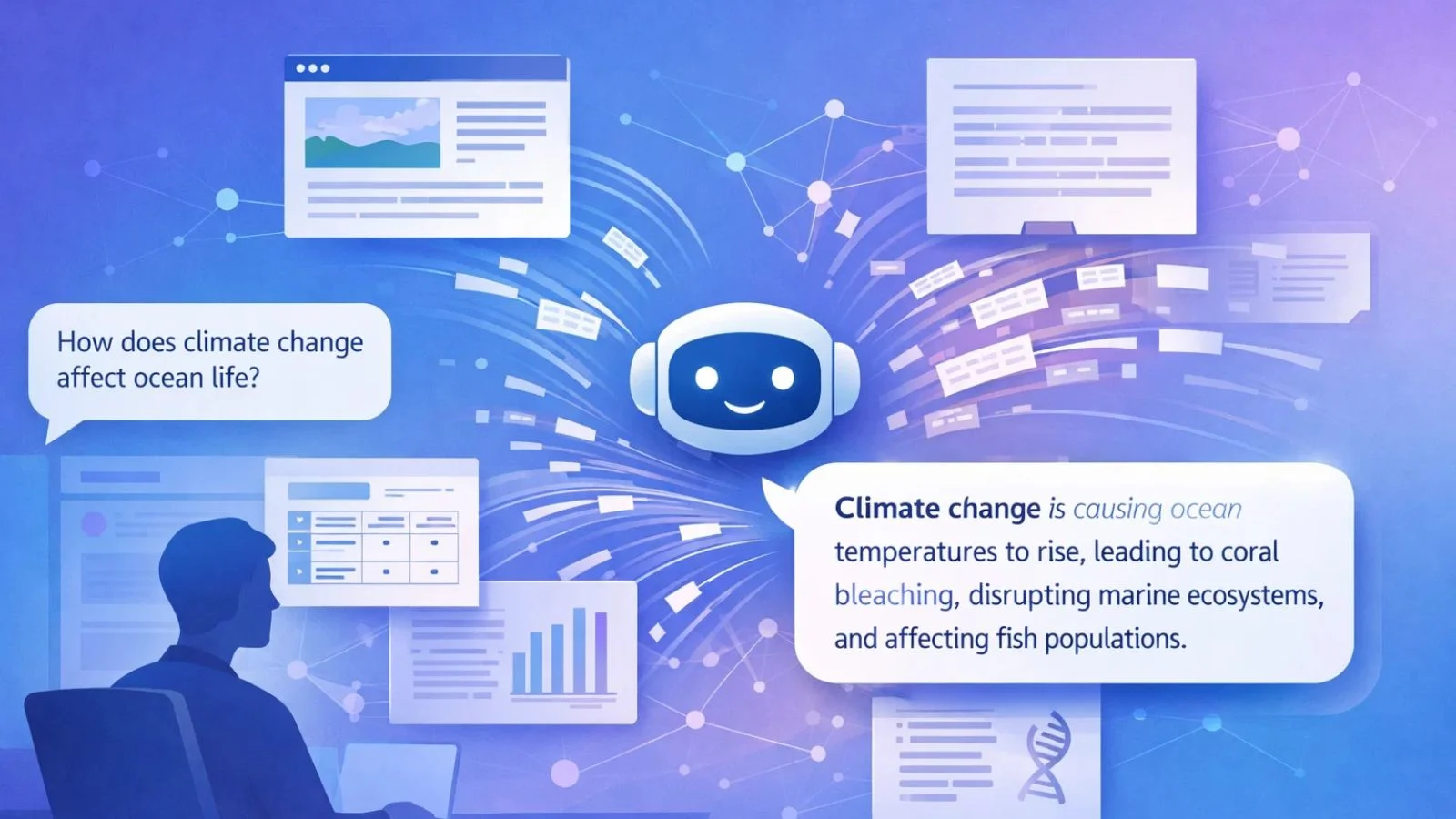
Before diving into strategies, let’s establish a clear foundation. What is generative engine optimization? Simply put, it’s the practice of optimizing your content to appear in responses generated by AI language models and conversational search engines—and a critical step if you want to leverage generative AI for marketing success in an AI-first search landscape.
Unlike traditional search engines that display a list of blue links, generative AI platforms synthesize information from multiple sources to deliver direct, conversational answers. Think of it this way: when someone asks ChatGPT or Google’s AI overview a question, the AI doesn’t just point to your website; it pulls relevant information and presents it as part of a cohesive response. Generative engine optimization (GEO) ensures your content becomes part of that answer, positioning your brand as a trusted source inside the AI ecosystem rather than just another indexed page.
Why Generative Engine Optimization Matters Now?
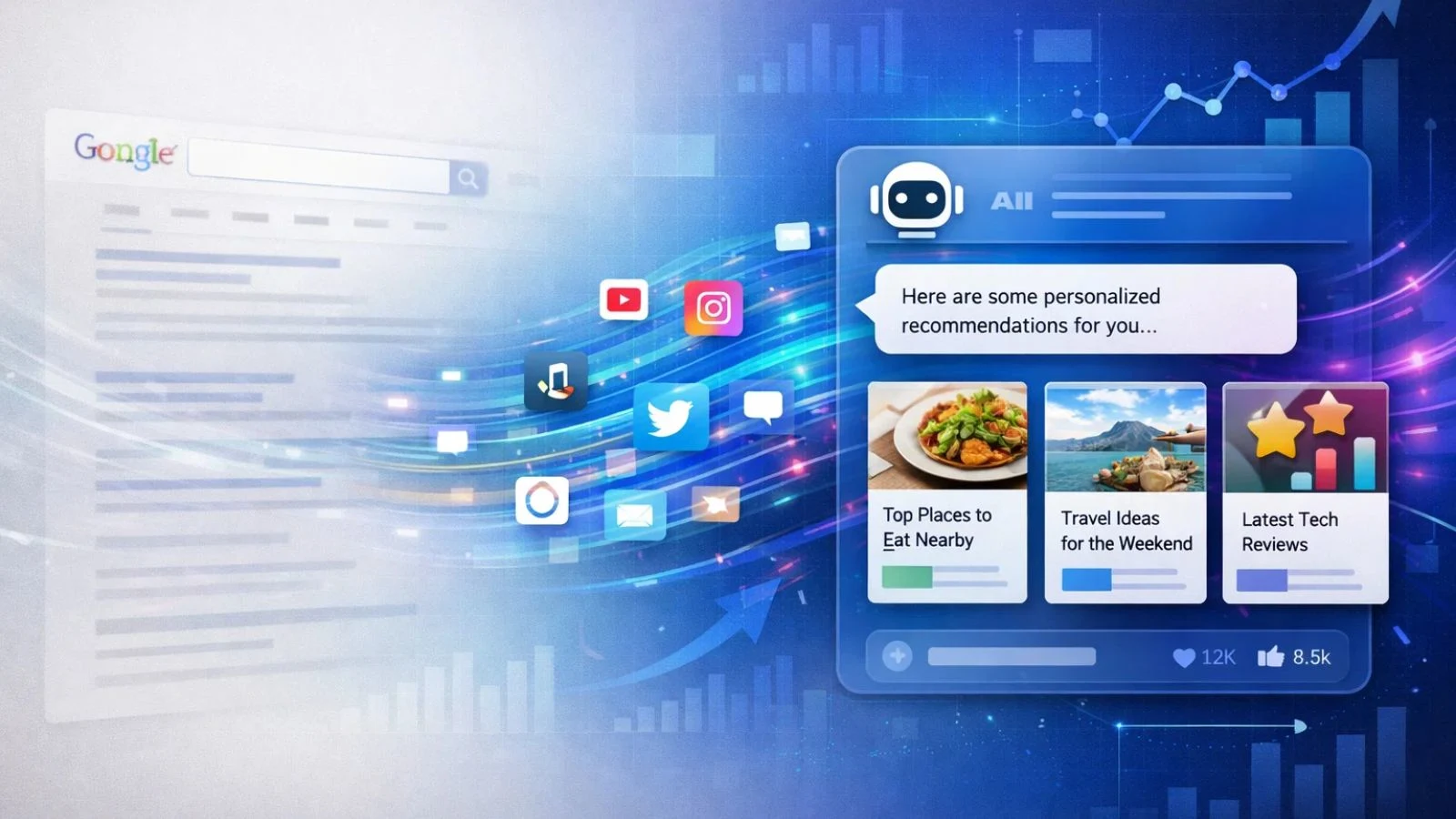
The statistics tell a compelling story. Recent studies show that over 50-70% of internet users have tried AI chatbots for information gathering, and this number continues to climb. These platforms are becoming primary research tools, particularly among younger demographics and professionals seeking quick, accurate insights.
When your content is optimized for these AI engines, you gain several advantages:
- Increased Brand Authority: Being cited by AI tools establishes your business as a credible information source, building trust before users even visit your website.
- Expanded Reach: AI platforms aggregate information from across the web, giving your content exposure beyond traditional search engine results pages.
- Future-Proof Strategy: As AI integration in search continues to accelerate, early adopters of generative engine optimization will maintain a competitive edge.
The shift isn’t just theoretical; businesses that have embraced this approach are already seeing measurable results in brand mentions, referral traffic, and thought leadership positioning.
Core Principles of Optimizing for AI Search:
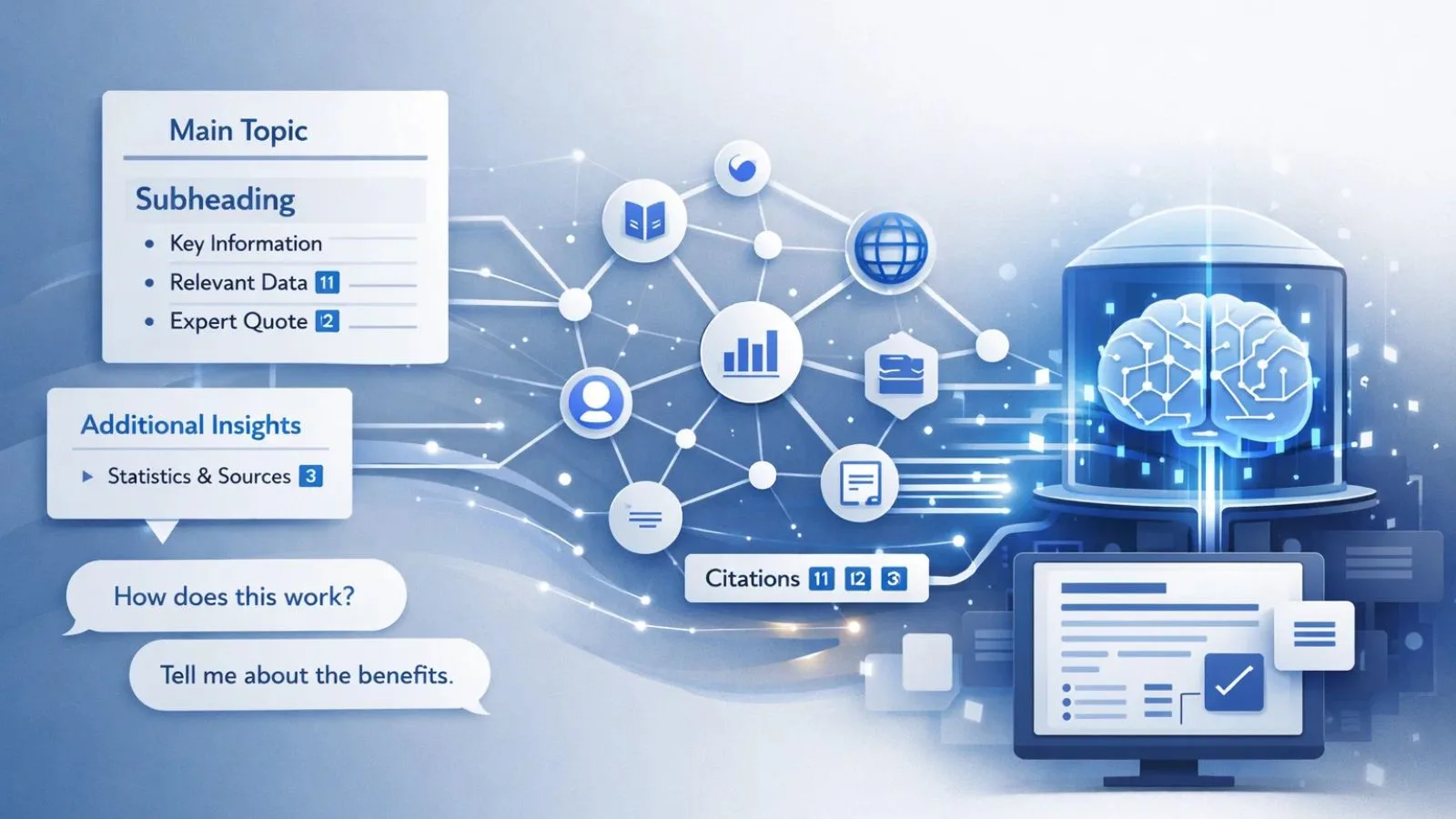
Mastering generative engine optimization requires understanding what makes content AI-friendly. These platforms prioritize specific content characteristics that differ somewhat from traditional SEO signals.
- Clarity and Structure: AI models favor well-organized content with clear hierarchies. Use descriptive headings, short paragraphs, and logical flow. When an AI scans your content, it should easily identify key concepts and how they relate to each other.
- Authoritative Information: Credibility matters more than ever. Support your claims with data, cite reputable sources, and demonstrate expertise in your subject matter. AI models are trained to recognize and prioritize authoritative content over superficial pieces.
- Comprehensive Coverage: Rather than targeting single keywords, create content that thoroughly addresses topics. AI platforms reward depth and completeness, as they’re pulling from your content to answer nuanced questions.
- Natural Language: Write conversationally, using the same phrasing your audience would use when asking questions. This alignment helps AI models identify your content as relevant to user queries.
How to Do Generative Engine Optimization: Practical Strategies:
Now let’s explore actionable tactics you can implement immediately to boost your AI search visibility.
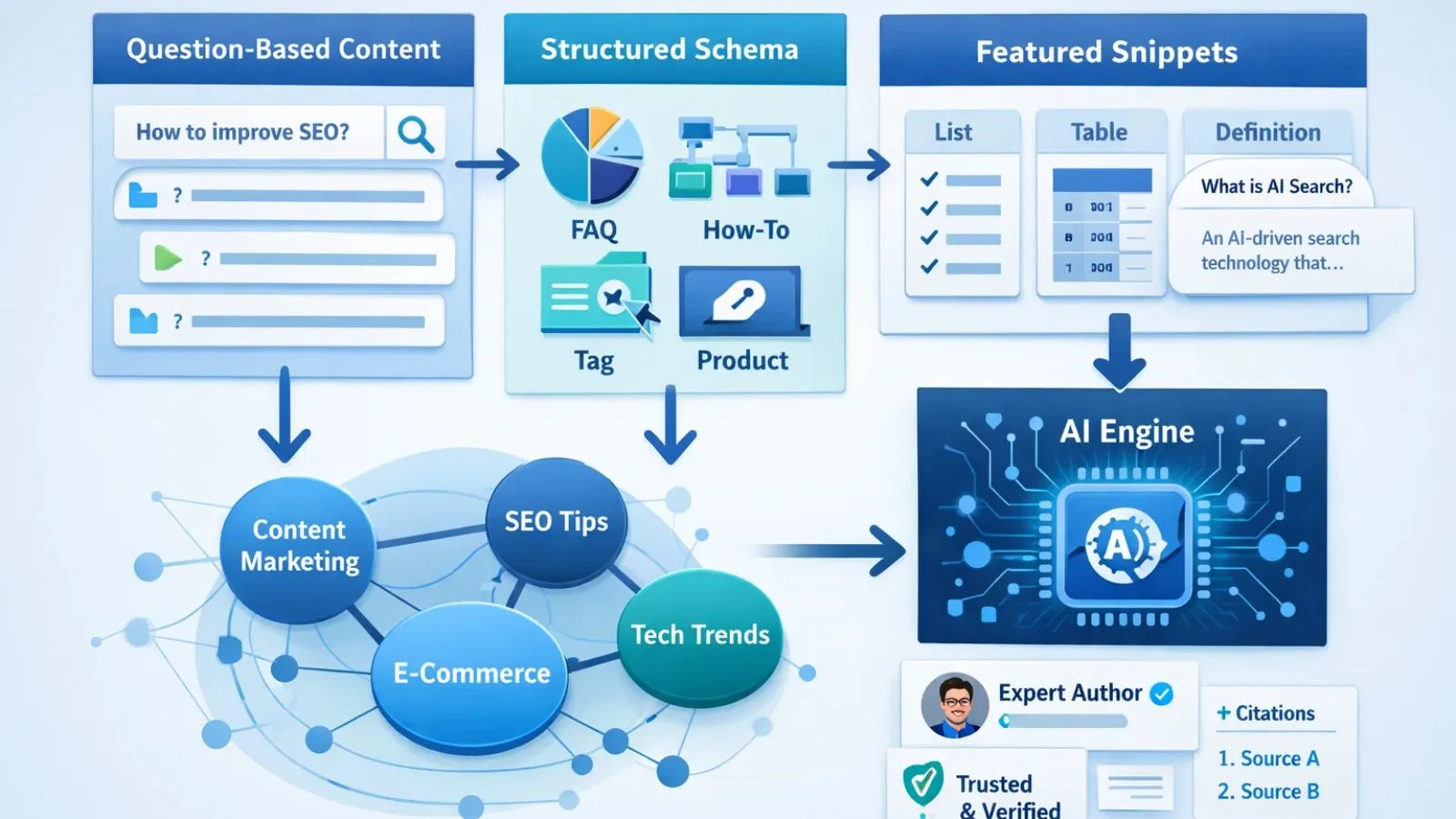
1. Create Question-Focused Content:
Start by identifying the questions your target audience asks. Use tools like Answer the Public, analyze customer support inquiries, and monitor social media discussions. Structure content to directly answer these questions with clear, concise responses in the opening paragraphs, then expand with supporting details.
2. Implement Strategic Schema Markup:
While schema markup has always been important for SEO, it’s even more critical for generative engine optimization. Use structured data to help AI understand your content’s context, relationships, and key information. FAQPage schema, Article schema, and HowTo schema are particularly effective for AI visibility.
3. Optimize for Featured Snippet Formats:
AI platforms often pull information that would traditionally appear in featured snippets. Format key information in lists, tables, and definition-style paragraphs. Provide direct answers within the first 40-60 words of relevant sections.
4. Build Topical Authority:
Rather than creating isolated blog posts, develop content clusters around core topics. This interconnected approach signals to AI models that you’re a comprehensive resource on specific subjects, increasing the likelihood your content will be referenced for related queries.
5. Prioritize E-E-A-T Signals:
Experience, Expertise, Authoritativeness, and Trustworthiness aren’t just Google ranking factors; they’re essential for generative engine optimization. Include author bios, link to credible sources, showcase certifications or credentials, and maintain factual accuracy throughout your content.
Also Read:
Leveraging AdsGPT for Faster, Smarter Ad Execution:
Once you start applying GEO basics (clear structure, direct answers, strong sources), the next bottleneck is usually production speed, especially when you need multiple ad angles, formats, and platform variants. That’s where AdsGPT fits in: it’s built to help you generate ad creatives and ad copy, and also analyze ads with data-backed insights inside the same workflow.
Here’s what it actually does (based on what’s shown on the AdsGPT site):
- Ad creative generator (visuals): Create “ready-to-post” ad visuals quickly, with platform-specific customization for placements across channels like Meta, Google, LinkedIn, Pinterest, and more.
- Start from existing ads (competitor-inspired): You can pick an existing ad as a reference and generate a fresh creative/copy aligned to your own message/branding.
- Generate multiple variations: Produce up to 5 creatives at once for faster testing.
- Ad copy generation (platform-optimized): Generate ad copy tailored to major platforms (Google Ads formats, Meta, LinkedIn, X/Twitter, Reddit, Pinterest).
- Keep track of outputs: Access your history of generated ad copies so you can reuse, refine, and stay consistent.
- Analytics Pro (ad insights): Explore ad insights like multi-platform coverage, market trend analysis, ad popularity index, single-ad analytics view, and chat activity tracking.
- Large ad data + frequent updates: The FAQ describes an ad repository used for generating copies and notes near real-time data updates, depending on platform availability.
Measuring Your GEO Success:
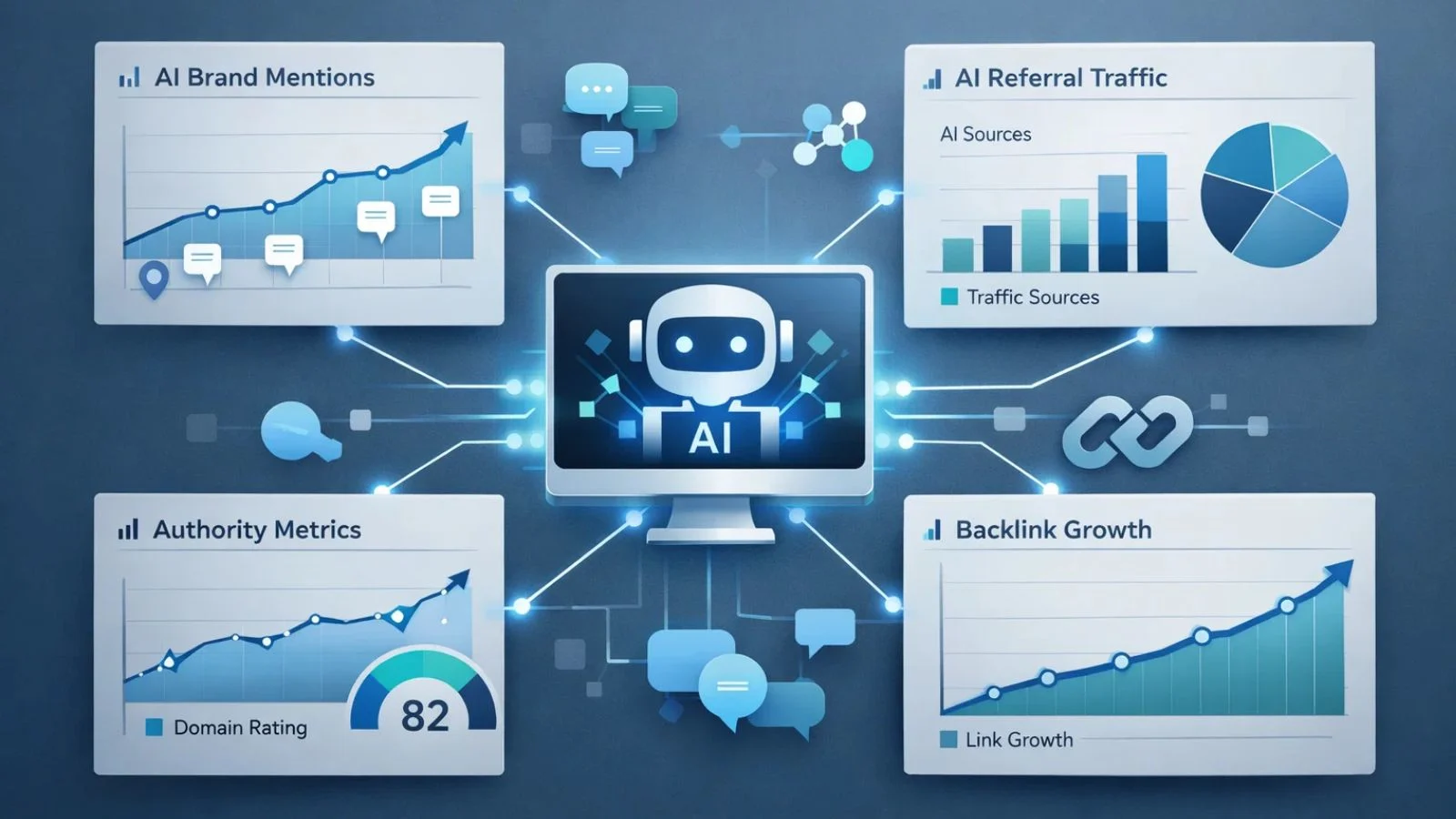
Like any marketing initiative, effective generative engine optimization requires tracking and measurement. Monitor several key indicators to gauge your progress.
Track brand mentions in AI-generated responses by periodically querying relevant topics and noting when your brand or content appears. Use specialized tools that monitor AI platform citations, though this field is still developing.
Analyze referral traffic patterns from AI platforms. While not all AI citations include direct links, many do. Check your analytics for referral sources from ChatGPT, Perplexity, and similar platforms.
Monitor changes in domain authority and backlink profiles. As your content gains visibility in AI responses, authoritative sites are more likely to reference and link to your material, creating positive SEO ripple effects.
Survey your audience to understand how they discovered your brand. Including questions about AI tool usage in customer surveys provides qualitative insights into your GEO impact.
Future-Proofing Your Content Strategy:

The AI search landscape evolves rapidly, making adaptability essential for long-term success. Stay informed about updates to major AI platforms and adjust your generative engine optimization approach accordingly.
Diversify your content formats. While written content remains important, AI platforms increasingly incorporate video transcripts, audio content, and interactive media. Ensure your optimization strategy accounts for multiple content types. Build relationships with AI researchers and follow developments in natural language processing. Understanding how these technologies evolve helps you anticipate changes in optimization requirements before they become mainstream knowledge.
Most importantly, never sacrifice quality for optimization. The most effective generative engine optimization strategy is creating genuinely valuable content that serves your audience. AI models are increasingly sophisticated at detecting and deprioritizing thin, keyword-stuffed material.
Conclusion:
Generative engine optimization represents a fundamental shift in how brands achieve digital visibility. By understanding AI search behavior, implementing strategic content optimizations, and leveraging tools like AdsGPT, you can position your business at the forefront of this transformation. The brands that master these techniques now will enjoy significant competitive advantages as AI search continues its inevitable growth. Start by auditing your existing content through a GEO lens, identify quick wins, and gradually build a comprehensive strategy that balances traditional SEO with AI-focused optimization.
FAQ’s:
Q1: How long does it take to see results from generative engine optimization?
Ans: Unlike traditional SEO, which can take months, you may notice AI citations within weeks as these platforms often reference recently published, high-quality content. Consistent optimization typically shows measurable impact within 2-3 months.
Q2: Does GEO replace traditional SEO?
Ans: No, they’re complementary strategies. Traditional SEO remains essential for organic search visibility, while generative engine optimization expands your reach into AI-powered platforms. The most effective approach integrates both methodologies.
Q3: Can small businesses compete in generative engine optimization?
Ans: Absolutely. AI platforms prioritize content quality and relevance over domain size. Small businesses with deep expertise and well-structured content can achieve strong AI visibility, often competing effectively against larger competitors.
Q4: Does AdsGPT replace generative engine optimization (GEO)?
Ans: No. GEO improves organic visibility in AI search, while AdsGPT helps create and analyze ad creatives faster. They serve different purposes and work best together.

MOST POPULAR