Digital ad campaigns have become the lifeblood of modern marketing. Whether you’re a startup trying to make your mark or an established brand looking to stay relevant, getting your advertising right can mean the difference between explosive growth and wasted budgets. As we move through 2026, the advertising landscape looks dramatically different from what it did just a couple of years ago, and understanding what works now is crucial for anyone serious about results. The truth is, throwing money at ads doesn’t guarantee success anymore. The platforms are smarter, audiences are savvier, and competition is fiercer than ever. So what actually separates the winners from the rest?
Listen To The Podcast Now!
Know Your Audience Beyond the Basics:
Here’s something most marketers get wrong: they think knowing basic demographics is enough. It’s not. The best digital ad campaigns dig deeper into behavioral data, how people browse, what they search for, and which posts they engage with. Many brands now use an AI Ad maker to craft personalized Ad campaigns, allowing them to analyze audience behavior and tailor messaging more effectively.
Successful digital ad campaigns for brands segment audiences intelligently and speak directly to their unique motivations. A luxury product requires different messaging than a budget-friendly alternative, yet many brands make the mistake of creating one-size-fits-all campaigns. Understanding your audience’s pain points, desires, and language is the foundation of any winning strategy.
Creativity That Actually Stops the Scroll:
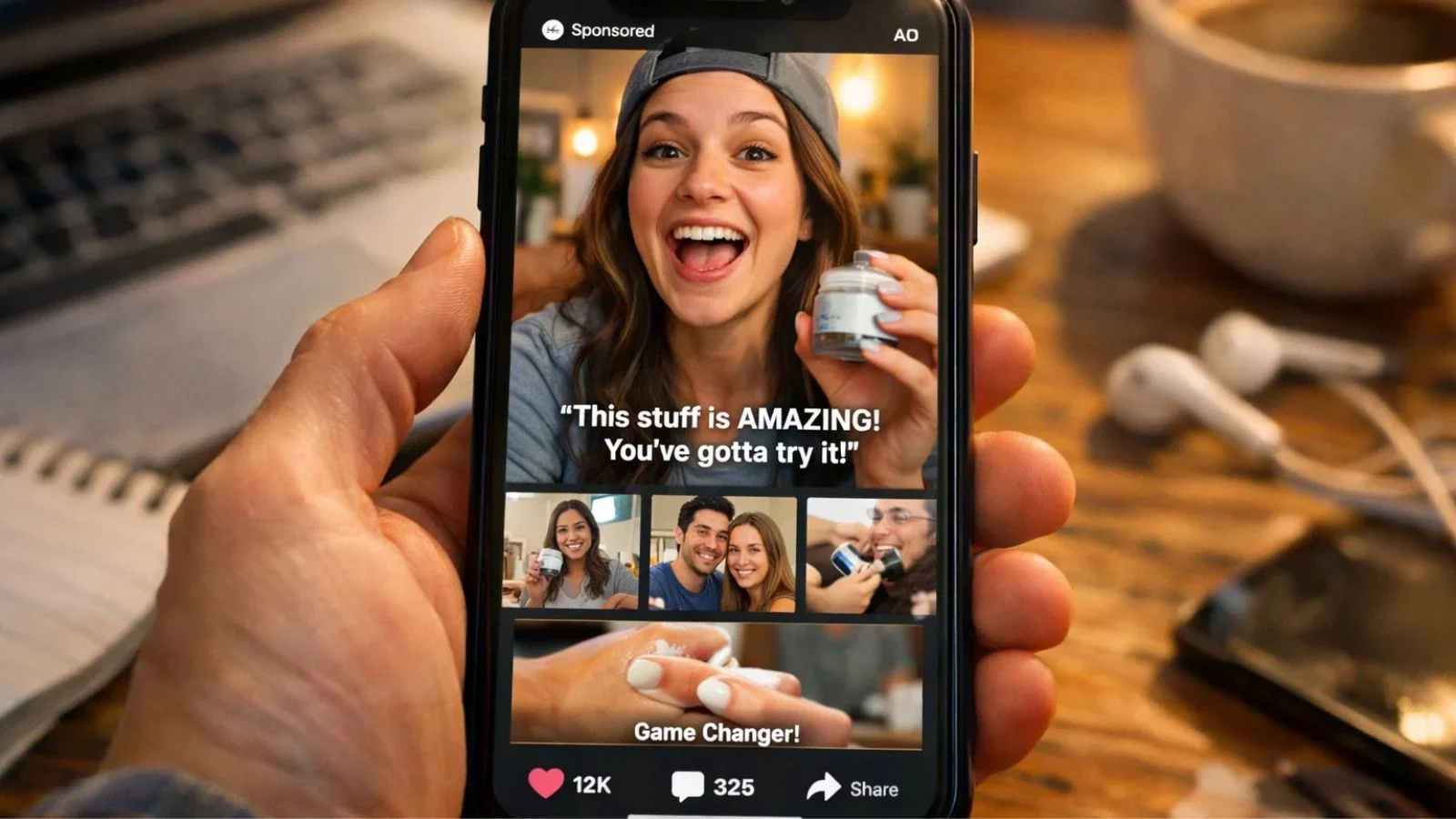
You can have the best targeting in the world, but if your ad creative is boring, you’re toast. People scroll through hundreds of pieces of content daily. Your ad has maybe two seconds to make them stop. What works in 2026? Authenticity beats polish every single time. Those overly produced corporate ads? People scroll right past them. But a genuine story, a relatable problem being solved, or user-generated content? That stops the scroll.
Video continues to dominate, especially short-form content. But static images and carousels still perform incredibly well when done right. The key is matching your creative format to your platform and message. Here’s a pro tip: show, don’t tell. Instead of saying your product is amazing, show someone’s face lighting up when they use it. People buy emotions and outcomes, not specifications.
Choose Your Platforms Strategically:
One of the biggest mistakes is brands trying to be everywhere at once. You don’t need to run digital ad campaigns on every platform; you need to dominate the platforms where your audience actually hangs out. Instagram and Facebook work wonders for B2C brands in fashion, food, and lifestyle. LinkedIn is unbeatable for B2B. TikTok is a goldmine if your audience skews younger. Google Ads captures high-intent searches that often convert better than social traffic. The smart move is identifying 2-3 platforms and really mastering them. An ad that crushes on Instagram might completely flop on LinkedIn because the audiences expect different things.
Data-Driven Optimization Is Non-Negotiable:

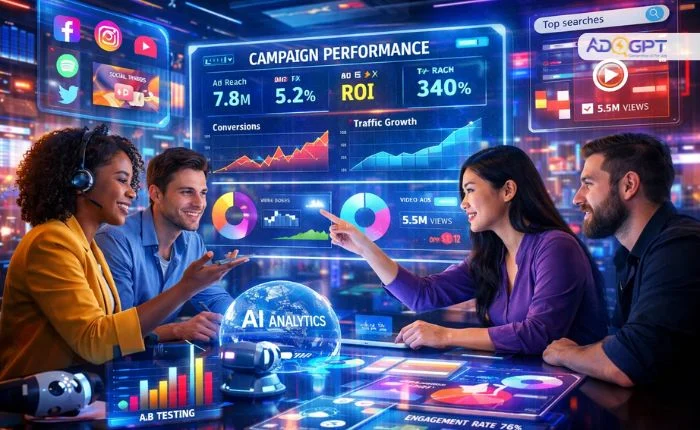
Running ads without analyzing performance is like driving blindfolded. Successful campaigns treat every effort as a learning opportunity. They A/B test everything: headlines, images, calls-to-action, and audience segments. Here’s what many people miss: the data tells you what’s happening, but you need to interpret why. If your click-through rate is high but conversions are low, that’s a landing page problem, not a targeting issue. If one audience segment converts at 5x the rate of another, double down on what works and cut what doesn’t.
Privacy-First Advertising in 2026:
The privacy landscape has shifted dramatically. Third-party cookies are essentially gone, and consumers are more protective of their data. But this doesn’t mean digital ad campaigns can’t be effective; it just means we need to be smarter. First-party data is gold now. Build your email list, create loyalty programs, and give people reasons to voluntarily share information with you. Contextual advertising has also made a strong comeback, placing ads based on the content users are currently reading rather than tracking their behavior across the web.
Also Read:
4 Powerful Digital Ad Creative Strategies For Your Campaigns
How to Use an AI Ad Maker to craft Personalized Ad Campaigns 5x Faster
How AdsGPT Supercharges Your Campaign Creation:
Coming up with fresh, engaging headlines and body text for multiple campaigns can eat up hours of your week. This is where AdsGPT becomes invaluable. Instead of staring at a blank screen, you can generate multiple high-quality options in minutes. The platform understands marketing psychology and what actually makes people click.
What makes AdsGPT particularly useful is its platform-specific optimization. Writing for Google Ads requires a different approach than Facebook or LinkedIn. AdsGPT tailors copy to each platform’s format and audience expectations, so your ads feel native rather than forced. If you’re running A/B tests, which you absolutely should be, AdsGPT can generate multiple variations instantly. This accelerates your testing cycles and helps you find winning combinations faster. Instead of manually brainstorming five different headline variations, you can have them ready to test within minutes.
For agencies managing multiple clients or brands running campaigns across various products, the time savings are massive. You can maintain quality and consistency while dramatically reducing hours spent on copywriting. This means more time for strategic thinking and actually analyzing your results. The platform is especially helpful when you’re experiencing writer’s block or need fresh perspectives on your messaging. Sometimes you’re too close to your own product, and AdsGPT provides that outside viewpoint that can unlock new angles you hadn’t considered.
Learn From Successful Campaign Examples:
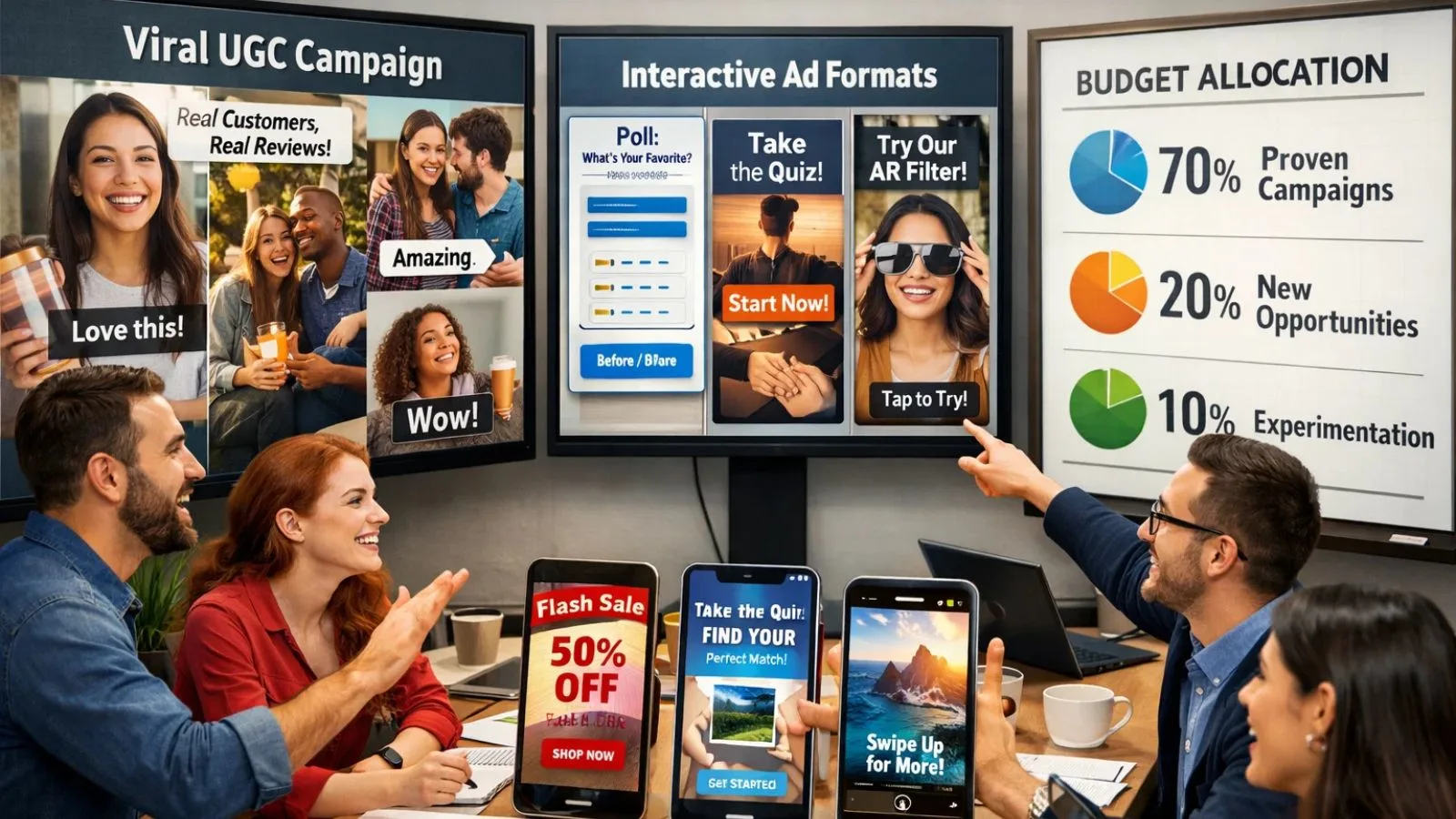
Looking at digital ad campaign examples from successful brands reveals clear patterns. The campaigns that go viral or generate massive ROI rarely rely on product features; they tap into emotions and tell stories. User-generated content campaigns consistently outperform traditional advertising. When real customers share their experiences, it carries more weight than any polished corporate message.
Encouraging and featuring this content in your paid ads creates powerful social proof that resonates with potential buyers. Interactive formats like polls, quizzes, and augmented reality experiences also generate significantly higher engagement than passive viewing. These transform advertising from interruption to entertainment.
1. Smart Budget Allocation:
You don’t need a Fortune 500 budget to run effective campaigns. What you need is strategic allocation and the discipline to scale what works. Start with test budgets that won’t break the bank. Once you identify winning campaigns, channel more money into those. Cut underperforming campaigns quickly; there’s no prize for stubbornness in advertising. Many successful advertisers use a 70-20-10 approach: 70% of the budget goes to proven strategies, 20% to promising new opportunities, and 10% to experimental ideas. This balances stability with growth potential.
2. Mobile-First Is Essential:
Most of your ads will be viewed on mobile devices. If your campaigns aren’t optimized for small screens, you’re leaving serious money on the table. Mobile ads need to load fast, use vertical formats when possible, and have crystal-clear calls-to-action. Keep text minimal and make buttons easily tappable. Location-based targeting on mobile opens incredible opportunities for driving foot traffic or reaching people in relevant contexts.
Measure What Actually Drives Results:
Vanity metrics like impressions are nice for reports, but they don’t pay the bills. Focus on metrics tied directly to business outcomes: conversion rate, customer acquisition cost, return on ad spend, and customer lifetime value. Understanding how much a customer is worth over their lifetime changes how much you can afford to spend acquiring them. Regular analysis should drive decisions, not just document history. The goal is continuous improvement, getting better at reaching and converting your ideal customers with every campaign.
Conclusion:
Success with digital ad campaigns in 2026 comes down to knowing your audience deeply, creating authentic content that resonates, choosing the right platforms, and obsessively measuring results. Tools like AdsGPT can dramatically speed up your workflow and improve copy quality, giving you more time to focus on strategy and optimization. The landscape keeps evolving, but these fundamentals will keep your campaigns performing.
FAQ’s:
Q1: How much should I spend on digital advertising?
Ans: Start with what you can afford to test; even $500-1000 can provide valuable insights. Most successful businesses allocate 5-15% of revenue to marketing. The key is scaling spend based on proven ROI.
Q2: How quickly will I see results from my campaigns?
Ans: You’ll see initial data within days, but meaningful patterns typically emerge after 2-4 weeks. Search ads often convert faster than social campaigns. Patience combined with active optimization delivers the best results.
Q3: Which platform is best for my business?
Ans: It depends on your target audience. B2B companies see better results on LinkedIn, while B2C brands thrive on Instagram and Facebook. Google Ads works well for high-intent searches. Start where your audience spends time.
Q4: Should I hire an agency or manage campaigns myself?
Ans: It depends on your expertise, time, and budget. In-house gives you more control and lower costs, while agencies bring specialized experience. Many businesses succeed with a hybrid approach, handling strategy internally while outsourcing execution.
MOST POPULAR