
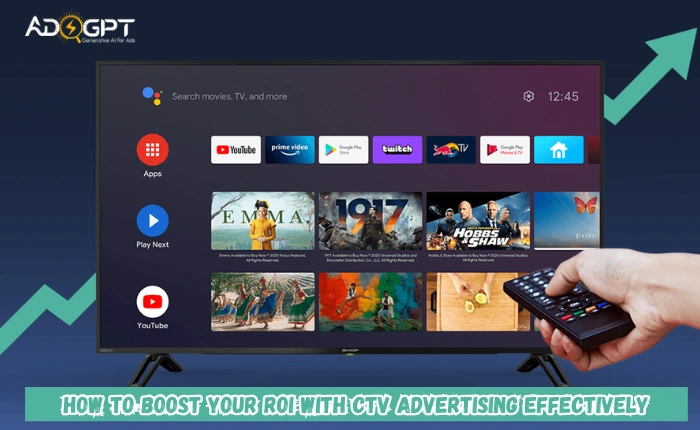
Television advertising is changing fast as streaming platforms and smart TVs become a part of everyday life. Brands now have the opportunity to connect with their audiences in a more precise and interactive way. This shift has paved the way for CTV advertising, a powerful approach that combines the wide reach of traditional TV with the accuracy of digital marketing.
In this blog, we will explore what CTV advertising is, its key advantages, the platforms driving its growth, the role of AI in optimizing campaigns, and why brands should consider integrating it into their marketing strategy.
In a hurry? Listen to the blog instead!
What Is Ctv Advertising?

Connected TV, or CTV, refers to any television that is connected to the internet and capable of streaming digital content. Unlike traditional TV, where advertisers rely on broad demographics, CTV allows brands to deliver targeted ads based on viewer behavior, preferences, and interests.
It utilizes this capability to place ads directly within streaming content on platforms such as Hulu, Roku, Amazon Fire TV, and Apple TV. These connected TV advertising platforms enable highly personalized, measurable, and effective ad delivery that outperforms many traditional methods.
The Growth Of The Connected Tv Market
The connected TV market has witnessed exponential growth over the past few years. More consumers are cutting the cord and opting for streaming services, which opens new opportunities for advertisers. According to industry reports, CTV viewership is projected to grow continuously, with millions of households now relying primarily on connected TVs for entertainment.
This growth has made these digital channels an essential part of any brand’s media mix. By leveraging them, marketers can deliver ads to precise audiences, track engagement, and optimize campaigns in real time.
What Are The Benefits Of Connected Tv Advertising?

The benefits of connected TV advertising are extensive and make it a compelling choice for marketers across industries. If you’re exploring modern marketing approaches, a great advertisment example is how brands use CTV platforms to target niche audiences with highly personalized video ads.
1. Targeted Reach:
Unlike traditional TV ads, which reach a broad audience, CTV advertising enables precise targeting. Advertisers can focus on demographics, interests, viewing habits, and even geographic location. This ensures that every ad dollar is spent effectively, reaching only those who are most likely to engage with the brand.
2. Higher Engagement:
CTV ads are non-skippable in many cases and appear in a context where viewers are already actively engaged with content. This increases the likelihood of interaction, improving brand recall and driving higher engagement compared to traditional linear TV ads.
3. Measurable Results:
One of the key advantages of this advertising approach is the ability to track and measure campaign performance in real time. Metrics such as impressions, click-through rates, completion rates, and conversions are readily available, allowing marketers to optimize campaigns for maximum impact.
4. Cost Efficiency:
While CTV advertising might seem expensive upfront, its precision targeting reduces wasted impressions. Advertisers can allocate budgets more efficiently, ensuring that ads reach high-value audiences rather than broad, unqualified viewers.
5. Flexibility and Creativity:
Creating high-quality ad creatives for CTV can be time-consuming and challenging. Tools like AdsGPT, an AI-powered ad copy generator, simplify this process by instantly producing engaging, platform-optimized ad copies.
Whether you’re targeting viewers on Hulu, Roku, or Amazon Fire TV, AdsGPT helps marketers craft compelling messages that resonate with audiences without spending hours on brainstorming or guesswork.
Also Read:
The Most Powerful Advertisement Examples To Learn From Them
Ctv In Advertising Strategy
Incorporating CTV in advertising strategies requires a nuanced approach. Brands must first understand their audience and the platforms they use most frequently. By leveraging data analytics, advertisers can identify which streaming services and devices align with their target demographic.
Next, marketers should consider the type of ad creative that will resonate with viewers. Unlike social media ads, CTV ads often demand higher production quality and storytelling elements, as viewers are more attentive and expect premium content.
Finally, continuous monitoring and optimization are critical. One of the biggest advantages of CTV advertising is the ability to adjust campaigns based on real-time insights, ensuring maximum efficiency and ROI. Here, integrating AdsGPT can accelerate creative production, generate multiple variations quickly, and maintain platform-specific optimization without added workload.
How Can AdsGPT Enhance Your CTV Advertising Campaigns?
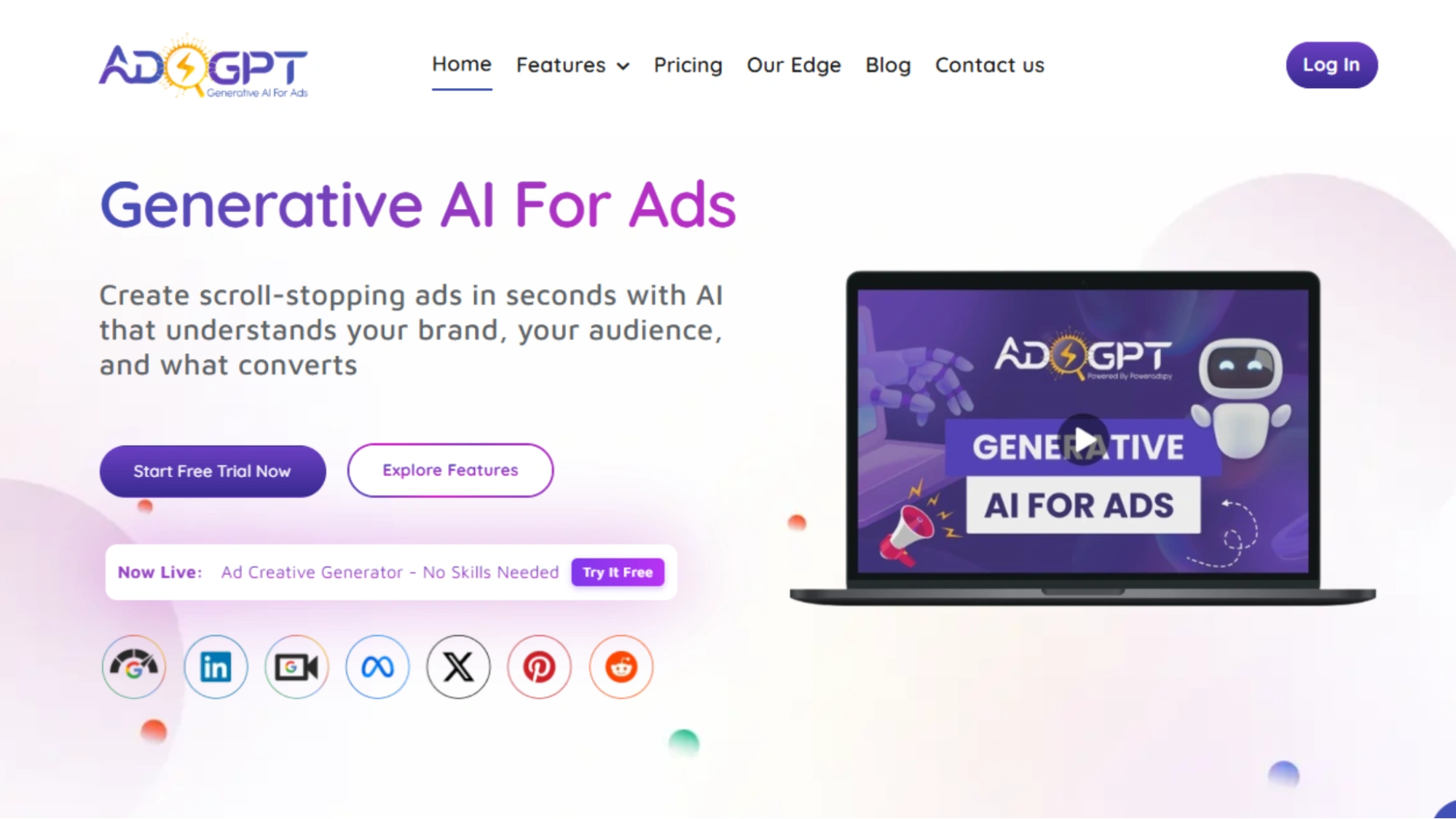
Leveraging AI can take CTV advertising to the next level, especially when it comes to producing high-quality ad creatives quickly. AdsGPT is a generative AI platform designed to help marketers create compelling, conversion-focused ad copy in seconds, no writing skills or guesswork required. With integrated ad analytics insights, the platform also supports smarter decision-making based on performance data.
By automating ad copy creation, AdsGPT allows brands to focus more on strategy, audience targeting, and optimization instead of spending hours crafting messaging manually.
Key Features Of Adsgpt For Ctv Advertising
1. Instant Ad Copy Generation:
AdsGPT creates ready-to-use ad copy tailored for multiple platforms, including Google, Meta, LinkedIn, Twitter, and CTV environments, within seconds. This helps marketers keep up with fast-moving campaign demands and launch creatives without delays.
2. AI-Powered Creativity:
The platform uses advanced AI to deliver engaging, high-performing ad copy based on your brand input, industry best practices, and audience behavior insights. This ensures every output feels fresh, relevant, and aligned with campaign goals.
3. Platform-Specific Optimization:
Every platform has different ad formatting rules and creative requirements. AdsGPT automatically optimizes copy for each channel’s guidelines, helping your CTV and digital ads maintain consistency, clarity, and compliance.
4. Competitor-Inspired Ad Creation:
You can analyze competitor ads, identify what works, and generate similar, but unique, versions instantly. This gives you a strategic advantage by understanding market trends and outperforming competing campaigns.
5. Ad Copy History & Workflow Tracking:
AdsGPT stores all previously generated ad copies, allowing marketers to revisit, refine, and repurpose past content. This makes it easier to analyze performance trends, improve future messaging, and maintain creative continuity across campaigns.
By incorporating AdsGPT into your CTV advertising strategy, brands can accelerate creative production, improve engagement, and maximize campaign efficiency, ultimately driving stronger, more measurable results.
Also Read:
Ad Analytics: How To Transform Digital Marketing?
AI For Advertising: Innovative Examples, Tools, And What’s Next?
What Trends Are Shaping The Future Of Ctv Advertising?

The future of this advertising approach looks bright, driven by several key trends:
1. Programmatic CTV:
Programmatic advertising automates the buying and placement of ads, allowing brands to deliver highly targeted campaigns efficiently. With programmatic CTV, advertisers can leverage real-time data to adjust campaigns, ensuring the right message reaches the right viewer at the right time.
2. Interactive Ads:
Interactive ads allow viewers to engage directly with content, whether by clicking for more information, making a purchase, or downloading an app. These ads increase engagement and provide advertisers with richer data for future campaigns.
3. Cross-Platform Measurement:
As audiences consume content across multiple devices, measuring performance across platforms becomes essential. Advanced analytics tools now enable advertisers to track user behavior from CTV to mobile and desktop, providing a holistic view of campaign impact.
4. Enhanced Personalization:
Data-driven personalization is at the core of CTV advertising. By analyzing viewing habits, preferences, and behaviors, advertisers can deliver content that resonates deeply with individual viewers, driving stronger brand loyalty.
Challenges In Ctv Advertising
Despite its advantages, CTV advertising comes with its own set of challenges:
- Fragmented Inventory: With multiple streaming platforms available, managing ad placement can be complex.
- Measurement Standardization: Different platforms have varying measurement metrics, making cross-platform comparisons challenging.
- Creative Requirements: High-quality, engaging ad content is essential, which may require additional investment.
However, the opportunities far outweigh the challenges. Brands that understand these dynamics and leverage tools like AdsGPT to simplify creative production can maximize campaign efficiency and effectiveness.
Why Brands Must Embrace CTV Advertising?
The rise of streaming and the shift away from traditional TV mean that brands cannot afford to ignore modern digital TV-based advertising. With its precise targeting, measurable results, and ability to engage viewers effectively, this approach provides a powerful solution for marketers aiming to connect with audiences in meaningful ways. Today, many businesses are also embracing ai for advertising to enhance targeting precision, improve creative production, and streamline campaign management across CTV platforms.
Moreover, as more households adopt smart TVs and streaming devices, the reach of connected TV only continues to expand. Brands that invest in CTV now are likely to gain a competitive edge in the coming years, positioning themselves for sustained growth in an increasingly digital landscape.
Conclusion
CTV advertising is revolutionizing how brands communicate with consumers. By combining the broad reach of television with the precision of digital marketing, it offers unparalleled opportunities for engagement, targeting, and ROI. The growth of the connected TV market and the evolution of CTV advertising platforms further underscore its importance in modern marketing strategies.
From measurable results and enhanced personalization to interactive ad formats and cost efficiency, the benefits of this advertising approach make it a must-have for brands looking to thrive in the streaming era. Tools like AdsGPT further enhance this process, allowing marketers to generate platform-specific, high-performing ad copy in seconds, freeing them to focus on strategy and optimization.
Whether you’re a small business or a global brand, integrating CTV advertising and leveraging AI-powered tools like AdsGPT into your media strategy can unlock new avenues for growth, engagement, and success. The era of connected TV has arrived, and brands that harness its power will undoubtedly shape the future of advertising.
FAQs
Q1: How does this type of advertising differ from OTT advertising?
While both use streaming platforms, OTT (Over-the-Top) refers broadly to all content delivered over the internet, whereas CTV specifically targets ads on internet-connected TVs.
Q2: Can small businesses benefit from this type of advertising?
Yes. With precise targeting and flexible budgets, even small businesses can reach the right audience effectively through CTV campaigns.
Q3: How do CTV ads measure ROI compared to traditional TV?
CTV provides detailed analytics, such as impressions, completion rates, and clicks, making ROI tracking far more accurate than traditional TV ads.
Q4: What types of creatives work best for this type of advertising?
Short, engaging, and story-driven videos work best. Interactive elements or clear calls-to-action enhance viewer engagement further.
Q5: How does AdsGPT integrate with CTV advertising?
AdsGPT helps generate optimized ad copy quickly for multiple platforms, ensuring creative is ready for CTV campaigns without delays.

MOST POPULAR