
Marketing no longer moves at a slow, predictable pace. It evolves every quarter. Strategies that worked last year may already feel outdated. That’s why understanding AI marketing trends is no longer optional; it is essential for survival.
Artificial intelligence now influences how brands target audiences, write content, optimize ads, and measure success. Businesses that adapt quickly see stronger engagement, higher ROI, and smarter decision-making.
So what exactly is changing? And how can you position your brand ahead of the curve?
Let’s explore the most powerful AI marketing trends shaping the industry right now and how you can leverage it effectively.
In a hurry? Listen to the blog instead!
Why Are AI Marketing Trends Redefining Modern Strategy?
Traditional marketing relied on assumptions. AI replaces guesswork with accurate, data-driven insights that improve decision-making and performance.
Here’s what makes the AI marketing trend transformative:
- Real-Time Audience Insights: AI tracks user behavior instantly, helping marketers adjust campaigns based on live engagement data.
- Predictive Performance Forecasting: AI analyzes past and current data to predict which campaigns, audiences, and channels will perform best.
- Automated Campaign Adjustments: AI tools automatically optimize bids, targeting, and creatives to improve results without manual effort.
- Smarter Customer Segmentation: AI creates detailed audience segments based on behavior and preferences for more precise targeting.
- Data-Driven Personalization: AI delivers tailored content and offers that match individual customers’ interests.
Businesses that adopt AI marketing trends move from reactive marketing to a proactive strategy, gaining a strong competitive advantage.
How Is Hyper-Personalization Changing Customer Experience?
Today’s customers expect brands to understand them. Generic messaging rarely converts. Personalization now drives loyalty and revenue.
AI enables marketers to:
- Analyze browsing and purchase behavior
- Create micro-segmented campaigns
- Deliver dynamic website content
- Recommend products in real time
This level of personalization defines the modern AI marketing trend Brands no longer target “audiences.” They target individuals.
When implemented correctly, personalization increases customer retention, engagement rates, and lifetime value.
Can Predictive Analytics Improve Marketing ROI?
Predictive analytics is one of the most powerful AI marketing trends because it helps marketers move from analyzing past results to forecasting future outcomes. AI systems study historical data and real-time behavior to identify high-converting leads, predict potential churn, and determine which campaigns will perform best.
This insight allows businesses to allocate budgets more efficiently and launch campaigns at the right time. By reducing wasted spend and improving targeting accuracy, predictive analytics significantly strengthens overall marketing ROI. As we approach AI marketing trends 2026, this forward-looking approach will become a standard part of every successful marketing strategy.
By using predictive insights, marketers make smarter, faster decisions that drive measurable growth. Instead of reacting to performance issues, they prevent them. This proactive approach improves efficiency and supports long-term sustainability in an increasingly competitive digital landscape.
Also Read:
7 AI Marketing Trends For 2025: What You Need To Know
How Is Generative AI Transforming Content Creation?
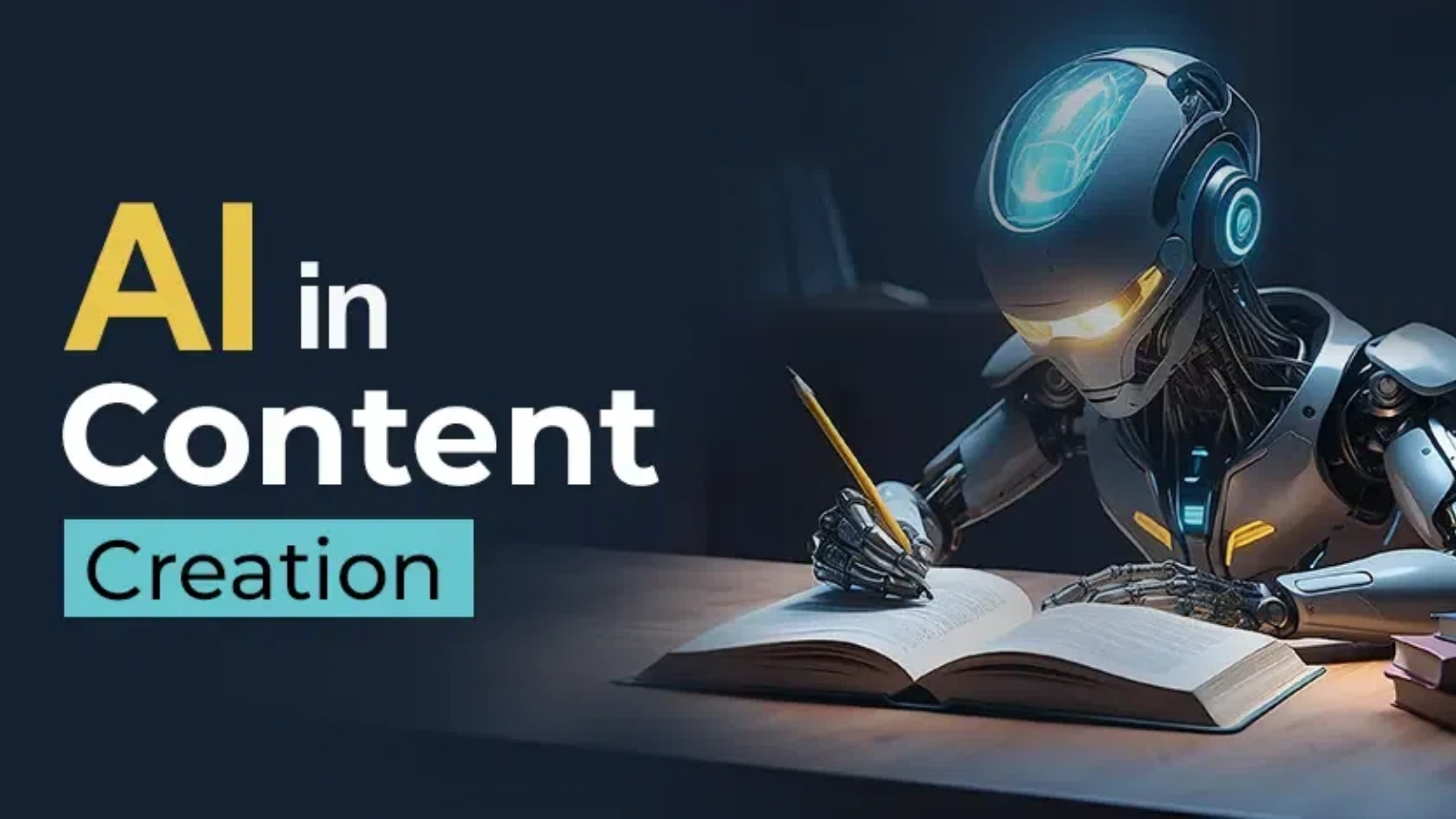
Content fuels digital marketing. But producing high-quality content consistently requires time and creativity.
That’s where generative AI marketing trends enter the picture.
AI tools now assist with:
- Blog drafting
- Social captions
- Email subject lines
- Ad copy variations
- Script generation
These tools accelerate workflows while maintaining performance standards. Instead of replacing marketers, AI enhances productivity and supports creative direction.
Brands that align content strategy with AI marketing trends scale faster and respond quickly to market demands.
Are AI Marketing Trends Reshaping Paid Advertising?
Absolutely. Paid advertising has evolved dramatically thanks to AI.
Modern systems automatically do the following:
- Optimize bidding strategies
- Test multiple ad variations
- Adjust audience targeting in real time
- Allocate budget to top-performing segments
This automation reflects core AI marketing trends driving efficiency in performance marketing.
At this stage, businesses often struggle with one specific challenge: creating compelling ad copy consistently across multiple platforms.
This is where introducing a smart solution like AdsGPT becomes highly relevant.
Within the broader discussion of AI marketing trends, ad copy automation deserves special attention. High-performing ads require:
- Platform-specific tone
- Clear value propositions
- Strong calls-to-action
- Continuous testing
Instead of relying solely on manual drafting, marketers can integrate AI-driven tools that simplify ad creation while improving effectiveness.
How Does AdsGPT Align With AI Marketing Trends?
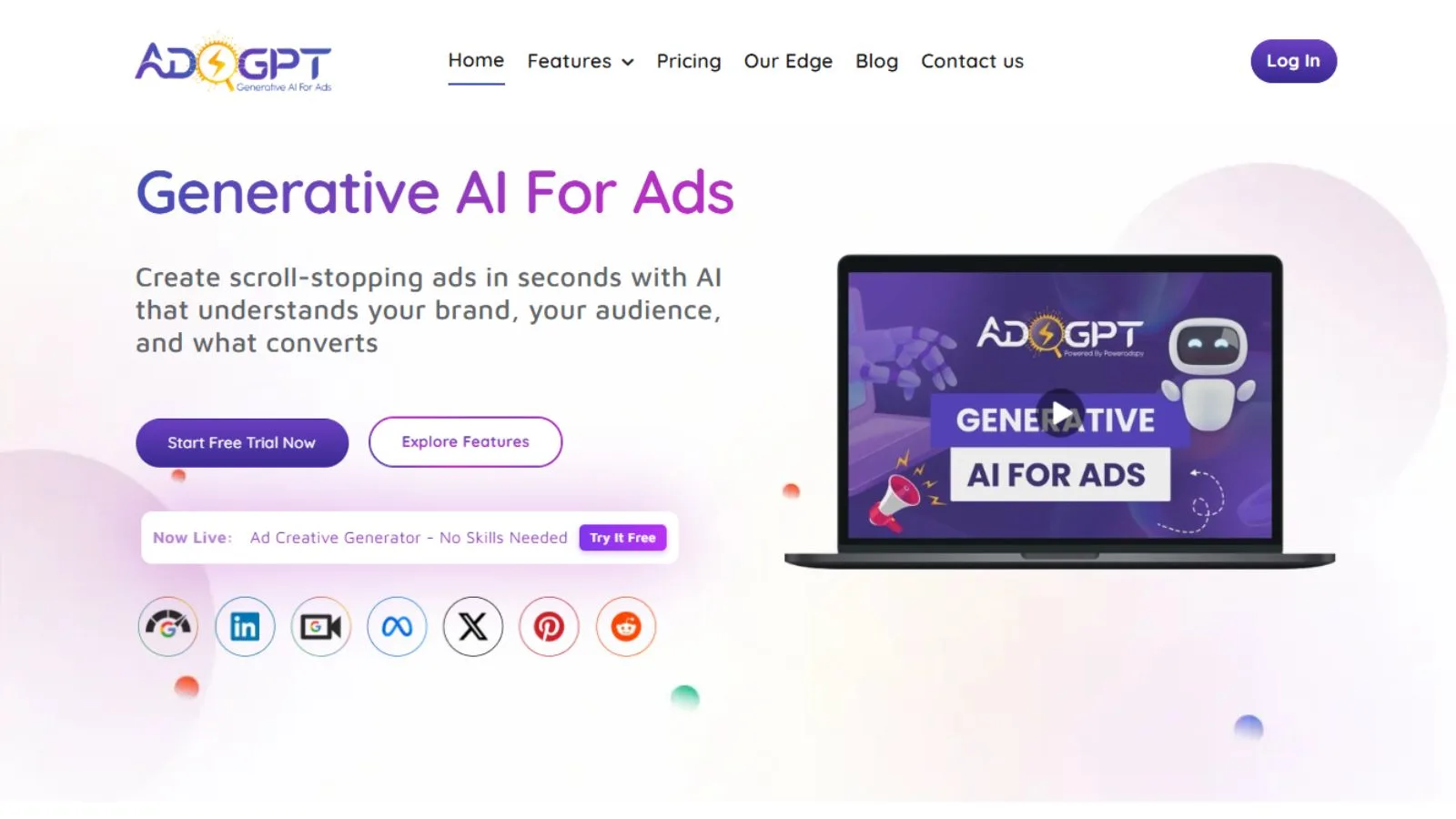
As AI marketing trends push toward automation and intelligent optimization, AdsGPT stands out as a powerful solution for ad copy creation.
What Is AdsGPT?
AdsGPT is an ad copy generative AI tool that enables marketers to generate compelling, high-performing ad copies within seconds without guesswork or advanced writing skills.
In a landscape dominated by AI marketing trends, AdsGPT directly addresses one of the most time-consuming aspects of digital marketing: writing optimized ads for multiple platforms.
What Features Make AdsGPT A Strategic Marketing Asset?
AdsGPT aligns perfectly with evolving AI marketing trends through its intelligent capabilities:
1. Instant Ad Copy Generation:
Create tailored ad copies for platforms such as Google, Meta, LinkedIn, Twitter, and more at lightning speed.
2. AI-Powered Creativity:
AdsGPT crafts engaging, conversion-focused ads based on your input and proven industry best practices.
3. Platform-Specific Optimization:
Each platform has unique requirements. AdsGPT generates ad copies optimized specifically for those formats, ensuring higher performance.
4. Competitor Ad Inspiration:
Analyze competitor ads, select the ones that stand out, and generate similar variations instantly.
5. Campaign History Tracking:
Access previously generated ad copies easily. Refine strategies, learn from past campaigns, and improve future performance.
These features demonstrate how tools like AdsGPT embody modern ai marketing trend by combining automation, optimization, and creative intelligence.
How Can AI Marketing Trends Improve Social Media Strategy?

Social media generates massive amounts of behavioral and engagement data every day. AI helps brands convert this raw data into meaningful, actionable insights that drive smarter decisions and stronger performance.
Marketers now use AI to:
Identify Trending Topics:
AI scans hashtags, conversations, and industry discussions in real time to detect emerging trends. This allows brands to create timely content that aligns with audience interests.
Analyze Audience Sentiment:
Advanced sentiment analysis tools evaluate comments, reviews, and mentions to understand how people feel about a brand, product, or campaign. This helps marketers adjust messaging and protect brand reputation.
Determine Optimal Posting Times:
AI analyzes past engagement patterns to identify when followers are most active. Posting at the right time increases visibility, reach, and interaction rates.
Predict Content Performance:
Before publishing, AI can estimate how well a piece of content may perform based on historical data and engagement trends. This enables smarter content planning and testing.
These capabilities enhance brand visibility, engagement, and consistency. Businesses that align their social media strategies with broader ai marketing trend achieve better audience targeting and stronger overall campaign outcomes.
Also Read:
How To Use An Ad Copy AI Generator To Boost Ads?
Are Conversational AI And Voice Search Shaping The Future?
Consumers increasingly rely on voice assistants and chat interfaces to interact with brands, making conversational AI a powerful force in modern marketing. AI-powered chatbots now provide 24/7 customer support, recommend products based on user preferences, and assist with order tracking in real time.
Continuous improvements in natural language processing allow these systems to understand context, intent, and conversational tone more accurately, creating smoother and more human-like interactions. At the same time, businesses optimize their content for voice search to match the way people speak rather than type.
These advancements play a crucial role in AI marketing trends, improving customer satisfaction while increasing operational efficiency through automation and instant response capabilities.
What Role Does Real-Time Data Play In AI Marketing Trends?
Marketing campaigns no longer operate on static timelines. AI enables adaptive campaigns that adjust based on real-time performance.
Instead of waiting for reports, marketers can:
- Modify messaging instantly
- Reallocate budget dynamically
- Optimize creative elements on the fly
- Respond to engagement spikes immediately
This responsiveness defines modern AI marketing trend and supports smarter growth strategies.
How Should Businesses Prepare For AI Marketing Trends 2026?
As we move toward the next wave of innovation, businesses must focus on:
- Data infrastructure optimization
- AI tool integration
- Team training and skill development
- Ethical AI implementation
Future-focused brands understand that AI marketing trends will continue evolving. Emotional AI, predictive personalization, and autonomous marketing systems will redefine customer engagement.
Companies that combine strategic thinking with intelligent tools like AdsGPT will remain agile and competitive.
What Are The Latest Trends In AI For Marketing?

When leaders ask, what are the latest trends in AI for marketing, the answer centers on deeper automation, smarter personalization, and enhanced creative support.
The strongest AI marketing trend today include-
- Predictive customer modeling – Uses data patterns to forecast customer behavior and buying intent.
- AI-powered content generation – Creates high-quality blogs, ads, and emails quickly and efficiently.
- Advanced ad optimization – Automatically adjusts targeting, bids, and creatives for better performance.
- Behavioral analytics – Analyzes user interactions to improve engagement and personalization.
- Platform-specific automation – Tailors marketing strategies according to each platform’s unique algorithm and audience behavior.
These trends reshape how brands interact with audiences and measure success.
Final Thoughts
AI does not replace marketers. It empowers them.
From personalization to predictive analytics, from performance marketing to intelligent ad creation, AI marketing trends continue transforming the industry.
Businesses that integrate AI strategically gain speed, precision, and scalability. Those who resist risk are falling behind in an increasingly data-driven ecosystem.
The future of marketing belongs to brands that combine creativity with intelligent automation and leverage tools like AdsGPT to turn strategy into measurable growth.
FAQs
1. How can small businesses adopt AI without large budgets?
Small businesses can start with affordable AI tools that automate specific tasks such as email marketing, chatbots, or ad copy generation. Many SaaS platforms offer scalable pricing models, allowing companies to begin small and expand as they grow. The key is to focus on one high-impact area first, such as customer targeting or campaign optimization.
Do AI marketing tools require technical expertise to operate?
Most modern AI marketing platforms are designed with user-friendly dashboards and guided workflows. While advanced customization may require technical support, everyday marketing teams can operate many AI tools without coding skills. Proper onboarding and short training sessions usually ensure smooth implementation.
How can businesses measure the success of AI-driven campaigns?
Companies should track key performance indicators such as conversion rates, cost per acquisition, engagement rates, and customer lifetime value. Comparing AI-optimized campaigns with traditional campaigns helps evaluate performance improvements and ROI.
MOST POPULAR