Take a moment to consider all of this.
When you scroll through Instagram, you see ads that you would actually buy if you were given the opportunity, and when it comes to Netflix, they know what to recommend for your next binge-watch session. There are even times when the email from a company feels eerily spot on for you. The reason? AI in marketing.
Brands are using marketing AI to understand consumer behaviour and deliver ads, rather than doing everything manually.
Whether it’s a chatbot or the correct product being shown at the correct time, the use of marketing using AI is more accurate.
At the end of the day;
Marketing and AI are now the same, and the use of AI in marketing does not mean marketers will not go away; it simply allows marketers to be more effective in their work by doing all of the work for them and providing insight into what has the potential of being successful.
This blog will discuss some of the benefits of AI in marketing, as well as how AI is being used and what the future holds for AI in marketing. This blog will be a great reference for students or newcomers, and anybody else interested in the marketing of brands.
Tap to hear the blog
What Is AI In Marketing?
The use of AI in marketing is to assist marketers using Artificial intelligence to improve their decisions towards marketing performance & results.
Rather than doing everything manually, organizations can use ai based tools to identify consumer behaviors. It would help them to enhance their marketing strategies to ensure better conversions.
Before the advent of AI into marketing, marketers had to rely heavily on their instincts and conjecture. Their strategies were shaped by past customer behavior, which didn’t always work in a rapidly changing market.
Alternatively
The use of current data with AI technologies calculates the total number of clicks on a website, how many time item has been searched for on the Internet, how many times an item has been viewed online, and how many times the item has been purchased.
AI generates recommendations to show brands the most effective way to market products or services to consumers (i.e., to show the right message to the right person at the right time).
For example, when a website automatically recommends products to individuals based on their usage of the website, or when an email is sent to individuals with a person’s first name and/or product/service preferences, or when an individual uses a chatbot that responds to them instantaneously.
The key distinction between traditional methods of advertising/marketing and AI-enabled methods of marketing/advertising is speed and accuracy. Human beings (marketers) require significant time to analyse data, whereas AI systems can process vast amounts of data in a matter of seconds (or in real time).
As a result, organisations using AI-based tools can respond more quickly to changes in the marketplace as well as limit their expenditure on unsuccessful advertising/marketing campaigns.
The relationship between AI and marketing is about making the marketing process more successful through the assistance of superior technological tools.
How Businesses Are Using AI In Marketing
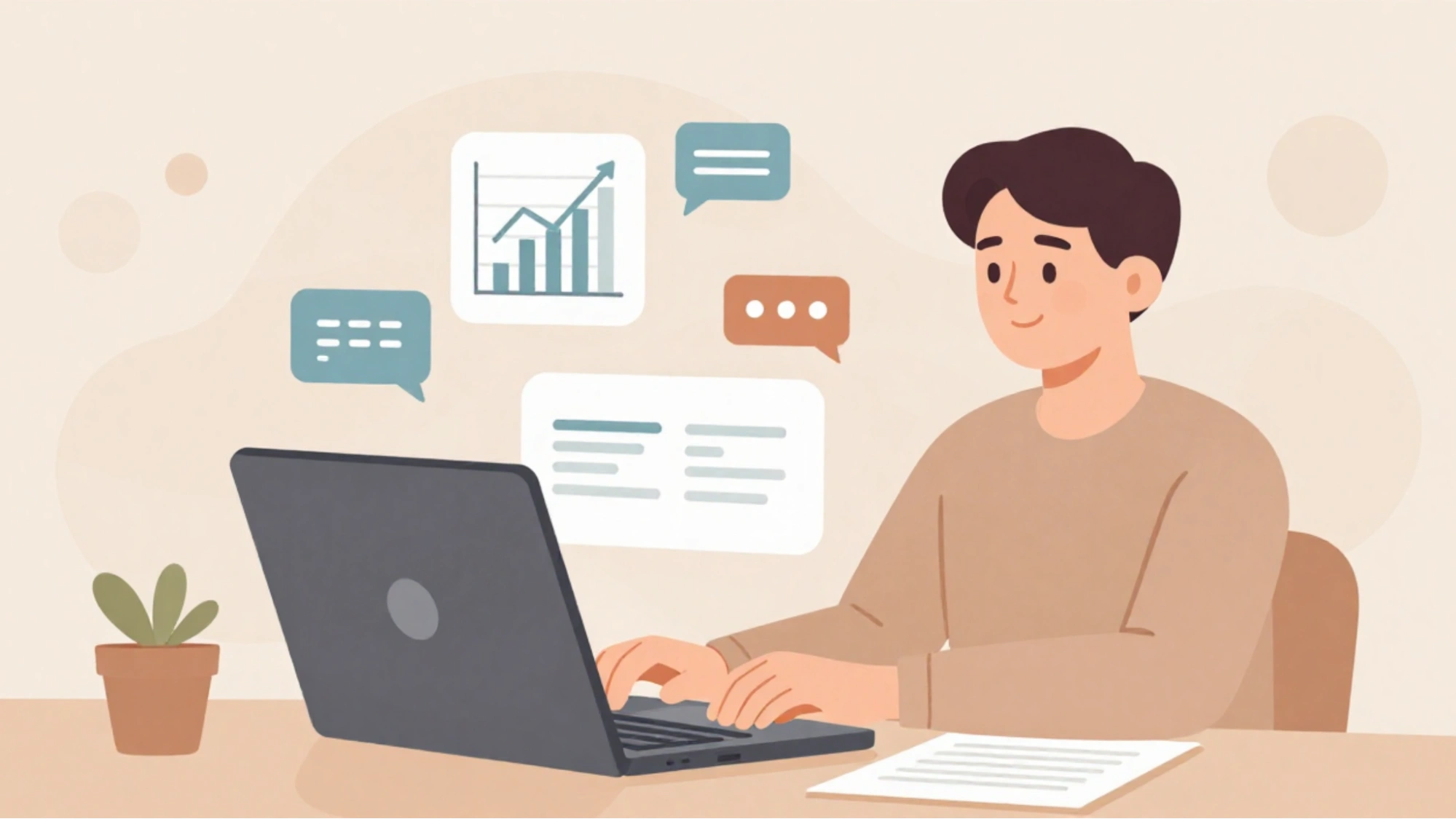
One major application of AI technology for global corporations is figuring out who their customers are.
By using AI to analyze user behavioral data from websites, companies can classify users based on commonalities such as interests, habits, and spending behaviors, which allows brand marketers to interact with and communicate with each group of users according to their similarities. Thus, increasing brand storytelling and positively influencing user interaction with brands.
A second major application of AI technology for marketers around the world is personalized messaging. Companies use AI algorithms to customize marketing messages sent to consumers in many different ways.
For example, two different consumers who view the same brand advertisement (for example, an online advertisement). Each of those two customer recipients may see a different graphic/image associated with the advertisement or provide a different branded offer based upon that consumer’s specific attributes.
A third application of AI for many marketers is the design and placement of online advertising. Several AI algorithms assist in the identification of appropriate display placements, determining when to execute/display ads, and effectively managing the cost per ad displayed rate. As a result, these state-of-the-art applications are minimizing advertising dollars as well as generating increased return on advertising investment without requiring continuous oversight by personnel.
The fourth major use of AI technology is customer service/support.
Chatbots are used in many industries to answer basic questions, guide users on how to navigate websites, and prepare for an eventual sale. Chatbots will engage consumers and significantly reduce redundancy for many customer service representatives providing customer support.
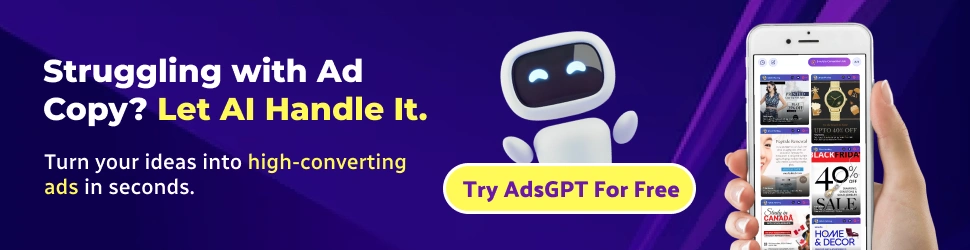
Popular Marketing AI Tools Businesses Use
Even if you have limited technical skills, using AI does not require any specialized knowledge.
You can also find a wide variety of AI tools to address your daily business needs; many of these tools are quite user-friendly.
One example of a very commonly available tool is a content generation tool (i.e., ChatGPT) for content generation that can help write social media posts, emails, and blog post ideas. However, the added benefit of using an AI tool is that it can generate multiple ideas.
A very popular category of AI tools is advertising and advertising performance optimization. These types of tools manage advertising campaigns by suggesting how to allocate advertising budgets, who to target, and which version of the ad is performing.
Using AI tools can also assist with email marketing and increase engagement with customers. By using AI, you can determine when to send Email campaigns, subject line suggestions, and customize content according to user behavior.
Businesses are increasingly utilising AI within Customer Relationship Management (CRM) software and analytics tools. These types of tools offer insight into customer behaviour, identify high-quality leads, and identify prospective customers based on likelihood to purchase. Using these tools enables sales and marketing departments to target their efforts more effectively.
Businesses only use AI tools that are aligned with their objectives and help solve real business problems, rather than simply adding more complexity to the overall functionality of their business. Therefore, organisations must be careful not to use too many AI tools simultaneously.
Read more
AI Sales Copy Generators: The Future Of Persuasive Marketing
Best AI Tool For Marketers
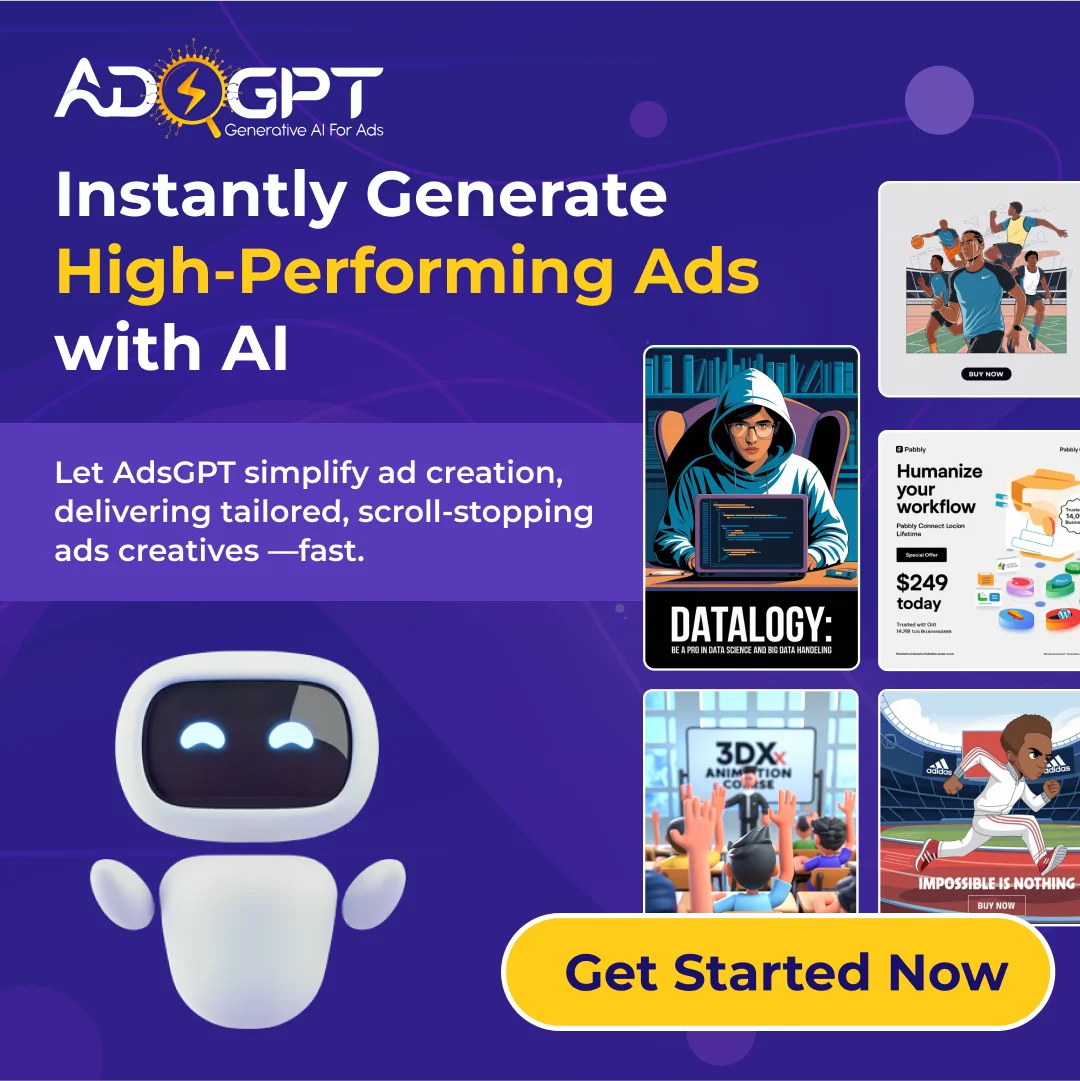
There is a multitude of AI solutions available, but only a small number stand apart from the rest in terms of usefulness and capability. As the impact of AI on all business disciplines continues to grow, the relevance (and strength) of one particular tool – AdsGPT – is becoming an integral component of many AI-driven marketing strategies.
AdsGPT is an Generative Ai tool that was made specially for marketers who want to create ads quickly and more smartly. Instead of spending hours writing ad copy and testing ideas, this tool helps generate ad content in just a few minutes.
Key Features of AdsGPT
- Creates ad copies instantly using AI
- Helps generate multiple ad ideas for testing
- Works for different ad platforms
- Saves time in ad creation and planning
- Easy to use, even for beginners
- Helpful for marketers, startups, and small businesses
Challenges And Risks Of Using AI In Marketing
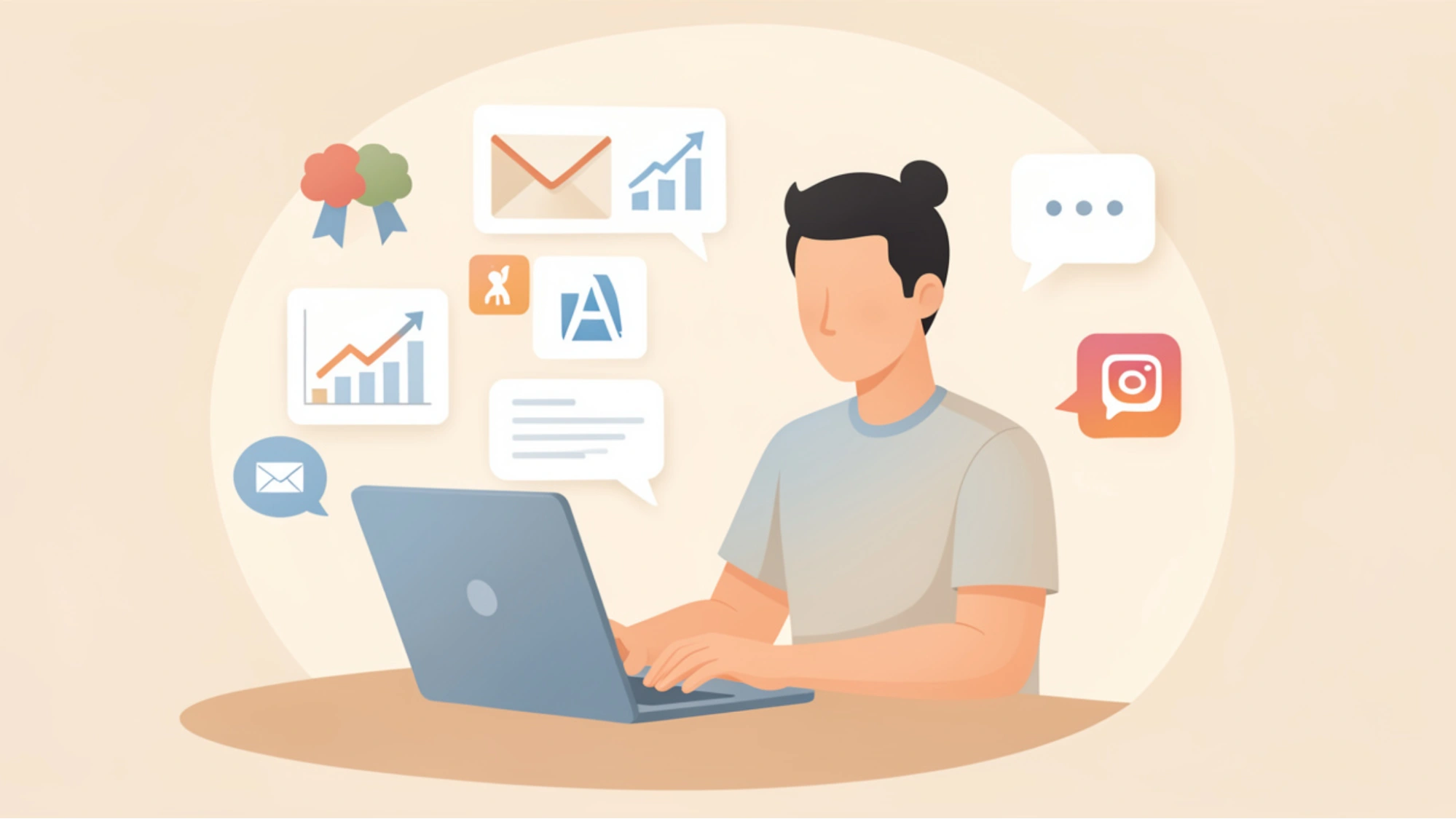
Although artificial intelligence (“AI”) tools utilize customer data to enhance their performance, if this customer information is not properly handled, it may result in data privacy issues and loss of consumer confidence.
Due to the nature of large data storage, there are always risks associated with the security of the stored data. Poorly managed data could lead to the disclosure of personal information or the abuse of customers’ private data.
Artificial intelligence systems learn from existing data; thus, if that data contains bias, then the results generated by the AI system could lead to biased results with respect to the target audience or exclude certain groups from marketing communications.
When there is no transparency in how artificial intelligence is used, customers may feel misled and therefore do not believe they should know when artificial intelligence is being used in marketing and communications.
If businesses depend too much on artificial intelligence to perform tasks that a human being would normally perform (for example, creative thinking and/or good decision-making), creativity and judgment as aspects of human behavior will decline.
Artificial intelligence does not consistently provide truthful information; there are times when the output generated by an artificial intelligence algorithm is incorrect or fails to provide informative data.
Therefore, when companies use artificial intelligence to generate advertisements and/or marketing content, they will still require a careful review by a human being to ensure the accuracy of the content and to minimize the possibility of negatively impacting their brand safety, as mistakes made by the AI could become public.
However, successfully realizing returns from artificial intelligence (both sales and marketing) requires time, experimentation, and a foundation of quality data.
Conclusion
AI is now a regular part of modern marketing. From understanding customers to running better ads and creating content quickly, AI in marketing helps businesses get better results without guessing.
AI does not replace marketers. It supports them. Marketing and AI work best together. AI handles data, automation, and insights, while humans focus on ideas, planning, and decision-making. When used properly, marketing with AI saves time, improves performance, and reduces wasted effort.
At the same time, AI must be used carefully. Businesses need to protect customer data, be transparent, and keep human control to avoid mistakes. AI works best when it is guided by clear goals and regular checks.
The future of AI in marketing is strong and growing. Brands that start using AI now will be better prepared to stay competitive and connect with customers in smarter ways.
For students, beginners, and businesses, learning about marketing AI today is an important step toward success in digital marketing.
Frequently Asked Questions (FAQs)
Do small businesses really need AI for marketing?
Yes. Even small businesses can benefit from the use of AI. Many AI tools are affordable and help save time, especially for advertisements, content, and customer replies. A large team is not required to start using AI.
Is AI in marketing expensive to implement
Not always. Many marketing AI tools offer free or low-cost plans. Businesses can start small and upgrade only when they see the results. The cost is often lower than that of hiring extra staff or agencies.
Can AI help marketers who are not technical enough?
Yes. Most modern marketing AI tools are designed for non-technical users. You do not require coding skills. If you can use basic software, you can easily use AI tools.
How long does it take to see results from the use of AI in marketing?
The results depend on the goals and data quality. Some improvements, such as faster content creation, are immediate. Performance-based results, such as better conversions, usually require time and testing.
MOST POPULAR