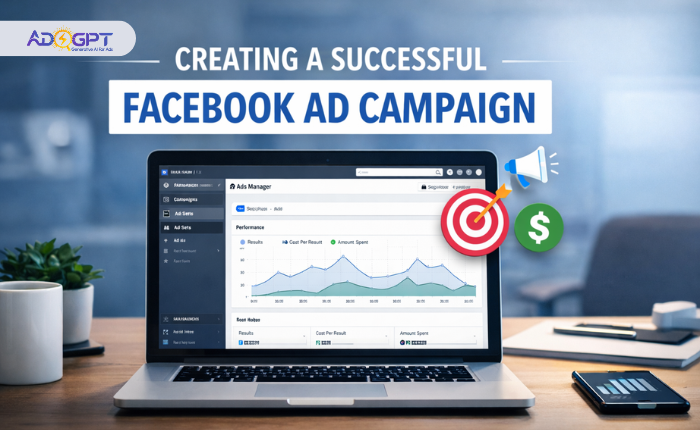
Most businesses don’t struggle with access to advertising tools. They struggle with clarity, especially when trying to figure out how to create a Facebook ad that actually produces measurable results. The platform gives you powerful features, but it doesn’t automatically give you direction.
If you’ve ever opened Ads Manager and felt overwhelmed by campaign objectives, audience targeting layers, placement options, and creative formats, you’re not alone. The interface makes it look simple, yet every decision influences cost, reach, and performance. The real challenge isn’t clicking buttons or launching a campaign. It’s understanding how to create a Facebook ad that earns attention in a crowded feed, motivates someone to take action, and ultimately justifies your ad spend.
This guide walks you through the strategy behind the setup. Not just what to do but why each step matters, when certain approaches work better than others, and how to avoid the quiet mistakes that drain the budget without delivering results.
Start With the Right Question

Before you even think about visuals or targeting, ask yourself this:
What do I want this ad to accomplish?
Too many campaigns fail because the objective is vague. “Get more sales” isn’t a strategy. It’s a wish. When people search how to create a Facebook ad campaign? They’re usually looking for steps. But the steps only matter if the direction is clear.
Facebook’s system forces you to choose an objective: awareness, traffic, leads, sales, or engagement. That choice determines how the algorithm optimizes delivery.
If you want purchases, choose a conversion-focused objective. If you want attention, choose reach or engagement. The platform will optimize differently based on that selection.
Clarity at this stage makes everything else easier.
Understand the Structure of a Facebook Ad Campaign
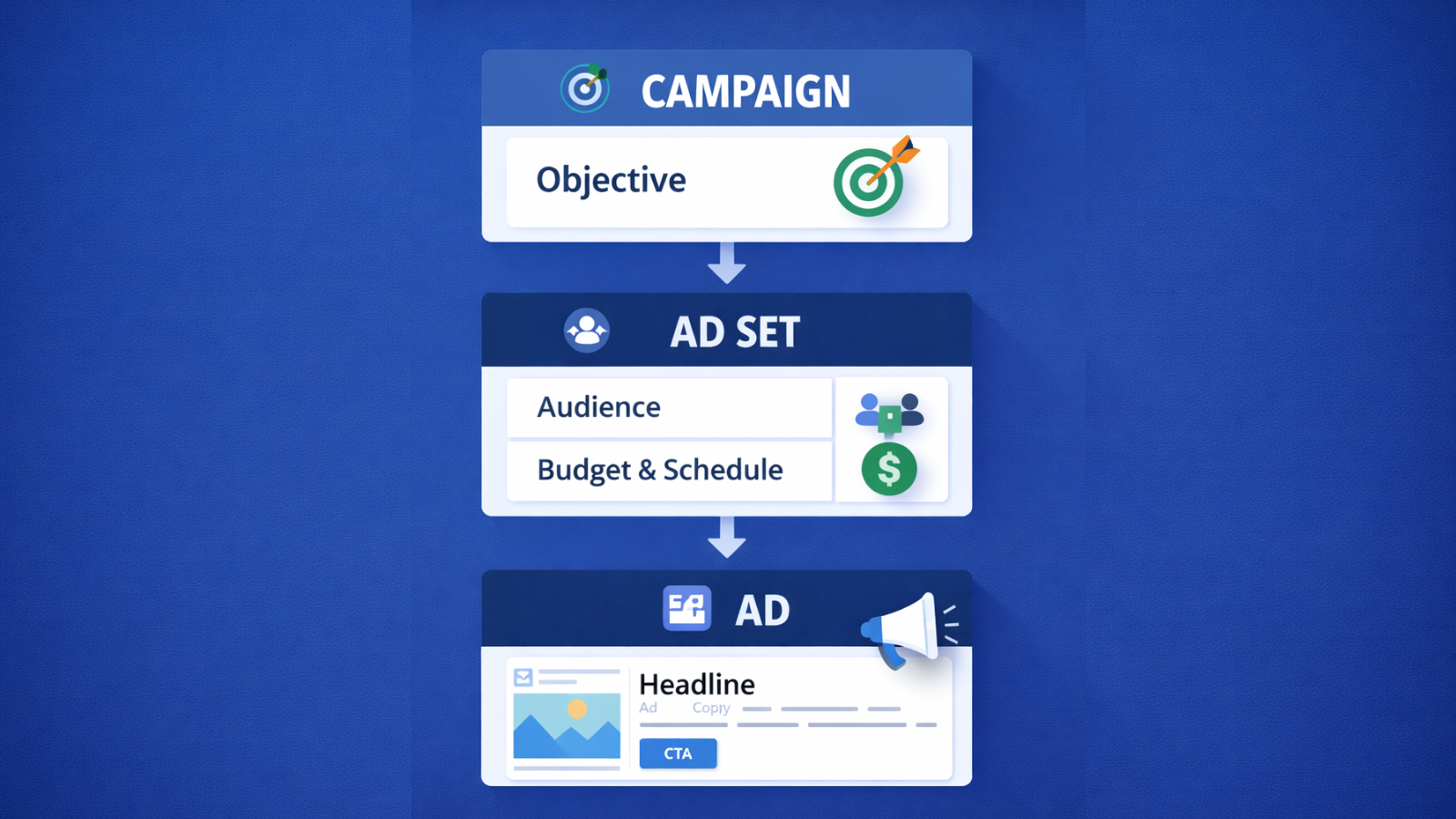
Before we go into execution, it helps to understand the architecture. A Facebook ad campaign has three levels:
- Campaign: Your objective
- Ad Set: Audience, budget, schedule, placements
- Ad: Creative (image/video), headline, copy, call-to-action
Think of it like this:
The campaign defines the goal.
The ad set defines who sees it and how often.
The ad defines what they see.
When people ask how to create a Facebook ad campaign step by step, they often skip understanding this structure. That’s where confusion starts.
How to Create a Facebook Ad Without Wasting Budget
Let’s walk through the practical flow.
1. Choose the Objective Strategically
Your objective tells Facebook what result to optimize for.
If you’re selling a product and choose “Traffic” instead of “Conversions,” you may get clicks but not buyers. The algorithm delivers based on likely behavior.
If you want to create a successful Facebook ad campaign, align your objective with your end goal.
- Selling something? Choose Sales or Conversions.
- Generating leads? Choose Lead Generation.
- Building visibility? Choose Awareness or Engagement.
Don’t choose based on what sounds impressive. Choose based on the outcome.
2. Define Your Audience With Intent
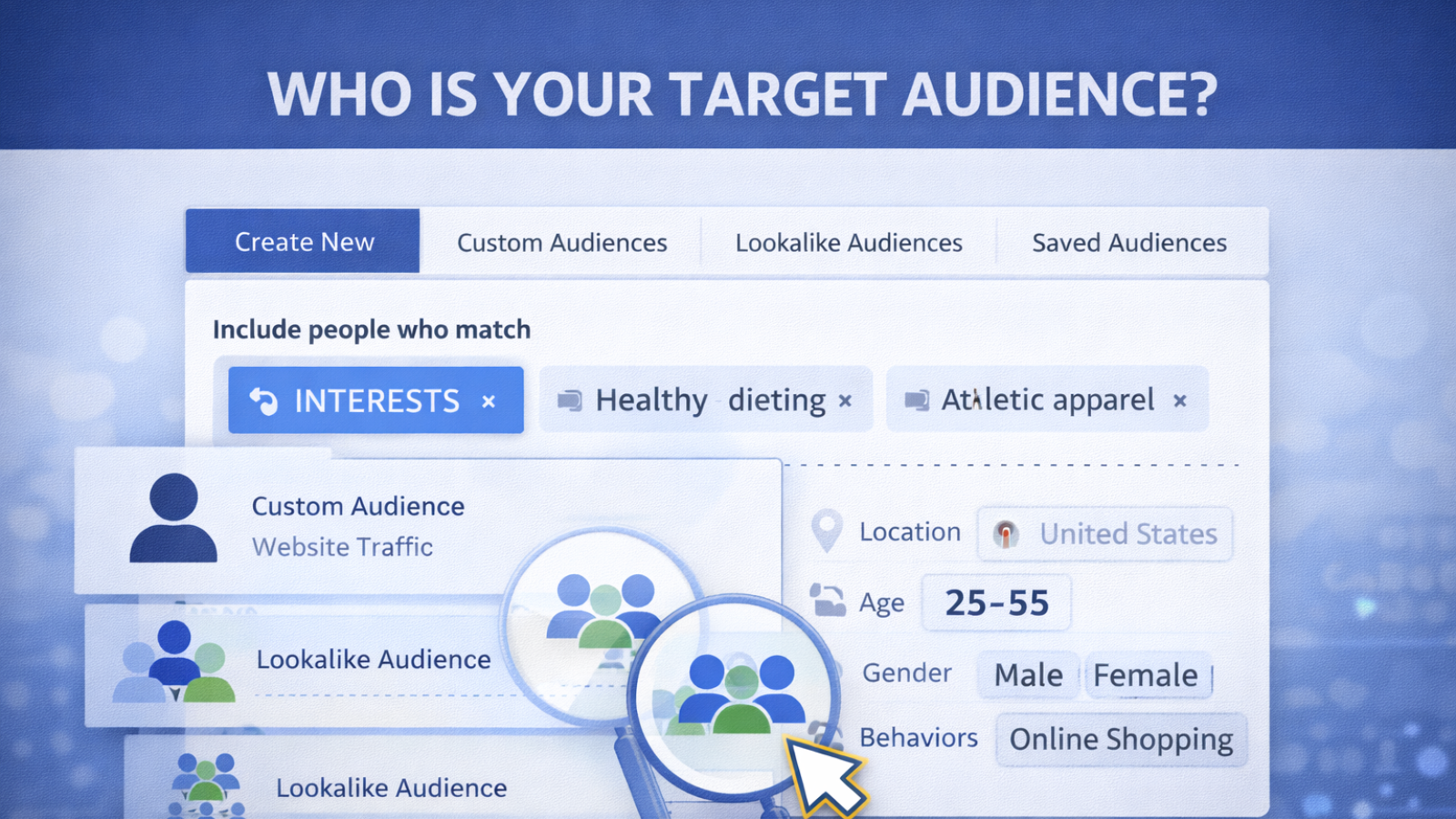
Audience targeting is powerful and often misunderstood. Many beginners over-target. They narrow their audience too much, thinking precision guarantees performance.
In reality, overly tight audiences restrict learning. Facebook’s AI performs better with room to optimize. Start broader than you think.
Then refine based on data. You can target by:
- Demographics
- Interests
- Behaviors
- Custom audiences (website visitors, email lists)
- Lookalike audiences
If you’re new, test interest-based audiences first. Once you collect data, move into retargeting and lookalikes. That’s when performance often improves significantly.
3. Set a Budget That Allows Learning
Budget anxiety is real.
But here’s the truth: underfunded campaigns rarely perform well.
The algorithm needs data to optimize. If you run $5 per day on a sales campaign, it may never exit the learning phase. A practical rule? Allocate enough budget to generate at least 50 conversion events per week if possible. If that’s unrealistic, adjust expectations and focus on earlier funnel objectives.
Smart budgeting is central to how to create a Facebook ad that scales.
4. Craft a Creative That Interrupts the Scroll
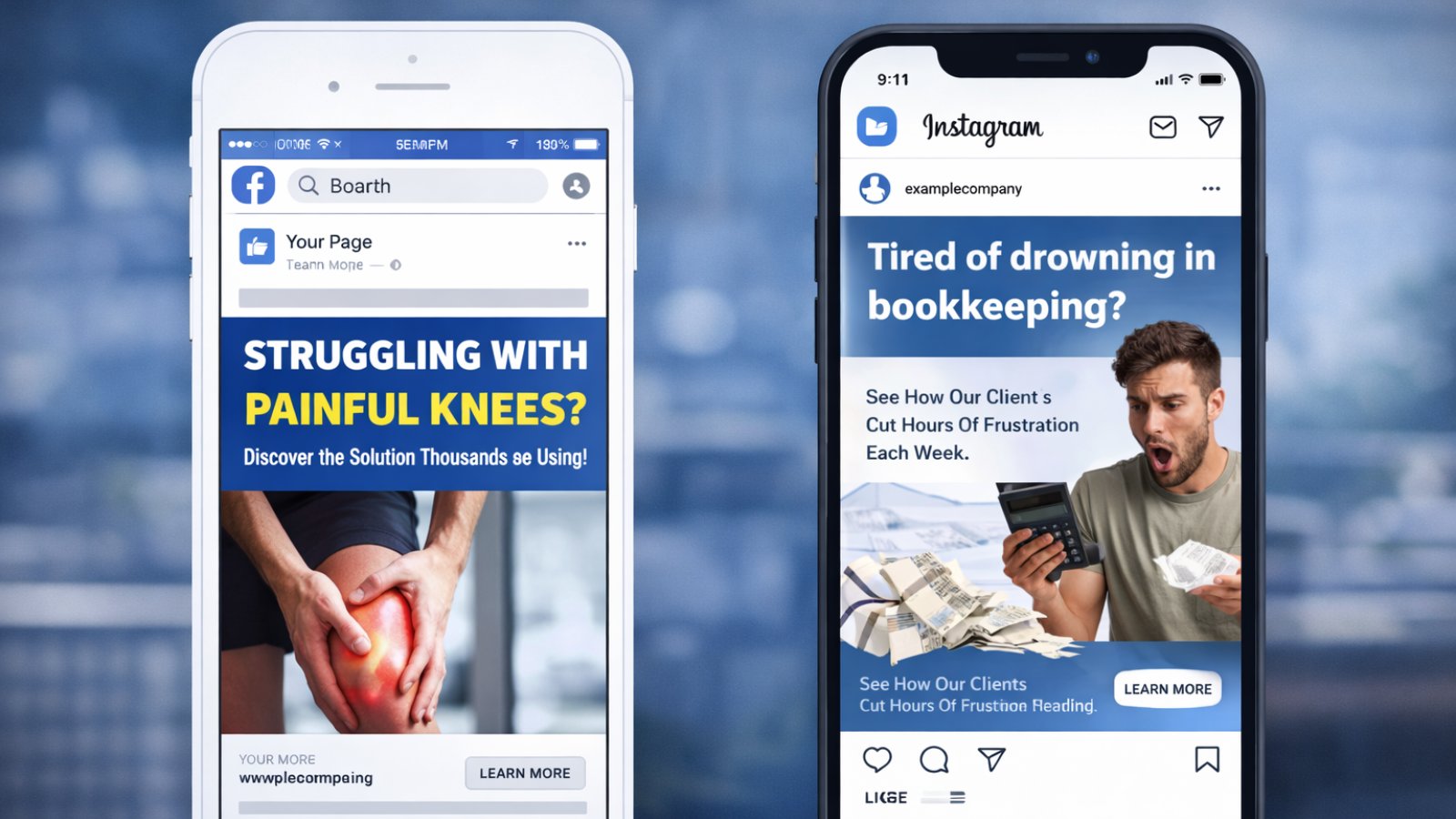
Your targeting can be perfect. Your budget can be solid. But if your creativity is weak, none of it matters. People scroll fast. Your ad must earn attention within seconds.
Strong creativity usually includes:
- A clear visual focal point
- A compelling hook in the first sentence
- Direct benefit-driven messaging
- One clear call to action
Avoid vague statements like “We offer quality services.” That means nothing.
Instead say:
“Cut your bookkeeping time in half without hiring.”
5. Write Copy That Speaks to One Person
The biggest copy mistake? Trying to talk to everyone.
If your audience is small business owners, speak directly to that reality. Mention their daily frustrations. Show you understand their context.
Good ad copy:
- Identifies a problem
- Agitates it slightly
- Offers a solution
- Removes friction
When learning how to create a Facebook ad, focus less on clever wording and more on clarity.
Testing: Where Campaigns Are Won or Lost
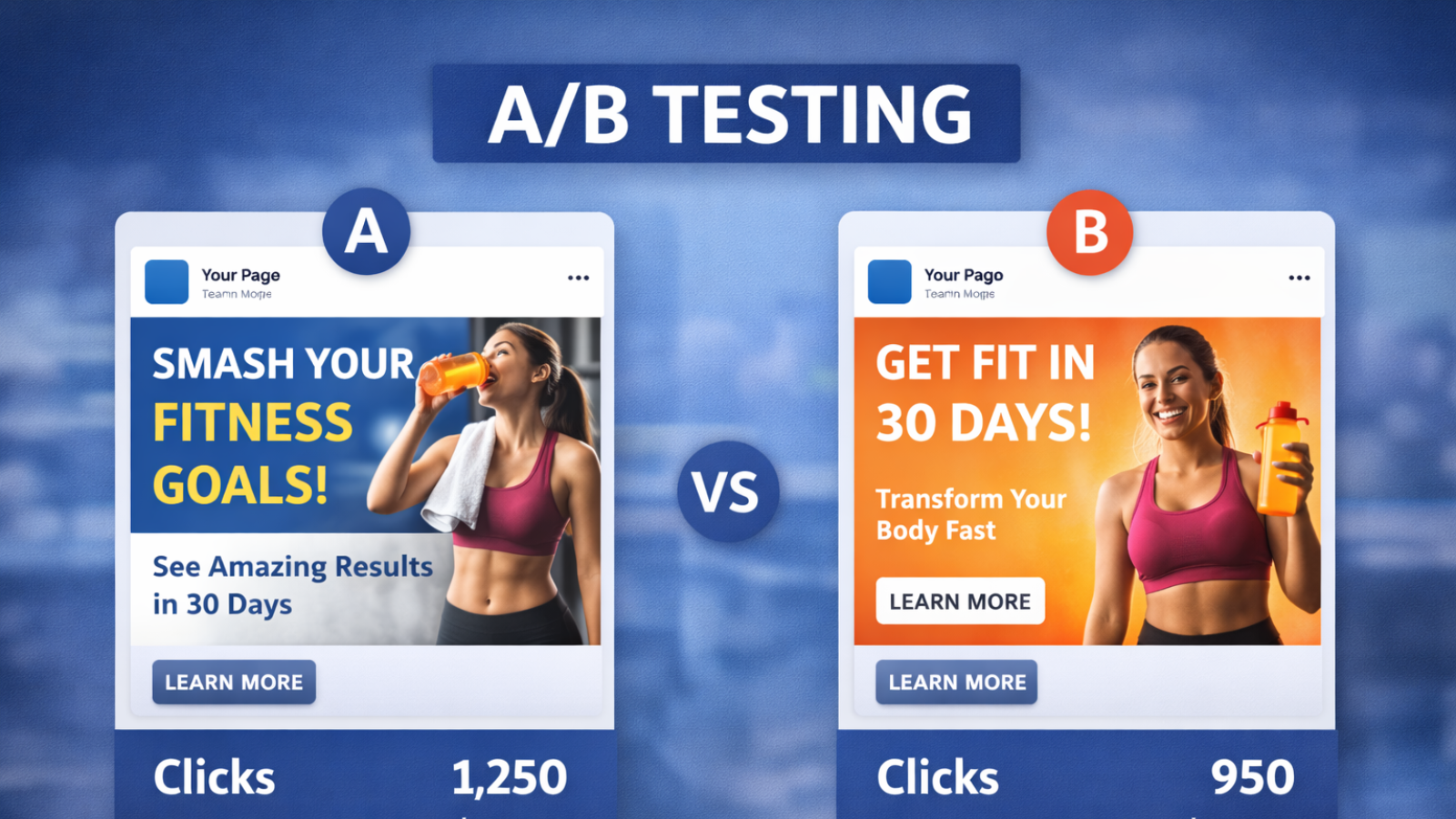
Most advertisers launch one ad and hope it works. That’s not a strategy. That’s guessing. If you want to create a successful Facebook ad campaign, testing must be systematic. Test:
- Two headlines
- Two creatives
- Two audience segments
Keep everything else constant. Then analyze the results. Don’t make emotional decisions. Let data guide you. But also understand context. A high click-through rate with low conversions often means your landing page isn’t aligned with your ad.
The ad’s job is to create intent. The page’s job is to fulfill it.
Optimization: The Overlooked Skill
Launching isn’t the finish line. Optimization is ongoing. Monitor:
- Click-through rate
- Cost per click
- Cost per result
- Conversion rate
- Frequency
If frequency rises and performance drops, your audience may be fatigued. If clicks are high but sales are low, revisit your offer. Optimization is less about drastic changes and more about small, strategic adjustments.
This is where experience compounds.
A Smarter Way to Build Stronger Facebook Ads
Creating high-performing ads consistently is hard. Not because the platform is complicated, but because creative fatigue sets in fast. You run out of angles. Headlines start sounding similar. Testing becomes random instead of strategic.
This is where structured creative support makes a difference.
AdsGPT
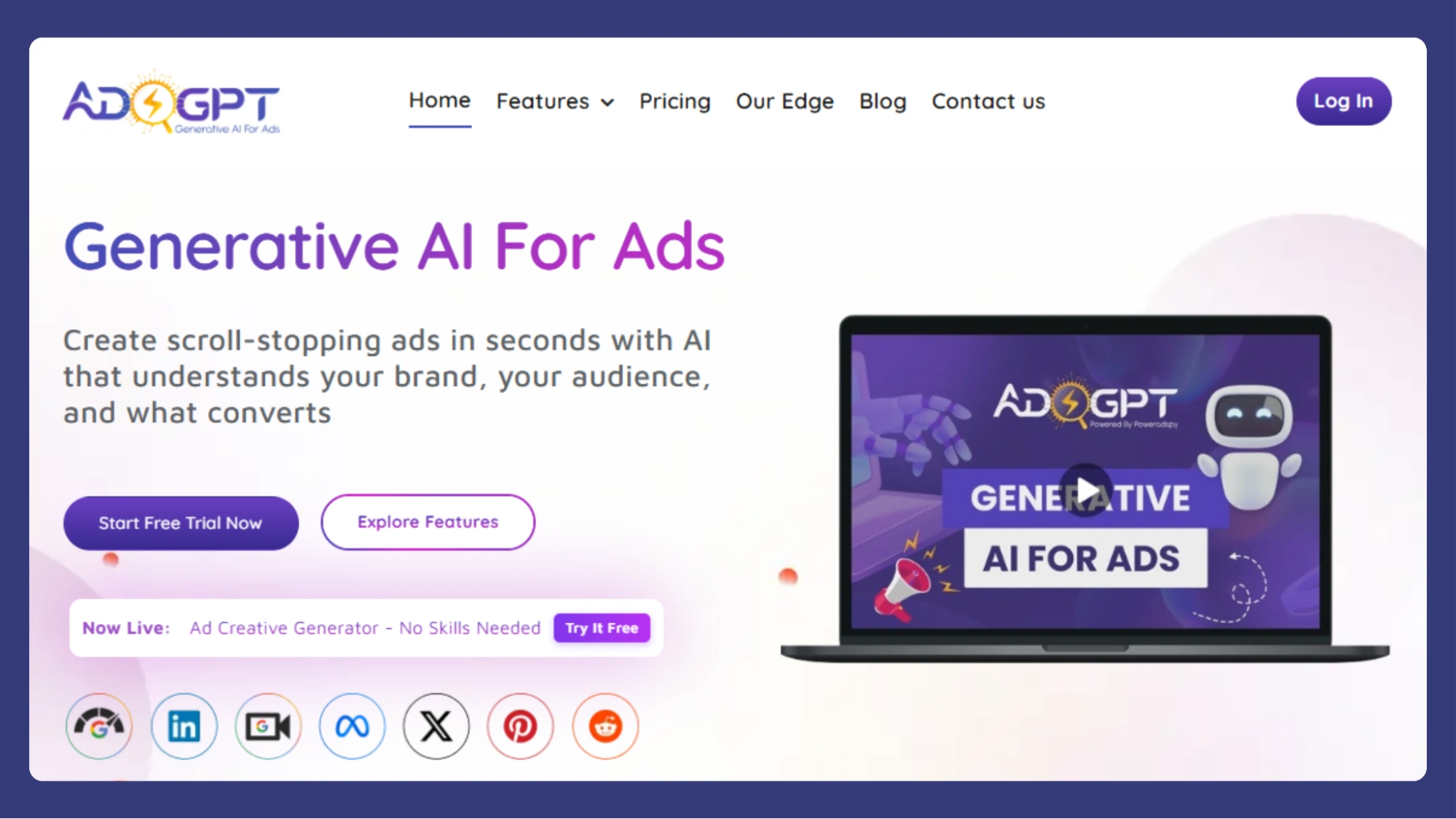
AdsGPT is designed specifically to improve and generate high-performing ad creatives using proven conversion principles. Instead of giving generic suggestions, it structures ideas around psychology, clarity, and testing logic.
Here’s how it supports you when learning how to create a Facebook ad that stands out:
- Generates multiple hook angles based on real audience pain points
- Creates headline variations built for structured A/B testing
- Suggests messaging frameworks aligned with different funnel stages
- Refines ad copy for clarity, persuasion, and scroll-stopping impact
- Helps avoid repetitive creative fatigue by expanding angles strategically
What makes this especially useful is speed. When you need fresh variations quickly, structured idea generation prevents guesswork.
It doesn’t replace strategy. You still need to understand your offer and audience. But it removes creative bottlenecks and helps you test more intelligently, which is essential if you want to create a successful Facebook ad campaign consistently.
When building campaigns at scale, efficiency matters. Tools that sharpen thinking instead of replacing it are the ones that create long-term leverage.
Read More!
When Facebook Ads Work And When They Don’t
It’s important to be realistic.
Facebook ads work best when:
- You have a clear offer
- Your landing page is strong
- You can test consistently
- Your audience has buying intent
They struggle when:
- The offer is weak
- The product-market fit isn’t validated
- The budget is too small
- Expectations are unrealistic
No ad system can fix a broken offer.
Understanding this saves money and frustration.
Bringing It All Together
When someone asks how to create a Facebook ad, they’re usually not just asking where to click or how to hit the “Boost Post” button. What they really mean is how to build something that actually works.
It is not just about boosting a post. It is about building a system behind the ad. The objective needs to match the outcome you want. The audience should reflect the people most likely to care. The creative has to capture attention and communicate value quickly. Budgets need to be allocated thoughtfully, and testing should be ongoing rather than treated as an afterthought.
When all of these elements are aligned, campaigns tend to improve over time because you are learning and refining with each iteration. When they are not aligned, results can feel inconsistent and difficult to explain.
It is not about luck or quick tricks. It comes down to structure, clarity, and a system that guides your decisions.
FAQ
1. How much should I spend when starting a Facebook ad campaign?
Start with a budget that allows meaningful data collection. If running a conversion campaign, aim for enough spend to generate consistent weekly events.
2. Is it better to use automatic or manual placements?
Automatic placements usually perform better for beginners. Facebook’s algorithm distributes budget efficiently across placements based on performance.
3. How long should I run an ad before making changes?
Allow at least 3-5 days for data collection before optimizing, unless performance is clearly poor. Avoid reacting too quickly.
4. Can I create a successful Facebook ad campaign without video?
Yes. High-quality static images still perform well. However, video often improves engagement and storytelling when done properly.
5. What’s the biggest mistake beginners make?
Choosing the wrong objective or changing campaigns too frequently. Consistency and structured testing lead to better results. Creating effective ads isn’t complicated. But it requires thought.
If you focus on clarity, testing, and alignment, you’ll not only learn how to create a Facebook ad – you’ll learn how to make it perform.

MOST POPULAR