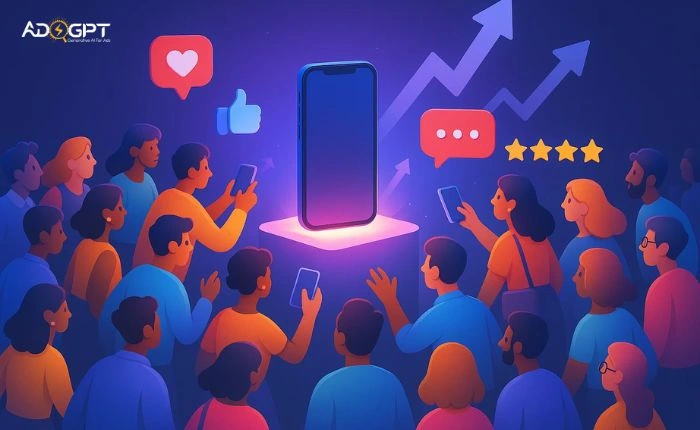
Have you ever bought something just because “everyone else was getting it”? Maybe it was a trending gadget, a bestselling book, or a product your favourite influencer kept mentioning. That’s the power of bandwagon advertising, a marketing tactic built on the simple idea that people feel more confident choosing something popular.
As humans, we naturally look for cues from others before making decisions. When we see that millions have already purchased a product or that a brand is the “#1 choice,” it instantly feels safe and trustworthy. Brands know this behaviour very well, which is why they use popularity-based messages to boost credibility and sales.
In today’s hyper-connected world, trends spread faster than ever. One viral post or a few positive reviews can push thousands of people to join in. And that is exactly what makes bandwagon-style marketing so effective for modern brands.
You can listen to this blog here.
What Is Bandwagon Advertising? 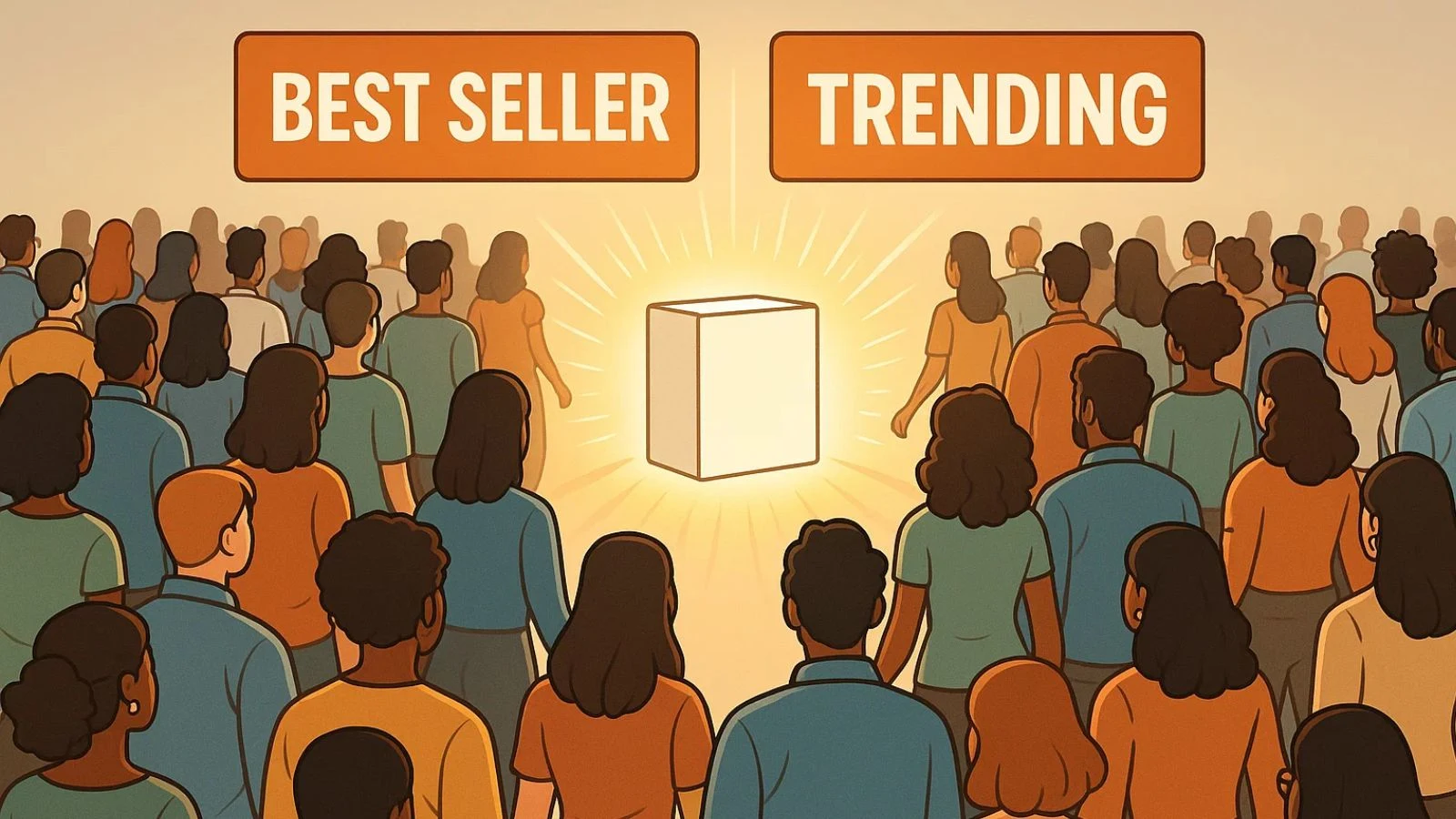
At its core, bandwagon advertising is a marketing technique that persuades people to buy a product or service because “everyone else is doing it.” Instead of focusing on features or specifications, this approach highlights popularity, trends, and the number of people already using the product.
If you’ve ever come across phrases like “Join millions of satisfied customers” or “The most trusted brand of 2025,” you’ve already seen how marketers use this tactic. It taps directly into social behaviour; people feel more comfortable choosing something that many others have already approved.
In simple terms, what is bandwagon advertising?
It’s a strategy that encourages customers to hop on the trend, trust the crowd, and make a purchase because they don’t want to be left out. This method works across industries because humans naturally respond to what feels familiar, popular, and widely accepted.
Why Bandwagon Advertising Works The Psychology Behind It?
Bandwagon advertising works because it taps into a powerful psychological phenomenon known as the bandwagon effect. This effect describes how people are more likely to adopt an idea or buy a product when they see many others doing the same. It’s human nature we feel safer following the majority.
When customers see that a product is trending, ranked highly, or used by millions, their trust automatically increases. They assume that if so many people approve it, it must be good. This reduces hesitation and speeds up decision-making.
There’s also a strong emotional element involved. People don’t want to miss out on popular trends, so messages that highlight popularity create a subtle sense of urgency. At the same time, following what others choose gives a sense of belonging — as if you’re joining a community of people who made the “right” choice. Because of these psychological triggers, bandwagon advertising often delivers better conversions compared to traditional persuasion tactics.
Bandwagon Advertising Examples – How Brands Use It
Brands across every industry use bandwagon-style messaging because it instantly builds trust and pushes customers toward action. You’ve probably seen several bandwagon advertising examples without even realizing it. For instance, eCommerce websites often show badges like “Bestseller,” “Most Popular Choice,” or “Trending Now.” These labels create the feeling that many shoppers are buying the same item — and you should, too.
Streaming platforms also do this well. When you see tags like “#1 Most Watched This Week,” it signals that millions are tuning in, which naturally makes the content more appealing. Even fast-food chains use the technique. Think of campaigns saying “Over 99 billion served,” which highlight massive customer numbers to build credibility.
On social media, influencers often show how many people use a product through challenges or viral trends. This is a classic use of bandwagon in advertising, where the appearance of popularity drives even more people to participate. Because people trust what looks widely accepted, these messages keep reinforcing themselves, turning trends into massive sales.
Types of Bandwagon Advertising Messages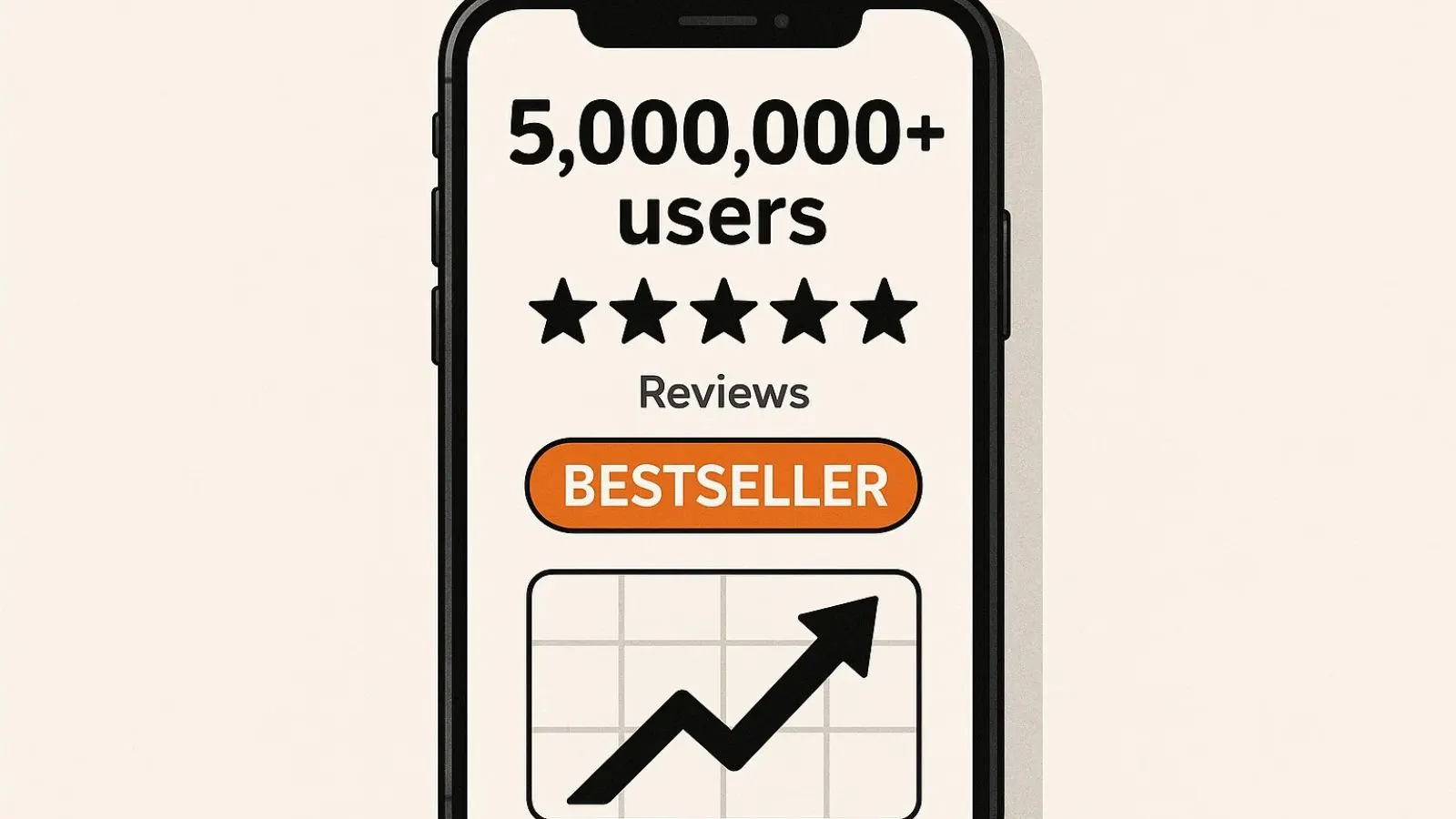
Bandwagon-style marketing comes in many forms, but the goal is always the same — to highlight popularity and make the audience feel they’re joining something big. Here are the most common types of messages brands use:
1. Social Proof Statements
These are simple claims like “Trusted by millions” or “#1 choice of customers.” They instantly make a product appear reliable because so many others have chosen it.
2. Popularity or Bestseller Claims
E-commerce platforms love these tags. Labels like “Bestseller,” “Most Purchased,” or “Trending Product” push customers toward items that appear to be in high demand.
3. User Count or Community Size
Many apps and online tools highlight their growing user base with lines such as:
“Join 5 million users today.”
This showcases real numbers to build instant credibility.
4. Trend-Based Messaging
Brands tap into cultural or viral moments to show their product is part of a trend. Statements like “Everyone is switching to…” create a sense of urgency and relevance.
5. Celebrity or Influencer Participation
When famous personalities endorse a product, it signals popularity on a larger scale. Their huge following creates ripple effects, making the product feel like a must-have.
Together, these message styles make bandwagon campaigns feel powerful, persuasive, and often irresistible.
How Bandwagon Advertising Helps Brands Increase Sales
Bandwagon advertising isn’t just about looking popular — it directly impacts sales. Here’s how brands benefit from using this technique:
1. Instantly Builds Credibility
When potential customers see that many others trust a product, it becomes easier for them to believe in its quality. Popularity becomes a shortcut for trust.
2. Reduces Buyer Hesitation
Buying something new can feel risky. Highlighting how widely accepted a product is helps reduce uncertainty, making customers more comfortable taking action.
3. Creates Social Validation
Humans naturally look to others when making decisions. Bandwagon messaging shows that choosing the product is socially approved, which encourages more purchases.
4. Helps New Brands Grow Faster
For startups or new products, showing early adoption numbers or positive reviews signals popularity and attracts more customers, giving them a quicker market foothold.
5. Drives Impulse Decisions
Popularity-driven messages often create urgency. People fear missing out on what “everyone is enjoying,” leading to faster, less deliberated purchases.
By leveraging these benefits, brands turn social influence into tangible revenue, proving that popularity isn’t just a trend — it’s a powerful sales tool.
Marketing Channels Where Bandwagon Advertising Performs Best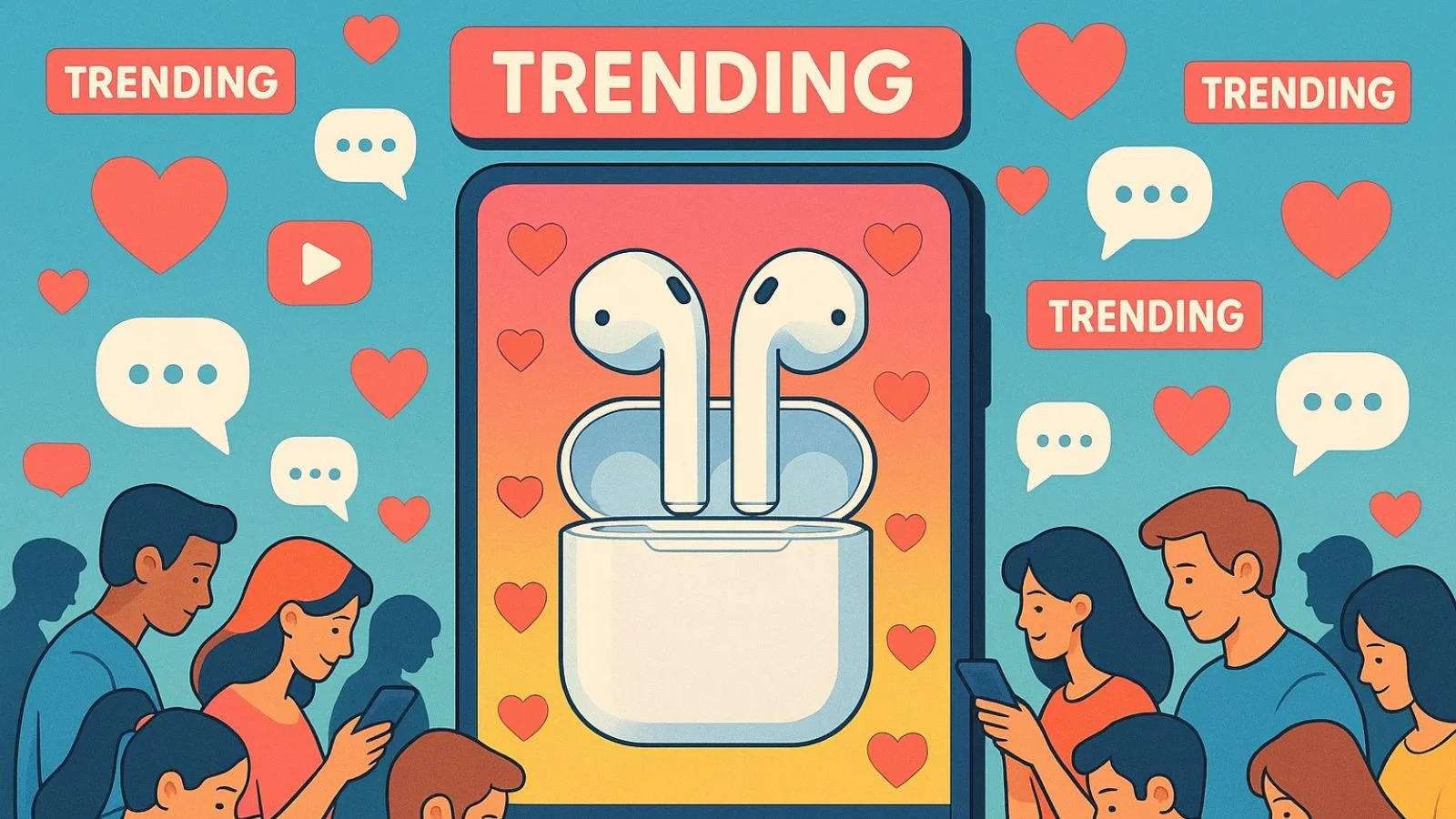
Not every marketing platform is equally effective for bandwagon advertising. Some channels naturally amplify popular messages better than others. Here’s where this strategy shines:
1. Social Media
Platforms like Instagram, Facebook, TikTok, and YouTube are perfect for showing trending products, viral challenges, and customer testimonials. Popular posts and engagement metrics act as built-in social proof.
2. Video Ads
Short video ads highlighting user numbers, customer reviews, or trending usage can grab attention quickly. Visuals showing a product in use by many people reinforce the “everyone is doing it” message.
3. Landing Pages
Websites can display badges like “Most Popular Choice” or counters showing how many people bought or signed up. This encourages new visitors to join the growing crowd.
4. Influencer Campaigns
Influencers act as trusted voices, showing their followers that a product is widely used. Their endorsements create a ripple effect that strengthens the bandwagon appeal.
5. Email Marketing
Highlighting customer milestones or popularity stats in email campaigns can boost click-through and conversion rates. Phrases like “Join thousands of happy customers” work well here.
6. Paid Ads (Google, Meta, TikTok)
Paid ads can combine targeted reach with social proof messaging, ensuring the bandwagon effect reaches the right audience efficiently.
Using these channels strategically helps brands maximize the impact of their popularity-based campaigns.
How to Create Bandwagon Advertising That Converts?
To be effective, bandwagon advertising must feel authentic and credible. Use clear messaging that highlights why joining the majority is valuable. Support your claims with real numbers, reviews, and rankings, and keep everything realistic and verifiable. Strengthen trust with visual proof like badges, counters, and testimonials. Finally, add gentle urgency to encourage action without sounding pushy. When done right, bandwagon advertising boosts both engagement and conversions.
Boost Your Bandwagon Advertising With AdsGPT
Creating high-converting bandwagon advertising messages can be time-consuming if done manually. This is where AdsGPT comes in. It’s an AI-powered tool that helps marketers generate persuasive ad copies quickly, while naturally incorporating social proof and popularity elements.
With AdsGPT, you can:
- Generate multiple ad variations based on the unique selling points, marketing trends, and your brand narratives.
- Tailor messages for different platforms to optimize your ad copies for specific social media platforms, whether it’s Google, Facebook, Instagram, Twitter, Pinterest, etc.
- Use data-driven suggestions to ensure your claims are realistic and compelling.
- Save time and effort while maintaining consistency across campaigns.
For marketers who want to leverage the bandwagon effect effectively, AdsGPT makes it easy to create ads that feel authentic, persuasive, and ready to convert — all without spending hours brainstorming. By combining AI efficiency with popularity-based messaging, brands can reach wider audiences and drive more sales faster.
Common Mistakes to Avoid in Bandwagon Advertising
Bandwagon advertising can be powerful, but it can easily backfire if done wrong. Avoid using fake or unrealistic numbers, as they damage credibility. Don’t over-exaggerate claims like “everyone is using this,” and stay away from overly aggressive pressure tactics that feel pushy. Make sure your popularity message aligns with your brand identity and always support claims with real proof, such as data, testimonials, or certifications. When done right, bandwagon advertising feels authentic, not forced.
Also read,
Conclusion
Bandwagon advertising is more than a trend; it’s a powerful strategy that taps into human psychology, social proof, and the natural desire to follow the crowd. By showing popularity, highlighting trends, and leveraging real user numbers, brands can increase trust, reduce hesitation, and boost sales.
Whether it’s through social media, video ads, landing pages, or influencer campaigns, using the right bandwagon advertising messages can make a significant difference. Modern tools like AdsGPT make it even easier to craft high-converting ads that incorporate social proof and popularity seamlessly.
When done thoughtfully, bandwagon advertising helps brands create campaigns that feel authentic, credible, and irresistible, turning trends into tangible growth. The key is to be ethical, realistic, and consistent, so your audience trusts that joining the crowd is truly the right choice.
FAQs
- Is bandwagon advertising ethical?
Yes, when it’s based on real numbers, genuine reviews, and authentic popularity. Misleading claims can harm trust, so transparency is key. - Does bandwagon advertising work for all industries?
It works best in industries where social proof influences buying decisions, like tech, fashion, entertainment, and consumer goods, but can be adapted creatively in most sectors. - How can small brands create a bandwagon effect without a large audience?
They can highlight early adopters, customer testimonials, micro-influencers, and trending features to build credibility and gradually attract more users.
MOST POPULAR