
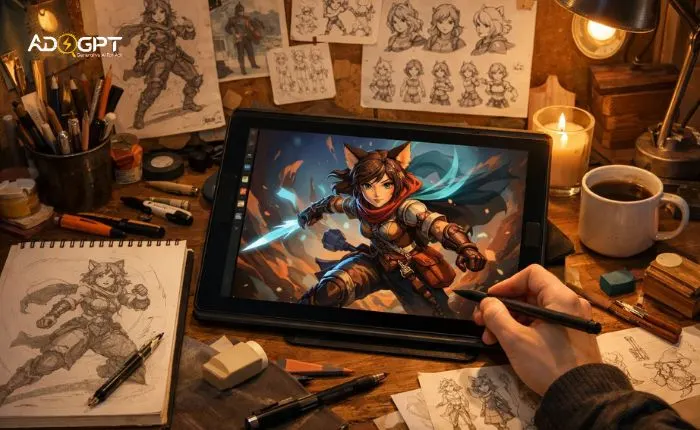
Creating characters that feel real is tough. You’ve probably spent hours staring at a blank page, trying to figure out who your protagonist actually is. That’s where a good character creator process comes in handy. Whether you’re writing your first novel, designing a video game, or building content for your YouTube channel, knowing how to breathe life into fictional people is what separates forgettable stories from ones people can’t stop talking about.
Listen To The Podcast Now!
Why Most Characters Fall Flat (And How to Fix It):

Here’s the thing: most characters feel fake because creators focus on the wrong stuff first. They pick a cool name, slap on some physical traits, and call it a day. But real people are messy, contradictory, and shaped by experiences, just like how fashion advertising shapes modern brands by tapping into emotion, identity, and lived stories rather than surface aesthetics.
Think about your best friend. You know how they act when they’re stressed, what makes them laugh, why they hate their uncle, and that weird thing they do with their coffee. That’s the level of detail you need. Not all of it goes in your story, but you need to know it.
Start with the uncomfortable questions. What’s your character ashamed of? What do they want but won’t admit? What happened in their childhood that they’ve never dealt with? These answers create the foundation. Everything else, looks, quirks, dialogue, flows from this emotional core.
The Building Blocks Every Character Creator Needs:
1. Getting the Personality Right:
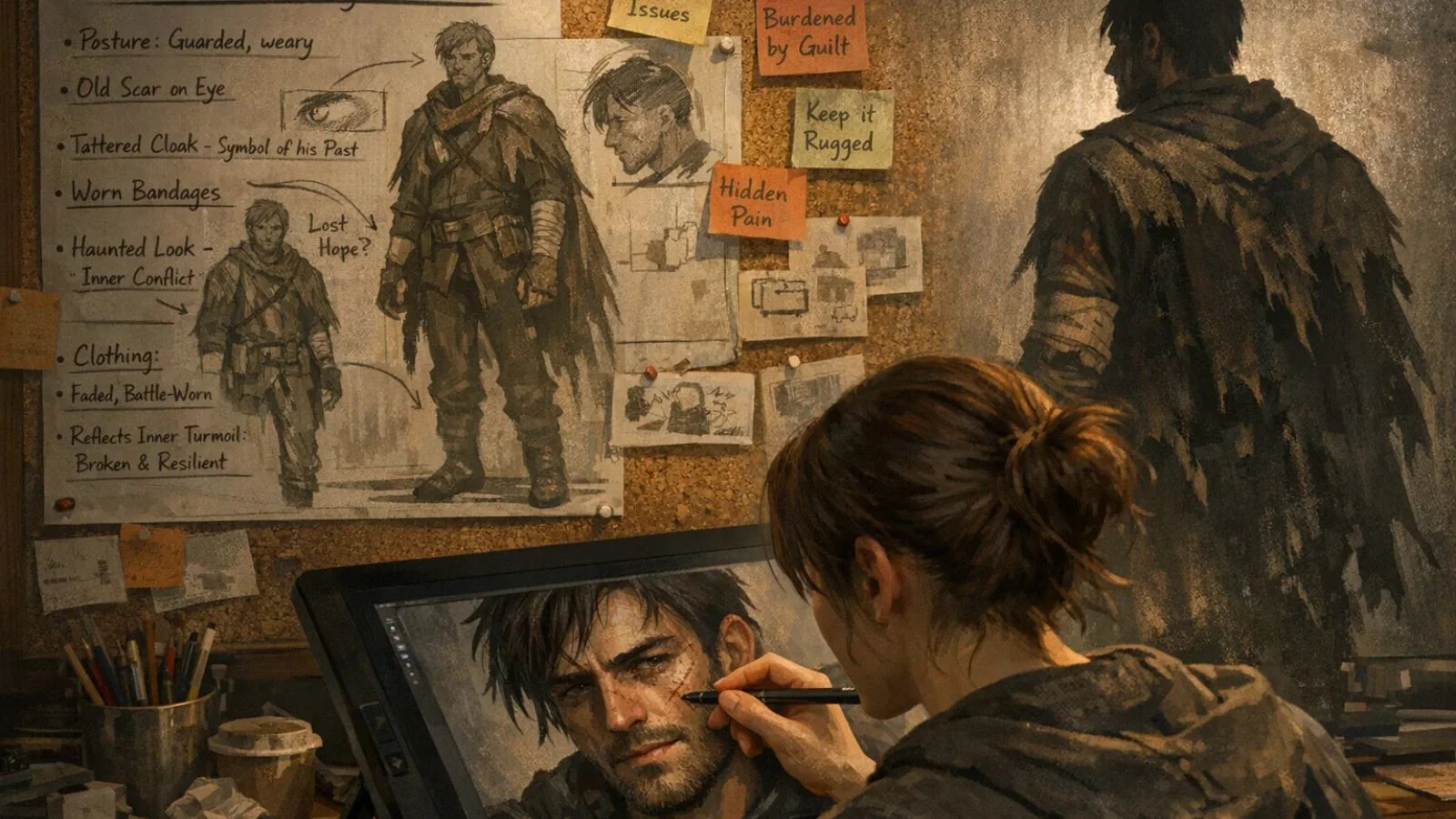
People aren’t one-dimensional. Your character creator method should capture the contradictions that make humans interesting. Maybe your hero is brave in battle but terrified of commitment. Perhaps they’re brutally honest except when it comes to their own feelings. Don’t just list traits like “funny” or “serious.” Show how these traits play out. Does their humor deflect from pain? Is their seriousness rooted in childhood responsibility? The “why” behind the “what” is where characters come alive.
2. Backstory That Actually Matters:
Everyone tells you to write backstory, but here’s what they don’t mention: most of it stays in your notes. You’re building an iceberg where only 10% shows above water. But that hidden 90% gives weight to everything your character does.
Map out the big moments, the loss that changed them, the betrayal they can’t forget, the victory that gave them confidence. Then figure out how these events show up in their present behavior. A character creator process without this depth produces cardboard cutouts, not people.
3. Making Them Look the Part:
Appearance matters, but not the way you think. Good character design isn’t about making someone pretty or badass, it’s about visual storytelling. Scars tell stories. Clothing reveals priorities. Body language shows confidence or insecurity.
When you’re working through your character creator checklist, ask how appearance reflects personality. Does your character hide behind baggy clothes or demand attention with bold colors? Do they move with the confidence of someone who was praised or the caution of someone who was criticized?
Modern Tools That Actually Help:
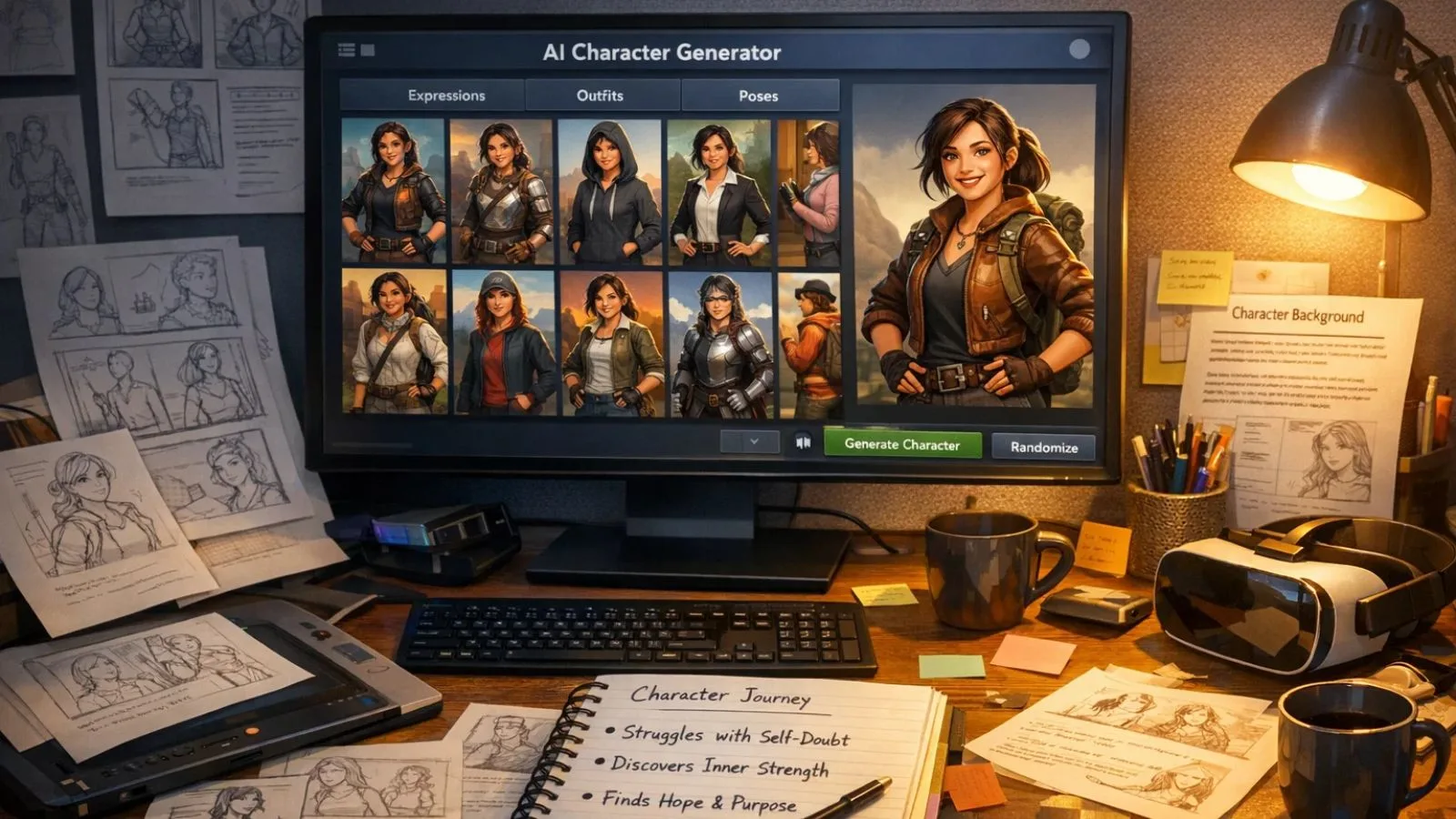
Look, technology has changed the game. AI character generation tools can now sketch out personality traits, suggest backstory elements, and even create visual references. Before you panic about robots replacing writers, they’re not. These tools are assistants, not replacements.
If you struggle with visual aspects, AI avatar generator platforms let you experiment without needing art skills. You can test different looks, see what fits your vision, and communicate ideas to collaborators.
Some creators use AI avatars as mood boards or character references during development. The trick with any character creator technology is remembering you’re still in charge. Use these tools to overcome technical limits or speed up the boring parts. But the heart of your character, their dreams, fears, and growth, that’s still your job.
Characters Need to Change (Or Your Story Gets Boring):
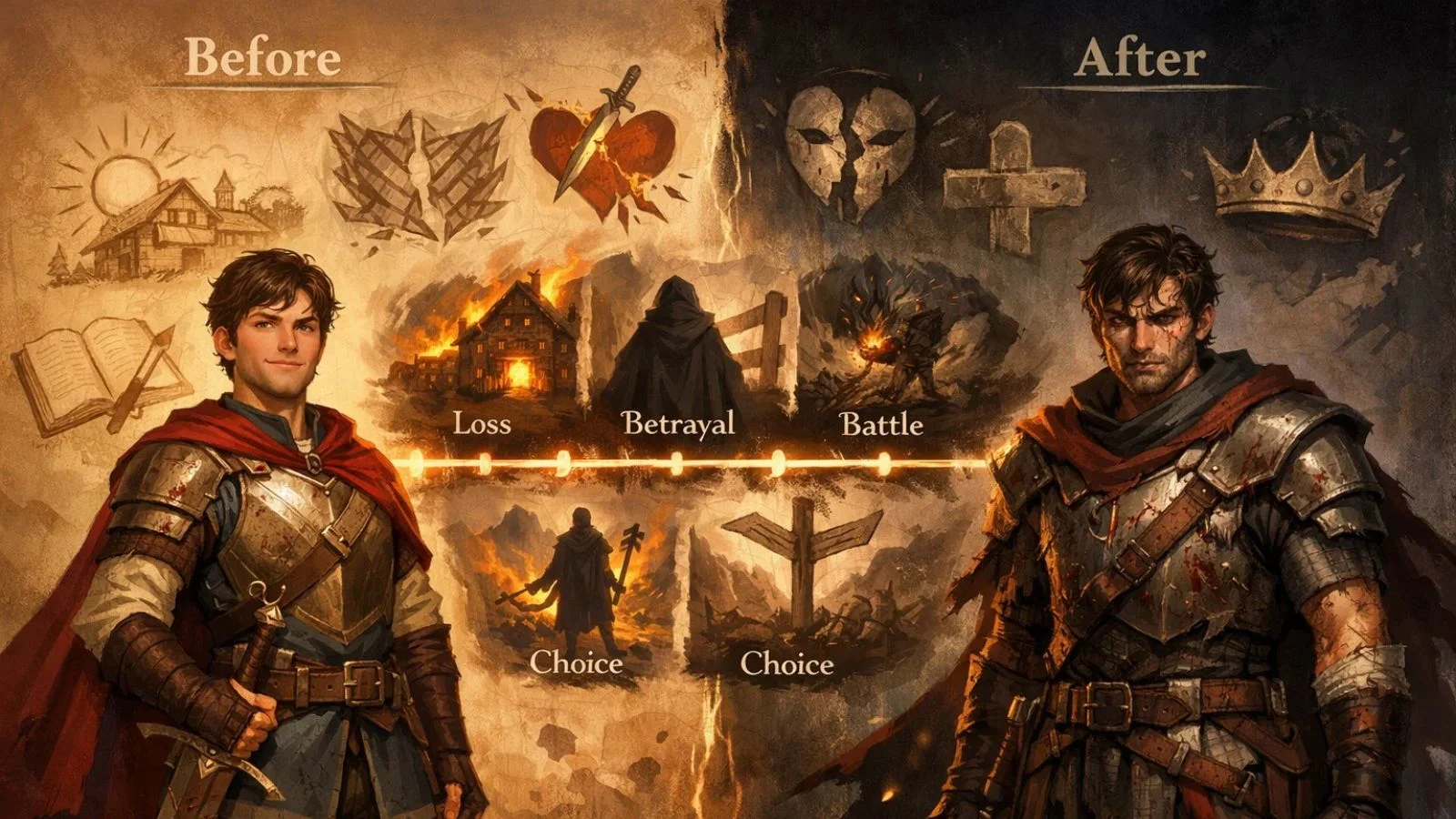
Static characters are fine for sitcoms, but most stories need growth. Your character creator framework should map out the transformation. Who is this person at the start? What experiences will challenge their beliefs? Who will they become by the end?
Character arcs aren’t complicated. Someone grows and improves (positive arc), someone declines and falls (negative arc), or someone stays true to themselves while changing the world around them (flat arc). Pick one and build your story around the experiences that drive that change.
The best arcs feel inevitable in hindsight but surprising in the moment. Your character creator planning makes this possible by knowing who your character is deeply enough to predict how they’ll respond to pressure.
Nobody Exists in a Vacuum:
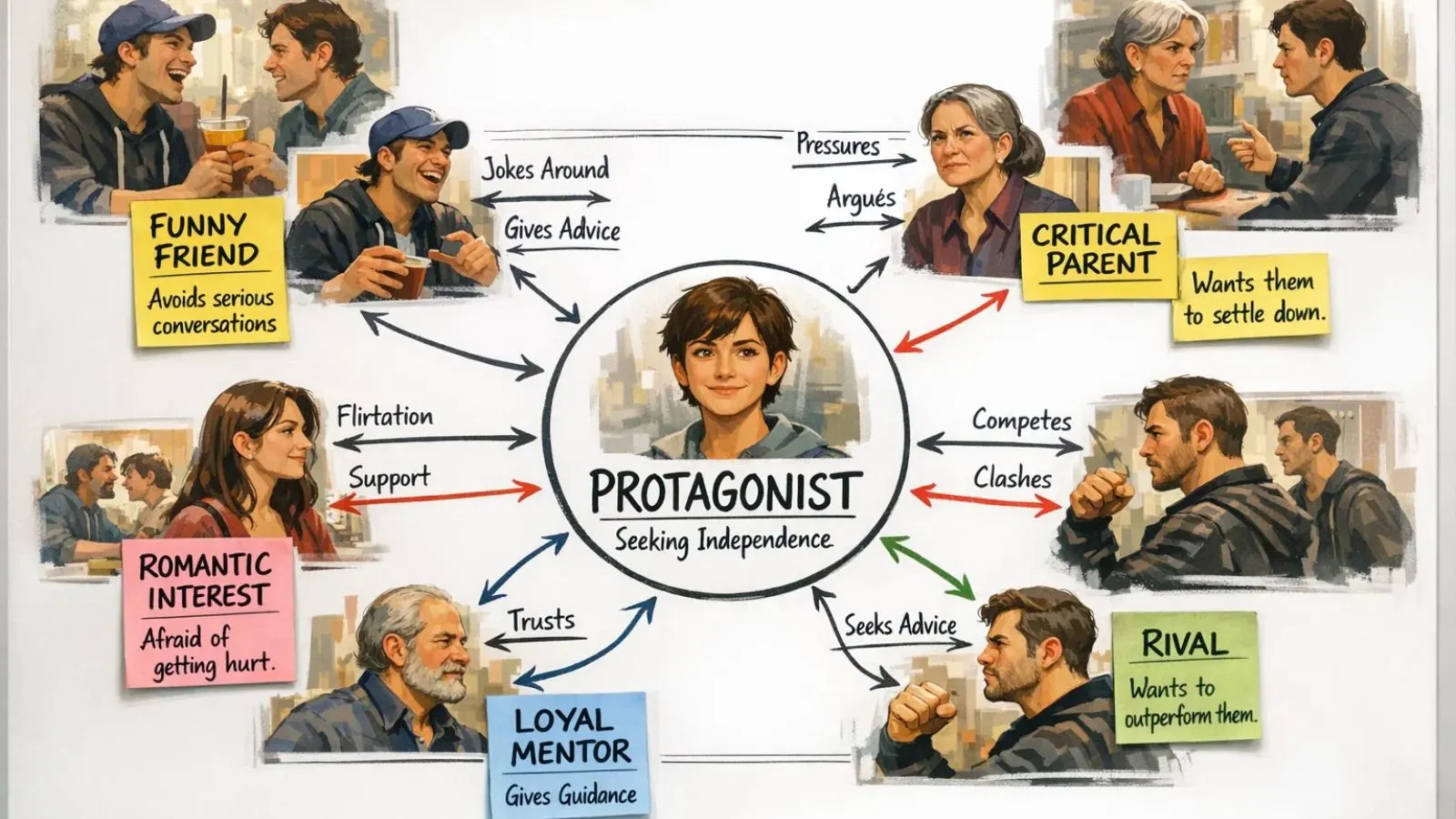
Your main character is only as good as the people around them. A complete character creator process develops supporting characters who bring out different sides of your protagonist. The funny friend. The critical parent. The rival who sees through their BS.
Each supporting character should want something and have their own perspective. They’re not just there to help or hinder your hero; they’re living their own stories. When these stories intersect, you get conflict, growth, and the kind of messy reality that makes fiction feel true.
Relationships reveal character better than internal monologue ever could. How someone treats their waiter versus their boss says everything. Your character creator notes should track these dynamics and how they evolve.
Also Read:
AdsGPT: Your Secret Weapon for Getting Your Story Seen:

Here’s something nobody talks about enough: creating amazing characters is only half the battle. If nobody sees your work, it doesn’t matter how good it is. That’s the frustrating part creative people face: you want to write, draw, or design, not become a marketing expert.
AdsGPT solves this problem. It’s an AI-powered advertising platform built specifically to handle the promotional stuff you hate. Instead of spending hours learning Facebook Ads or Google Analytics, you use AdsGPT to analyze your competitors’ ideas, so that you can replicate their winning strategies.
This platform can help you generate ad copies that actually convert, suggest multiple versions, and show you the insights based on which you can target your ads. Whether you’re promoting a book series, an indie game, or a webcomic, AdsGPT handles the technical marketing work.
What makes it valuable for creators? You can also use this to generate image creatives for your ad campaign. You don’t need a marketing degree or a tech background. Set up your campaign, and let AdsGPT create ad copies and creatives based on the winning strategies.
Don’t Make These Rookie Mistakes:
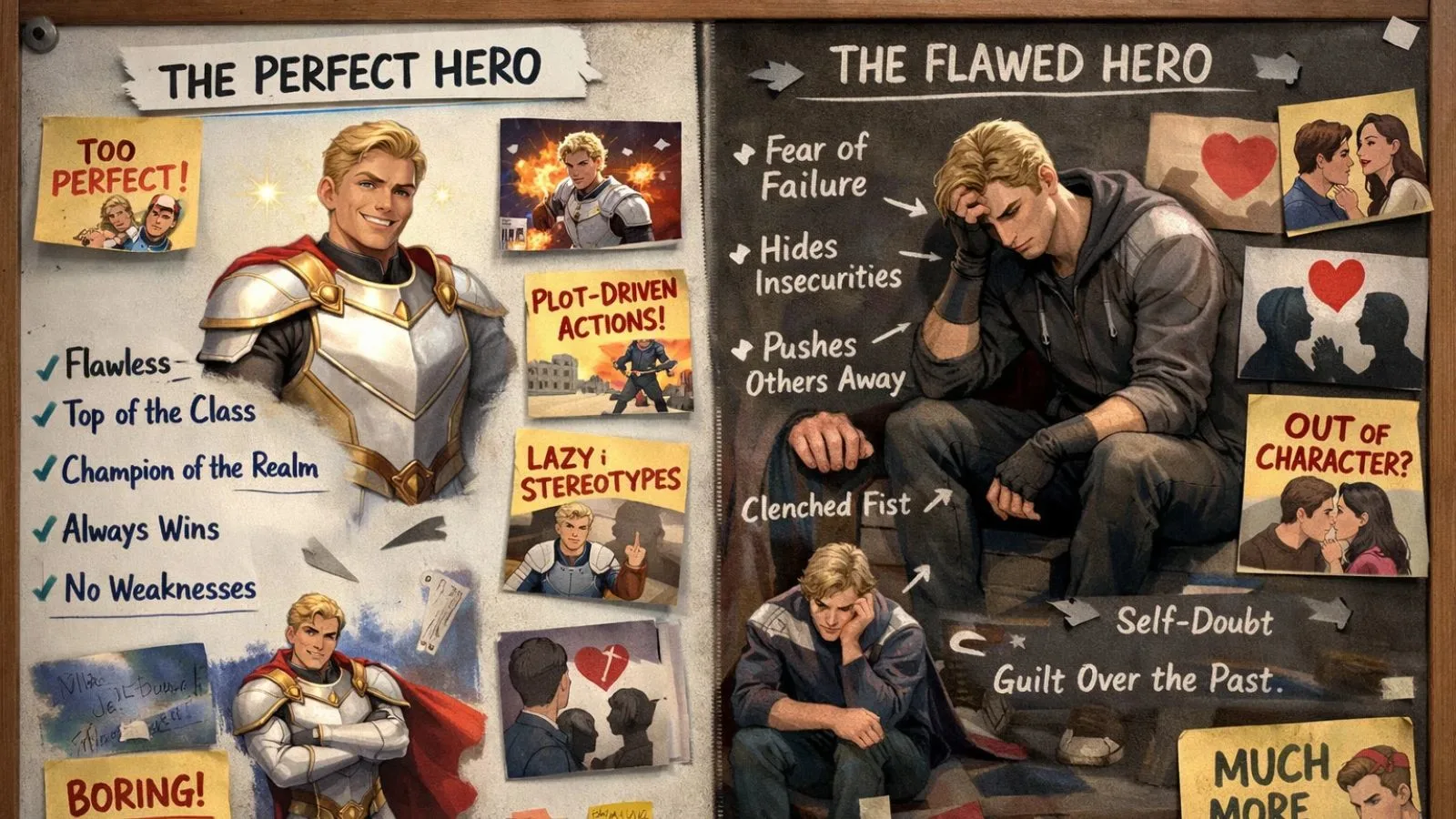
Even experienced creators mess this up sometimes. First mistake: making characters too perfect. Nobody likes a hero without real flaws. “Works too hard” isn’t a flaw. “Pushes people away because vulnerability terrifies them” is a flaw. Your character creator process needs to build in authentic weaknesses.
Second mistake: letting the plot control the character instead of the opposite. If your character does something that contradicts who they are just because your plot needs it to happen, you’ve broken trust. Good stories emerge from character decisions, not convenient plot devices.
Third mistake: lazy stereotypes. Sure, archetypes are useful starting points for your character creator work, but you can’t stop there. Push deeper. Research. Talk to people different from you. Hire sensitivity readers if you’re writing outside your experience. Generic characters get forgotten immediately.
Wrapping This Up:
Creating memorable characters isn’t about following a formula; it’s about understanding people deeply enough to imagine them completely. Your character creator process should balance psychological insight with practical tools, giving you both the depth and organization professional work requires.
Start with emotional truth, build outward with consistent details, plan for growth and change, and avoid the common traps that produce forgettable characters. The technology exists to help you, but the real magic still comes from your understanding of what makes people tick.
Take your time. Iterate. Be willing to explore uncomfortable aspects of human nature. The characters worth reading about aren’t perfect; they’re real.
FAQ’s:
Q1: What’s the most important part of a character creator process?
Ans: Emotional depth comes first. Know your character’s fears, desires, and contradictions before worrying about eye color or favorite foods. Surface details without a psychological foundation create hollow characters.
Q2: Should I use AI tools for character development?
Ans: AI tools like AI avatar generator platforms or AI character generation software can help with visualization and brainstorming, but they can’t replace your creative judgment. Use them to supplement your work, not do it for you.
Q3: How many characters do I actually need to develop fully?
Ans: Focus on your protagonist and major supporting characters. Give them full character creator treatment, backstory, arcs, and relationships. Minor characters can be sketched more lightly based on their story importance.


MOST POPULAR