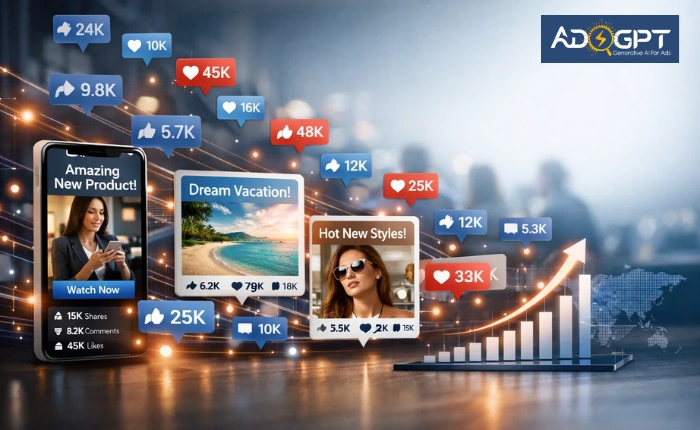
The fragility of brand attention is apparent today. Audiences scroll quickly through their feeds looking for meaningful content. When they do find it, they will reward it by engaging with it. The way campaigns build (or lose) value is through a combination of strong visuals, clear messaging, and an emotional connection. Here is where viral ad examples come into play – they demonstrate that creativity in advertising can drive engagement by creating an experience that resonates with human behavior rather than using traditional promotional methods.
By examining successful viral ad examples, you can see how the different elements of each campaign (timing, storytelling, and platform activity) have come together to produce a successful outcome. Once brands identify what motivates people to share content, they will find their engagement levels will increase exponentially. In this post, we will look at how viral ad examples make an impact and why they are successful. We will also discuss how AdsGPT helps brands create similar outcomes by leveraging AI-enabled creativity.
Hit ‘Play’ Button & Tune Into The Blog!
What Makes Ads Go Viral Today?

Audience behavior shapes modern advertising success. People share ads that feel relatable, surprising, or emotionally sharp. Viral ad examples often succeed because they respect how users consume content.
Several Elements Push Ads Toward Virality:
- Strong emotional hooks that spark laughter, curiosity, or empathy.
- Simple messaging that communicates value within seconds.
- Platform-specific formats that match user expectations.
- Clear storytelling with no unnecessary complexity.
Viral ad examples prove that scale does not depend on budget. Instead, clarity and timing decide results. Brands that study these patterns gain a repeatable engagement advantage.
Understanding Viral Ad Examples And Their Impact
Success stories reveal clear lessons. Viral ad examples influence brand growth because they trigger organic sharing. Viewers act as distributors when content feels authentic.
These campaigns help brands:
- Increase reach without heavy ad spend.
- Build instant recognition across platforms.
- Strengthen brand recall through repetition.
- Drive conversations rather than interruptions.
Viral ad examples also shorten trust-building cycles. When people see content shared by peers, credibility rises automatically. That trust converts into clicks, signups, and sales.
Best Viral Ad Campaigns That Redefined Brand Growth?
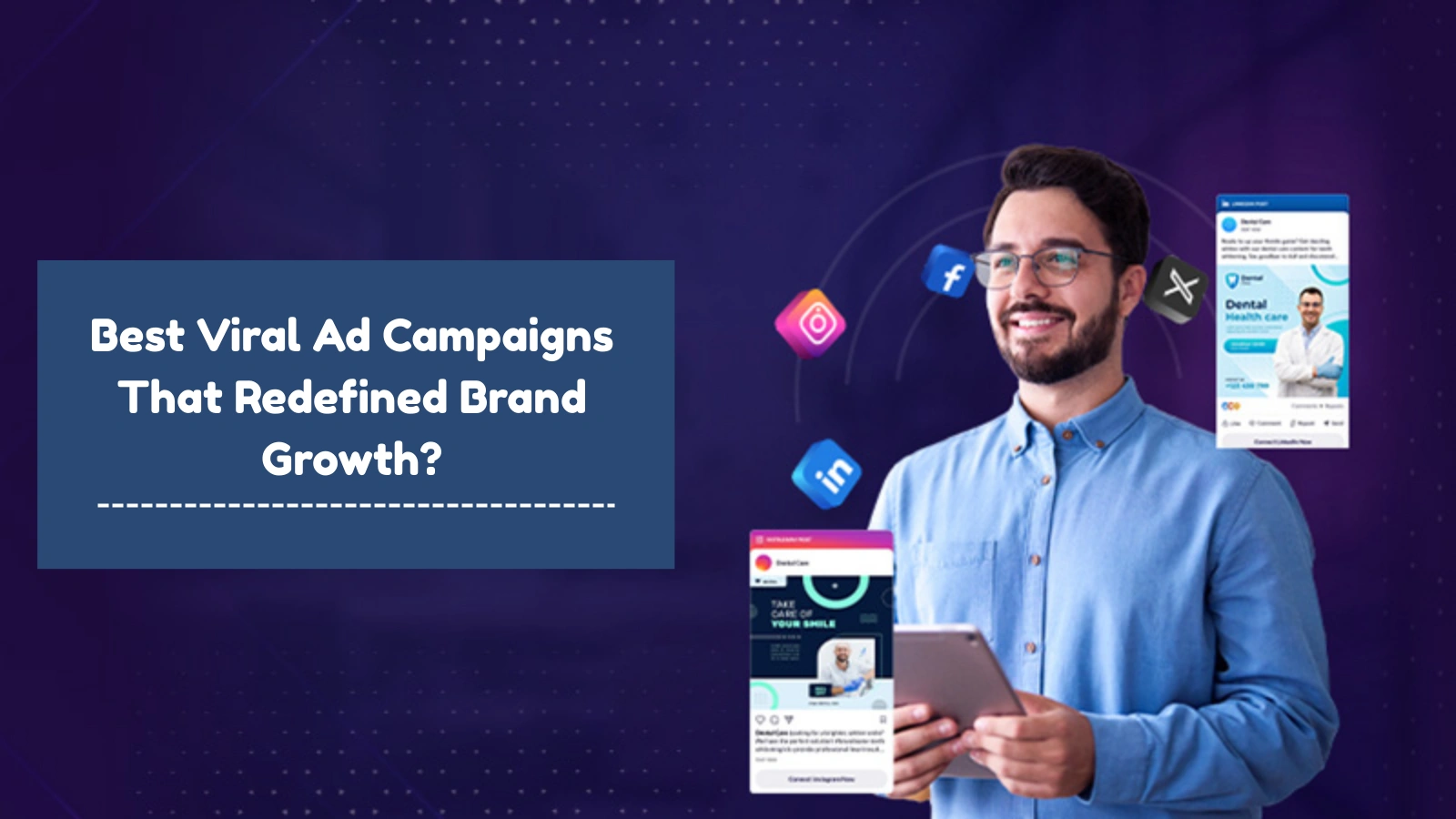
Marketing history includes many standout moments. The best viral ad campaigns succeed because they align emotion with purpose. Humor, honesty, or bold storytelling often drives results.
Lessons From Best Viral Ad Campaigns Include:
- Authentic tone outperforms polished perfection
Audiences respond better to genuine messages that feel real and human rather than overly produced or artificial brand presentations. - Relatable stories attract stronger engagement
Stories that reflect everyday experiences help audiences connect emotionally, increasing shares, comments, and long-term brand recall. - Clear brand presence prevents confusion
Successful campaigns ensure logos, messaging, and value remain visible so viewers remember the brand behind the creative. - Strong hooks matter more than long explanations
Attention-grabbing openings capture interest immediately, encouraging viewers to watch, engage, and share without needing lengthy explanations.
Brands that study the best viral ad campaigns understand how intentional creative choices turn viral ad examples into lasting brand growth.
Recent Viral Ads That Dominated Social Platforms
Short-form platforms reward immediacy. Recent viral ads thrive because they match attention spans and trends. These ads respect platform culture rather than forcing traditional formats.
Recent Viral Ads Succeed Due To:
- Fast hooks within the first few seconds.
- Native-style visuals that blend into feeds.
- Honest language that avoids heavy selling.
- Clear audience relevance.
By analyzing recent viral ads, brands identify patterns that repeat across industries. Viral ad examples from recent campaigns show how timing and relevance drive shares.
Why Viral UGC Ads Build Faster Trust?

People trust people more than brands. Viral UGC ads work because they reflect real experiences. Viewers see themselves in the content, which boosts credibility.
Viral UGC ads help brands:
- Humanize messaging through real voices.
- Reduce skepticism around promotions.
- Increase watch time and engagement.
- Encourage community participation.
Many viral ad examples now rely on viral UGC ads to spark momentum. These formats remove barriers between brands and audiences.
How Brands Generate Viral Ads With AI?
Creative speed now defines success. Teams that generate viral ads with AI test more ideas faster. AI removes creative bottlenecks and supports data-backed experimentation.
Brands that generate viral ads with AI benefit from:
- Rapid concept creation without delays.
- Easy visual and copy variations.
- Trend-aligned messaging at scale.
- Consistent brand tone across creatives.
Viral ad examples increasingly emerge from AI-assisted workflows. Speed and adaptability give brands an edge in crowded feeds.
Also Read:
The Most Powerful Advertisement Examples To Learn From Them
How To Make Viral Ugc Ads With The Power Of AI?
Creative Elements Behind High-Performing Viral Ads
Every successful campaign shares common traits. Viral ad examples highlight creative elements that drive action.
Key elements include:
- Clear storytelling with emotional flow.
- Strong opening visuals that stop scrolling.
- Simple copy that delivers one message.
- Consistent tone across visuals and text.
When brands align these elements, engagement grows naturally. Viral ad examples confirm that simplicity outperforms complexity every time.
Why Fast Testing Determines Viral Success?
No campaign succeeds on guesswork. Fast testing helps brands learn what works before scaling spend. Viral ad examples often result from multiple iterations rather than single ideas.
Fast testing supports:
- Early performance insights.
- Creative refinement based on data.
- Reduced wasted ad spend.
- Faster discovery of winning formats.
Brands that analyze viral ad examples understand that speed and learning matter more than perfection.
How AdsGPT Supports The Creation Of Viral Ad Ideas?
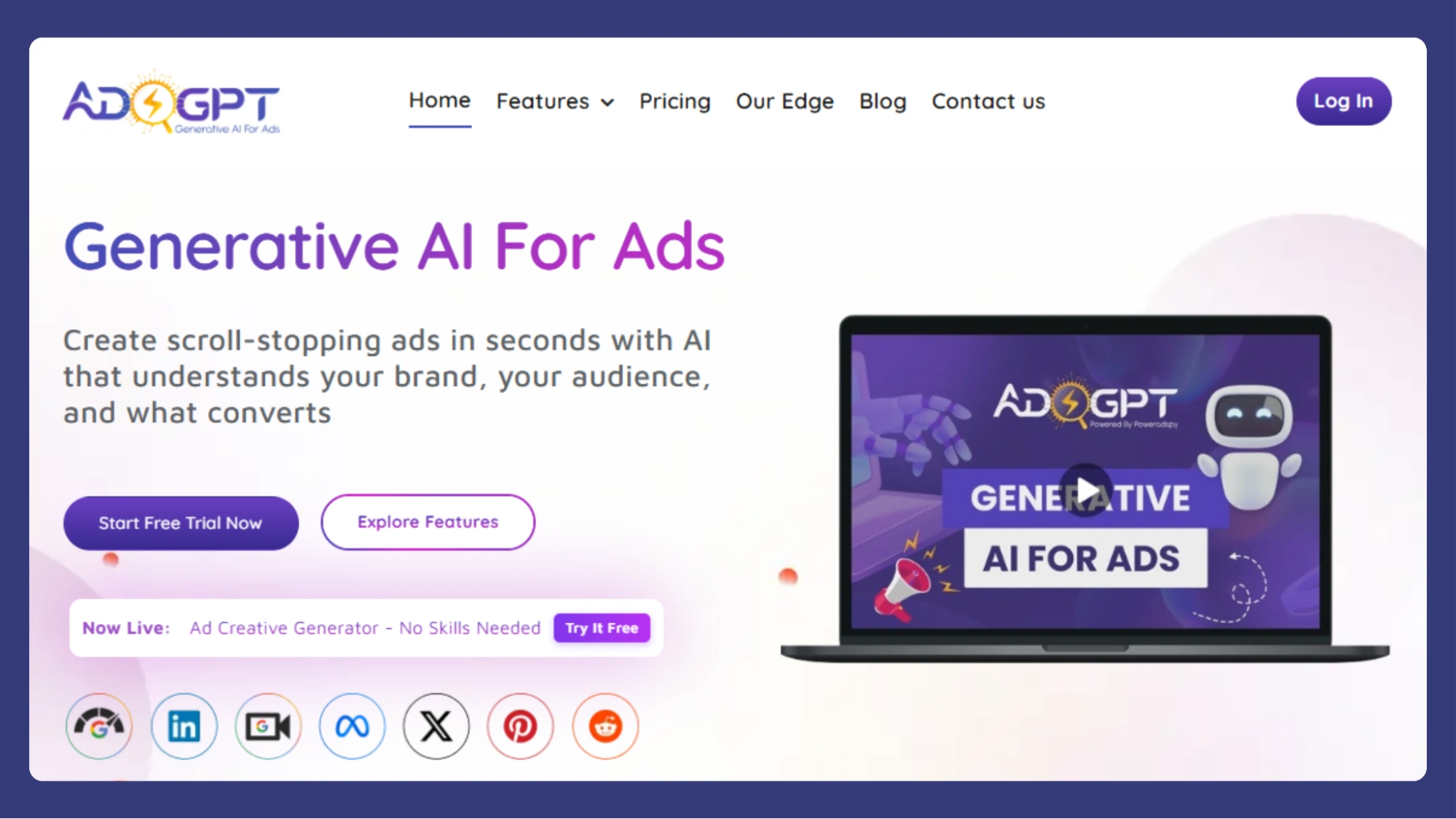
Creative clarity drives stronger results. AdsGPT helps teams transform raw ideas into structured, high-impact ads with speed and precision. The platform simplifies concept development and execution, allowing marketers to focus on strategy instead of friction.
AdsGPT supports viral ad creation through:
- AI-powered ad copy generation
AdsGPT creates persuasive, platform-ready ad copy that aligns with audience intent, campaign goals, and proven viral ad examples. - Visual prompt customization for brand tone
Marketers guide visuals using detailed prompts that reflect brand voice, mood, and messaging consistency across campaigns. - Multi-variation testing at speed
Teams generate multiple creative variations quickly, making it easier to test, compare, and scale winning ad concepts. - Platform-ready creative outputs
AdsGPT delivers creatives optimized for various platforms, formats, and placements, eliminating the need for extra editing or redesign efforts.
Many viral ad examples now follow workflows supported by AdsGPT. Brands gain control, consistency, and creative momentum that sustains long-term performance.
Using Adsgpt To Learn From Viral Ad Examples
Learning from success matters. AdsGPT enables marketers to analyze the patterns behind top-performing ads. Teams gain insight without manual research overload.
AdsGPT helps brands:
- Analyze viral ad examples efficiently
- Repurpose winning frameworks ethically
- Adapt messaging for different platforms
- Maintain originality with AI support
This approach turns inspiration into execution without creative burnout.
Common Mistakes Brands Make When Chasing Virality
Not every attempt succeeds. Brands often fail when they force trends or ignore audience context. Viral ad examples teach caution as much as creativity.
Common mistakes include:
- Copying trends without brand relevance
- Overloading visuals with messaging
- Ignoring platform-specific behavior
- Focusing on reach over engagement
Brands that study viral ad examples avoid these pitfalls and protect brand credibility.
Final Thoughts
Attention rewards clarity, emotion, and relevance. Viral ad examples prove that creativity wins when brands respect audience behavior. Campaigns that connect stories with strategy achieve lasting engagement.
Tools like AdsGPT help brands generate viral ads with AI while maintaining originality and control. With the right in
FAQs
- How long does it take for ads inspired by viral ad examples to show results?
Results vary by platform and audience, but well-structured creatives often show engagement signals within the first few days. - Can small businesses benefit from viral ad strategies?
Yes. Small brands can achieve strong reach by focusing on relatable messaging, clear value, and consistent creative testing. - Do viral ads always require high production budgets?
No. Many viral ad examples succeed because of authenticity, simplicity, and relevance rather than expensive production. - How often should brands refresh creatives when testing for virality?
Frequent updates help. Refreshing creatives weekly allows brands to adapt faster to trends and audience responses. - What platforms work best for launching viral ad campaigns?
Short-form platforms like Instagram, TikTok, and YouTube Shorts often deliver faster traction for viral-focused creatives.

MOST POPULAR