

Connecting with an audience goes beyond promoting products. People respond to narratives that reflect values, experiences, and emotions. That is why brand storytelling plays a crucial role in modern marketing strategies. When executed correctly, it can elevate your brand, create loyalty, and drive meaningful engagement.
Here, we are going to explore what brand storytelling is, why it matters, and how to implement it effectively. We also discuss practical tools like AdsGPT that help create high-quality brand ads aligned with your strategy.
In a hurry? Listen to the blog instead!
What Is Brand Storytelling?

Brand storytelling refers to the practice of crafting narratives around a brand that resonate with its target audience. It goes beyond basic promotion by weaving a story that communicates the brand’s mission, values, and personality.
Unlike traditional marketing, which often focuses solely on features and benefits, brand storytelling creates an emotional connection. A well-crafted story helps your audience understand not just what your brand offers but why it exists and why they should care.
For example, a company selling sustainable products can use brand storytelling to highlight its journey towards eco-friendly practices, emphasizing values over mere product descriptions.
Why Brand Storytelling Matters For Your Audience?
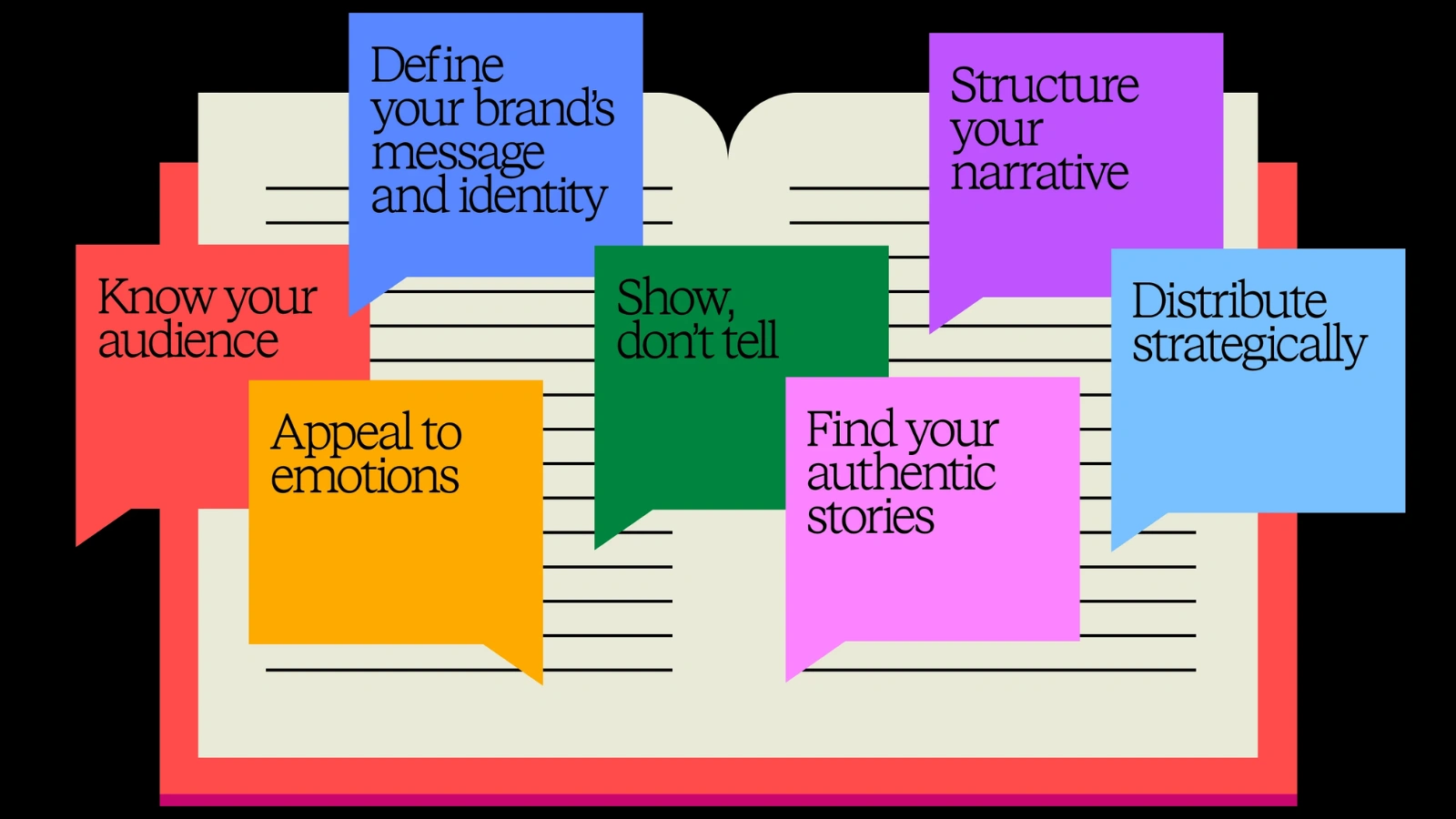
Brand storytelling holds the power to transform customer engagement. Here’s why it matters:
Builds Emotional Connections
Stories tap into emotions and experiences, helping people feel understood. When audiences recognize themselves in a narrative, they develop trust, affinity, and a strong emotional connection.
Enhances Recall
People remember stories more than facts because narratives organize information with context. A compelling storyline makes messages easier to recall, keeping the brand memorable after exposure.
Drives Engagement
Story-driven content invites conversation and shares because people react to relatable journeys. When audiences care about characters and outcomes, they engage with comments and discussions.
Fosters Loyalty
Consumers trust brands that feel human and value-driven. Consistent storytelling reveals purpose, personality, and reliability, encouraging audiences to stay, support, and build strong long-term loyalty.
Brands that leverage storytelling effectively often outperform competitors who focus solely on transactional messages.
The Principles of Authentic Brand Storytelling
Authenticity remains the cornerstone of effective brand storytelling. Without it, narratives appear forced or manipulative. Follow these principles for authentic brand storytelling:
-
Stay Genuine
Authentic storytelling begins with honesty about what your brand stands for. Share real values, purpose, and mission, so audiences recognize a genuine identity instead of performance.
-
Be Transparent
Transparency builds credibility. Avoid exaggeration, inflated claims, or hidden details. When people see truth in your message, they trust decisions, promises, and long-term intentions more.
-
Connect With Your Audience
Effective stories speak to real needs. Understand your audience’s dreams, fears, and daily challenges, then shape narratives that reflect their world and offer meaningful hope.
-
Consistency Across Channels
Consistency strengthens identity. Use the same voice, tone, and message everywhere so that audiences experience reliability, recognize your presence instantly, and trust your communication across all platforms.
-
Showcase Real Experiences
Real stories prove credibility. Share customer journeys, case studies, testimonials, and behind-the-scenes moments, so audiences see evidence of impact and relate to authentic human experience.
Authentic brand storytelling builds long-term relationships rather than short-term attention.
Brand Storytelling Examples That Captivate Audiences
Understanding theory works best when you see it in practice. Here are some notable brand storytelling examples:
Nike:

Nike uses brand storytelling to celebrate perseverance, athleticism, and personal triumph. Campaigns like “Just Do It” connect with audiences emotionally, inspiring action.
Apple:

Apple focuses on simplicity and innovation in its storytelling. Each product launch communicates a vision of creativity and progress, making users feel part of a larger community.
Dove:

Dove’s campaigns highlight real beauty and self-confidence. By sharing real stories of women, the brand reinforces its values and generates empathy.
These examples illustrate that compelling narratives don’t require flashy visuals alone. Consistent messaging, emotional resonance, and alignment with brand values create memorable campaigns.
Also Read:
Why Storytelling in Advertising is More Important Than Ever?
9+ Winning Social Media Creatives Ideas for Your Business
How To Craft Your Own Brand Story?

Creating a brand story requires a strategic approach. Here are steps to craft narratives that engage:
- Define Your Brand Identity
A strong brand story begins with clarity. Identify your mission, values, personality, and what makes you different so your narrative reflects who you truly are. - Understand Your Audience
Research what your audience wants, fears, and expects. When you understand their motivations and challenges, you can create stories that feel relatable, meaningful, and relevant. - Select a Story Angle
Every strong brand story needs a clear direction. Choose whether to highlight purpose, growth journey, challenges, or transformation so your narrative stays focused and impactful. - Develop Characters and Conflict
Characters make stories human. Use founders, employees, or customers, then introduce challenges your brand helps overcome to create emotional connection, tension, and interest. - Maintain Clarity
Avoid unnecessary complexity. Keep your message simple, understandable, and structured so audiences quickly grasp what your brand stands for and the value you deliver. - Use Visuals and Copy Effectively
Combine compelling visuals with powerful, concise copy. Images, videos, and strong words together create emotional impact, making your story memorable and engaging for audiences. - Test and Refine
Before fully launching, share your story with a smaller audience. Gather reactions, identify gaps, improve weak parts, and refine until the narrative feels strong and impactful.
Following these steps ensures your story aligns with your brand while keeping audiences engaged.
How AdsGPT Can Support Creating Brand Ads?

Creating brand ads can be challenging. AdsGPT helps marketers produce high-quality ads efficiently. Here’s how it supports ad creation:
- Generate Creative Ads Quickly: AdsGPT produces multiple ad visuals and copy ideas in seconds, saving valuable time.
- Ensure Brand Consistency: The platform keeps messaging, colors, and tone consistent across all campaigns.
- Test Multiple Variations: Create several ad versions to identify which performs best.
- Platform-Ready Content: Ads are optimized for social networks like Meta, Google, LinkedIn, Pinterest, and more.
- Competitor-Inspired Ideas: While maintaining originality, AdsGPT allows inspiration from market trends to enhance campaign creativity.
By integrating AdsGPT into your workflow, marketers save time, maintain quality, and create engaging ad campaigns that reinforce brand identity.
Authentic Brand Storytelling In Action
Authentic brand storytelling doesn’t end at creation; it extends into consistent execution.
- Cross-Platform Consistency: Ensure stories adapt naturally to social media, websites, emails, and ads.
- Audience-Centric Messaging: Tailor narratives to address audience needs and emotions.
- Monitor Engagement: Track likes, shares, comments, and feedback to evaluate story impact.
- Iterate and Improve: Use audience insights to refine future campaigns.
The key to success lies in blending authenticity with strategic messaging that resonates across every touchpoint.
Tips For Measuring The Impact Of Your Brand Storytelling
Tracking performance helps identify what works and what doesn’t. Focus on these metrics:
- Engagement Metrics: Likes, shares, comments, and clicks reflect audience interaction.
- Conversion Rates: Measure whether storytelling drives purchases, sign-ups, or other desired actions.
- Brand Recall: Surveys and studies can assess how well audiences remember your brand.
- Customer Feedback: Analyze sentiment from reviews, comments, and messages.
- Ad Performance: If using AdsGPT or similar tools, monitor CTR, reach, and impressions to gauge effectiveness.
Regular analysis ensures brand storytelling remains aligned with objectives and continues to engage audiences.

Conclusion
Brand storytelling transforms ordinary marketing into meaningful engagement. By defining your identity, understanding your audience, and crafting narratives with authenticity, your brand can inspire trust, loyalty, and action. Tools like AdsGPT complement this process by accelerating ad creation, maintaining consistency, and providing a platform-ready solution for high-performing campaigns.
Brands that invest in strategic, authentic storytelling consistently see stronger engagement, higher recall, and better customer relationships. Start planning your next campaign with these principles in mind and watch your audience connect with your brand on a deeper level.
FAQs
Q1. What is brand storytelling?
Brand storytelling is the practice of sharing a brand’s narrative to connect emotionally with audiences, going beyond product promotion to communicate values, mission, and identity.
Q2. How can I make my brand storytelling authentic?
Focus on transparency, real experiences, consistent messaging, and audience alignment. Authenticity comes from honesty and staying true to your brand’s values.
Q3. Can AI tools help in brand ad creation?
Yes. Tools like AdsGPT assist in creating ad visuals and copy quickly, maintaining consistency, testing multiple variations, and preparing content for various platforms.
Q4. Why is brand storytelling important for businesses?
Brand storytelling builds emotional connections, increases recall, drives engagement, and fosters loyalty, helping businesses stand out from competitors.
Q5. What are the key elements of a compelling brand story?
A strong brand story includes authenticity, a clear mission, relatable characters, conflict or challenge, a resolution, and emotional resonance.

MOST POPULAR