
It looks simple from the outside, but the real results come from smart structure, psychology, and strategy. A well-built banner pulls attention fast, drives interest, and pushes action without overwhelming the viewer. Brands that treat banner ads as creative billboards gain stronger clicks, more conversions, and long-term visibility.
You scroll social media feeds, websites, and apps every day and see countless banners. Some stay forgettable, and some make you pause. That pause creates the difference between reach and revenue. Strong banner ad design gives clarity, message flow, and striking visuals that convince the viewer in seconds.
Here in this blog, you will go through different banner ad formats, how they work, examples, and how AdsGPT supports faster and more professional ad production.
Listen To The Podcast Now!
What Is a Banner Ad Design?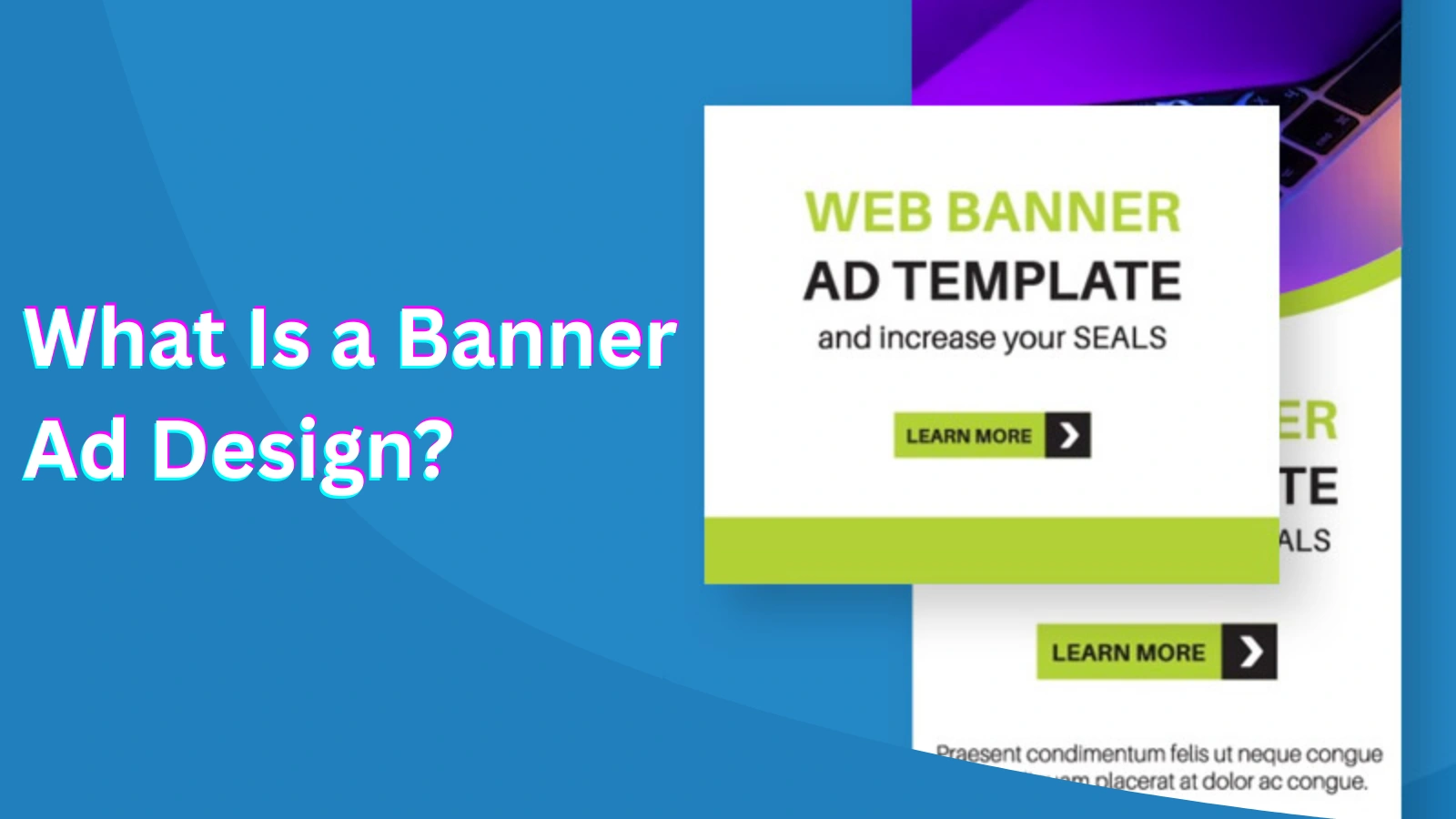
It serves as a visual promotional format that sits on websites, apps, or platforms and drives engagement. It includes layout, text, imagery, call-to-action, and hierarchy so viewers understand the message instantly.
A strong banner ad design connects the message and the audience with a clear visual direction. You guide attention toward one specific action, whether that action involves signing up, buying, clicking, or learning more.
How Banner Ad Designs Work?
Banner ads work by grabbing attention first, communicating value next, and driving action last. The structure creates a simple funnel inside a single frame.
You place banner ads across networks like Google Display, Meta, YouTube placements, or publisher sites to target audiences who match your goals. With consistent banner ad design, you influence familiarity, trust, and conversions.
5 Different Types of Banner Ad Design Ideas
It comes in many formats, and every format has a specific purpose. Some work best for awareness, some drive conversions, and others boost engagement. Your choice depends on the platform, size, audience behavior, and campaign goal. Below are five major types of banner ads and how to use them effectively.
1. Run of Site Banner Ad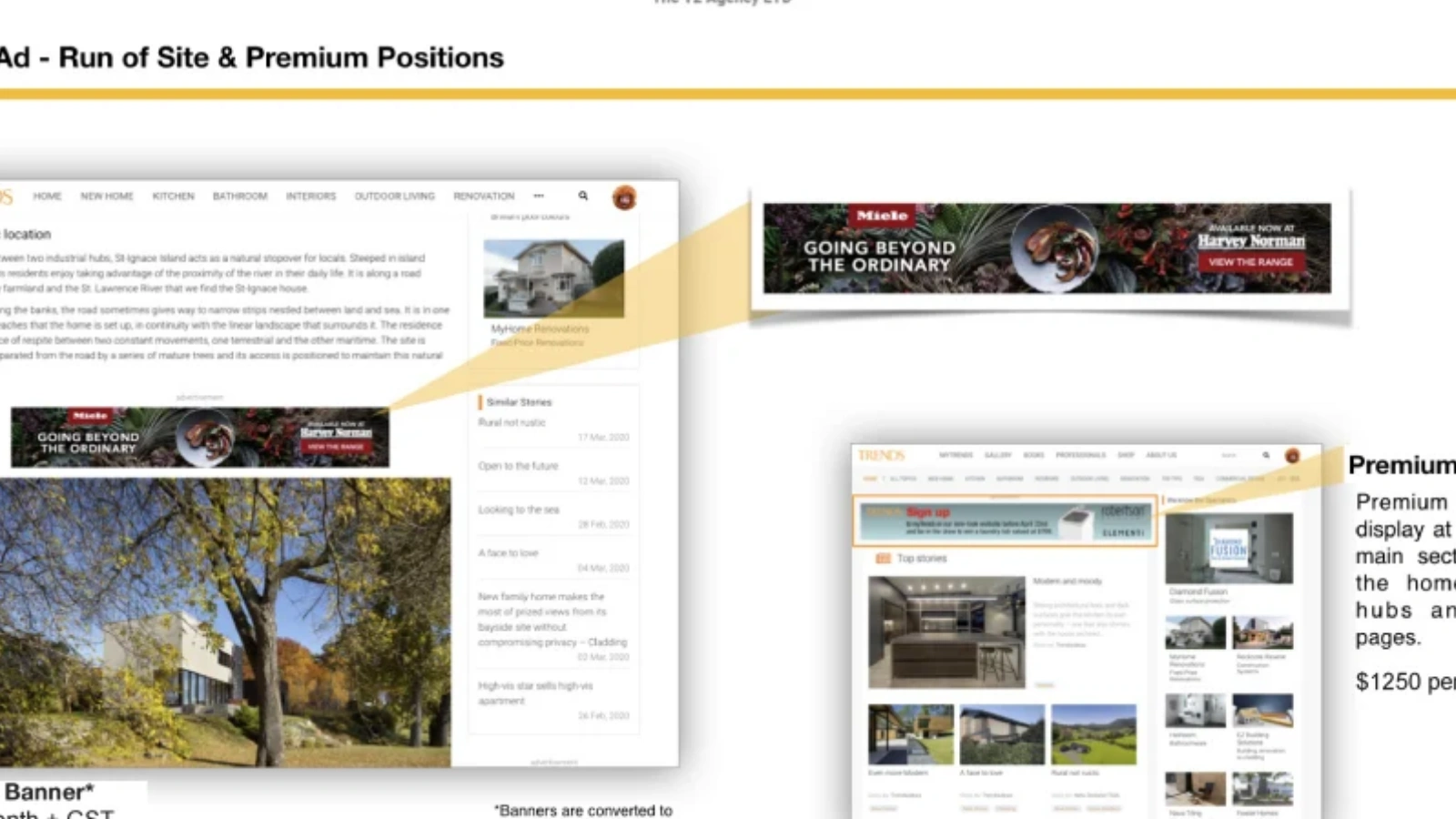
A run-of-site banner appears across an entire website instead of a single page. This format gives you broad exposure because the viewer sees it no matter where they browse within that site.
This banner ad design suits brands that want growth, attention, or recognition. The layout normally stays clean and direct, with a short headline and a strong visual. You aim to communicate the message fast because people scroll without stopping. It works well for awareness campaigns, product launches, and event promotion.
2. Pop-Up Banner Ad
A pop-up banner appears on top of the current screen, which makes it impossible to ignore. It interrupts browsing and forces attention immediately. Because of this behavior, pop-ups work best when urgency matters.
Use them for flash sales, lead forms, new offers, coupons, or abandoned cart recovery. The banner ad design must stay clear, short, and visually bold because the viewer decides within a second whether they will close it or click. A strong CTA like Claim Offer or Save My Spot works well here.
3. Static Banner Ad
A static banner stays still with no animation or moving elements. It only relies on layout, typography, color, and CTA placement to create impact.
A static banner ad works well for simple messages, brand consistency, and quick engagement. Because it doesn’t animate, the message must be instantly readable. Many brands use a banner ad design template for static ads because it helps maintain consistency across platforms like Google Display, Meta, or website placements. A clear headline, simple image, and bold button make a strong static banner.
4. Animated Banner Ad
An animated banner uses motion to attract attention and guide the viewer. This motion can be subtle, like a blinking button, or more dynamic, like shifting text or moving product frames.
Animation helps tell a short story or highlight multiple benefits or product shots without making the layout look crowded. It grabs curiosity because humans follow movement naturally. Animated banner ad design works well for campaigns that need to show features, steps, or comparisons in a short sequence.
Also Read:
5. Video Banner Ad
A video banner ad uses very short clips, usually 5 to 15 seconds, to communicate the message. Platforms like Meta, LinkedIn, and YouTube support this ad format because video creates stronger engagement and a more immersive experience.
A video banner ad requires sharp storytelling, fast pacing, and high clarity. The message must appear early because viewers lose interest quickly. Use bold text overlays, product demos, social proof, or emotional storytelling to make the video meaningful. This format works well for product launches, service explainers, or campaigns that need visual demonstration.
How AdsGPT Helps You Create Banner Ad Designs?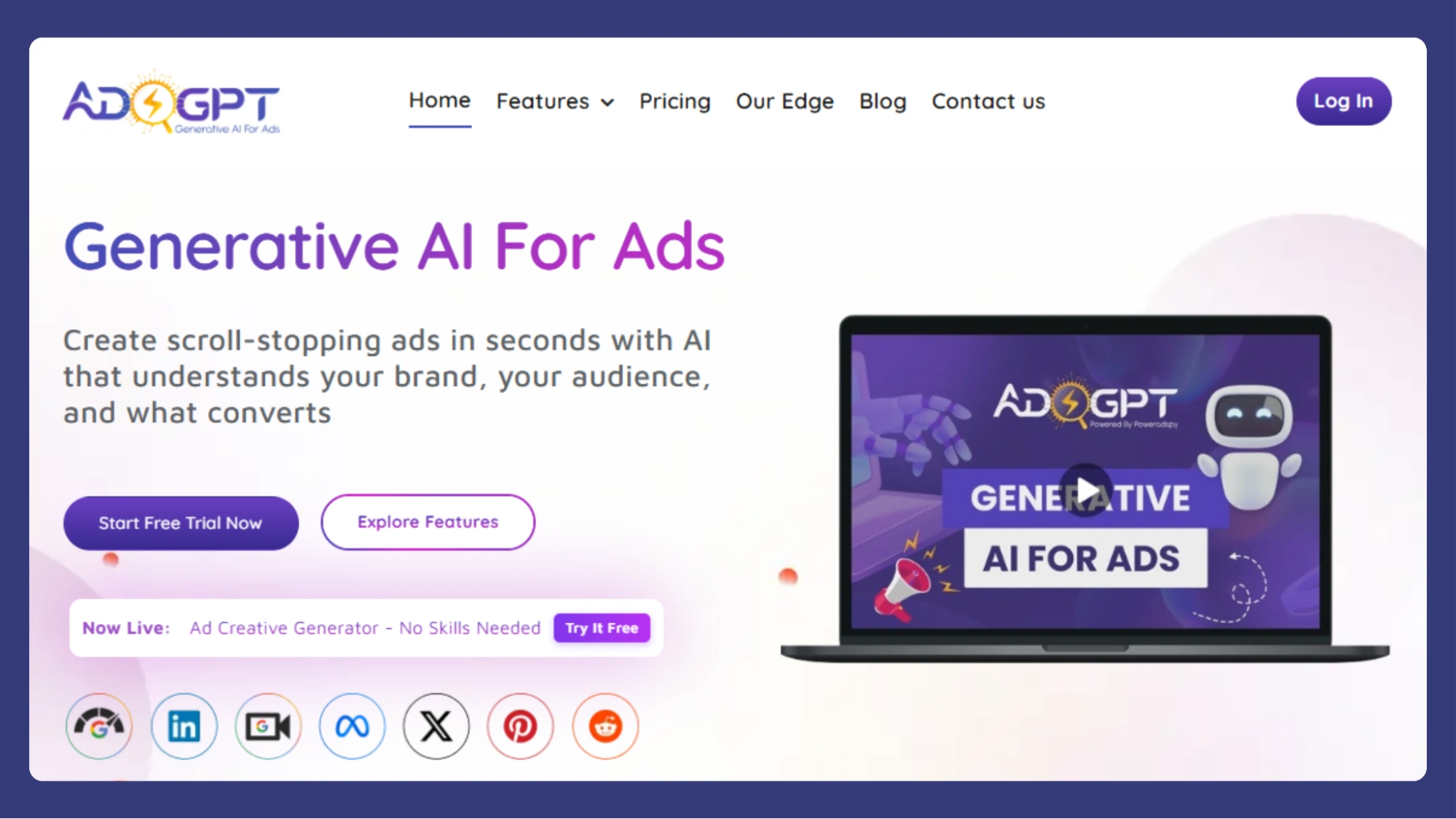
AdsGPT gives marketers a faster way to produce high-quality banner ad design outputs without stress or design pressure. Instead of spending time planning visuals, layouts, and messaging, the platform automates the full process and delivers ready-to-use assets. This leads to better creativity, faster testing, and stronger campaign performance.
Here’s how AdsGPT supports you:
Ad Creatives Made Effortless
AdsGPT builds banner ad design visuals instantly without requiring any technical skills. You enter your message and brand details, and the platform generates polished creatives. It saves hours of work and allows marketers to focus on strategy rather than manual layout design.
Platform-Specific Customization
Every platform has unique layout requirements, and AdsGPT adjusts your banner ad design accordingly. It tailors creatives for Meta, Google, LinkedIn, Pinterest, YouTube, and other placements. This removes resizing stress and keeps every layout optimized for performance.
Start With Existing Ads
If you want inspiration, AdsGPT lets you begin with competitor ads as creative references. You upload or paste an ad sample, and the platform generates a new layout with your tone, branding, and message. This approach helps you learn what works and stay ahead of the competition.
Ready-to-Post Designs
Once the banner ad design is generated, you receive a placement-ready version sized for the target platform. There is no extra editing, resizing, or formatting required. You can download and launch the creative instantly across campaigns.
Generate Multiple Creatives
AdsGPT supports rapid iteration by producing up to five banner variations in one go. This helps you test messaging, CTAs, colors, and layouts without manual design work. Multiple versions speed up experiments and help you find winning combinations faster.
Prompt-Based Personalization
You guide the tone and style through short text prompts based on your audience and brand. AdsGPT follows those instructions and produces creatives that align with your identity and messaging. This gives every banner ad a personal and consistent brand feel.
AdsGPT also supports smart workflow with:
- AI-powered ad copy creation
- Competitor inspiration mode
- Campaign analytics
- CTA strategy insights
- Cross-platform benchmarking
- User engagement breakdown
Marketers gain stronger output, faster delivery, and more strategic execution.
The Pros and Cons of Using Banner Ads
Every advertising format comes with benefits and challenges. The right banner ad design turns strengths into results and minimizes weaknesses.
Pros
- Fast visibility and brand reach
- Low cost per impression
- Easy real-time testing and optimization
- Strong compatibility with social media ad banner placements
Cons
- Poor design leads to scroll-past behavior
- Weak messaging reduces engagement
- Overused formats lose originality without creativity
A strong banner ad design strategy solves these points and drives conversions.
Conclusion
It creates a real business impact when structure, message, and targeting align. The right layout, CTA, image style, and offer produce meaningful clicks instead of empty impressions. With strong planning and consistent refinement, banner ads build trust, attract ideal customers, and convert more traffic into results.
Tools like AdsGPT help marketers work smarter, experiment faster, and produce scroll-stopping ads with clarity and precision. Growth comes from creativity, speed, and execution, not guesswork.

FAQs
- How many banner variations should I test?
Test at least three versions to find patterns. You learn what design, message, and CTA create maximum conversions. - What size works best for banner ad design?
Sizes like 300×250, 728×90, or 160×600 gain strong performance. You choose a layout based on the platform and placement strategy. - Do bright colors work better?
Bright colors grab attention when they match your brand identity. Clarity and contrast matter more than random saturation. - Should I use templates?
A banner ad design template helps maintain structure and branding consistency. Templates also save production time. - How does AdsGPT support banner ads?
AdsGPT generates optimized visuals, messaging, and variations for testing. It also offers analytics, brand memory, customization, and competitor insights.
MOST POPULAR