
Every brand wants its ads to reach the right audience at the right moment. But in a crowded online space, grabbing attention takes more than random placements or broad targeting. That’s where contextual advertising makes a difference. By connecting your ads to the content people are already viewing, it keep your brand relevant and visible without feeling intrusive.
Unlike traditional tracking methods, contextual ads analyze the content a user is engaging with in real time and show promotions that naturally fit. This approach feels more organic, resonates with the audience, and respects privacy. Today, with AI-powered tools, brands can make these campaigns even smarter, adapting quickly to trends and audience behavior, all while boosting results and building trust.
In a hurry? Listen to the blog instead!
What Is Contextual Advertising And Why Does It Matter?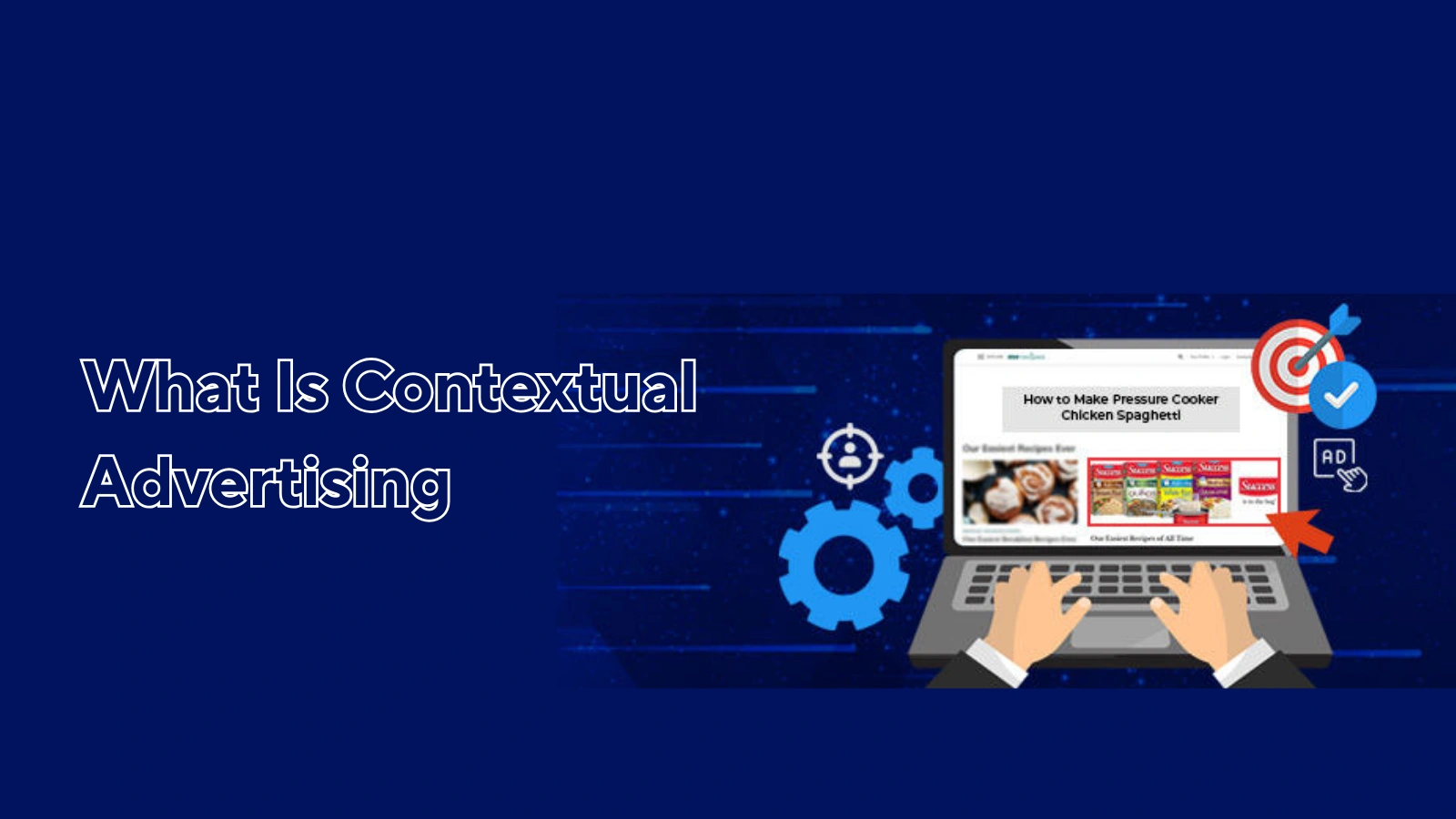
It displays ads that match the theme or content of a webpage or app. For example, an ad for running shoes might appear on a fitness blog or a sportswear review site. These placements feel natural and blend seamlessly with what the audience is already interested in.
Unlike behavioral targeting, which relies on user data and tracking, contextual ads depend on real-time content signals such as page keywords, topics, and intent. This makes them privacy-friendly and more engaging for users.
For marketers, contextual advertising matters because it keeps the audience experience relevant while maintaining compliance with data protection standards. It ensures the message aligns with context, which leads to stronger engagement and better conversions.
With tools powered by AI, brands can take this strategy further, analyzing tone, language, and sentiment to place ads in the most effective digital spaces.
Understanding Contextual Targeting: The Core Of Effective Ads
The real power of contextual advertising lies in contextual targeting. It’s the process of analyzing webpage content to determine the most suitable ad to display.
Let’s say someone reads an article about sustainable living. Contextual targeting can identify keywords like “eco-friendly,” “organic,” or “green products” and show relevant ads from brands offering sustainable goods. This helps the ad appear useful rather than intrusive.
Modern AI powered advertising platforms enhance contextual targeting by analyzing not just text but also multimedia, page layout, and even user interaction signals. This advanced understanding helps brands display ads that feel personalized without needing private user data.
When done right, it doesn’t just promote a product, it connects it to the user’s mindset in real time, driving better response rates and improving campaign ROI.
Read More!
AI For Advertising: Innovative Examples, Tools, And What’s Next?
Personalized Ads: Turning Context Into Connection
Today’s audience expects more than random promotions. They want personalized ads that resonate with what they care about. Contextual strategies enable that connection.
By matching the ad’s message to the content someone is already engaging with, brands create instant relevance. Imagine reading a travel blog and seeing an ad for flight deals. It feels timely, useful, and meaningful. That’s the impact of contextual relevance.
Personalized ads powered by contextual data improve trust and engagement because they align with user intent. They reduce ad fatigue and increase click-through rates. When combined with AI powered advertising, personalization scales effortlessly, allowing brands to serve tailored ads across multiple platforms simultaneously.
How Adsgpt Elevates Contextual Advertising With AI?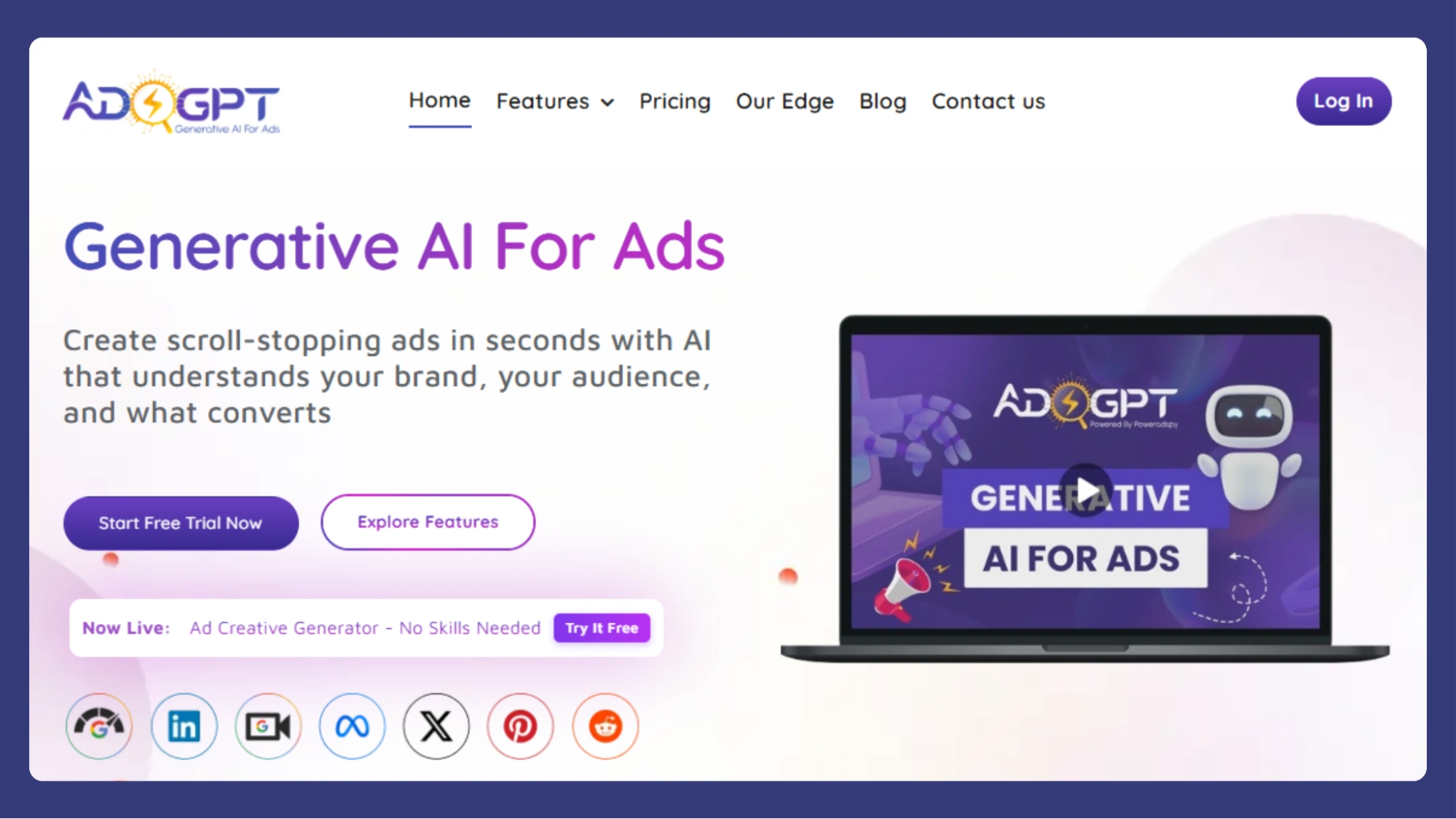
AdsGPT is a next-generation platform built to transform how marketers create and optimize contextual advertising campaigns. It brings the speed, creativity, and intelligence of AI into every part of the ad creation process.
AI-Generated Ad Creatives
AdsGPT helps brands design high-quality ad visuals in seconds without requiring design experience. It generates multiple on-brand creatives that fit the chosen platform, Meta, Google, LinkedIn, Pinterest, or others. Every visual aligns with your tone, message, and logo to ensure brand consistency.
Its Smart Brand Memory automatically applies stored brand details such as colors, logos, and taglines across all creatives. You can also guide the AI with short prompts to personalize tone and ensure every output stays fresh and original.
Ad Copy Generation Based on Context
AdsGPT’s built-in AI copy generator crafts ad copy that matches both your brand voice and the content context. You can analyze competitor ads and create improved versions using your own voice. It also optimizes every ad copy for specific platforms, ensuring compliance and maximum engagement.
This feature helps eliminate creative bottlenecks, letting marketers produce high-converting ad text in seconds while keeping contextual alignment intact.
Competitor-Inspired Campaigns
AdsGPT allows you to use competitor insights to inspire your next campaign. Simply enter a competitor’s name, and the platform generates fresh, unique ads that highlight your brand’s strengths. This feature helps you stay competitive while maintaining originality in your creative approach.
Performance Analytics and Optimization
Beyond creation, AdsGPT provides advanced analytics to refine advertising strategies. Its dashboard gives detailed insights into performance metrics, popular ads, and engagement levels across networks like Google, Meta, YouTube, and Instagram.
With these tools, AdsGPT turns contextual advertising into a measurable, performance-driven process.
How AdsGPT Helps Brands Make Contextual Advertising More Effective?
AdsGPT automates ad generation, optimization, and performance analysis, saving hours of manual work. It enhances contextual targeting by combining AI precision with contextual understanding. The result is a seamless workflow where brands can create, test, and refine ads that match audience intent perfectly.
Whether your goal is engagement, conversion, or brand awareness, AdsGPT ensures your contextual advertising strategy stays efficient, scalable, and relevant.
Read More!
5 Best AI Generated Ads Examples You Need To See
Contextual Advertising Example: Real-World Success Stories
A strong contextual advertising example is Google’s Display Network, which uses page content and keywords to place ads that fit naturally within articles. A person reading about home fitness may see ads for yoga mats or resistance band products that connect directly with the context.
Similarly, Amazon displays ads for complementary products based on the content of a user’s search or viewed item. These examples prove how contextual targeting drives engagement by staying relevant to user intent.
Brands using platforms like AdsGPT can replicate these successes easily. By generating context-matched creatives and copies, they can reach audiences in a more natural and meaningful way without intrusive tracking.
How To Build A Contextual Advertising Strategy For Your Brand?
Creating a strong contextual advertising strategy takes focus, clarity, and the right tools. Here’s how you can build one that delivers measurable results:
- Define Audience Goals
Start by identifying your target audience and their intent. Understand what actions you want them to take, like visiting a website, signing up, or making a purchase, so your ad content matches their needs. - Research Keywords and Contexts
Look for themes, keywords, and topics that align naturally with your brand and audience. This helps your ads appear where they make sense, increasing both relevance and engagement. - Use AI Tools Like AdsGPT
Leverage AI platforms such as AdsGPT to generate creative visuals and ad copy that fit perfectly with your chosen context. Let AI manage ad testing, optimization, and data-driven refinements to boost performance. - Optimize Continuously
Keep monitoring your ad results and performance metrics regularly. Refresh creatives, adjust placements, and test variations to ensure your contextual advertising strategy stays effective and engaging over time.
By following these steps, brands can transform their advertising into meaningful experiences rather than mere impressions.

Conclusion
It has reshaped how brands connect with audiences. It prioritizes relevance over intrusion and builds trust through contextual precision. With the help of AI powered advertising tools like AdsGPT, businesses can create impactful, scalable, and cost-effective ad campaigns that speak directly to audience intent.
In a time when personalization defines success, it gives brands a way to deliver meaningful, privacy-conscious messages that truly resonate. By combining smart ads targeting, creative automation, and data-driven optimization, marketers can ensure every impression counts.
FAQs
Q1. What is contextual advertising?
It is a strategy that displays ads related to the content a user is currently viewing. It ensures ads feel natural, relevant, and engaging without relying on user tracking.
Q2. How is contextual targeting different from behavioral targeting?
Contextual targeting focuses on analyzing webpage content, topics, and keywords to match relevant ads. In contrast, behavioral targeting depends on user data, search history, and past activity, making contextual methods more privacy-friendly.
Q3. Can AI improve contextual advertising?
Absolutely. AI powered advertising platforms like AdsGPT enhance every part of contextual advertising from ad copy creation to visual generation and performance tracking, helping brands achieve higher engagement and ROI.
MOST POPULAR